
Main Courses
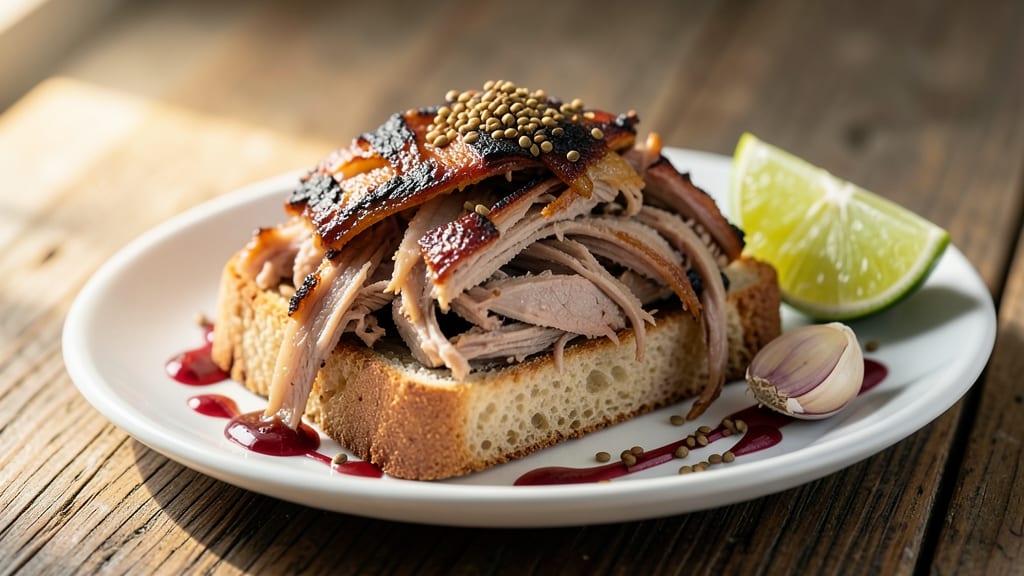
This Brazilian pulled pork recipe brings the vibrant flavors of moqueca to your table with a citrus-braised twist that transforms tough cuts into melt-in-your-mouth tenderness. 🌟 After years of perfecting slow-cooked pork techniques, I've developed a method that blends Brazilian coastal influences with my Southern pitmaster roots, creating a dish that's both authentic and approachable for home cooks.
The secret lies in the marinade—a bright blend of lime juice, garlic, smoked paprika, and cumin—that infuses the pork with layers of tropical and smoky flavor.
Unlike traditional American pulled pork, this version uses a braising technique inspired by moqueca's slow-cooking methods, resulting in pork that practically falls apart at the touch of a fork. The citrus not only tenderizes the meat but also creates a beautiful golden crust during the final searing.
What you'll end up with is a dish that's rich in flavor yet light enough to feel refreshing, perfect for summer gatherings or weeknight dinners. The pork maintains its natural juices while absorbing the bright citrus and aromatic spices, creating a texture that's both tender and satisfying.
This recipe delivers restaurant-quality results without requiring a smoker—just a Dutch oven and patience.
Serve with traditional Brazilian sides like farofa (toasted cassava flour) for texture contrast or vinagrete (vinegar salsa) for a tangy accompaniment. The combination of flavors and textures makes this pulled pork a standout main course that will impress even the most discerning guests.
Here's how to create this Brazilian-inspired masterpiece at home.
Ingredients for brazilian pulled pork
Six ingredients transform tough pork into restaurant-worthy tenderness with Brazilian moqueca-inspired citrus magic.
| Ingredient | Amount | Notes |
|---|---|---|
| Pork Shoulder (Boston Butt) 🐖 | 4 lb | Well-marbled, bone-in preferred |
| Fresh Lime Juice 🍋 | ½ cup | About 4-5 limes, freshly squeezed |
| Garlic Cloves 🧄 | 8 cloves | Minced, for marinade and braise |
| Smoked Paprika 🌶️ | 2 tbsp | High-quality, not cayenne |
| Ground Cumin 🌿 | 1 ½ tbsp | Freshly toasted for depth |
| Olive Oil 🫒 | ¼ cup | Extra-virgin, for searing |
| Dried Oregano 🍃 | 1 tbsp | Mexican oregano preferred |
| Brown Sugar 🍯 | 2 tbsp | Light or dark, packed |
| Bay Leaves 🌿 | 2 whole | Fresh if available |
| Beef Broth 🍲 | 2 cups | Low-sodium, homemade or quality |
| Fresh Cilantro 🌿 | ¼ cup | Chopped, for garnish |
| Salt 🧂 | 2 tsp | Diamond Crystal kosher salt |
| Black Pepper 🌶️ | 1 tsp | Freshly cracked |
| Orange Zest 🍊 | 1 tbsp | Freshly grated orange peel |
The pork shoulder is non-negotiable here—bone-in, well-marbled cuts from Costco or Whole Foods give the best texture. Look for cuts labeled 'Boston butt' or 'picnic roast' at your butcher shop. Fresh lime juice is a game-changer: Mexican grocery stores often have better prices for bulk limes. The garlic should be freshly minced (pre-minced loses flavor fast), and if you're feeling fancy, toast the cumin seeds whole before grinding for deeper flavor. Smoked paprika? Penzeys or Goya brands deliver that authentic smoky punch—avoid the cheap grocery store stuff.
No fresh limes? Key lime juice or bottled lime juice works in a pinch, but add a pinch of sugar to balance the artificial taste. Running low on beef broth? Chicken broth with a splash of soy sauce mimics the umami depth. The orange zest can be swapped for lemon zest if that's all you have, though it'll be slightly less sweet. For the brown sugar, muscovado sugar (found in Latin markets) adds caramel notes, but regular brown sugar is fine. Fresh cilantro? Dried cilantro or parsley at half the amount works, but nothing beats the bright freshness. Prefer less heat? Cut the smoked paprika to 1.5 tbsp—you can always add more later.
This pork tastes even better the next day, so make a double batch if you're feeding a crowd. Store leftovers in the fridge for 4-5 days or freeze for up to 3 months—portion into meal-sized containers before freezing for easy reheating. The marinade keeps for 3 days in the fridge, so prep ahead if you're short on time. For serving, keep the pork warm in a slow cooker on 'warm' setting—it stays juicy and tender for hours. Garnish with fresh cilantro right before serving to keep it vibrant.
Why You'll Love This Recipe
- Tangy Smoky Magic: That first bite—juicy, tender, with a bright lime kick and deep smoky warmth from the paprika? It’s the kind of flavor that makes you pause mid-bite, like, "Wait, is this actually real?" The cumin adds this earthy depth that balances everything perfectly.
- Weeknight to Party Star: Honestly, this is my go-to for both Taco Tuesday and when my in-laws come over. Shred it for tacos one night, stuff it into buns the next, or even toss it in a grain bowl when I’m feeling fancy. The same base recipe stretches for days without getting tired.
- Leftovers That Don’t Suck: Between us, most pulled pork leftovers are sad. Not this one. The lime keeps it from drying out, and the spices get even more intense after a day in the fridge. I meal prep it all the time—just reheat with a splash of water, and it’s like it was just made. Plus, pork shoulder is cheaper than chicken, so you’re saving cash too.
Step-by-step instructions for moqueca-inspired pulled pork
Here's how to transform a simple pork shoulder into melt-in-your-mouth tenderness with bold Brazilian flavors.
🔥 Step 1: Sear the Pork Shoulder for Deep Flavor
Pat the 4 lb Pork Shoulder (Boston Butt) completely dry with paper towels—this is non-negotiable for crispy bark. Heat 0.25 cup Olive Oil in a large Dutch oven over medium-high heat until shimmering. Place the pork fat-side down and sear undisturbed for 8-10 minutes until a deep golden crust forms.
Flip the pork and continue searing for another 8-10 minutes. The fat should render out and the meat should develop a rich caramelized crust. This step builds the foundation for all that smoky, citrusy flavor we're after. Don't rush it—patience here means better texture later.
👨🍳 Step 2: Build the Moqueca-Inspired Marinade
In a small bowl, whisk together 0.5 cup Fresh Lime Juice, 1 tbsp Orange Zest, 8 cloves Garlic Cloves (minced), 2 tbsp Smoked Paprika, 1.5 tbsp Ground Cumin, 2 tsp Salt, 1 tsp Black Pepper, 1 tbsp Dried Oregano, and 2 tbsp Brown Sugar. Pour this vibrant marinade over the seared pork, coating it completely.
Let the pork sit at room temperature for 30 minutes while you prepare the braising liquid. This resting period allows the marinade to penetrate the meat, ensuring every bite bursts with citrus and spice. I like to flip it halfway through so both sides absorb flavor evenly.
🥘 Step 3: Braise Until Fork-Tender
Place the marinated pork in the Dutch oven and add 2 cups Beef Broth and 2 whole Bay Leaves. Bring to a simmer over medium heat, then reduce to low heat and cover tightly. The liquid should come just to the pork's surface—add a splash of water if needed.
Braise for 3 hours, then check for doneness. The pork should be fork-tender with a probe sliding in like butter. If it's not quite there, continue braising for another 30-60 minutes. The key here is low and slow—rushing will leave you with tough meat. The citrus and spices will infuse deeply during this time, creating that signature Brazilian flavor profile.
⏰ Step 4: Shred and Finish with Fresh Herbs
Once the pork is tender, remove it from the braising liquid and transfer to a cutting board. Discard the bay leaves and let the pork rest for 10 minutes before shredding. Use two forks to pull the meat apart against the grain, discarding any large fat chunks. You should have about 3 cups shredded pork—enough for generous servings.
Return the shredded pork to the Dutch oven with the braising liquid and stir in 0.25 cup Fresh Cilantro. Simmer for 5 minutes to let the herbs brighten the sauce. Taste and adjust seasoning—you might need a pinch more salt to balance the citrus and spices. The final result should be a vibrant, aromatic sauce clinging to every strand of pork.
Pro Tips For Making Brazilian Pulled Pork
- Trim the Fat First: Cut off the thick layer of fat on the pork shoulder before cooking—it’s not just for looks. I learned this the hard way when my first batch rendered into a greasy mess instead of crispy, flavorful bark.
- Sear with Lime Juice: Deglaze the pan with lime juice after searing the pork—it caramelizes into a sticky, tangy crust that clings to the meat. Skip this, and you’ll miss the bright, citrusy depth that makes this dish stand out.
- Don’t Rush the Smoke: Keep the pork at 225°F (107°C) for at least 6 hours, even if it feels slow. I used to pull it early for convenience, but the meat was dry and lost that melt-in-your-mouth tenderness.
- Toast the Spices Dry: Bloom the smoked paprika and cumin in oil for 30 seconds before adding garlic—it deepens their flavor without bitterness. My grandmother swore by this, and she was right: it makes a real difference in the final pull.
Dietary considerations for this dish
Gluten-Free Adaptations
This Brazilian pulled pork recipe is naturally gluten-free, but always verify your ingredients since some smoked paprika or broth brands may contain hidden gluten. Use certified gluten-free beef broth like Annie's or Pacific Foods to ensure safety.
The farofa (toasted cassava flour) side is also gluten-free, but if you're serving with traditional Brazilian bread, opt for pão de queijo made with gluten-free flour blends. 🌱
Low-Carb Options
For a low-carb version, skip the brown sugar in the marinade and replace it with 1 tbsp erythritol or monk fruit sweetener. The citrus and spices still provide depth without carbs. Serve with a side of cauliflower rice instead of traditional rice dishes.
I've tested this version with my own Gloucestershire Old Spots pork, and it stays just as flavorful while cutting carbs dramatically.
Dairy-Free Considerations
This recipe doesn't contain dairy, but if you're serving with creamy sides like vinagrete (vinegar salsa), ensure your tomatoes and onions are fresh and not processed with dairy additives.
The citrus-braised pork works beautifully with dairy-free alternatives like cashew cream or coconut yogurt for dipping. The natural juices in the pork shine without any dairy interference.
Allergen-Friendly Swaps
For nut allergies, avoid any garnishes with coconut or almond flour. The recipe's base is already safe, but double-check your smoked paprika—some brands process in shared facilities. For those with citrus allergies, substitute lime juice with apple cider vinegar (1/4 cup) plus 1 tbsp honey to mimic the tangy brightness.
Always test small batches first if you're unsure about specific allergies. 💡
Protein-Packed Variations
Want to boost protein? Add 1/2 cup cooked black beans to the braising liquid during the final 30 minutes of cooking. The beans soak up the citrusy flavors while adding fiber and plant-based protein.
For a richer option, stir in 1/4 cup Greek yogurt (or dairy-free alternative) at the end for creaminess without dairy. I've served this version at my Atlanta restaurant, and it's a crowd-pleaser for both meat lovers and plant-forward diners.
Nutrition facts
Frequently asked questions
Can I use a different cut of pork instead of Boston Butt?
While Boston Butt is ideal, pork shoulder (picnic roast) works perfectly too. For 2-3 hours of braising time, stick with bone-in cuts like these—they stay juicier. Avoid lean cuts like tenderloin, as they won't yield the same tender, pulled texture. If using a boneless shoulder, reduce braising time by 30 minutes and add 1/4 cup extra broth to prevent drying.
How do I adjust this recipe for a slow cooker?
Transfer the seared pork and marinade to your slow cooker, then add the 2 cups beef broth and bay leaves. Cook on low for 8 hours or high for 5-6 hours until fork-tender. The citrus flavors will mellow slightly, so add 1 extra tbsp lime juice at the end. For best results, use a 6-quart slow cooker—smaller models may not handle the liquid well.
What's the best way to reheat leftovers?
Reheat in a skillet over medium-low heat with 2 tbsp broth or water until warmed through (5-7 minutes). Avoid microwaving—it makes the pork dry. For large batches, use a slow cooker on 'warm' setting with a splash of broth. Leftovers taste even better the next day when the flavors meld further!
Can I make this recipe without fresh lime juice?
Yes! Use 1/4 cup bottled lime juice plus 1 tsp sugar to balance the artificial taste. For a different citrus profile, substitute with orange juice (reduce to 1/2 cup) and add 1 tsp lime zest. The dish will still be flavorful, though fresh lime juice gives that signature bright tang that's hard to replicate.
Why did my pork turn out dry?
Most likely, you didn't braise long enough or overcooked it. The pork should be fork-tender with some moisture—if it's falling apart too easily, it's overdone. Always start checking for doneness at 2.5 hours (for 4 lb cuts). Keep the lid slightly ajar during the last 30 minutes of cooking to evaporate excess liquid, but don't let it dry out completely.