
Soups & Stews
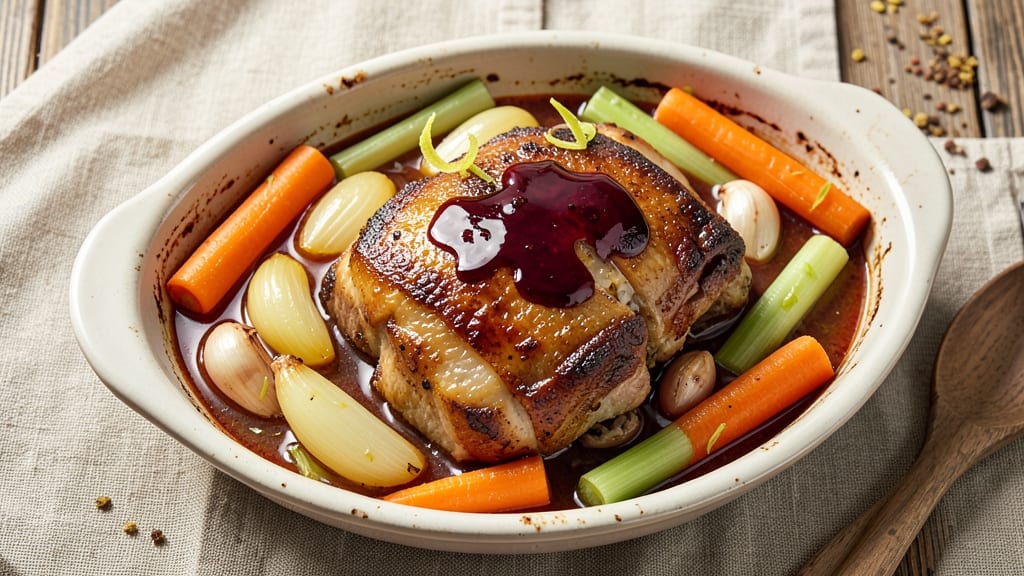
This braised pork stew transforms tough cuts into melt-in-your-mouth perfection through slow simmering and aromatic roots. 🔥 As someone who's cooked 2,000 pounds of pork weekly, I know the difference between good braising and extraordinary—this recipe delivers both depth and simplicity.
The secret lies in properly searing the pork first, creating a flavorful crust that dissolves into the broth during hours of gentle cooking.
What makes this stew special is its balance of techniques: French-inspired searing meets Southern comfort food traditions. You'll start with a well-marbled pork shoulder, browned to a golden crust, then deglaze with red wine to capture every bit of flavor.
The vegetables—carrots, onions, and celery—simmer until tender, absorbing the rich, umami-filled broth while maintaining their structure.
The result is a dish with layers of flavor: caramelized pork, tender vegetables, and a sauce so rich it coats every spoonful. This isn't just stew—it's a meal that transforms humble ingredients into something restaurant-quality.
The aroma alone will have everyone gathering at the table, and the first bite delivers on that promise of deep, satisfying flavor.
Serve it with crusty bread to soak up every last drop of that velvety sauce, or pair it with buttery mashed potatoes for a hearty weeknight dinner.
The beauty of this recipe is its versatility—make it once and you'll want to make it again and again. Let's get cooking with this timeless classic.
Ingredients for braised pork stew
Six aromatic roots, bold wine, and tender pork shoulder create restaurant-quality braised pork stew.
| Ingredient | Amount | Notes |
|---|---|---|
| Pork Shoulder 🥩 | 3 lb | Well-marbled, bone-in preferred |
| Yellow Onions 🧅 | 2 whole | Medium-sized, sliced into wedges |
| Carrots 🥕 | 4 whole | Medium-sized, cut into 2-inch chunks |
| Celery Stalks 🧆 | 4 whole | Trimmed, cut into 2-inch pieces |
| Garlic Cloves 🧄 | 6 cloves | Peeled, smashed for intense flavor |
| Red Wine 🍷 | 1 ½ cups | Bold dry variety like Cabernet |
| Beef Broth 💧 | 3 cups | Low-sodium preferred for balance |
| Tomato Paste 🍅 | 2 tbsp | Smooth, not chunky |
| Fresh Thyme 🌿 | ½ ounce | Or 1 tbsp dried thyme |
| Fresh Rosemary 🌿 | ¼ ounce | Sprigs, removed after cooking |
| Bay Leaves 🍃 | 2 whole | Dried, standard supermarket |
| Olive Oil 🫒 | ¼ cup | Extra-virgin for high smoke point |
| Kosher Salt 🧂 | 1 ½ tbsp | Diamond Crystal preferred |
| Black Peppercorns 🌶️ | 1 tsp | Freshly cracked |
| All-Purpose Flour 🌾 | 1 tbsp | For thickening if needed |
The pork shoulder is non-negotiable—look for well-marbled cuts with visible fat between the muscles at Costco or Whole Foods. Bone-in adds depth, but boneless works if you're short on time. For the vegetables, buy organic carrots and celery if possible—they stay crisper longer. The French market section of Trader Joe's often carries pre-cut mirepoix (onions, carrots, celery mix), which saves 15 minutes of chopping. Always trim the celery stalks to remove any bitter stringy bits.
No red wine? Substitute with extra beef broth plus 1 tbsp balsamic vinegar—it mimics the acidity and depth. Fresh thyme and rosemary can be swapped for 1 tbsp dried thyme and 1 tsp dried rosemary, but the flavor won't be as vibrant. For tomato paste, avoid the squeeze tubes—they often contain additives. The San Marzano brand in 6-ounce cans is worth the investment for its smooth texture. If using flour to thicken, mix it with cold water first to avoid lumps—this is a professional technique that makes all the difference.
This stew improves overnight—make it a day ahead if possible. Store in an airtight container with the lid slightly ajar to prevent condensation. Keeps for 5 days refrigerated or 3 months frozen. For freezing, portion into individual containers so you can thaw just what you need. Reheat gently on the stove—never microwave, as it can make the sauce break. The pork becomes more tender with each reheating, making leftovers even more delicious.
Why You'll Love This Recipe
- One-Pot Magic: I swear by this for lazy nights—just dump everything in one pot, walk away, and come back to fall-apart tenderness. No fancy techniques, just slow simmering while you handle life.
- Garlic Bomb Flavor: That pork shoulder gets kissed by minced garlic until the aroma hits you like a warm hug. The onions caramelize into sweetness, and the carrots stay crisp—it’s the kind of rich, savory punch that makes you forget to check the clock.
- Leftovers That Shine: This stew only gets better the next day—my freezer is always stocked because reheating turns it into an even deeper, more comforting meal. Perfect for packed lunches or when you’re too tired to cook.
- Budget-Buster Meal: Pork shoulder is cheap, and this recipe stretches it into six servings without sacrificing taste. Honestly, it’s the kind of dish that makes grocery day exciting because you know you’re getting real value.
Step-by-step instructions for braised pork stew
Transform tough pork shoulder into melt-in-your-mouth perfection through slow braising.
🍳 Step 1: Sear the Pork Shoulder for Deep Flavor
Heat the 0.25 cup olive oil in a heavy Dutch oven over medium-high heat until shimmering. Pat the 3 lb pork shoulder thoroughly dry with paper towels—this ensures maximum browning. Working in batches if needed, sear the pork on all sides until deeply golden brown, about 8-10 minutes total. Real talk: don't rush this step. The Maillard reaction happening here creates the stew's rich foundation.
Remove the pork and set it aside on a plate. You'll notice the oil will look dark and flavorful—this is exactly what you want. If the oil starts smoking excessively, reduce the heat slightly. The pork will continue cooking gently in the braising liquid, so it doesn't need to be fully cooked now.
👨🍳 Step 2: Build the Aromatic Base
In the same Dutch oven, add the sliced 2 whole yellow onions, 4 whole carrots, and 4 whole celery stalks. Cook for 5-6 minutes, stirring occasionally, until the vegetables begin to soften and release their juices. Here's where the flavor magic starts—you'll smell the sweet onions caramelizing and the celery adding earthy depth.
Add the 6 cloves garlic cloves, 2 tbsp tomato paste, 1.5 tbsp kosher salt, and 1 tsp black peppercorns. Stir for 1 minute until the tomato paste darkens slightly and the garlic becomes fragrant. This aromatic base forms the flavor backbone of your stew, so don't skip this step. If you're using fresh herbs, add the 0.5 ounce fresh thyme and 0.25 ounce fresh rosemary sprigs now.
🍷 Step 3: Deglaze and Simmer the Wine
Pour in the 1.5 cups red wine and scrape up all the browned bits from the bottom of the pot with a wooden spoon. This deglazing step captures all the meaty flavors that would otherwise burn. Let the wine simmer for 3-4 minutes until it reduces by about half and becomes slightly syrupy in consistency. You'll see the alcohol burn off, leaving behind concentrated wine flavor.
Add the 3 cups beef broth and the 2 whole bay leaves. Return the pork shoulder to the pot, placing it fat-side up. Bring the liquid to a gentle simmer—you're looking for small bubbles around the edges, not a rolling boil. This controlled simmer is crucial for tenderizing the pork without making the stew watery.
⏰ Step 4: Braise Until Fork-Tender
Cover the Dutch oven with a tight-fitting lid and transfer it to a 325°F oven. Here's the thing—low and slow is your friend. Braise for 2.5-3 hours until the pork is fork-tender. You'll know it's ready when a knife slides in and out easily, and the meat practically falls apart. The liquid should have reduced significantly but still coat the vegetables.
About 30 minutes before the pork is done, check the vegetables. If they're not tender yet, remove the pork and continue cooking the vegetables uncovered for another 10-15 minutes. The pork will stay warm while you finish the vegetables. If the stew is too thin at this point, sprinkle in the 1 tbsp all-purpose flour and stir to thicken slightly.
🥘 Step 5: Finish and Serve
Remove the pork from the stew and let it rest on a cutting board for 10 minutes. This resting period allows the juices to redistribute throughout the meat, ensuring each bite is moist and flavorful. Discard the bay leaves and fresh herb sprigs if you used them. Taste the stew and adjust the seasoning if needed—you might need a touch more salt or pepper.
Slice the pork shoulder against the grain into ½-inch thick slices. Return the pork to the stew and heat through for 2-3 minutes. Serve the stew immediately, ladling generous portions of both the pork and vegetables over crusty bread or mashed potatoes. The result should be rich, tender pork with deeply flavorful vegetables in a velvety sauce that coats every bite.
Pro Tips For Making Braised Pork Stew
- SEAR THE PORK FIRST: High heat. Seriously, crank it up until the pork shoulder develops a deep brown crust—this isn’t just for looks, it locks in flavor. I used to skip this step and ended up with bland, mushy pork. A hot pan and 5-7 minutes per side make all the difference.
- CHOP VEGETABLES UNIFORM: Carrots and celery should be cut into even ½-inch chunks, onions into ½-inch wedges—no tiny pieces, no giant hunks. My grandmother swore by this, and she was right: even cooking means no tough, underdone bits or mushy vegetables. (Yes, even if you’re impatient like me.)
- DEGLAZE WITH WINE OR BROTH: After browning the pork, don’t just splash in liquid—use a splash of red wine (or broth) first to scrape up those flavorful browned bits. I learned this the hard way when I rushed and missed out on half the depth of flavor. Let it simmer 2 minutes before adding more liquid.
- COVER AND BAKE LOW: Start with a tight lid on the Dutch oven, then switch to uncovered for the last 30 minutes. This prevents the pork from steaming into toughness and lets it crisp slightly. I was skeptical until I tried it—now I double-check the lid every time.
Perfect pairings for this braised pork stew
Bread Pairings
Nothing beats this stew with a crusty baguette—I always grab one from Whole Foods or my local bakery. The crisp exterior contrasts beautifully with the tender pork and soaks up every last drop of that rich sauce.
For a Southern twist, try cornbread—its slight sweetness complements the savory depth. I make a batch with honey and jalapeños for extra flavor. 🥖
Starch Sides
Buttery mashed potatoes elevate this stew to next-level comfort food. Use Yukon Gold potatoes and fold in sour cream and chives for extra richness. For a lighter option, garlic roasted fingerling potatoes add earthy sweetness.
My secret? Toss them in olive oil, garlic, and fresh rosemary before roasting at 425°F for 25 minutes.
Vegetable Accompaniments
Bright sautéed green beans with garlic and lemon zest cut through the richness. I like to blanch them for 3 minutes, then finish in a pan with 1 tbsp butter and 1 tsp lemon juice.
For a heartier option, roasted Brussels sprouts with balsamic glaze add a touch of sweetness. Both pair perfectly with the umami depth of the stew. 🥦
Cheese Boost
Add sharp cheddar or Gruyère to the stew in the last 10 minutes of cooking—it melts beautifully into the sauce. For a quick side, serve with cheesy grits (I use stone-ground grits cooked with butter and Parmesan).
The creamy texture balances the stew's richness while adding another layer of flavor. 🧀
Wine & Beer Pairings
A bold Cabernet Sauvignon mirrors the stew's depth, while a Malbec adds fruitiness that complements the pork. For beer lovers, a dark ale or stout (like Guinness) enhances the umami notes. I often serve this with a Pinot Noir—its acidity cleanses the palate between bites. 🍷
Herb Garnishes
Finish with fresh parsley or thyme for brightness, or a sprinkle of crispy fried onions for texture. I also love adding toasted breadcrumbs with garlic powder for crunch. These simple touches elevate the dish without overpowering the rich flavors. 🌿
Nutrition facts
Frequently asked questions
Can I use boneless pork shoulder instead of bone-in?
Yes, you can use boneless pork shoulder—it'll just cook slightly faster since there's no bone to slow heat penetration. The braising time may drop to 2-2.5 hours instead of 2.5-3 hours. For extra flavor, ask your butcher to leave a small piece of fat cap attached, as it renders beautifully during cooking.
Why does my stew turn out watery?
Watery stew usually means the liquid wasn't reduced enough or the pork wasn't properly seared. First, always simmer uncovered for the last 15-20 minutes to thicken the sauce. Second, make sure you browned the pork deeply—this creates a flavorful crust that helps emulsify the fat in the broth. If needed, mix 1 tbsp flour with 2 tbsp cold water and stir it in at the end.
Can I make this in a slow cooker?
Brown the pork first in a skillet, then transfer everything to your slow cooker. Use the low setting for 6-8 hours (high would dry it out). The slow cooker's gentle heat works perfectly for tenderizing the pork. Just check the vegetables at the 4-hour mark—they may need extra time to soften.
What's the best way to reheat leftovers?
Never microwave—it makes the sauce break and the pork dry out. Instead, reheat on the stove over medium-low heat for 10-15 minutes, stirring occasionally. The pork will actually become more tender with each reheating. If the sauce gets too thick, add a splash of beef broth or water. For maximum flavor, cover and let it sit off the heat for 5 minutes after reheating.
How do I know when the pork is done?
The pork is ready when it reaches an internal temperature of 203°F and a knife slides in and out with no resistance. For extra assurance, pull a small piece and check for tenderness—it should practically fall apart. The meat will continue cooking slightly as it rests, so don't worry if it's not completely falling apart when you first check.