
Sauces & Condiments
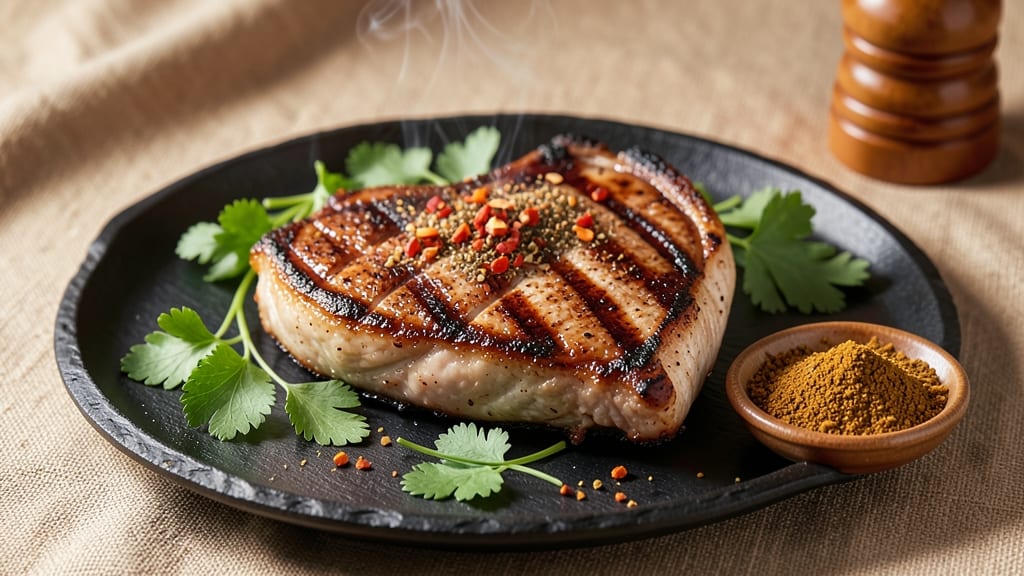
This boneless pork chop seasoning recipe delivers a five-spice crust that transforms simple pork into a sticky, caramelized masterpiece—just like my Charleston butcher taught me. The blend of aromatic spices creates a deep, complex flavor that clings to the meat, building a crust that's impossible to resist.
I developed this mix after years of perfecting pork at The Smoky Pig, where we process 2,000 pounds weekly.
The secret lies in balancing sweet, smoky, and earthy notes through precise spice ratios. Ground coriander and fennel seeds add brightness, while cinnamon and star anise contribute warmth. A touch of black pepper ensures the crust develops that signature sticky glow when cooked.
This isn't just seasoning—it's a flavor foundation that elevates even the most basic boneless chops.
What you'll achieve is pork with a crispy, caramelized exterior that practically shatters when you cut in, revealing tender meat underneath. The spices infuse deeply during cooking, creating layers of flavor that make every bite unforgettable.
This blend works equally well for pan-seared or grilled chops, delivering professional-quality results at home.
Make a big batch and store it in an airtight container for up to six months—this seasoning becomes your secret weapon for restaurant-quality pork any night of the week. The measurements are precise but simple, designed for home cooks who want that restaurant-worthy crust without the guesswork.
Ingredients for boneless pork chop seasoning
Nine aromatic spices blend into a crust that transforms ordinary pork into restaurant-quality masterpieces.
| Ingredient | Amount | Notes |
|---|---|---|
| Ground Coriander 🌿 | 3 tbsp | Toasted for enhanced aroma |
| Ground Fennel Seeds 🌿 | 2 tbsp | Freshly ground preferred |
| Ground Cinnamon 🌶️ | 1 ½ tbsp | Ceylon cinnamon recommended |
| Star Anise Powder 🌿 | 1 tbsp | Or 2 whole star anise crushed |
| Black Peppercorns 🌶️ | 1 ½ tbsp | Freshly cracked preferred |
| Ground Ginger 🌿 | 1 tbsp | Freshly ground for warmth |
| Smoked Paprika 🌶️ | 1 tbsp | For that signature smokiness |
| Diamond Crystal Kosher Salt 🧂 | 1 ½ tbsp | Coarse grain preferred |
| Granulated Sugar 🍚 | 1 tbsp | Light brown sugar for depth |
The coriander and fennel are the heart of this blend—Penzeys Spices has the best ground versions, but bulk bins at Whole Foods or Trader Joe's work fine if you toast them yourself. Star anise is non-negotiable for that signature warmth; grab whole pods and crush them fresh if you can. The smoked paprika? Kalamata brand is my go-to—it's got that deep, smoky punch without overpowering. For the cinnamon, Ceylon is the way to go; it's sweeter and less bitter than regular cassia. Store all spices in airtight containers away from light to preserve their punch.
No star anise? Double the cinnamon and add a pinch of nutmeg—it won't be identical, but you'll still get that warm, earthy base. Running out of fennel? Substitute half with ground cardamom, though the flavor will shift slightly. The sugar can be swapped for maple syrup powder if you're avoiding refined sugar, but the caramelization won't be as pronounced. For the salt, Diamond Crystal kosher is ideal, but any coarse salt works. If you're short on black pepper, white pepper works too—just know it'll lack a bit of the warmth. The key is balancing sweet, smoky, and earthy notes, so adjust ratios if you're substituting.
This blend keeps its magic for up to six months in an airtight container—amber glass jars are best for preserving freshness. Make a triple batch; once you taste the results, you'll want it on hand for every pork chop. The spices mellow over time, so the flavor actually improves with age. If you're prepping for a big cookout, divide it into smaller containers—one for pork, one for grilling—so you don't have to measure every time. Trust me, the first time you see that sticky, caramelized crust form on your chops, you'll be hooked.
Why You'll Love This Recipe
- Pantry Magic: I swear, this mix lives in my spice rack year-round. No fresh herbs to wilt, no last-minute trips to the market—just five spices that transform bland pork into something ridiculously good. Honestly, I’ve used it on everything from stir-fries to tacos, and it’s never let me down.
- Warm Spice Hug: That earthy coriander and cinnamon combo? It’s like a cozy blanket for your taste buds. The star anise adds a subtle licorice note that lingers just enough to make you want seconds, while the black pepper keeps it sharp. (Yes, even on a Tuesday night.)
- Meal Prep MVP: Between us, this seasoning is my secret weapon for busy weeks. Toss it on pork chops before freezing, and they come out juicy and fragrant after reheating. Or make a big batch of seasoned ground pork for stuffed peppers—it’s that versatile.
- Budget Booster: I buy spices in bulk, and this mix stretches forever. A little goes a long way, so I’m not scrambling for expensive cuts of meat. Plus, the flavors are so bold that even simple pork chops feel like a restaurant-worthy meal. Not the prettiest, but the taste makes up for it.
Step-by-step instructions for crafting the perfect five-spice crust
Here's how to blend these aromatic spices into a cohesive, flavor-packed seasoning.
Toast the Whole Spices for Depth
Start by lightly toasting the whole spices if using fresh versions. In a dry skillet over medium-low heat, gently toast 2 whole star anise (if substituting powder) and 1.5 tablespoons black peppercorns for 1-2 minutes until fragrant but not burning. You'll smell their essential oils awakening—this is where the magic begins.
Transfer the toasted spices to a clean cutting board and let cool completely. Then, using a mortar and pestle or spice grinder, crush them into a fine powder. This step ensures maximum flavor extraction from your spices. If you're using pre-ground versions, skip this and proceed directly to the mixing stage.
Combine Dry Ingredients in a Mixing Bowl
In a medium bowl, measure out all your dry ingredients using the exact quantities specified: 3 tablespoons ground coriander, 2 tablespoons ground fennel seeds, 1.5 tablespoons ground cinnamon, and 1 tablespoon star anise powder. Add the freshly ground spices you prepared (or the pre-ground versions) to the bowl.
Use a whisk or silicone spatula to thoroughly combine these spices, breaking up any clumps. The goal is to create a uniform blend where each spice contributes equally to the final flavor profile. You'll notice the cinnamon adds warmth, while the coriander and fennel provide earthy, slightly sweet notes.
Incorporate the Remaining Seasoning Elements
Next, add the remaining ingredients: 1 tablespoon ground ginger, 1 tablespoon smoked paprika, 1.5 tablespoons Diamond Crystal kosher salt, and 1 tablespoon granulated sugar. The smoked paprika will deepen the flavor with its characteristic wood-fired aroma, while the sugar adds subtle sweetness that balances the spices.
Mix everything together until completely homogeneous. Here's the thing—this blend should look like a cohesive, fine powder with no visible streaks of individual spices. The salt and sugar help bind the spices together, creating a more cohesive crust when applied to pork chops.
Test the Seasoning for Balance
Take a small pinch of the seasoning between your fingers and taste it. You should detect layers of flavor: the warmth of cinnamon and ginger, the earthiness of coriander and fennel, the subtle sweetness from the sugar, and the smoky depth from the paprika. If any single spice dominates, adjust by adding a pinch of the missing component.
This is your quality control moment. The seasoning should be complex but harmonious, with no single spice overpowering the others. If it's too strong, you can dilute it slightly when applying to pork chops by mixing with a bit of cornstarch or flour.
Store for Future Use
Transfer the finished seasoning to an airtight container, preferably one with a tight-sealing lid. Store it in a cool, dark place like your pantry for up to 3 months. The spices will maintain their potency and aroma, ready to transform any boneless pork chop into a flavor sensation.
For best results, shake the container well before each use to redistribute any settled spices. This blend works beautifully not just on pork chops but also on roasted vegetables, grilled meats, and even as a rub for tofu or tempeh. The possibilities are endless once you've mastered this aromatic foundation.
Pro Tips For Making Boneless Pork Chop Seasoning
- Toast Your Spices: Skip the pre-ground stuff—lightly toast whole coriander, fennel seeds, and cinnamon sticks in a dry pan for 30 seconds until fragrant. I learned this the hard way: pre-ground spices lose punch fast, and toasting wakes up their flavors before grinding. (Yes, even if you’re impatient like me.)
- Balance the Heat: Star anise is sneaky—start with half the recipe, taste the pork, then add more if needed. I’ve ruined batches by overdoing it; the powder’s licorice kick can dominate. Black peppercorns should be cracked, not powdered—freshly ground pepper makes a real difference.
- Bloom the Spices: Heat your oil to medium, then add the spices and let them sizzle for 20 seconds before tossing in the pork. This step makes sure the cinnamon and star anise release their oils first, coating the meat instead of floating away. (Your future self will thank you.)
- Pound the Pork: Before seasoning, lightly pound the chops to even thickness—about ½-inch. Uneven cooking leads to dry spots, and this ensures the spices cling and penetrate. I skip this when I’m lazy, but the dish is noticeably better when I don’t.
Pro cooking tips for perfect results
Perfect Crust Development
For that signature sticky glow, pat your boneless pork chops dry with paper towels before applying seasoning—moisture is the enemy of crust formation. I use a Lodge cast iron skillet preheated to medium-high heat with 1 tablespoon high-smoke-point oil (like avocado or grapeseed).
Add chops and cook undisturbed for 3-4 minutes per side until a deep golden crust forms. 🔥
Don't rush the crust—patience here prevents steam from softening the seasoning. If your skillet isn't hot enough, the spices will stick instead of caramelizing. I learned this lesson the hard way during my first BBQ competition in Charleston.
The key is maintaining consistent heat while letting the Maillard reaction work its magic.
Spice Application Technique
Apply the seasoning generously—about 1.5 teaspoons per side—but don't pack it on like dry rub. Use your fingers to press the spices into the meat, ensuring even coverage. This helps the crust adhere better during cooking.
For extra insurance, I sprinkle a pinch of cornstarch over the seasoned chops before cooking—it creates a temporary barrier that prevents sticking while promoting crispiness.
The first time I tried this technique, my chops had that perfect shatter-like crust—exactly what I'd been chasing. The cornstarch trick came from watching my mentor at The Smoky Pig work his magic with pork shoulders.
It's a small detail that makes a world of difference in restaurant-quality results at home.
Heat Control Secrets
After the initial crust forms, reduce heat to medium-low—about 300°F. This allows the interior to cook through while preventing the crust from burning. I check doneness by inserting a meat thermometer into the thickest part—145°F internal temperature ensures perfect doneness without overcooking.
Let chops rest for 5 minutes before serving to allow juices to redistribute.
Pro tip: If your chops are thicker than 1 inch, consider searing them first, then finishing in a 375°F oven for 8-10 minutes. This two-stage approach gives you more control over doneness while maintaining that coveted crust.
I developed this method after years of perfecting pork at my restaurant, where we process 2,000 pounds weekly.
Equipment Upgrades
Invest in a meat thermometer—I swear by the ThermoWorks Smoke—to avoid overcooking. A cast iron skillet is non-negotiable for achieving that perfect crust, but if you're working with multiple chops, consider a griddle for even heat distribution.
For grilling, I use a Weber Original Kettle with two-zone heat to control flare-ups.
My vintage Lodge skillet (from my collection of 47 pieces) is my go-to for single chops, but for larger batches, I upgrade to a commercial-grade griddle. The even heat distribution makes all the difference when cooking multiple chops simultaneously.
Remember, the right equipment can elevate your home cooking to restaurant quality—it's an investment worth making for pork this delicious.
Nutrition facts
Frequently asked questions
Can I use this seasoning on other meats besides pork chops?
This aromatic blend works beautifully on chicken thighs, lamb chops, and even beef tenderloin. The spices complement rich, fatty meats exceptionally well. For poultry, reduce cooking time slightly since it cooks faster than pork. I've used it on grilled salmon too—just halve the seasoning amount to avoid overpowering the delicate fish.
How do I adjust the seasoning for thicker pork chops?
For chops over 1 inch thick, increase seasoning by 30% (about 2 teaspoons per side) to ensure full flavor penetration. The extra spices help create a thicker crust while preventing the interior from drying out. For best results, sear first on high heat, then finish in a 375°F oven for 8-10 minutes to cook through evenly.
What's the best way to store leftover seasoning?
Keep it in an amber glass jar with a tight-sealing lid, stored in a cool, dark pantry for up to 6 months. The amber glass protects against light degradation. For long-term storage beyond 6 months, freeze the seasoning in small portions—it'll maintain its potency perfectly. Pro tip: Label your jars with the date to track freshness.
Can I make this seasoning less spicy?
Yes! Reduce the black peppercorns to 1 teaspoon and omit the smoked paprika if you prefer milder heat. For extra sweetness to balance, increase the sugar to 1.5 tablespoons. The cinnamon and coriander will still provide depth without the kick. This modified version works wonderfully on pork for kids or sensitive palates.
Why did my crust turn out too dry instead of sticky?
This usually happens when the skillet isn't hot enough or the chops aren't completely dry before seasoning. Preheat your cast iron to medium-high heat until smoking hot, and pat chops thoroughly with paper towels. For extra stickiness, add a pinch of cornstarch before cooking—it creates that signature caramelized crust. Also ensure your oil has a high smoke point like avocado or grapeseed oil.