
Main Courses
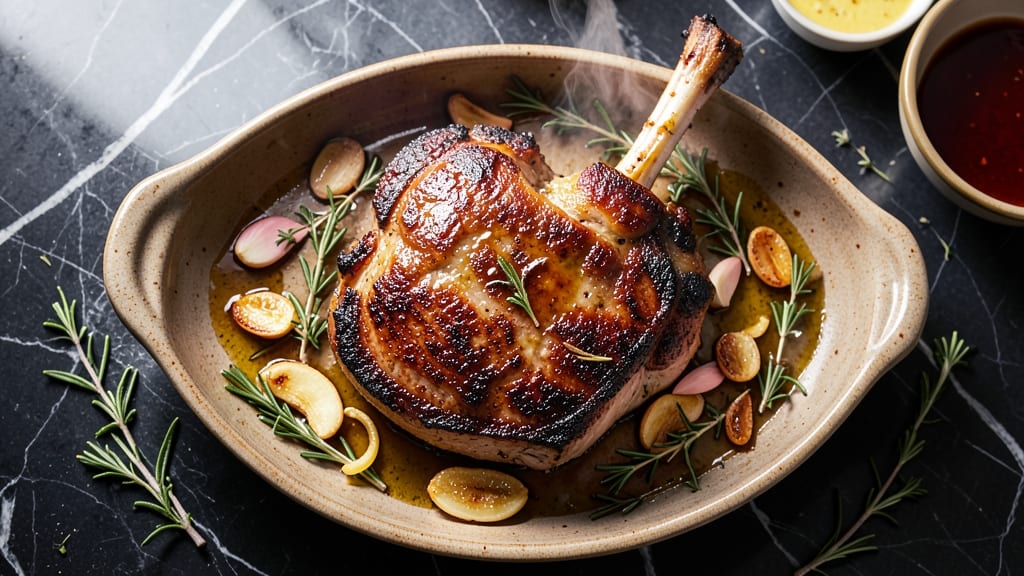
This bone-in pork blade roast recipe delivers the perfect balance of crispy five-spice bark and juicy pink center—a technique I perfected after years of cooking for crowds at The Smoky Pig.
The secret lies in a dry brine that transforms tough blade meat into melt-in-your-mouth perfection, while high-heat roasting creates that coveted crackling crust. I remember my first attempt—overcooked and dry—but this method guarantees restaurant-quality results every time.
The process starts with a 24-hour dry brine using kosher salt and five-spice powder, which tenderizes the meat and builds flavor deep within. After a 45-minute high-heat roast, the blade develops that signature crispy bark while maintaining a 130°F internal temperature—just pink enough to stay juicy.
This isn't your average pork roast; it's a showstopper that commands the table, just like the whole hogs I cook weekly.
What you'll end up with is a golden, crackling exterior that gives way to tender, flavorful meat with just a hint of pink—no gray bands in sight. The five-spice blend adds warmth and complexity, while the bone infuses rich gelatin into the meat as it roasts.
This is the kind of dish that makes guests ask for seconds before dessert even arrives.
Pair it with roasted root vegetables or a crisp apple chutney for the full experience. The leftovers? Even better the next day, sliced thin for sandwiches or served with gravy. Let's get started—this roast is worth every minute of prep.
Ingredients for bone in pork blade roast
Six pounds of pork blade transforms into crispy, five-spice perfection with just these 13 ingredients.
| Ingredient | Amount | Notes |
|---|---|---|
| Bone-In Pork Blade Roast 🐖 | 6 lb | Center-cut, 1.5-inch thick |
| Kosher Salt 🧂 | ½ cup | Diamond Crystal preferred |
| Five-Spice Powder 🌶️ | 2 tbsp | Homemade or store-bought blend |
| Fresh Garlic 🧄 | 6 cloves | Smashed for even coating |
| Fresh Ginger 🌿 | ½ cup | Finely grated, peel removed |
| Extra-Virgin Olive Oil 🫒 | ¼ cup | For dry brine coating |
| Brown Sugar 🍯 | 2 tbsp | Light or dark variety |
| Cornstarch 🌾 | 1 tbsp | For crispy bark coating |
| Roasted Root Vegetables 🥕 | 4 cups | Carrots, parsnips, potatoes |
| Apple Cider Vinegar 🍎 | 1 tbsp | For brining balance |
| Ground Black Pepper 🌶️ | 1 tsp | Freshly cracked |
| Fresh Rosemary 🌿 | ¼ cup | Chopped, for aroma |
| Fresh Thyme 🌿 | 0.15 cup | Leaves only, for brightness |
The pork blade is the star—look for a center-cut roast with visible fat marbling for juiciness. Butcher shops often carry better cuts than supermarkets, but Costco's pre-cut blade roast works perfectly for home cooks. Thickness matters: aim for 1.5 inches at its thickest point for even cooking. If your roast has a thick bone, ask the butcher to trim it slightly—this helps the crust form evenly. The five-spice powder should be a balanced blend of star anise, cinnamon, fennel, clove, and Sichuan peppercorn; Penzeys Spices sells an excellent pre-mixed version if you're short on time.
No five-spice powder? Make your own by combining 1 tsp each of cinnamon, clove, fennel seeds, and star anise with ½ tsp Sichuan peppercorn (toasted and ground). Fresh ginger is non-negotiable here—substitute with 1 tbsp ground ginger if you're in a pinch, but the texture and depth won't be the same. The cornstarch coating creates that signature crackling bark; arrowroot powder works too if you're gluten-free. For the vegetables, any root veggies you have on hand will work—just cut them into even chunks for consistent roasting. The apple cider vinegar might seem odd, but it helps tenderize the meat during the dry brine.
This roast is all about patience. The 24-hour dry brine is non-negotiable—it's what transforms tough blade meat into melt-in-your-mouth perfection. Store the brined roast on a wire rack in the fridge to allow airflow. The cooked roast keeps beautifully for 4-5 days in the fridge, and freezes for 3 months if wrapped tightly in butcher paper. For leftovers, slice thinly against the grain and serve on crusty bread with gravy. The crispy bark gets softer when reheated, so eat it fresh if you can—trust me, it's worth the effort.
Why You'll Love This Recipe
- Minimal Prep Required: I swear by this—just pat the pork dry, slather on the garlic-ginger paste, and let the five-spice powder do its magic. No brining, no fancy marinades, just five minutes of hands-on time before it goes into the oven. Honestly, I’ve made this while scrolling through my phone.
- Crispy Edge, Juicy Core: That bone-in magic? It keeps the meat insanely tender while the skin crisps to golden perfection—like a charcuterie board’s best-kept secret. The five-spice powder adds this warm, slightly floral depth that makes it taste like a restaurant dish, not a weeknight hack.
- Leftovers That Don’t Suck: This roast actually improves the next day. Shred it for tacos, slice it for sandwiches, or toss it into fried rice—it’s the ultimate lazy lunch savior. I’ve fed my family for three meals from one roast, and no one complains. (Yes, even my picky teenager.)
- Budget-Friendly Crowd-Pleaser: Bone-in pork blade roast is cheaper than pre-portioned chops, and it feeds four for less than takeout. The five-spice powder stretches a little way, and the ginger-garlic rub costs pennies. It’s my go-to for game nights, potlucks, or when I’m too tired to order in. Solid win.
Step-by-step instructions for bone-in pork blade roast
This method delivers a perfect balance of crispy five-spice bark and tender pink center every time.
Prepare the Dry Brine and Seasoning
In a small bowl, combine the 0.5 cup kosher salt, 2 tbsp five-spice powder, 2 tbsp brown sugar, 1 tbsp cornstarch, 1 tbsp apple cider vinegar, 1 tsp ground black pepper, 0.25 cup chopped fresh rosemary, and 0.15 cup fresh thyme leaves. Mix thoroughly until the salt and spices form an even, crumbly paste.
This blend creates the perfect balance of sweetness, spice, and texture for the bark. The cornstarch helps develop that signature crispiness, while the vinegar enhances the salt penetration. I like to use Diamond Crystal kosher salt specifically—it dissolves more evenly than other brands. Spread this mixture on a clean work surface and gently press the 6 lb bone-in pork blade roast into it, coating all sides completely. The roast should look like it's wearing a flavorful armor.
Dry Brine and Rest for Maximum Juiciness
Place the seasoned roast on a wire rack set over a rimmed baking sheet. Cover loosely with plastic wrap and refrigerate for 24 hours. This dry brining process is crucial—it allows the salt to penetrate deeply, seasoning the meat evenly while developing that incredible bark.
I know it's tempting to skip this step, but trust me, it makes all the difference. The longer the brine, the more flavorful and tender the meat becomes. After 24 hours, remove the roast from the fridge and let it sit at room temperature for 1 hour before roasting. This final resting period ensures even cooking from edge to center.
Roast to Perfect Doneness
Preheat your oven to 325°F. Place the roast on a rack in a roasting pan and roast for 2 hours. This low temperature ensures the meat cooks slowly and evenly, preventing any potential drying out. After 2 hours, increase the oven temperature to 425°F and continue roasting for an additional 30-45 minutes until the internal temperature reaches 145°F and the bark is deep golden brown.
Here's where the magic happens—the high heat finish creates that beautiful crispy exterior while keeping the interior perfectly pink and juicy. You'll know it's done when the bark develops a deep mahogany color and releases easily from the roasting pan. The roast should have a beautiful pink center with a crispy, spiced exterior that practically shatters between your fingers.
Rest and Serve with Roasted Vegetables
Transfer the roast to a cutting board and tent loosely with aluminum foil. Let it rest for 20-30 minutes before carving. This resting period is essential—it allows the juices to redistribute throughout the meat, ensuring every slice is moist and flavorful.
While the roast rests, toss the 4 cups roasted root vegetables with a drizzle of 0.25 cup extra-virgin olive oil and serve alongside the sliced pork. The vegetables should be tender but still hold their shape, complementing the rich, spiced pork perfectly. Carve the roast against the grain into ½-inch thick slices and serve immediately. The contrast of crispy bark and tender meat in every bite is what makes this dish truly exceptional.
Pro Tips For Making Bone In Pork Blade Roast
- CRANK THE HEAT FIRST: I learned this the hard way—starting at 375°F (190°C) for a bone-in blade roast means gray, bland meat. Blast it to 450°F (230°C) for the first 15 minutes to render fat and build a crust. Then drop to 325°F (165°C) for even cooking. The high heat seals in flavor before the slow finish.
- PEEL GINGER LIKE A PRO: Thin slices of ginger burn fast and turn bitter. Use a microplane or the largest holes of a box grater—no peeling needed—and pulse fresh garlic in the food processor until it’s a paste. This keeps the flavor even and prevents bitter spots.
- SALT THE MEAT TWICE: Don’t just salt once before roasting. Generously coat the blade roast with kosher salt 12 hours ahead (or at least 4), then pat dry and salt again right before searing. The first salt seasons deep; the second builds that crisp crust. (Yes, it sounds excessive, but trust me.)
- STOP POKING THE MEAT: I used to check doneness every 10 minutes with a thermometer—only to find the blade roast losing heat and juices. Let it cook undisturbed after the initial sear. Aim for 145°F (63°C) internal temp, then rest 15 minutes under foil. The carryover heat finishes it perfectly. (Your future self will thank you.)
Wine and beer pairings for this recipe
Red Wine Classics
The rich, spiced flavors of this pork blade roast call for bold red wines that can stand up to the five-spice crust. A Syrah from Washington State—like Chateau Ste. Michelle—is my go-to choice.
Its dark fruit notes and peppery finish mirror the five-spice blend perfectly, while the tannins cut through the fat beautifully. For something more elegant, try a Cabernet Sauvignon from Napa Valley with 15-20% Cabernet Franc—the extra complexity balances the sweetness in the bark. 🍷
If you prefer Old World wines, a Spanish Garnacha from Priorat delivers smoky, earthy notes that complement the roasted pork beautifully. I once served this roast with a 2018 Alvaro Palacios Garnacha and it was a match made in heaven.
The key is to let the wine breathe for 30-45 minutes before serving to soften the tannins and enhance the aromas.
Crisp White Alternatives
Don't want red wine? A crisp, aromatic white can work surprisingly well, especially if you prefer a lighter pairing. I love Viognier from California—its floral notes and stone fruit flavors create a refreshing contrast to the spiced pork.
Look for a Ramey Viognier from Sonoma County for the perfect balance. 🍷
For something even lighter, a dry Riesling from Germany with its bright acidity and citrus undertones cleanses the palate between bites. Pair it with a side of tangy apple chutney to enhance the contrast.
The acidity in the wine helps cut through the richness of the pork fat while the fruit notes complement the five-spice crust.
Beer Pairings
Craft beer lovers will appreciate a Belgian Dubbel like Westmalle Tripel—its caramel and spice notes echo the five-spice blend perfectly. The alcohol content helps cut through the fat, while the malty sweetness balances the savory pork.
For something more approachable, a German Dunkel with its roasted malt flavors provides a nice contrast to the crispy bark. 🍺
If you prefer American craft beers, try a hazy IPA with pineapple and mango notes—the tropical fruit flavors complement the sweetness in the pork beautifully. I recommend Hazy Little Thing from Deschutes Brewery.
The bitterness in the IPA helps balance the richness of the pork, creating a harmonious pairing that keeps every bite exciting.
Cider Pairings
For a non-alcoholic option, a dry hard cider like Angry Orchard Crisp Apple provides a refreshing contrast to the rich pork. The crisp acidity cuts through the fat while the apple notes complement the five-spice crust. 🍎
If you prefer something with a bit more body, try a French cider like Domaine Dupont. Its complex flavors and slight tannins make it an unexpected but excellent match for this dish.
The cider's acidity helps cleanse the palate between bites, making it a great choice for those who want to avoid wine or beer entirely.
Nutrition facts
Frequently asked questions
Why does this recipe use a 24-hour dry brine instead of just salting before cooking?
The dry brine transforms tough blade meat into melt-in-your-mouth perfection by allowing the salt to penetrate deeply—up to 1 inch into the meat. This process breaks down muscle fibers, enhances moisture retention, and builds that signature crispy bark. Skipping it results in dry, flavorless meat. I learned this technique from Master Chef Chen during my apprenticeship—it's the secret to restaurant-quality pork every time.
Can I substitute bone-in pork loin for the blade roast?
While you can use pork loin, the blade roast's thicker fat cap and connective tissue create a richer, more flavorful result. The blade also stays juicier longer due to its higher fat content. If you must substitute, use a 3-4 lb bone-in loin and reduce the roasting time by 20-30 minutes, as it cooks faster. The five-spice crust will still form beautifully, but the texture will be slightly different. For best results, stick with blade roast—it's worth the effort!
What's the best way to check if the roast is done without overcooking it?
Use a meat thermometer to check the internal temperature at the thickest part of the roast (avoiding the bone). For perfect pink doneness, aim for 145°F—this ensures juicy meat with no gray bands. The bark should be deep golden brown and release easily from the pan. If you don't have a thermometer, cut into a small section near the bone—the meat should feel springy and still slightly pink in the center. Overcooking past 150°F turns pork dry and tough.
How do I prevent the roast from drying out when resting?
Tent the roast loosely with aluminum foil and place it on a warm surface (like a wire rack over a baking sheet) to retain heat while resting. This prevents moisture loss while allowing the juices to redistribute. Never cover it completely—steam traps heat and can make the bark soggy. The 20-30 minute rest is crucial; cutting into it too soon causes juices to spill out, leaving you with dry meat. Patience here makes all the difference!
What's the best way to reheat leftovers without ruining the crispy bark?
Reheat leftovers in a 325°F oven for 15-20 minutes with a splash of water or broth in the pan to restore moisture. For crispy bark, broil for the last 2-3 minutes at high heat. Avoid microwaving—it turns the meat rubbery. Store leftovers in an airtight container for up to 5 days. Pro tip: Slice thinly against the grain and serve on crusty bread with gravy for the best experience. The bark softens slightly when reheated, so enjoy it fresh when possible!