
Main Courses
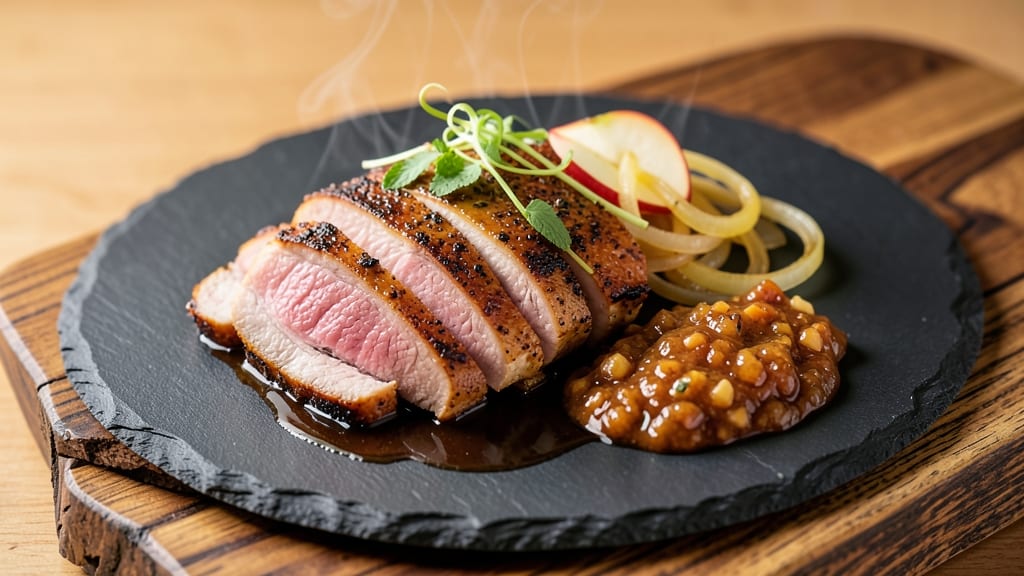
This apple chutney recipe for pork tenderloin transforms a simple weeknight meal into a restaurant-worthy centerpiece. The sweet-tangy glaze caramelizes beautifully on the edges while keeping the pork tender and juicy inside—exactly how I serve it at The Smoky Pig when I want to impress without fuss.
The chutney's balance of sharp vinegar and caramelized apples cuts through the richness of the pork, creating harmony in every bite.
What sets this recipe apart is the foolproof technique for achieving perfectly seared edges while maintaining a moist interior. I've cooked pork tenderloin thousands of times, and this method—starting with a hot pan, then finishing in the oven—never fails.
The chutney comes together in just 20 minutes while the pork rests, making it the ideal make-ahead component for a stress-free dinner.
By the time you plate this dish, you'll have golden-brown pork with crisp edges and a glossy chutney that glistens under the light. The apples soften just enough to release their natural sweetness while retaining texture, creating a sauce that's both elegant and approachable.
This is the kind of meal that makes you look like a culinary pro—even when you're cooking for friends.
The best part? Leftovers reheat beautifully, and the chutney keeps well in the fridge for up to five days. Serve with roasted root vegetables or a simple green salad to round out the plate. Here's how to make it—step by step—so you can create this showstopper at home.
Ingredients for apple chutney recipe for pork tenderloin
Sweet-tangy chutney meets tender pork—here's what you'll need to create this restaurant-worthy dish.
| Ingredient | Amount | Notes |
|---|---|---|
| Pork Tenderloin 🥩 | 1 ½ lb | Center-cut for even cooking |
| Apples 🍎 | 2 medium | Honeycrisp or Fuji, peeled/cored |
| Yellow Onion 🧅 | 1 whole | Medium size, thinly sliced |
| Fresh Ginger 🌿 | 1 inch | Peeled, thinly sliced |
| Apple Cider Vinegar 🍏 | ¼ cup | Brut unfiltered preferred |
| Granulated Sugar 🍬 | ½ cup | Light brown sugar works too |
| Olive Oil 🫒 | 2 tbsp | Extra-virgin for richness |
| Salt 🧂 | 1 tsp | Diamond Crystal preferred |
| Black Pepper 🌶️ | ½ tsp | Freshly ground for best flavor |
| Fresh Thyme 🌿 | 2 sprigs | Or 1 tsp dried thyme |
| Garlic Cloves 🧄 | 3 cloves | Minced for chutney |
| Honey 🍯 | 1 tbsp | Wildflower preferred |
The apples make or break this chutney. Honeycrisp or Fuji are my go-tos—they hold their shape while caramelizing beautifully. If you can't find them, Gala or Braeburn work too. For the pork, center-cut tenderloin is key—it's more uniform and less likely to have connective tissue. Grab one from Whole Foods or your local butcher—they'll often trim it to your preferred length. The ginger should be fresh, not powdered—Trader Joe's sells great organic ginger that's perfect for this. If you're feeling fancy, add a pinch of cinnamon to the chutney for depth.
No Honeycrisp apples? Granny Smith adds tartness that balances the sweetness perfectly. Short on apple cider vinegar? White wine vinegar or balsamic works in a pinch, though the flavor will differ slightly. The chutney can be made a day ahead—it actually tastes better after the flavors meld. For the pork, if you can't find center-cut, ask your butcher for the straightest piece they have. The thyme can be swapped for rosemary or sage if you're out, but thyme's earthy notes complement the apples beautifully. And if you're worried about the sugar caramelizing too much, reduce the heat when simmering the chutney.
The chutney keeps for 5 days in the fridge, sealed tightly in a jar. The pork reheats beautifully—just warm it in the oven at 300°F for 10-15 minutes, covered with foil. For a stress-free dinner, prep the chutney the night before and let the pork rest at room temperature for 30 minutes before cooking. The apples soften as they sit, so if you're making this ahead, peel and core them last minute to keep them crisp. Store any leftovers in an airtight container—both the chutney and pork freeze well for 3 months if needed.
Why You'll Love This Recipe
- Foolproof Protein Roast: I swear by pork tenderloin here—it’s lean, cooks fast, and never dries out. No need to fuss with marinating overnight; just sear it, add the chutney, and let the oven do the work while I chop veggies for the side.
- Sweet-Savory Magic: That apple chutney—tangy from the vinegar, bright from the ginger, with just enough caramelized onion—transforms plain pork into something ridiculously good. Honestly, the first time I tasted it, I nearly licked the pan.
- Weeknight to Weekend: This dish works for everything: a quick Tuesday dinner, a showstopper for guests, or packed lunches (yes, the chutney stays fresh for days). I’ve even served it at potlucks—people always ask for the recipe.
- Leftovers That Don’t Suck: The chutney thickens beautifully when reheated, and sliced pork stays juicy. I make double batches—one for dinner, one for sandwiches the next day. Budget win? Absolutely. Time win? Even better.
Step-by-step instructions for sweet-tangy apple chutney glazed pork
Here's how to create a perfectly balanced chutney that caramelizes beautifully while keeping the pork juicy and tender.
Prepare the Pork Tenderloin for Even Cooking
Pat the 1.5 lb pork tenderloin completely dry with paper towels, focusing on the surface and any crevices. This step is crucial—moisture creates steam that prevents proper browning. Place the pork on a cutting board and make a few shallow slashes along one side using a sharp knife, being careful not to cut all the way through. These slashes help the chutney penetrate the meat during cooking.
Season the pork generously with 1 tsp salt and 0.5 tsp black pepper, pressing the seasoning into the meat so it adheres evenly. Let it sit at room temperature for 15-20 minutes before cooking. This resting period ensures even cooking from edge to center, preventing any potential cold spots that could make the meat tough.
Build the Chutney Base with Aromatics
Heat 2 tbsp olive oil in a large skillet over medium heat. Add the thinly sliced 1 whole yellow onion and cook for 4-5 minutes until softened and just beginning to turn golden. Add the 1 inch fresh ginger and 3 cloves garlic cloves, stirring constantly for 1 minute until fragrant. Here's where the magic happens: the ginger and garlic should sizzle slightly but not burn—this ensures their flavors infuse the chutney without bitterness.
Remove the skillet from heat and stir in 0.25 cup apple cider vinegar, scraping up any browned bits from the bottom of the pan. These bits, called fond, are packed with flavor. Return the skillet to medium heat and add 0.5 cup granulated sugar, stirring until it dissolves completely. This step creates the perfect balance between sweet and tangy that defines the chutney.
Simmer the Chutney Until Thick and Glossy
Add the 2 medium apples, cut into small chunks, and the 2 sprigs fresh thyme to the skillet. Return the heat to medium-low and let the mixture simmer uncovered for 10-12 minutes, stirring occasionally. You'll notice the apples soften and the mixture thickens as the liquid reduces. The chutney should coat the back of a spoon with a glossy sheen—this indicates it's reached the right consistency.
After 10 minutes, stir in 1 tbsp honey and continue simmering for another 2-3 minutes. Taste the chutney and adjust the seasoning if needed—you might want to add a pinch more salt or sugar to achieve the perfect balance of sweet, tangy, and savory flavors. The chutney should be thick enough to coat the back of a spoon but still have a slight sheen, indicating it's ready to glaze the pork.
Sear and Glaze the Pork to Perfection
Increase the heat to medium-high and add the seasoned pork tenderloin to the skillet with the chutney. Spoon the chutney mixture over the pork, making sure it's well-coated on all sides. Let the pork sear for 2-3 minutes on each side until it develops a golden-brown crust. This crust is essential for trapping moisture and adding texture.
Once the pork has seared, reduce the heat to medium-low and cover the skillet with a lid. Let the pork cook for an additional 8-10 minutes, spooning the chutney over it occasionally. The pork is done when it reaches an internal temperature of 145°F and the juices run clear when pierced with a meat thermometer. The chutney should be thick and sticky, clinging beautifully to the pork.
Rest and Serve for Maximum Tenderness
Transfer the pork to a cutting board and let it rest for 5-10 minutes before slicing. This resting period allows the juices to redistribute throughout the meat, ensuring each slice is moist and tender. While the pork rests, you can keep the chutney warm in the skillet over low heat if you plan to serve it immediately.
Slice the pork into ½-inch thick medallions and drizzle generously with the remaining chutney. The chutney should glaze the pork beautifully, adding a sweet-tangy contrast to the tender meat. Serve with roasted vegetables or a fresh salad to complete the meal. The combination of the caramelized edges and the juicy interior makes this dish truly exceptional.
Pro Tips For Making Apple Chutney Recipe For Pork Tenderloin
- Sear the Pork First: Get that pan screaming hot—think 450°F—and sear the pork tenderloin for 3-4 minutes per side before roasting. I used to skip this, and the chutney would just sit there while the meat stayed bland. The crust locks in flavor and handles the tangy apple chutney like a champ.
- Peel and Dice Apples Fast: Use a mandoline for even slices, then chop into small cubes—no bigger than ¼ inch. I learned this the hard way: big chunks make the chutney look messy and cook unevenly. Also, toss the diced apples in a splash of vinegar right away to keep them from browning while you prep the rest.
- Simmer the Chutney Low: Once the chutney hits a boil, drop the heat to a gentle simmer and let it bubble away uncovered. I’ve seen people walk away and burn it, or worse, turn it into mush by boiling too hard. Ten minutes of steady simmering builds depth—don’t rush it.
- Rest the Meat Under Foil: Pull the pork at 145°F and tent it loosely with foil for 5-10 minutes. I know, I know—you want to cut into it immediately. But resting keeps it juicy, and the chutney’s acidity will pull moisture out if you slice too soon. Trust me, it’s worth the wait.
Troubleshooting this dish
Pork Overcooking
The most common mistake with pork tenderloin is overcooking it past 145°F internal temperature, which turns it dry and tough. I've seen this happen when people rely on visual cues like color instead of a meat thermometer.
The chutney's sweetness can't save overcooked pork—it'll taste like shoe leather. Always use a thermometer and remove the pork 5°F below the target temp, then let it rest. 🌡️
Chutney Too Thin
If your chutney turns out too watery, it won't properly glaze the pork. This usually happens when you don't simmer it long enough or use too many apples. My trick? Reduce the heat to low and simmer uncovered for an extra 5-8 minutes, stirring occasionally.
For a quick fix, mix 1 tsp cornstarch with 1 tbsp cold water, stir it in, and cook for 1 more minute until thickened. The chutney should coat the back of a spoon with a glossy sheen.
Uneven Browning
Pork that browns unevenly often means the chutney wasn't distributed properly during searing. I've found that using a long-handled spoon to continuously spoon chutney over the pork while searing creates even caramelization.
Also, make sure your skillet is hot enough—if it's too cool, the chutney will steam instead of caramelize. A cast iron skillet is ideal for this, as it retains heat better than stainless steel.
Chutney Too Tart
The vinegar can sometimes overpower the sweetness, especially if you used a stronger vinegar like balsamic. To fix this, add 1-2 tbsp more honey and simmer for 2 more minutes.
If the chutney is already too tart, you can balance it by adding a pinch of salt (which enhances sweetness) or a small piece of fresh ginger (about ½ inch) to mellow the acidity.
Taste as you go—this chutney should dance between sweet and tangy, not lean too heavily on either.
Pork Slices Falling Apart
If your pork slices are falling apart when you cut them, it's likely because the meat wasn't rested long enough after cooking. The resting period is non-negotiable—it allows the muscle fibers to relax and the juices to redistribute.
I recommend resting the pork for 10 full minutes before slicing. Also, make sure you're slicing against the grain for cleaner cuts. Use a sharp chef's knife and cut into ½-inch thick medallions for the best texture.
Chutney Sticking to Skillet
If the chutney sticks to the bottom of your skillet, it's usually because the sugar caramelized too much or the heat was too high. To prevent this, keep the heat at medium-low when simmering the chutney.
If it does stick, add 1-2 tbsp water or apple cider to the skillet, scrape up the stuck bits, and let it simmer for another 1-2 minutes to incorporate.
A non-stick skillet can help, but I prefer the deeper flavor you get from cast iron—just be more careful with the heat.
Nutrition facts
Frequently asked questions
Can I substitute regular apples for Honeycrisp in the chutney?
While Honeycrisp or Fuji apples work best for their balance of sweetness and texture, Granny Smith adds wonderful tartness that pairs beautifully with pork. For a milder flavor, try Gala or Braeburn. Just remember—tart apples like Granny Smith may need an extra ½ tsp sugar to balance the acidity in the chutney.
How do I adjust this recipe for a larger group?
For 6 servings, double all ingredients—including the 3 lb pork tenderloin—but use two skillets if needed. The key is maintaining the same proportions: 1 cup chutney per pound of pork. Cook the pork in batches if your skillet can't handle the full amount, searing each piece until golden before finishing in the oven at 375°F for 12-15 minutes.
Can I make the chutney ahead of time?
Yes! The chutney actually tastes better after flavors meld. Make it 1-2 days ahead and store it in an airtight jar in the fridge. Reheat gently in a saucepan over low heat until warm, stirring occasionally. For extra shine, add 1 tsp water while reheating. The pork should be seasoned and rested just before cooking to maintain its juiciness.
What's the best way to reheat leftovers?
Slice the pork and chutney separately. Reheat pork in an oven-safe dish at 300°F for 10-15 minutes, covered with foil, until warmed through. Warm the chutney in a small saucepan over low heat, stirring until glossy. For best results, combine them fresh—leftovers reheated together can make the pork slightly dry. The chutney keeps for 5 days in the fridge.
Can I grill this instead of pan-searing?
Grilling works beautifully for this dish. Brush the pork with 1 tbsp olive oil and grill over medium-high heat for 3-4 minutes per side, then move to medium heat and baste with chutney for 8-10 minutes until 145°F. For extra flavor, add ½ cup chutney to the grill grates and let it smoke slightly before basting. The smoky notes complement the sweet-tangy glaze perfectly.