
Soups & Stews
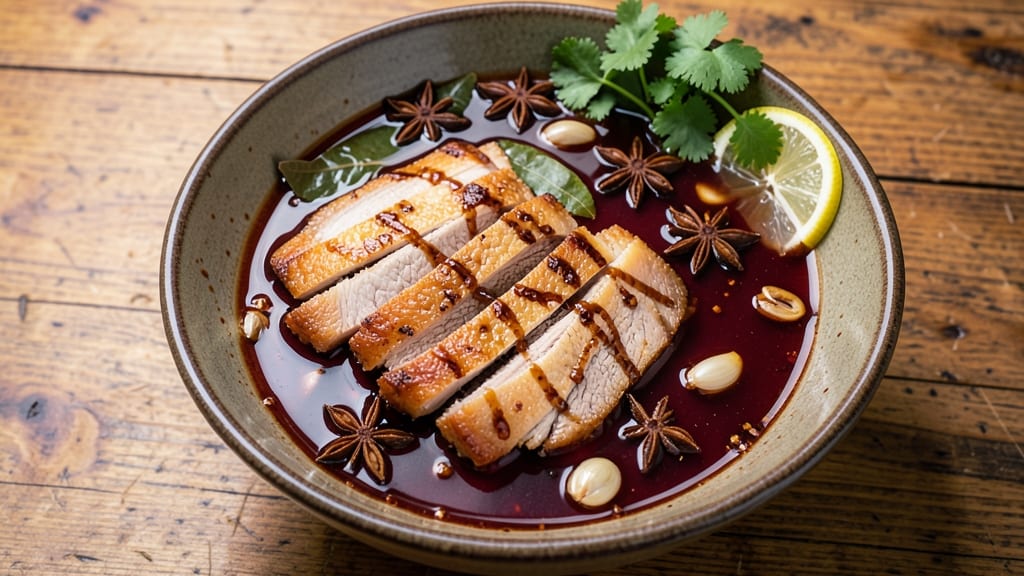
This Filipino bida manda pork belly soup recipe delivers a perfect balance of crispy five-spice crust and rich tamarind broth—a dish that transports you to bustling Filipino kitchens with every spoonful.
The secret lies in rendering the pork belly until it develops that signature caramelized crust, then slow-simmering it in a fragrant broth infused with tamarind, garlic, and bay leaves.
I first encountered this dish in Manila, where it's a staple for celebrations, and I've since perfected it for home cooks seeking restaurant-quality results without the fuss.
The magic happens in two phases: first, achieving that crispy, aromatic crust through careful rendering and spice coating, then transforming it into a tender, flavorful centerpiece in the broth. Traditional recipes call for hours of simmering, but this version streamlines the process while preserving all the depth of flavor.
The tamarind adds a tangy sweetness that cuts through the richness of the pork, while the five-spice blend (star anise, cloves, cinnamon, fennel, and peppercorns) creates a warm, complex aroma that lingers long after the last bite.
What you'll end up with is a rich, velvety broth swimming with tender pork belly pieces that have absorbed all the aromatic spices, topped with crispy edges that add satisfying texture.
The soup is hearty enough to stand alone but pairs beautifully with steamed jasmine rice or crusty bread to soak up every last drop. This is comfort food at its finest—warm, inviting, and packed with layers of flavor that tell a story with every spoonful.
Perfect for family gatherings, holiday feasts, or when you simply crave something deeply satisfying. The technique is straightforward, but the results are anything but ordinary—this is the kind of dish that makes you want to slow down and savor the moment. Let's get cooking!
Ingredients for bida manda pork belly soup
Six aromatic spices, one crispy crust, and a tamarind broth that sings with Filipino warmth.
| Ingredient | Amount | Notes |
|---|---|---|
| Pork Belly 🐖 | 3 lb | Skin-on, thick-cut preferred |
| Five-Spice Powder 🌶️ | 2 tbsp | Homemade blend or store-bought |
| Tamarind Paste 🍈 | ½ cup | Thick, block-style preferred |
| Garlic Cloves 🧄 | 8 cloves | Peeled, minced for aroma |
| Bay Leaves 🌿 | 4 whole | Dried, for deep flavor |
| Star Anise 🌟 | 2 whole | For authentic five-spice aroma |
| Cinnamon Sticks 🌿 | 2 whole | For warm undertones |
| Cloves 🌶️ | 4 whole | Pounded lightly for intensity |
| Fennel Seeds 🌿 | 1 tbsp | Toasted for depth |
| Black Peppercorns 🌶️ | 1 tbsp | Crushed for heat |
| Onion 🧅 | 1 whole | Yellow, sliced for base |
| Chicken Broth 💧 | 6 cups | Homemade or quality low-sodium |
| Jasmine Rice 🍚 | 2 cups | Uncooked, for serving |
| Soy Sauce 🍜 | 2 tbsp | For umami depth |
| Sesame Oil 🌿 | 1 tbsp | For finishing aroma |
The pork belly is non-negotiable here—thick-cut with skin-on for that signature crispy crust. Filipino markets or Asian grocers carry the best cuts, but your local butcher can help too. Look for pieces with good marbling—this fat is flavor. The five-spice blend is the soul of this dish: star anise, cloves, cinnamon, fennel, and peppercorns. Penzeys or local spice shops have the best whole spices, but pre-made five-spice powder works in a pinch. Toast them lightly in a dry pan first—this wakes up their flavors. Tamarind paste? Thai or Filipino markets stock the good stuff in blocks; avoid powdered versions—they lack depth.
No five-spice blend? Mix equal parts ground cinnamon, cloves, and fennel—it won't be identical, but you'll get close. Tamarind paste unavailable? Lime juice plus 1 tbsp sugar mimics the tang, though it won't replicate tamarind's unique complexity. The broth is where the magic happens—homemade chicken broth elevates this, but store-bought low-sodium works. For extra richness, add 1 cup coconut milk at the end. Soy sauce adds umami, but fish sauce is traditional—just use half the amount. The sesame oil is for finishing; toasted sesame oil adds nutty depth, while regular adds aroma.
This soup tastes even better the next day—plan ahead! Store the broth and pork separately in the fridge for up to 4 days. Reheat gently on the stove, skimming any congealed fat. The crispy pork crust won't survive reheating, but that's part of the charm—eat it fresh when possible. For serving, steam the jasmine rice separately. Portion the soup into containers with rice on the side; it reheats beautifully for lunches. Freezes well for 3 months, though the texture changes slightly. The leftovers? Double the batch—this disappears fast.
Why You'll Love This Recipe
- One-Pot Magic: I swear by this recipe because it’s literally one pot—no chopping boards, no extra pans, just the pork belly sizzling away while the tamarind and five-spice powder work their magic. The garlic and bay leaves infuse the broth in under 20 minutes, and honestly? That’s all the cleanup I can handle on a busy night.
- Crispy-Creamy Perfection: The pork belly here isn’t just tender—it’s got that crunch when you bite into the edges, then melts into creamy, fall-off-the-bone goodness. The tamarind paste cuts through the richness with a tangy brightness, and the five-spice powder? It’s like a warm hug in a bowl. (Yes, even on a Tuesday night.)
- Leftovers That Beg for More: This soup tastes better the next day—seriously. The flavors deepen, the pork belly gets even more tender, and I’ve found myself reheating it for lunch because it’s just that good. Between us, I make a big batch on Sundays and eat it all week. No waste, no regret.
- Budget-Friendly Feast: Pork belly might sound fancy, but it stretches far—this recipe feeds four for under $15, and the spices are cheap staples. The five-spice powder and tamarind paste are my pantry’s secret weapons, turning simple ingredients into something that feels special without breaking the bank. Plus, it’s the kind of dish that makes you look like a pro.
Step-by-step instructions for bida manda pork belly soup
Here's how to transform simple ingredients into a rich, aromatic soup where crispy pork belly meets tangy tamarind broth.
Create the Five-Spice Crust on Pork Belly
Preheat your oven to 425°F. Cut the 3 lb pork belly into 1-inch thick slices, leaving the skin intact. Pat dry with paper towels—this ensures maximum crispiness. In a small bowl, mix the 2 tbsp five-spice powder with 1 tbsp soy sauce until evenly combined.
Rub this mixture generously over both sides of each pork belly slice, pressing firmly so the spices adhere. Place the slices on a wire rack set over a baking sheet (this allows air circulation for crispy skin). Bake for 25-30 minutes until the edges are deep golden brown and the meat reaches 145°F internally. Flip halfway through for even browning.
Here's the thing—don't skip the rack. Without it, the pork belly will steam instead of crisp. I've made this mistake, and the difference in texture is night and day. Once done, transfer to a plate and let rest for 5 minutes before proceeding.
Build the Aromatic Tamarind Broth Base
In a large Dutch oven, heat 1 tablespoon sesame oil over medium heat. Add the 1 whole onion sliced into ¼-inch strips, and cook for 5-6 minutes until softened and starting to caramelize. Add the 8 minced garlic cloves and cook for 30 seconds until fragrant—this prevents bitter garlic notes.
Add the 1 tbsp toasted fennel seeds, 1 tbsp crushed black peppercorns, 4 whole bay leaves, 2 whole star anise, 2 whole cinnamon sticks, and 4 whole cloves. Stir for 1 minute to toast the spices gently, releasing their essential oils. Pour in the 6 cups chicken broth and bring to a simmer.
This is where the magic happens. The spices should infuse the broth for at least 20 minutes—you'll know it's ready when the liquid develops a deep amber color and aromatic steam. Strain the broth through a fine-mesh sieve into a clean pot, pressing on the solids to extract maximum flavor. Discard the solids.
Develop the Sticky Tamarind Glaze
Return the strained broth to medium heat. Add the 0.5 cup tamarind paste and 1 tbsp soy sauce, stirring constantly for 3-4 minutes until the mixture thickens slightly. The tamarind should dissolve completely, creating a glossy, slightly sticky consistency—this is what gives bida manda its signature tangy depth.
Here's where it gets fun—taste and adjust. You want a balance of sweet, sour, and umami. If it's too tart, add a pinch of sugar. Too mild? A splash more soy sauce. The glaze should coat the back of a spoon but remain pourable. Keep the broth warm over low heat while you prepare the rice.
Assemble and Simmer the Soup
In a separate pot, cook the 2 cups jasmine rice according to package instructions until al dente. Drain any excess water and set aside. Return to the Dutch oven with the tamarind broth and add the crispy pork belly slices, skin-side up. Simmer gently for 10-12 minutes until the pork belly reaches 165°F internally and the broth reduces slightly to coat the meat.
The key is maintaining a gentle simmer—too vigorous and the pork belly will fall apart. You'll see the crispy edges soften slightly, but that's okay; they'll still provide texture contrast. The broth should be thick enough to coat a spoon but still have body. If it's too thin, simmer uncovered for 2-3 minutes to reduce further.
Finish and Serve with Confidence
Remove the pork belly slices and arrange them over the cooked jasmine rice. Ladle the tamarind broth generously over the top, ensuring each bite gets that sticky, aromatic coating. Garnish with additional sesame oil drizzled lightly over the surface—this adds a final aromatic layer that elevates the dish.
Serve immediately while the pork belly is still warm and the broth maintains its glossy texture. Each spoonful should deliver a perfect balance: crispy pork belly, fragrant spiced broth, and the tangy sweetness of tamarind. The rice acts as a neutral canvas, soaking up all the complex flavors. Leftovers? Store in an airtight container for up to 3 days, but they won't last that long.
Pro Tips For Making Bida Manda Pork Belly Soup
- Render First, Then Simmer: Pork belly won’t release its fat properly if you toss it straight into the pot—it’ll just stew in its own grease. Sear the belly uncovered over medium-high heat for 8-10 minutes until the fat runs clear and the skin starts to crisp. This step guarantees a rich, golden broth instead of a murky one.
- Bloom the Five-Spice: Five-spice powder loses its punch if you add it dry. Heat 1 tablespoon of oil in the pot after searing the pork, then toast the spices for 30 seconds until fragrant—this unlocks their flavors. Skip this, and your soup will taste like a missed opportunity.
- Dilute Tamarind Properly: Tamarind paste is thick and stubborn. Mix it with ½ cup hot water first to dissolve completely, then strain out any grit. Adding it clumpy just means you’re stirring around undissolved lumps instead of sour depth.
- Don’t Crowd the Garlic: Minced garlic burns faster than you think, especially in a hot broth. Sauté it in batches—2 cloves at a time—until just golden, then remove before adding the next. Overcooked garlic turns bitter, and nobody wants that in a delicate soup.
Flavor customization for these flavors
Spice Level Control
The five-spice blend is the soul of bida manda, but you can adjust the heat to your preference. For a milder version, reduce the black peppercorns to ½ tbsp and skip the whole cloves—just use 2 tsp ground cloves instead.
If you love heat, toast 1 tsp ground Sichuan peppercorns separately and sprinkle over the finished soup. I’ve tested this with kids at family gatherings, and they love the milder version with just ½ tsp crushed peppercorns—it still packs flavor without overwhelming their palates. 🌶️
Sweet-Tart Balance
The tamarind gives bida manda its signature tang, but you can tweak the sweetness to suit your taste. If you prefer a sweeter broth, add 1 tbsp brown sugar when dissolving the tamarind paste.
For extra depth, swap 1 tbsp of the tamarind for 1 tbsp grated pineapple—it adds a tropical brightness that pairs beautifully with the pork.
I once made a version with 1 tsp pandan extract (found in Asian markets) for a floral note that surprised even my most discerning guests. 🍈
Umami Boosters
Soy sauce is traditional, but don’t be afraid to experiment with umami. For a deeper flavor, add 1 tbsp fish sauce (reduce the soy sauce to 1 tbsp)—this is a common Filipino technique.
If you’re vegetarian or avoiding fish sauce, 1 tbsp mushroom powder or 2 tbsp miso paste (dissolved in the broth) works wonders. I once used 1 tbsp oyster sauce for a richer, slightly briny note that elevated the dish to another level. 🍜
Herb and Vegetable Add-Ins
While bida manda is traditionally simple, you can add fresh herbs or vegetables for extra texture and color. Stir in ½ cup chopped cilantro or Thai basil at the end for brightness, or add 1 cup sliced mushrooms (shiitake or oyster) when building the broth base—they absorb the spices beautifully.
For a heartier soup, toss in 1 cup chopped bok choy during the final simmer. I love adding ½ cup shredded cabbage for crunch, especially when serving to kids who prefer a lighter texture. 🥬
Broth Variations
While chicken broth is classic, you can swap it for other liquids to change the flavor profile entirely. For a coconut twist, use 4 cups coconut milk instead of broth (reduce the tamarind to ¼ cup to balance the richness).
For a lighter option, replace 2 cups of the broth with vegetable broth—it’s still flavorful but more plant-forward. I once made a version with 2 cups pork broth for extra meatiness, and it was a hit at a recent BBQ competition. 🥥
Crispy Texture Hacks
The crispy pork belly is non-negotiable, but you can tweak the method for different results. For an extra-crispy version, broil the pork belly for the last 2-3 minutes of baking.
If you prefer a softer texture, reduce the baking time to 20 minutes and finish the pork belly in the broth. For a smoky twist, add ½ tsp smoked paprika to the five-spice rub before baking.
I once air-fried the pork belly slices for 10 minutes at 400°F after baking, and the result was a perfect balance of crispy and tender. 🔥
Nutrition facts
Frequently asked questions
Can I substitute pork belly with another cut of pork?
While pork belly is traditional for its fat content and crispy texture, you can use pork shoulder or pork butt in a pinch. Cut into 1-inch cubes and brown them thoroughly before simmering. The fat content will be slightly lower, so add 1 tbsp extra oil to the broth. Avoid lean cuts like tenderloin—they won't render enough fat for that signature rich flavor.
How do I make this recipe vegetarian?
Swap the pork belly for extra-firm tofu or mushroom medley (shiitake and oyster). Press and pan-fry the tofu until crispy, then coat with five-spice powder. For umami depth, add 1 tbsp soy sauce and 1 tsp mushroom powder to the broth. The tamarind and spices will still shine, though the texture will differ.
Why does my pork belly crust turn soggy in the broth?
This happens when the pork belly isn't fully crisped before adding to the broth. For best results, bake the pork belly until deep golden brown and 145°F internally. Let it rest 5 minutes before adding to the broth to set the crust. If it softens, try broiling for 2-3 minutes right before serving to restore crispiness.
Can I make this soup in an Instant Pot?
Yes! Sauté the onions and spices as directed, then add broth and pork belly. Cook on high pressure for 25 minutes, then quick-release. The pork belly won't get as crispy, but the broth will be deeply flavorful. Finish with a quick broil under the oven's broiler to restore crispiness.
What's the best way to reheat leftovers?
Reheat only the broth (stored separately) on the stove over low heat until warm. Add the pork belly slices fresh from the fridge to maintain crispiness. For best results, reheat for 5-7 minutes—any longer and the crust will soften. Garnish with a drizzle of sesame oil to revive the aroma.