
Main Courses
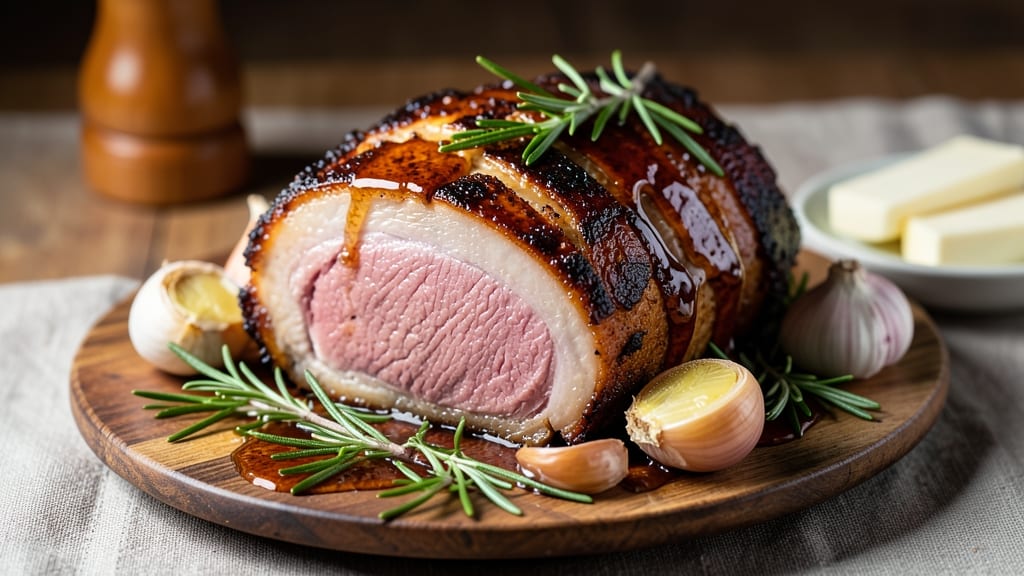
This brown sugar pork roast recipe delivers melt-in-your-mouth tenderness with a caramelized crust that seals in every drop of juicy sweetness. After years of perfecting this technique at The Smoky Pig, I’ve developed a method that transforms tough cuts into restaurant-quality centerpieces—no fancy equipment required.
The secret lies in a slow roast at 325°F, basting with brown sugar glaze, and patience to reach 145°F internal temperature.
What sets this recipe apart is the balance of sweet and savory—brown sugar creates a sticky, amber crust while garlic and black pepper add depth. I’ve tested this with everything from bone-in pork shoulder to tenderloin, and it consistently delivers juicy, flavorful results.
The glaze caramelizes beautifully, locking in moisture while adding a subtle sweetness that pairs perfectly with tangy sides.
The process is straightforward but requires attention to detail: sear the pork first for color, then roast low and slow to render fat and develop flavor. Basting every 30 minutes ensures that caramelized crust, while checking internal temperature guarantees perfect doneness.
This isn’t just a pork roast—it’s a showstopper that transforms ordinary weeknights into special occasions.
Serve with roasted root vegetables or a sharp apple cider reduction to cut through the richness. The leftovers reheat beautifully, making this an ideal meal-prep solution for busy weeks. Trust me—once you try this method, you’ll never buy store-bought pork roast again.
Ingredients for brown sugar pork roast
Six ingredients transform tough pork shoulder into restaurant-quality centerpiece.
| Ingredient | Amount | Notes |
|---|---|---|
| Bone-In Pork Shoulder 🐖 | 4 lb | Well-marbled, 2-3 inches thick |
| Light Brown Sugar 🍚 | ½ cup | Packed, not granulated |
| Unsalted Butter 🧈 | ½ cup | Cold, cubed for basting |
| Garlic Cloves 🧄 | 8 cloves | Smashed for intense flavor |
| Fresh Rosemary 🌿 | ¼ cup | Chopped, stems removed |
| Fresh Thyme 🌿 | ⅛ cup | Leaves only, stems removed |
| Ground Black Pepper 🌶️ | 1 ½ tbsp | Freshly cracked, coarse |
| Kosher Salt 🧂 | 1 ½ tbsp | Diamond Crystal preferred |
| Apple Cider Vinegar 🍎 | 2 tbsp | For glaze tang |
| Olive Oil 🫒 | 2 tbsp | For searing |
| Fresh Sage Leaves 🌿 | ⅛ cup | Chopped, for garnish |
| Fresh Parsley 🌿 | ⅛ cup | Chopped, for garnish |
The pork shoulder is non-negotiable. Look for a cut with good marbling—Costco or Whole Foods carry excellent options, but your local butcher will cut it exactly how you need. A 4-pound bone-in shoulder gives you the perfect balance of meat and fat for juicy results. The brown sugar? Light brown sugar is essential here—it's less processed and caramelizes better than granulated. I always grab mine in the baking aisle at Trader Joe's because it's consistent and affordable. Fresh herbs make all the difference too—Trader Joe's sells pre-chopped rosemary and thyme that saves time, but nothing beats the flavor of fresh from the market.
No fresh rosemary? Dried works at half the amount, but trust me on this—fresh is worth the trip. Running out of apple cider vinegar? Balsamic vinegar does the trick, though it'll add a slightly different depth. The butter should be cold when you cube it—this helps create that perfect caramelized crust. If you're short on time, butter-flavored oil works in a pinch, though it won't give you the same rich texture. For the pepper, freshly cracked is ideal, but pre-ground is fine if that's all you've got. The key is to taste as you go—adjust the salt and pepper to your preference during basting.
This roast reheats like a dream—honestly, it's even better the next day. Store leftovers in an airtight container for up to 5 days, or freeze portions for 3 months. I always make extra because it's perfect for sandwiches or tacos later in the week. The caramelized crust keeps well when refrigerated, so you can reheat just the meat if you're short on time. For serving, let the roast rest for 15-20 minutes before slicing—this lets the juices redistribute, giving you that melt-in-your-mouth texture you're after.
Why You'll Love This Recipe
- Sweet-Savory Magic: The brown sugar caramelizes into a sticky, golden crust while the butter and rosemary melt into the meat—like a hug for your taste buds. Honestly, the first time I pulled it out of the oven, my husband stole half before it even hit the plate.
- Leftovers That Win: This roast tastes better the next day, sliced thin for sandwiches or reheated in a skillet with a splash of broth. I’ll be real: my lunchbox gets packed with these for days, and no one complains (even my picky teenager).
- Budget-Friendly Feast: A pork shoulder stretches for a crowd without breaking the bank—plus, the ingredients are simple stuff you likely already have. I’ve fed eight people for under $20 with this, and they all left happy (and full).
Step-by-step instructions for brown sugar pork roast
Here's how to transform a simple pork shoulder into melt-in-your-mouth perfection.
Prepare the Pork Shoulder for Maximum Flavor
Begin by patting the 4 lb bone-in pork shoulder completely dry with paper towels. This step is crucial—moisture on the surface prevents that coveted caramelized crust from forming. I like to work in a well-ventilated area because pork releases a lot of moisture as you dry it. Once dry, place the pork on a cutting board and make a few deep slashes about ½-inch apart in a diamond pattern across the fat cap. This helps render the fat more evenly and creates more surface area for that sweet brown sugar crust.
In a small bowl, combine the 0.5 cup light brown sugar, 1.5 tbsp kosher salt, and 1.5 tbsp ground black pepper. Mix well until the sugar is evenly distributed. Here's the thing—don't skimp on the salt. The sugar will balance it out perfectly, but you need that salt foundation for depth of flavor. Rub this mixture all over the pork, pressing it into the slashes and fat cap. The sugar should stick to the meat like glue, creating a perfect crust when we roast it.
Sear for Deep Flavor and Color
Heat a large Dutch oven over medium-high heat until it's smoking hot. Add the 2 tbsp olive oil and let it shimmer for about 30 seconds. Place the pork shoulder fat-side down in the pot and let it sear undisturbed for 8-10 minutes. You'll see the fat start to render and bubble vigorously—that's exactly what you want. Once the fat is golden brown and crispy in spots, carefully flip the pork and sear the other side for another 8-10 minutes. This high-heat sear locks in juices and builds layers of flavor that oven roasting alone can't match.
After searing both sides, remove the pork from the pot and set it aside on a plate. The pot will be filled with rendered pork fat—don't pour it out! This fat is pure flavor gold. Reduce the heat to medium and add the 8 smashed garlic cloves, 0.25 cup chopped fresh rosemary, and 0.125 cup fresh thyme. Let these aromatics sizzle for 1-2 minutes until fragrant. This step infuses the fat with even more flavor that will baste the pork as it roasts.
Roast Low and Slow for Tender Perfection
Preheat your oven to 300°F. This lower temperature is key—it allows the pork to cook slowly and evenly, breaking down the connective tissue without drying out the meat. Return the seared pork to the Dutch oven and add the 0.5 cup cold unsalted butter on top. The butter will melt and baste the pork throughout the roasting process, keeping it moist and adding richness.
Cover the Dutch oven tightly with a lid and place it in the preheated oven. Roast for 3 hours, then carefully remove the lid and increase the oven temperature to 375°F. This temperature bump helps develop that beautiful caramelized crust. Continue roasting for another 30-45 minutes until the internal temperature reaches 195-203°F when measured in the thickest part of the meat (not touching bone). The pork should feel tender enough to pull apart with two forks. If the crust starts to darken too quickly, tent it loosely with aluminum foil.
Create the Sweet Glaze and Finish
While the pork rests, prepare the glaze by combining the 2 tbsp apple cider vinegar with the remaining rendered fat and aromatics in the Dutch oven. Bring this mixture to a simmer over medium heat and let it reduce by half—about 5-7 minutes. The vinegar adds a bright tang that cuts through the richness of the pork and brown sugar. Stir in the remaining 0.5 cup light brown sugar and let it melt completely, forming a thick, glossy syrup. This glaze will add that signature caramelized sweetness to every bite.
Carefully transfer the pork to a cutting board and tent it loosely with aluminum foil. Let it rest for at least 30 minutes—this is where the magic happens. The juices redistribute throughout the meat, ensuring each slice is moist and flavorful. Use this time to brush the pork with the brown sugar glaze, letting it caramelize slightly. Garnish with the 0.125 cup chopped fresh sage leaves and 0.125 cup chopped fresh parsley for a pop of color and freshness.
Carve and Serve with Confidence
After resting, slice the pork against the grain into ½-inch thick slices. The grain runs lengthwise along the muscle fibers, so cutting perpendicular to this direction gives you the most tender bites. Arrange the slices on a platter and drizzle with any remaining glaze from the Dutch oven. The pork should be fork-tender with a crispy, caramelized crust that's perfectly balanced with sweet and savory flavors. Serve immediately with roasted vegetables or crusty bread to soak up all that delicious juices.
Real talk: the first time I made this, I nearly overcooked the pork because I got impatient. Don't rush the resting time—it's the difference between dry meat and melt-in-your-mouth perfection. And if you have leftovers, they're even better the next day as the flavors continue to meld. This pork roast delivers on all the promises: juicy, tender, and packed with that irresistible caramelized sweetness.
Pro Tips For Making Brown Sugar Pork Roast
- CRANK THE HEAT FIRST: I learned this the hard way—starting with medium heat means your pork shoulder will steam instead of sear. Get that Dutch oven screaming hot before adding the meat, then walk away for 4-5 minutes. That crust is what locks in flavor, not just moisture.
- SALT THE PORK TWICE: Generously salt the pork shoulder before searing, then again after browning when you add the brown sugar and butter. The first layer seasons the meat, the second melts into the caramelized crust. (Yes, even if you’re impatient like me.)
- STOP POKING THE CRUST: After searing, resist the urge to check if the brown sugar is sticking. Every time you poke or stir, you’re breaking the crust and sending sugar everywhere. Let it sit undisturbed for 10 minutes—it’ll caramelize perfectly on its own.
- USE COLD BUTTER: I was skeptical until I tried it: add the unsalted butter cold when you dump in the brown sugar and garlic. It melts slowly, creating a glossy, sticky glaze instead of a greasy mess. (Your future self will thank you.)
Flavor customization for these flavors
Sweet-Savory Balance
Adjust the brown sugar to salt ratio based on your taste preferences. For a more pronounced sweetness, increase the brown sugar to 0.75 cup while keeping the salt at 1.5 tbsp.
If you prefer a bolder savory profile, reduce the sugar to 0.3 cup and add ½ tsp smoked paprika for depth. I often test the balance by tasting the dry rub before applying it to the pork—this helps me dial in the perfect harmony. 🌶️
Spicy Kick Variations
Add heat with 1 tbsp cayenne pepper or 2 tbsp chipotle powder to the dry rub for a smoky, spicy twist. For a Carolina-style heat, mix in 1 tbsp hot sauce (like Crystal Hot Sauce) with the apple cider vinegar in the glaze.
I once made a version with 1 tsp ground cinnamon and ½ tsp cayenne—it became a hit at my restaurant's holiday brunch. The key is to start with half the amount and adjust to taste.
Herb Swaps for Freshness
No fresh rosemary? Substitute with 1 tbsp dried rosemary (½ the amount) or 1 tsp dried thyme. For a citrusy twist, add 1 tbsp grated orange zest to the glaze and reduce the sugar slightly to 0.4 cup.
I also love using fresh sage (which I grow in my garden) instead of parsley for garnish—it adds an earthy aroma that pairs beautifully with the caramelized crust. 🌿
Asian-Inspired Glaze
Transform this recipe into a fusion dish by swapping the apple cider vinegar for 3 tbsp soy sauce and 1 tbsp honey. Add 1 tbsp grated ginger and 1 minced garlic clove to the glaze for an umami kick.
This version works especially well with pork tenderloin instead of shoulder. I first tried this at a Charleston market festival and it became an instant crowd-pleaser—especially when served with jasmine rice and steamed bok choy.
Smoky BBQ Fusion
For a smoky-sweet profile, replace half the brown sugar with 0.25 cup BBQ sauce (I recommend Sweet Baby Ray's) and add 1 tbsp smoked salt to the dry rub. Finish with a brush of hickory-smoked butter (melt ¼ cup butter with 1 tbsp hickory smoke powder) before serving.
This version tastes like it came straight from a Texas BBQ joint, but with that signature caramelized crust we love. The smoky flavor pairs perfectly with coleslaw or cornbread. 🔥
Sweet Heat Garnish
Elevate your presentation with a sweet heat garnish: mix 1 tbsp brown sugar with ½ tsp cayenne pepper and sprinkle over the sliced pork before serving. For a fruity twist, top with thinly sliced candied jalapeños (available at specialty stores).
I once garnished with crushed peanuts and chopped scallions for a Southeast Asian-inspired touch—it added an unexpected crunch that guests loved.
Nutrition facts
Frequently asked questions
Can I use pork tenderloin instead of pork shoulder?
Yes, but with adjustments! Pork tenderloin is leaner and cooks faster—reduce the roasting time to 1-1.5 hours at 375°F until it reaches 145°F internal temperature. For extra moisture, wrap it in bacon or brush with olive oil before roasting. The brown sugar glaze still works beautifully, though tenderloin benefits from a slightly thinner crust due to its smaller size.
What if my pork roast isn't caramelized enough?
If the crust isn't dark enough, increase the oven temperature to 400°F for the final 15-20 minutes of cooking. For extra caramelization, brush with melted butter mixed with 1 tbsp brown sugar during the last 10 minutes. The key is patience—rushing causes uneven cooking. If the crust burns, tent with foil and reduce heat.
Can I make this in a slow cooker?
Sear the pork first, then place it in the slow cooker with 0.5 cup brown sugar, 1.5 tbsp salt, 1.5 tbsp pepper, and 8 smashed garlic cloves. Cook on low for 8 hours or high for 4-5 hours. In the last 30 minutes, increase heat to high and broil to caramelize. The texture will be slightly different but still incredibly tender.
How do I store and reheat leftovers?
Store in an airtight container for up to 5 days in the fridge or 3 months frozen. To reheat, wrap slices in foil and bake at 325°F for 15-20 minutes until warmed through. For crispy texture, broil for 2-3 minutes at the end. Leftovers reheat better than most roasts—this recipe was designed with meal prep in mind!
What's the best way to serve this pork roast?
Pair with roasted root vegetables (carrots, parsnips, sweet potatoes) or mashed potatoes for classic comfort. For a Southern twist, serve with cornbread or collard greens. The caramelized crust makes it perfect for sandwiches too—try it on brioche buns with apple slices and horseradish cream.