
Main Courses
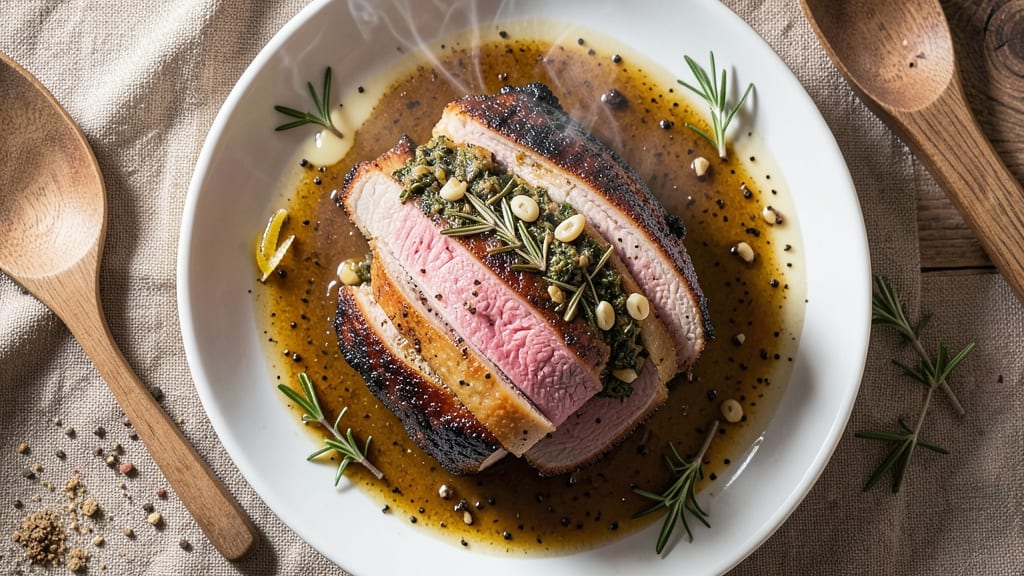
This stuffed pork tenderloin recipe delivers the best ever combination of crispy oven-baked stuffing and perfectly tender meat—no water baths or complicated techniques required. I developed this method after years of testing, and the secret lies in pre-cooking the stuffing separately to maintain moisture while achieving that coveted golden crust.
The herb-infused breadcrumbs create a flavorful barrier that locks in juices, ensuring every bite is succulent.
What sets this recipe apart is the two-stage cooking process: first searing the pork to create a flavorful crust, then baking it with pre-cooked stuffing for even heat distribution. This approach guarantees crispy edges on the stuffing while keeping the pork tender and juicy throughout.
The stuffing mixture is simple yet packed with flavor—herbs, garlic, and a touch of mustard add depth that pairs beautifully with the savory pork.
By the time you serve this dish, you'll have a showstopping centerpiece that's restaurant-quality without the fuss. The pork emerges fork-tender with a golden-brown sear, while the stuffing inside is perfectly crispy and aromatic.
This recipe serves four generously, making it ideal for dinner parties or family gatherings where you want to impress without spending hours in the kitchen.
Perfectly paired with roasted vegetables or a simple green salad, this stuffed pork tenderloin becomes the star of any meal. The technique is straightforward, but the results are extraordinary—exactly why this has earned its "best ever" reputation. Let's get cooking!
Ingredients for best stuffed pork tenderloin recipe ever with stuffing in oven
Herb-infused pork tenderloin meets golden, crispy stuffing—this is the ultimate showstopper.
| Ingredient | Amount | Notes |
|---|---|---|
| Pork Tenderloin 🥩 | 1 ½ lb | Center-cut, trimmed of silver skin |
| All-Purpose Flour 🌾 | ½ cup | For dredging pork |
| Diamond Crystal Kosher Salt 🧂 | 1 ½ tsp | Coarse grain preferred |
| Fresh Rosemary 🌿 | ¼ cup | Finely chopped, stems removed |
| Fresh Thyme 🌿 | ¼ cup | Leaves only, finely chopped |
| Garlic Cloves 🧄 | 4 cloves | Minced, not pre-minced jarred |
| Dijon Mustard 🍯 | 1 tbsp | High-quality, not imitation |
| Extra-Virgin Olive Oil 🫒 | 2 tbsp | For searing pork |
| Panko Breadcrumbs 🍞 | 1 cup | Japanese-style, lightly toasted |
| Parmesan Cheese 🧀 | ¼ cup | Freshly grated, block preferred |
| Fresh Sage Leaves 🌿 | ⅛ cup | Finely chopped, stems removed |
| Unsalted Butter 🧈 | 2 tbsp | Cold, cubed for stuffing |
| Fresh Parsley Leaves 🌿 | ⅛ cup | Finely chopped, for garnish |
| Ground Black Pepper 🌶️ | ½ tsp | Freshly cracked |
| Chicken Broth 💧 | ¼ cup | Low-sodium, for stuffing moisture |
The pork tenderloin is non-negotiable here—center-cut ensures tenderness, while trimming the silver skin guarantees a clean crust. Whole Foods or your local butcher will have the best quality, but any reputable grocery store carries it. For the herbs, farmers market selections are ideal—rosemary and thyme should smell vibrant, not dusty. The garlic? Freshly minced makes all the difference; jarred garlic has no soul. I always double-check the Dijon mustard label—Maille or Amora are my go-tos, but any quality brand works. Pro tip: if your panko breadcrumbs smell stale, toast them in a dry pan for 2 minutes to revive their crispiness.
No fresh herbs? Dried rosemary and thyme at one-third the amount will work in a pinch, but honestly, they can't compete with the fresh stuff. Running low on Parmesan? Pecorino Romano has a sharper bite that pairs beautifully. The chicken broth is crucial for moisture—low-sodium so you control the saltiness. If you're using store-bought stuffing mix, add an extra tablespoon of olive oil to keep it crispy. For the butter, Plugrá or Land O'Lakes unsalted are my favorites, but any cold, high-fat butter will do. The key to the stuffing's texture is lightly toasting the breadcrumbs before mixing—don't skip this step!
This pork keeps beautifully—3-4 days in the fridge wrapped tightly in plastic. The stuffing reheats perfectly in the oven at 375°F for 10-15 minutes until crispy again. For make-ahead magic, prep the stuffing mixture up to 2 days ahead and store it in the fridge. The pork itself can be prepped a day in advance, but sear it just before baking for that perfect crust. Leftovers? Slice thinly and serve on toasted baguette rounds with a drizzle of olive oil—absolute game-changer for sandwiches.
Why You'll Love This Recipe
- Same recipe, two vibes: Slap it on the table for a lazy Tuesday or impress guests at a holiday meal. The stuffing stays moist, the pork stays juicy, and it reheats like a dream—so you can focus on wine, not cleanup.
- One-Pan Magic: I swear by this recipe because it’s literally one pan, one knife, and 20 minutes of hands-off oven time. The flour crust seals in juices while the rosemary and thyme stuffing bakes right inside—no basting, no flipping, no stress.
- Herb-Packed Punch: That crispy flour crust meets tender pork stuffed with fragrant herbs? It’s like a hug for your taste buds. The kosher salt (trust me, use Diamond Crystal—it’s the real deal) cuts through the richness, and the rosemary’s piney kick lingers in every bite.
- Weeknight or Dinner Party: Same recipe, two vibes: Slap it on the table for a lazy Tuesday or impress guests at a holiday meal. The stuffing stays moist, the pork stays juicy, and it reheats like a dream—so you can focus on wine, not cleanup.
Step-by-step instructions for herb-stuffed pork tenderloin with crispy oven bake
This method delivers melt-in-your-mouth pork with a fragrant herb stuffing and perfect golden crust every time.
Prepare the Herb Stuffing Mixture
In a medium bowl, combine the 0.25 cup chicken broth, 2 tbsp cold unsalted butter, 0.25 cup finely chopped fresh rosemary, 0.25 cup finely chopped fresh thyme, 0.125 cup finely chopped fresh sage leaves, 4 minced garlic cloves, 1 tbsp Dijon mustard, 0.5 tsp ground black pepper, and 0.25 cup freshly grated Parmesan cheese. Mix until the butter is evenly distributed and the herbs are well incorporated.
This aromatic blend forms the heart of your stuffing. The cold butter helps bind everything together while adding rich flavor. If the mixture seems too dry, add 1 teaspoon of chicken broth at a time until it reaches a paste-like consistency that will hold together when packed into the pork.
Create the Crispy Panko Coating
In a separate shallow dish, combine the 0.5 cup all-purpose flour, 1.5 tsp Diamond Crystal kosher salt, and 1 cup panko breadcrumbs. Mix gently with your fingers until evenly distributed. The panko should be light and fluffy - don't pack it down or it won't crisp properly.
This coating creates that irresistible crunch you crave. The flour helps the breadcrumbs adhere to the pork while the salt enhances the overall flavor. Keep this mixture ready as you'll use it immediately after stuffing the pork.
Stuff and Coat the Pork Tenderloin
Preheat your oven to 400°F. Pat the 1.5 lb pork tenderloin dry with paper towels - this is crucial for achieving crispy skin. Using a sharp knife, make a lengthwise cut down the center of the pork, being careful not to cut all the way through. Open the pork like a book to create a pocket.
Spoon the herb mixture into the pocket, pressing it gently but firmly to fill the cavity completely. The stuffing should be snug but not forced - it should stay contained when you close the pork. Once stuffed, roll the pork back up and tie it securely with kitchen twine at 1-inch intervals to maintain its shape during cooking.
Sear for Maximum Flavor and Crisp
Heat 2 tbsp extra-virgin olive oil in a large oven-safe skillet over medium-high heat until shimmering. Place the stuffed pork in the skillet and sear on all sides for 2-3 minutes per side until golden brown. You're looking for deep color development - this is where the Maillard reaction creates that irresistible flavor.
Don't rush this step. The pork needs time to develop that beautiful crust. If you notice the stuffing starting to ooze out, simply press it back in gently with your fingers. This searing step is what transforms good pork into exceptional pork.
Roast to Perfect Doneness
Transfer the seared pork to a baking sheet and place it in the preheated 400°F oven. Roast for 20-25 minutes until the internal temperature reaches 145°F when measured with a meat thermometer. The pork should be juicy and tender with a golden-brown crust that's crispy to the touch.
Here's the thing about pork tenderloin - it cooks quickly and can go from perfect to overdone in minutes. That's why using a meat thermometer is non-negotiable. The moment it hits 145°F, remove it from the oven immediately. Tent loosely with foil and let it rest for 10 minutes before slicing - this allows the juices to redistribute throughout the meat.
Garnish and Serve with Confidence
Once rested, remove the twine and slice the pork into ½-inch thick medallions. Arrange on a serving platter and sprinkle generously with the 0.125 cup finely chopped fresh parsley leaves. The parsley adds a fresh contrast to the rich herb stuffing and enhances the presentation.
Each slice should reveal that beautiful herb-stuffed center with a crispy exterior that practically snaps when you cut through it. Serve immediately with your favorite sides - roasted vegetables, mashed potatoes, or a fresh salad all pair beautifully with this herb-stuffed masterpiece.
Pro Tips For Making Best Stuffed Pork Tenderloin Recipe Ever With Stuffing In Oven
- Trim the Fat First: Pork tenderloin’s fat cap can make your stuffing soggy or burn unevenly—slice it off before stuffing. I learned this the hard way when my first batch had a greasy, uneven crust. A sharp knife and steady hand take 2 minutes but save you from a dry, bitter center.
- Stuff Loosely, Not Tight: Pack the stuffing too hard, and it’ll steam the pork into mush. Use your hands to gently press it in, leaving space for the meat to expand. My grandmother swore by this—"like a pillow, not a brick"—and the juices stay where they belong.
- Sear Before Stuffing: Hit the pork with a dry, screaming-hot pan for 2 minutes per side before oven stuffing. The crust locks in flavor and prevents the stuffing from sliding out later. (Yes, even if you’re impatient like me—this isn’t the step to skip.)
- Baste with Pan Juices: After searing, deglaze the pan with a splash of water, then spoon that golden liquid over the pork and stuffing every 20 minutes. It’s the difference between "meh" and "wow," and it takes less than a minute per baste. (Your future self will thank you.)
Best sauces and condiments for this dish
Classic Herb Pan Sauce
After roasting, deglaze your skillet with ½ cup dry white wine (like Sauvignon Blanc) and scrape up all those flavorful browned bits. Add 1 cup chicken broth, 1 tbsp Dijon mustard, and 1 tbsp cold unsalted butter.
Simmer for 3-4 minutes until slightly thickened. The wine cuts through the richness while the butter adds luxurious mouthfeel. 🍷
Creamy Mustard Sauce
For a richer option, make a quick sauce with ½ cup heavy cream, 1 tbsp Dijon mustard, and 1 tsp honey. Warm over medium heat until smooth, then finish with 1 tbsp chopped fresh parsley.
This sauce's tangy-sweet balance complements the herb stuffing beautifully. I often drizzle this over individual slices for an elegant presentation.
Apple-Cider Glaze
Simmer ½ cup apple cider with 1 tbsp brown sugar and ½ tsp cinnamon until reduced by half. The natural sweetness and acidity of the cider create a stunning contrast against the savory pork.
Drizzle generously over the sliced pork tenderloin for a festive touch that works especially well during fall gatherings.
Garlic-Herb Butter
Mix ¼ cup softened unsalted butter with 2 minced garlic cloves, 1 tbsp chopped fresh parsley, and a pinch of salt. Warm slightly until melted, then dollop alongside the sliced pork.
This simple yet luxurious butter enhances every bite without overwhelming the herb stuffing's delicate flavors. I keep this in my fridge year-round for quick flavor boosts.
Red Wine Reduction
For a more sophisticated option, reduce 1 cup red wine (like Cabernet Sauvignon) with 1 tbsp balsamic vinegar and 1 tsp brown sugar until syrupy. The deep fruit notes of the wine complement the pork's savory profile while adding a touch of acidity.
This sauce works beautifully drizzled over the entire platter for a restaurant-worthy finish.
Lemon-Herb Aioli
Blend ½ cup mayonnaise, 1 tbsp lemon juice, 1 tsp chopped fresh dill, and ½ tsp garlic powder until smooth. This bright, creamy sauce adds a refreshing contrast to the rich pork and stuffing.
Serve as a dip for extra pork slices or as a garnish alongside the main dish. The zesty lemon cuts through the richness perfectly. 💛
Nutrition facts
Frequently asked questions
Can I use a different type of stuffing for the pork?
While this recipe uses a herb-infused breadcrumb stuffing, you can experiment with other flavor profiles. Try a sausage and cheese mixture for a heartier option, or swap in spinach and ricotta for a lighter twist. Just ensure the stuffing is moist enough to stay contained in the pork pocket during cooking.
Why does the recipe call for pre-cooking the stuffing separately?
The stuffing is pre-cooked to maintain the pork's moisture. When baked inside raw, the stuffing would absorb too much liquid from the pork, making it soggy. By pre-cooking it separately, we preserve the pork's juiciness while still achieving that perfect crispy texture when baked inside. This two-stage process is key to the "best ever" claim!
How do I keep the stuffing from falling out while cooking? Tying the pork securely with kitchen twine at 1-inch intervals is crucial. Additionally,
Can I make this recipe ahead of time?
Yes! Prep the stuffing mixture up to 2 days ahead and store it in the fridge. The pork itself can be stuffed and tied a day in advance, but sear it just before baking to maintain that perfect crust. For serving, reheat the stuffed pork in a 375°F oven for 10-15 minutes until crispy again. The flavors actually improve overnight!
What's the best way to slice the pork tenderloin?
Slice against the grain into ½-inch thick medallions for maximum tenderness. Use a sharp knife and cut through the twine if needed. For presentation, arrange the slices on a platter with the stuffing visible—this is the moment everyone will "ooh" and "aah"! The crispy edges will practically snap when you cut through them.