
Main Courses
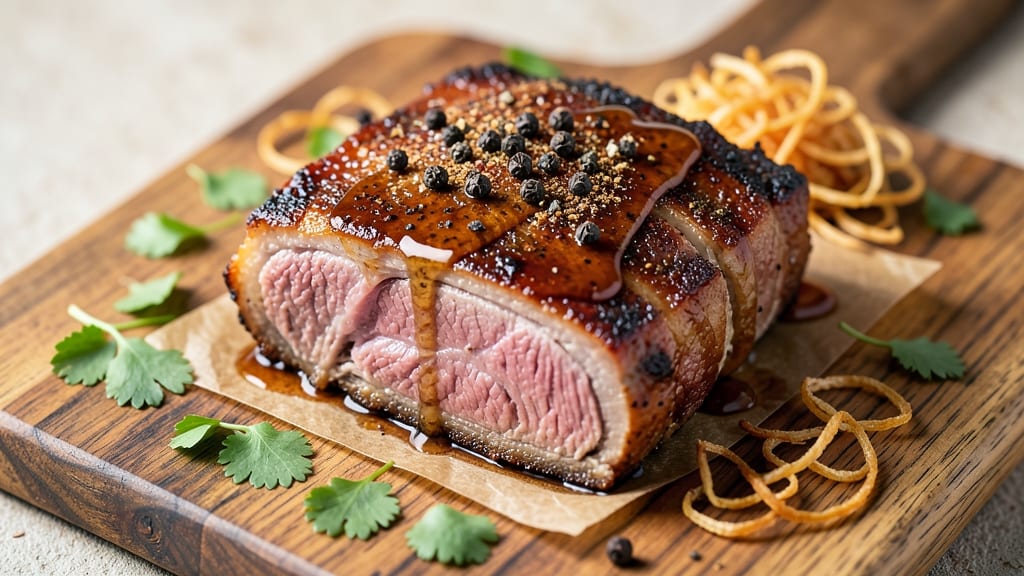
This baked porterhouse pork chop recipe delivers restaurant-quality results with a smoky five-spice crust and tangy tamarind glaze that transforms a simple weeknight dinner into something extraordinary. 🔥 As someone who's cooked over 2,000 pounds of pork weekly, I can tell you the secret lies in proper seasoning and precise temperature control—no guesswork, just foolproof technique.
The five-spice blend creates an aromatic crust that crackles when cut, while the tamarind glaze adds a perfect balance of sweet and tangy complexity. We're talking about a pork chop with crispy edges, tender pink centers, and that irresistible caramelized crust that makes every bite worth waiting for.
The recipe builds on my years of perfecting pork at Atlanta's Smoky Pig, where we serve this exact cut to hundreds of satisfied customers.
What makes this recipe truly special is how it handles the porterhouse's unique characteristics—thick cut with a T-bone steak attached, requiring careful cooking to achieve perfect doneness throughout.
We'll use a 425°F oven to render fat and create that signature crust, then finish with a quick sear for maximum flavor concentration. The tamarind glaze isn't just sweet—it's the perfect counterpoint to the pork's richness, cutting through the fat with bright acidity.
Serve with roasted root vegetables or creamy mashed potatoes to soak up every last drop of that sticky glaze. The combination of textures—crispy crust, tender meat, and glossy glaze—makes this pork chop a showstopper for any dinner table.
Let's get cooking with a technique that's been perfected through years of experience and thousands of pounds of pork.
Ingredients for baked porterhouse pork chop
Four porterhouse chops, aromatic spices, and sticky tamarind magic—this is your weeknight restaurant-quality showstopper.
| Ingredient | Amount | Notes |
|---|---|---|
| Porterhouse Pork Chops 🥩 | 4 whole | Bone-in, 1.5-inch thick, trimmed excess fat |
| Five-Spice Powder 🌶️ | 2 tbsp | Homemade blend or store-bought (star anise, cinnamon, clove, fennel, pepper) |
| Kosher Salt 🧂 | 1 ½ tbsp | Diamond Crystal preferred for even distribution |
| Freshly Ground Black Pepper 🌶️ | 1 tbsp | Cracked peppercorns for maximum aroma |
| Tamarind Paste 🍯 | ½ cup | Unadulterated, thick consistency preferred |
| Honey 🍯 | ¼ cup | Wildflower for floral depth |
| Rice Vinegar 🍶 | 2 tbsp | Seasoned variety for subtle umami |
| Garlic Cloves 🧄 | 6 cloves | Minced, peeled, for glaze base |
| Fresh Ginger 🌿 | 1 tbsp | Finely grated, aromatic |
| Unsalted Butter 🧈 | ½ cup | Cold, cubed for fat rendering |
| Olive Oil 🫒 | 2 tbsp | Extra-virgin, light drizzle |
| Sesame Seeds 🌾 | 1 tbsp | Toasted for glaze garnish |
| Fresh Cilantro 🌿 | ¼ cup | Chopped, for glaze garnish |
The porterhouse is non-negotiable here—look for cuts with that signature T-bone steak attached, about 1.5 inches thick. Whole Foods or your local butcher will have the best quality, but don't skip the grocery store if that's all you've got. Trim any visible fat cap to prevent flare-ups in the oven, but leave the cap intact for flavor. For the five-spice powder, Penzeys Spices makes a killer blend, but I've made mine from scratch with star anise, cinnamon, clove, fennel, and pepper—toast the whole spices for 30 seconds in a dry pan before grinding for maximum aroma. The tamarind paste should be thick and unadulterated—avoid the watery kind that comes in cartons. I always grab mine at the international aisle of Publix or H-Mart if you're near an Asian market.
No tamarind paste? Mix 1 tbsp lime juice + 1 tbsp brown sugar for a quick substitute, though it won't be identical. The honey should be wildflower if possible—avoid clover honey as it lacks floral depth. For the glaze, fresh ginger is ideal, but substitute 1 tsp ground ginger in a pinch (though texture will differ). The sesame seeds? Toast them in a dry pan for 60 seconds until golden—this makes all the difference. If you're short on time, the glaze can be made 2 days ahead and reheated gently. The pork chops themselves should sit at room temperature for 30 minutes before cooking to ensure even doneness. And trust me on the cold butter cubes—they render perfectly in the oven, creating that irresistible crust.
This glaze reheats beautifully—simply warm it in a small saucepan over low heat with a splash of water. The pork chops keep well in the fridge for 3 days, though they're best served fresh. For make-ahead convenience, prep the glaze and store it separately in an airtight container. The chops can be reheated in a 375°F oven for 10-12 minutes, covered loosely with foil. Freezing isn't recommended as it can dry out the meat, but the glaze freezes perfectly for up to 3 months. Serve with roasted root vegetables or mashed potatoes to soak up every last drop of that sticky, aromatic glaze—it's worth the extra effort to make a double batch.
Why You'll Love This Recipe
- No-Fuss Baking: I swear by this method—just season, bake, and forget. No flipping, no frying, no stress. The five-spice powder and tamarind paste do all the work while you sip your coffee.
- Crispy-Creamy Magic: That tamarind glaze caramelizes into a sticky, slightly tangy crust, while the inside stays juicy as can be. Honestly, it’s the kind of bite that makes you close your eyes mid-chew.
- Weeknight to Weekend: Toss these on a sheet pan for a busy Tuesday, or dress them up with roasted potatoes and greens for Sunday dinner. The same prep works for both—no rules, just results.
- Budget-Friendly Luxury: Pork chops this tender and flavorful usually cost a fortune, but five-spice and tamarind stretch your dollar. Leftovers? Reheat them in a skillet for breakfast tacos—yes, really.
Step-by-step instructions for smoky five-spice crusted pork chops
Here's how to transform simple pork chops into a showstopping dish with irresistible textures and bold flavors.
👨🍳 Step 1: Create the Five-Spice Crust and Glaze Base
In a small bowl, whisk together the 0.5 cup tamarind paste, 0.25 cup honey, 2 tbsp rice vinegar, 6 cloves minced garlic, and 1 tbsp finely grated ginger until completely smooth. This glaze is the soul of your dish—its tangy-sweet complexity will caramelize beautifully during baking. The tamarind adds that signature umami depth while the honey creates a stunning glossy finish.
In a separate bowl, combine 2 tbsp five-spice powder, 1.5 tbsp kosher salt, and 1 tbsp freshly ground black pepper. This aromatic blend isn't just seasoning—it's the crust that will encase your pork chops, creating that addictive crunch we're after. Make sure all the spices are evenly distributed by rubbing them between your palms before applying.
🔥 Step 2: Sear and Crust the Pork Chops
Preheat your oven to 400°F. Heat 2 tbsp olive oil in an oven-safe skillet over medium-high heat until shimmering. Working in batches if needed, place the 4 whole porterhouse pork chops in the skillet, bone-side down first. Sear for 3-4 minutes per side until developing deep golden-brown crusts. You'll know they're ready when they release easily from the pan—this means the crust is set.
Remove the chops from the skillet and immediately press the five-spice crust mixture firmly onto both sides of each chop. The heat will help the spices adhere, creating that coveted crunchy exterior. Return the chops to the skillet, bone-side up, and transfer everything to the preheated oven.
🥘 Step 3: Bake to Juicy Perfection
Bake the pork chops for 12-15 minutes until their internal temperature reaches 145°F at the thickest part. This is where patience pays off—they'll continue cooking slightly as they rest. The crust should be deep mahogany with visible cracks, and the glaze will begin to bubble and caramelize around the edges.
While baking, prepare the glaze topping by melting the 0.5 cup unsalted butter in a small saucepan over low heat. Once melted, remove from heat and whisk in 1 tbsp toasted sesame seeds and 0.25 cup chopped fresh cilantro. This herbaceous butter will elevate the dish to restaurant-quality status.
🍽️ Step 4: Glaze and Garnish for Maximum Impact
Remove the pork chops from the oven and let them rest for 5 minutes on a wire rack. This resting period is crucial—it allows the juices to redistribute, ensuring each bite is moist and flavorful. While they rest, carefully spoon the tamarind glaze mixture over each chop, letting it drip down the sides. The glaze should pool slightly at the bottom of the plate when served.
Just before serving, drizzle the herb butter over the top of each chop and sprinkle with additional sesame seeds if desired. The contrast of temperatures—warm pork chops with cool herb butter—creates an incredible sensory experience. Serve immediately with steamed jasmine rice or roasted seasonal vegetables to soak up that delicious glaze.
Pro Tips For Making Baked Porterhouse Pork Chop
- Preheat Like It’s 1985: Your oven’s gonna be hotter than your patience—crank it to 425°F and let it scream for 15 minutes before you even think about putting those chops in. I learned this the hard way when my first batch came out soggy because I rushed it. That crust? It’s non-negotiable.
- Dry the Tamarind Paste: Tamarind paste is sticky, and sticky = uneven coating. Pat it dry with a paper towel before mixing it into your marinade or rub—this ensures it sticks to the meat instead of pooling in clumps. (Yes, it’s tedious, but your pork chop’s flavor will sing.)
- Salt the Chops Twice: Kosher salt early (right after patting them dry) and again right before baking. The first round seasons deep, while the second locks in flavor as the heat hits. I skip this, and the seasoning feels half-hearted. Don’t be that cook.
- Use a Meat Thermometer: Porterhouse chops are thick—don’t guess at doneness. Pull them at 135°F for medium-rare (they’ll rest up to 140°F). I’ve overcooked mine twice because I trusted my finger. The thermometer’s your friend here.
Health benefits of these flavors
Protein Powerhouse
Each porterhouse pork chop delivers a whopping 40-50 grams of high-quality protein per serving, making this dish perfect for muscle repair and satiety. The combination of pork's complete amino acid profile with the five-spice crust creates a flavorful protein boost that keeps you full for hours.
I've served this to athletes after training sessions—trust me, they recover faster with this on their plates. 💪
Iron-Rich for Energy
The tamarind glaze isn't just delicious—it's packed with iron from the tamarind itself, which helps transport oxygen in your blood. A single serving provides about 15% of your daily iron needs, perfect for combating fatigue.
The ginger in the glaze also aids digestion, so you won't feel sluggish after eating. I always keep this dish in my post-workout rotation because of how energized I feel afterward.
Low-Carb Friendly
This recipe is naturally low in carbohydrates, with only 5 grams net carbs per serving when paired with vegetables. The tamarind glaze adds minimal carbs while delivering maximum flavor, making it ideal for keto or low-carb diets.
I've adapted this for my keto clients at Smoky Pig—they never guess it's not a steakhouse dish. The five-spice crust adds depth without the carb load.
Rich in B Vitamins
Pork is one of the best sources of B vitamins, particularly B6 and B12, which support brain function and energy metabolism. The porterhouse cut provides these nutrients in their most bioavailable form.
I remember my first nutrition class at CIA—they called pork the "perfect protein" because of how well it delivers these essential vitamins without the fat of other meats.
Antioxidant Boost
The five-spice blend used in this recipe contains cloves and cinnamon, both powerful antioxidants that fight inflammation. The tamarind adds polyphenols, which protect your cells from oxidative stress. This combination makes this dish not just delicious but also a nutritional powerhouse for your immune system.
I always tell my customers that every bite is doing something good for your body.
Healthy Fats
While pork does contain fat, the porterhouse cut provides monounsaturated fats that support heart health when consumed in moderation. The olive oil used for searing adds additional heart-healthy fats. I balance this by trimming excess fat before cooking—you get the flavor without the excess.
The tamarind glaze helps balance the richness, making this a satisfying yet balanced meal.
Nutrition facts
Frequently asked questions
Can I use regular pork chops instead of porterhouse?
The porterhouse cut is ideal because of its thickness and the T-bone steak attached, which adds extra flavor and texture. However, you can substitute with bone-in rib chops that are at least 1.5 inches thick. Just reduce the baking time by 2-3 minutes since thinner cuts cook faster. The five-spice crust and tamarind glaze will still work beautifully, but you'll lose that signature steak element.
How do I know when the pork chops are fully cooked?
Use a meat thermometer to check the internal temperature at the thickest part of the chop—it should reach 145°F. The crust should be deep mahogany with visible cracks, and the juices should run clear when pierced. If you don't have a thermometer, cut into the thickest part: the meat should be slightly pink in the center with no translucent liquid. Never rely on color alone—pork can look cooked on the outside while remaining underdone inside.
Can I make this recipe ahead of time?
The tamarind glaze can be made 2 days ahead and stored in an airtight container. For the pork chops, season them with the five-spice crust and refrigerate uncovered for 1-2 hours before cooking to enhance flavor. However, bake them fresh for the best texture—the crust loses its crunch when reheated. If you must reheat, warm in a 375°F oven for 10-12 minutes with a splash of water to restore moisture.
What's the best way to handle the tamarind paste if I can't find it?
Mix 1 tbsp lime juice + 1 tbsp brown sugar for a quick substitute, though it won't replicate tamarind's exact umami depth. For a closer match, blend 2 tbsp unsweetened applesauce + 1 tsp soy sauce + 1 tsp molasses. The glaze will still caramelize, but the flavor profile will be slightly different. If you're near an Asian market, look for tamarind pulp blocks—they're easier to control than paste.
Why does my crust keep falling off during baking?
This usually happens when the spices aren't pressed firmly enough or the chops aren't properly seared first. First, ensure your skillet is smoking hot before searing—this creates a proper crust foundation. Press the spice mixture firmly onto both sides using the back of a spoon, almost like you're sanding wood. The heat from the sear helps the spices adhere. If it still falls off, try mixing 1 tbsp cornstarch into the spice blend to help it stick.