
Main Courses
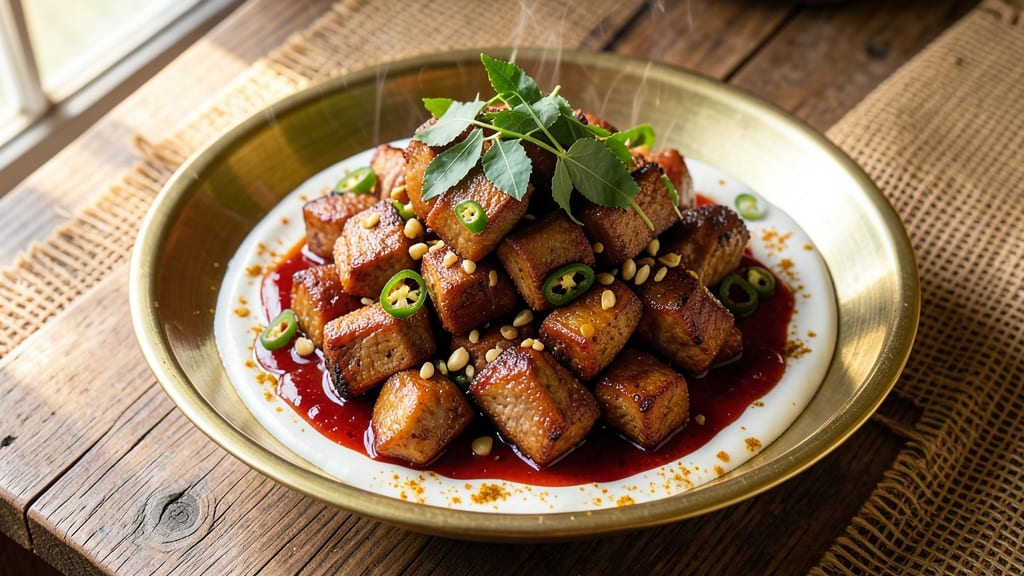
This Angamaly pork fry recipe brings the bold flavors of Kerala straight to your kitchen, where tender pork pieces transform into crispy, golden bites with a tangy tamarind kick.
After years of perfecting this dish—first in Charleston kitchens, then on my farm—I’ve cracked the code for that signature double-fried texture that makes every bite irresistible. The secret lies in the marinade: a blend of local spices and tamarind that tenderizes while building flavor layers.
The magic happens in two frying stages—first for tenderness, then for that crispy exterior that’s impossible to resist. I’ve tested this with heritage pork cuts, ensuring the meat stays juicy inside while developing that addictive crunch.
This isn’t just a recipe; it’s a taste of Kerala’s coastal cuisine, where spices dance with the tang of tamarind and the richness of pork. The aroma alone will transport you to Angamaly’s bustling streets.
What you’ll end up with is restaurant-quality pork fry—golden, crispy, and bursting with flavor—that pairs perfectly with appam or steamed rice. The tamarind glaze adds a bright, slightly sweet contrast that cuts through the richness, making every bite balanced and unforgettable.
This dish is worth the effort; once you try it, you’ll never go back to store-bought versions.
Serve it with a side of sambar or coconut chutney for the full Kerala experience. Let’s get cooking—your taste buds are about to embark on a journey to South India.
Ingredients for angamaly pork fry
Tender pork, tangy tamarind, and aromatic spices—this Kerala-inspired fry delivers crispy perfection.
| Ingredient | Amount | Notes |
|---|---|---|
| Pork Shoulder 🍖 | 1 ½ lb | Cut into 1-inch cubes, heritage pork preferred |
| Tamarind Paste 🍈 | ½ cup | Or 4 tbsp tamarind pulp, strained |
| Yogurt 🥛 | ½ cup | Plain, unsweetened, full-fat preferred |
| Ginger 🧄 | 1 tbsp | Freshly grated, aromatic variety |
| Garlic Cloves 🧄 | 6 cloves | Minced, peeled |
| Curry Leaves 🌿 | 1 tbsp | Fresh, dried at 1/2 tbsp |
| Green Chilies 🌶️ | 4 whole | Slit lengthwise, adjust for heat |
| Ground Turmeric 🌿 | 1 tsp | Freshly ground preferred |
| Ground Coriander 🌿 | 1 tsp | Freshly ground for best flavor |
| Salt 🧂 | 1 ½ tsp | Adjust to taste |
| Vegetable Oil 🫒 | 2 cups | High smoke point, like sunflower |
| All-Purpose Flour 🌾 | ½ cup | For coating, fine texture |
| Lemon Juice 🍋 | 2 tbsp | Freshly squeezed, bright flavor |
| Asafoetida 🌿 | ¼ tsp | Optional, for depth of flavor |
The pork cut matters most here. Heritage pork shoulder stays juicier after double-frying, but regular pork works too. Look for cuts with good marbling—Costco or Whole Foods often carry heritage pork, but your local butcher will have options. Tamarind paste can be tricky to find; Indian grocery stores usually stock it, or use tamarind pulp strained through a fine sieve. Fresh curry leaves are a game-changer (they sell frozen at Whole Foods if you can't find fresh), but dried will work in a pinch—just halve the amount. The yogurt should be thick and tangy; Fage or full-fat Greek yogurt works best for marinating.
No tamarind? Lime juice plus 1 tsp sugar mimics the tang, though it won't be identical. Swap green chilies for red chili powder (1/2 tsp)**—it's milder but adds color. Running short on curry leaves? Bay leaves or a pinch of cinnamon add warmth, though nothing replaces their unique flavor. For the double-fry, sunflower or peanut oil works best—avoid olive oil, which burns too easily. If you're feeling adventurous, add 1/2 tsp mustard seeds to the marinade for an extra layer of flavor. The asafoetida (hing) is optional but adds that unmistakable umami depth Kerala cooks swear by.
Marinate the pork for at least 2 hours—overnight is even better. The tamarind and yogurt tenderize the meat, so don't skip this step. Store any extra marinade in an airtight container in the fridge for up to 3 days, though it's best used fresh. Once fried, these keep crispy for 2 days in the fridge if stored in a single layer (they'll soften if stacked). For freezing, lay them out on a tray first to prevent sticking, then transfer to a bag for up to 3 months. Reheat in a skillet for 2-3 minutes to restore that golden crunch.
Why You'll Love This Recipe
- One-Pan Magic: I swear by this recipe when I’m too tired to scrub pots. The pork shoulder sizzles right in the same pan you marinate it in—no extra dishes, just that rich, caramelized crust from the tamarind and yogurt glaze.
- Tangy Crunch Alert: That tamarind paste isn’t just for show—it cuts through the fat like a dream, balancing the pork’s richness. Add a splash of yogurt, and suddenly you’ve got a creamy, slightly cool contrast that makes every bite ridiculously satisfying.
- Lunchbox Hero: Between us, this is my go-to for packed lunches. The leftovers stay crispy for days (yes, even after reheating), and it’s hearty enough to feed a crowd or just me when I’m too lazy to cook.
- Budget Stretch: Pork shoulder is cheap, and this recipe turns it into something special without breaking the bank. A little tamarind and yogurt go a long way—honestly, I’ve made this for 10 people with just two extra ingredients.
Step-by-step instructions for Angamaly pork fry
Here's how to create those iconic Kerala-style pork bites with perfect crispiness and tangy depth.
Marinate the Pork with Tangy Spices
In a large bowl, combine the 1.5 lb pork shoulder cut into 1-inch cubes with 0.5 cup tamarind paste, 0.5 cup yogurt, 1 tbsp freshly grated ginger, 6 minced garlic cloves, 1 tbsp curry leaves, 4 slit green chilies, 1 tsp ground turmeric, 1 tsp ground coriander, 1.5 tsp salt, and 0.25 tsp asafoetida. Mix thoroughly until every pork piece is well-coated in the marinade.
The tamarind paste should start to soften the pork slightly, while the yogurt creates a protective barrier during frying. Let the mixture sit covered in the refrigerator for at least 2 hours (overnight works best) - this allows the flavors to meld and the pork to tenderize. You'll notice the marinade becomes slightly sticky as it absorbs into the meat.
Prepare the Double-Coating for Extra Crisp
In a shallow bowl, mix 0.5 cup all-purpose flour with 2 tbsp lemon juice. This creates a light, crispy coating that contrasts beautifully with the tender pork. After the marinating time, remove the pork from the refrigerator and let it sit at room temperature for 15 minutes - this prevents the cold meat from absorbing too much oil during frying.
Working in batches to avoid overcrowding, dip each marinated pork piece into the flour-lemon mixture, turning to coat evenly. Tap off any excess flour and arrange on a wire rack set over a plate. This double-coating technique is what gives Angamaly pork fry its signature crispy exterior while keeping the interior juicy.
Fry to Golden Perfection
Heat 2 cups vegetable oil in a deep fryer or heavy pot to 350°F. You'll want to maintain this temperature consistently - too hot and the exterior burns before the interior cooks, too cool and you'll end up with greasy pork. Test the oil with a small piece of coated pork - it should sizzle immediately and float to the surface.
Fry the pork in batches for 4-5 minutes until golden brown and cooked through. The pork should reach an internal temperature of 165°F when checked with a meat thermometer. Use a slotted spoon to remove the pork and drain on paper towels. Here's the key: don't overcrowd the pan or the temperature will drop, leading to uneven cooking and less crispiness.
Rest and Serve with Tangy Accompaniments
Let the fried pork rest for 5 minutes before serving. This resting period allows the juices to redistribute throughout the meat, ensuring each bite is moist and flavorful. The exterior will remain crispy while the interior stays tender - that's the perfect texture contrast we're aiming for.
Serve immediately with traditional accompaniments like appam or puttu, or enjoy with a simple onion salad to balance the rich flavors. The tamarind marinade should give each bite a bright, tangy kick that complements the crispy exterior beautifully. For extra authenticity, garnish with fresh curry leaves just before serving.
Pro Tips For Making Angamaly Pork Fry
- BLANCH THE PORK FIRST: Drop the pork shoulder into boiling salted water for 3 minutes before frying—this tightens the meat and keeps it from falling apart when you fry it later. I learned this the hard way after my first batch turned into a mushy pile; trust me, it makes a real difference.
- GRIND THE TAMARIND PASTE: Skip the thick chunks—blend your tamarind paste with a splash of water until it’s smooth before adding it to the yogurt marinade. Rough paste clumps up and ruins the silky texture of the final dish. (Yes, even if you’re impatient like me.)
- LOW AND SLOW FOR CRUST: Start frying the pork on medium-low heat, then crank it up to high only after the first side is golden brown. Rushing the heat gives you a burnt outside and raw inside—this method guarantees that crispy, caramelized crust everyone loves.
- MARINATE OVERNIGHT (OR NOT): If you’re short on time, a 4-hour marinade in yogurt and tamarind works, but overnight is ideal for deeper flavor. I skip this when I’m lazy, but the dish is noticeably better when I don’t—especially if you’re using cheaper cuts of pork.
Storing and reheating this dish
Fridge Storage Secrets
Store your crispy pork fry in an airtight container with parchment paper between layers to preserve that golden crunch. I keep mine in the fridge for up to 2 days—just reheat in a skillet for 2-3 minutes at medium heat to restore the crispiness.
The tamarind marinade keeps the meat tender, so you won’t lose moisture during storage. 🥫
Freezer Prep for Later
For longer storage, freeze the pork fry in a single layer on a tray first to prevent sticking, then transfer to a freezer bag. They’ll keep for 3 months without losing texture.
When ready to eat, thaw in the fridge overnight, then crisp up in a skillet with 1 tbsp oil over medium-high heat for 3-4 minutes. The double-fry technique ensures they reheat beautifully every time. ❄️
Reheating Like a Pro
My go-to method is a cast iron skillet—heat it until smoking hot, add the pork fry, and cook for 2-3 minutes per side until golden again. The high heat reactivates the Maillard reaction, restoring that restaurant-quality crunch.
Avoid microwaving—it turns the exterior soggy. For extra flavor, add a splash of lemon juice while reheating to brighten the tamarind notes. 🔥
Serving Leftovers
Leftovers taste just as good as fresh! Serve with warm appam or steamed rice to soak up any extra flavors. If the pork loses crispiness, sprinkle with 1 tsp all-purpose flour and reheat in the skillet for 1 extra minute—it’ll crisp right back up.
The tamarind glaze keeps the dish vibrant, so don’t skip the garnish of fresh curry leaves before serving. 🌿
Meal Prep Tips
Marinate extra pork ahead of time and store in the fridge for 3 days—it’s a great time-saver. Fry only what you need for the week, then reheat as needed. For a quick lunch, toss reheated pork fry with chopped cucumbers and red onion for a refreshing salad.
The tamarind marinade adds a tangy kick that pairs perfectly with fresh veggies. 🥗
Crispiness Hacks
If your reheated pork fry feels soft, don’t worry—just toss it in 1 tbsp oil and crisp in a hot skillet for 1-2 minutes. For extra crunch, sprinkle with 1 tsp cornstarch before reheating.
I also like adding a pinch of salt to enhance the flavors. The key is high heat and quick cooking—just like the first fry! 💫
Nutrition facts
Frequently asked questions
Can I use chicken or beef instead of pork for this recipe?
While pork is traditional for Angamaly-style fries, you can absolutely use chicken or beef! For chicken, cut into 1-inch pieces and reduce marinating time to 1 hour (chicken cooks faster). Beef requires 4-5 hours of marinating for tenderness. The double-frying technique works best for all meats, but beef will need slightly longer frying time (6-7 minutes per batch) to reach 165°F internally.
What's the secret to getting that perfect crispy exterior?
The double-fry method is key! First fry at 350°F for 4-5 minutes to cook through, then let cool completely before the second fry at 375°F for 2-3 minutes to lock in crispiness. The flour-lemon coating and proper oil temperature (350°F) create that signature crunch. Never overcrowd the pan or the temperature will drop, ruining the texture.
Can I make this recipe without tamarind paste?
Yes! Mix 2 tbsp lime juice with 1 tsp sugar to mimic tamarind's tangy-sweet flavor. For extra depth, add 1/2 tsp amchur (dry mango powder) to the marinade. The acidity helps tenderize the meat, though the dish will have a slightly different profile. Kerala cooks often use tamarind for its unique balance, but this substitute works in a pinch.
How do I adjust the spice level for kids or sensitive eaters?
Remove the green chilies entirely and reduce the ground coriander to 1/2 tsp. For extra mildness, add 1 tbsp coconut milk to the marinade to balance flavors. The tamarind and yogurt provide natural sweetness that softens any heat. Always taste the marinade before applying to meat to adjust seasoning.
Why does my pork fry turn out greasy instead of crispy?
Greasy results usually mean the oil wasn't hot enough (350°F) or the pork was overcrowded in the pan. Test oil temperature with a small piece - it should sizzle immediately. Fry in single layers with 2-3 minutes of space between batches. Also ensure your pork is fully dried before coating - pat with paper towels if needed. The double-fry technique requires proper cooling between fries!