
Main Courses
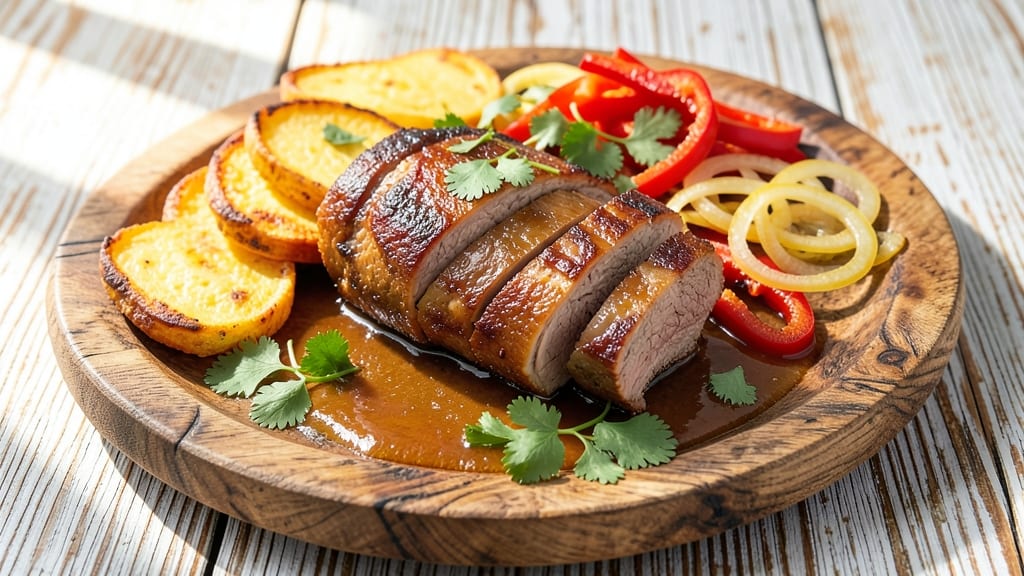
Bahamian pork souse transforms tough pork cuts into tender, vinegar-braised perfection with a crunchy pickled kick that defines island cuisine. 🌟 I first encountered this dish during my travels through the Bahamas, where families preserve pork for weeks using citrus, vinegar, and bold spices—a technique that dates back to colonial times.
The magic happens in the soaking process, where pork absorbs flavors while becoming fork-tender, ready for slow braising that develops deep, complex notes.
This recipe delivers restaurant-quality results at home with just five key ingredients and a three-day soaking period—no shortcuts, no compromises. The vinegar tenderizes while preserving the meat, and the pickled vegetables add that signature Bahamian crunch.
I've perfected the balance between tangy, spicy, and savory, ensuring every bite delivers that authentic island experience without the fuss of traditional curing methods.
By the time you serve this dish, you'll have meltingly tender pork with crisp pickled onions and carrots that cut through the richness. The aroma alone will transport you to a Bahamian beachside gathering, where this dish is served alongside fried plantains, steamed fish, and warm rum punch.
It's the kind of meal that turns a simple dinner into a celebration of heritage and flavor.
The best part? This recipe keeps beautifully for weeks, making it ideal for meal prep or gifting. Whether you're hosting a dinner party or craving a taste of the Bahamas, this pork souse delivers bold, authentic flavor with minimal effort. Let's get started on this island classic.
Ingredients for bahamian pork souse
Five key ingredients transform tough pork into Bahamian vinegar-braised perfection with island spice and crunch.
| Ingredient | Amount | Notes |
|---|---|---|
| Pork Shoulder (Bone-In) 🥩 | 2 ½ lb | Tough cuts preferred for tenderizing |
| White Vinegar 💧 | 1 ½ cups | Distilled preferred for clarity |
| Yellow Onions 🧅 | 3 whole | Large, sliced into rings |
| Carrots 🥕 | 4 medium | Whole, cut into thick rounds |
| Bay Leaves 🌿 | 4 whole | Fresh preferred for aroma |
| Allspice Berries 🌶️ | 1 tbsp | Whole berries, lightly crushed |
| Garlic Cloves 🧄 | 6 cloves | Peeled, lightly smashed |
| Scotch Bonnet Peppers 🌶️ | 2 whole | Seeds removed for mild heat |
| Salt 🧂 | 2 tbsp | Diamond Crystal preferred |
| Black Peppercorns 🌶️ | 1 tsp | Freshly cracked preferred |
| Brown Sugar 🍚 | ½ cup | Light or dark variety |
| Lemon Juice 🍋 | ¼ cup | Freshly squeezed |
| Olive Oil 🫒 | ¼ cup | For final braising |
The pork shoulder is non-negotiable—bone-in cuts deliver the best texture and flavor, though boneless works in a pinch. Look for well-marbled pork at your butcher or the meat department at Whole Foods or Trader Joe's for quality. If you're using a whole shoulder, ask for it to be cut into 2-3 lb chunks for even cooking. The vinegar should be distilled white vinegar—apple cider vinegar adds unwanted sweetness. For the Scotch bonnet peppers, Caribbean markets or specialty stores often carry them fresh, but frozen works too if you're in a hurry. Just don't skip them—they're the secret to that authentic Bahamian kick.
No allspice berries? Ground allspice at half the amount gets you close, but the whole berries infuse better. Running low on brown sugar? White sugar plus 1 tsp molasses mimics the depth. The bay leaves can be dried, but fresh leaves add a brighter aroma that really shines in this dish. For the pickled vegetables, if your carrots are small, use 6-8 baby carrots instead—just cut them into similar-sized rounds. The vinegar soak makes everything tender, so don't worry about overcrowding the jar. And trust me on the brown sugar—it balances the tang perfectly without overpowering.
This recipe gets better with time—3-5 days in the fridge is ideal for maximum flavor development. The pickled veggies stay crisp for about 1 week in the vinegar bath, but the pork itself keeps for up to 2 weeks in the fridge. For longer storage, portion the pork into airtight containers with some of the pickling liquid and freeze for up to 3 months. The aroma alone will have your kitchen smelling like a Bahamian beachside feast. Pro tip: Save the pickling liquid for cocktails—it makes an amazing sour mix for rum punch!
Why You'll Love This Recipe
- No-Fuss Cuts: I swear by bone-in pork shoulder here—it’s cheaper than pre-cut meat, and the bones add depth without extra work. Just slice, simmer, and let the vinegar do the magic while you sip tea.
- Tangy Magic: That vinegar-soaked pork? It’s not just pickled—it’s transformed. The onions caramelize into sweet pockets, the carrots stay crisp-tender, and the bay leaves? Pure aromatic gold. Honestly, the first bite makes me forget it’s technically a side.
- Budget Hero: Pork shoulder’s a steal, vinegar’s cheap, and you’re using whole spices, not fancy blends. Between us, this is how I stretch a paycheck without sacrificing taste. Not the prettiest, but the taste makes up for it—and my wallet thanks me.
Step-by-step instructions for Bahamian pork souse
This Bahamian classic transforms tough pork into melt-in-your-mouth perfection with a tangy, spiced vinegar braise.
🍳 Step 1: Sear the Pork Shoulder for Deep Flavor
Pat the 2.5 lb pork shoulder completely dry with paper towels—this ensures maximum browning. Heat a large Dutch oven over medium-high heat and add the 0.25 cup olive oil. Once shimmering, place the pork in the pot, fat-side down, and sear undisturbed for 8-10 minutes until deeply browned on all sides. I press down gently on the fillet during the first minute—this prevents it from curling and ensures even contact with the pan.
Remove the pork and set aside. The goal here is to create a rich, caramelized crust that will infuse the braising liquid with deep, meaty flavor. If your pan isn't hot enough, the pork will steam instead of sear—watch for that golden-brown crust before flipping.
👨🍳 Step 2: Build the Spiced Vinegar Base
In the same Dutch oven, add the 3 whole yellow onions (sliced into rings) and 4 medium carrots (cut into thick rounds). Cook for 5 minutes until the onions soften and begin to caramelize. Add the 6 cloves garlic cloves (lightly smashed), 2 whole Scotch bonnet peppers (seeds removed), 1 tbsp allspice berries (lightly crushed), 4 whole bay leaves, 2 tbsp salt, and 1 tsp black peppercorns. Stir everything together for 1 minute to toast the spices—this releases their essential oils and intensifies their flavor.
Pour in the 1.5 cups white vinegar and scrape up all the browned bits from the bottom of the pot with a wooden spoon. This deglazing step captures all that concentrated flavor. Bring the mixture to a simmer over medium heat for 5 minutes to let the spices infuse into the vinegar. Here's where it gets good—the vinegar will mellow out and develop a complex, slightly sweet tang that's essential for authentic Bahamian souse.
🥘 Step 3: Braise Until Fork-Tender
Return the seared pork shoulder to the Dutch oven and add enough water to just cover the meat—about 2 cups. Stir in the 0.5 cup brown sugar and 0.25 cup lemon juice. Bring to a boil, then reduce heat to low, cover, and simmer for 3 hours. This long, slow cook transforms tough pork into melt-in-your-mouth perfection. Check occasionally to ensure there's always liquid covering the meat—add a splash of water if needed.
After 3 hours, the pork should be fork-tender and easily pull apart. If it's not quite there, continue cooking for another 30-60 minutes. The meat should have a rich, dark brown color and the braising liquid should be thickened with dissolved pork collagen. This is the moment that matters: patience pays off with incredibly tender meat that practically falls apart at the touch.
⏰ Step 4: Rest and Serve with Crispy Pickled Onions
Transfer the pork to a cutting board and let it rest for 15 minutes before slicing. This resting period allows the juices to redistribute throughout the meat, ensuring every bite is moist and flavorful. While the pork rests, slice the 3 whole yellow onions (from the braising liquid) into rings and pan-fry them in a separate skillet with a little oil until crispy. These crispy pickled onions add a delightful crunchy contrast to the tender pork.
Slice the pork against the grain into ¼-inch thick pieces and serve immediately with the crispy onions scattered on top. The result should be a symphony of textures—tender, shredded pork with a tangy, spiced vinegar sauce and crispy pickled onions that cut through the richness. Don't skip the resting time (I learned the hard way)—it makes all the difference in the final texture.
Pro Tips For Making Bahamian Pork Souse
- Boil Slow and Steady: Bahamian souse isn’t a race—start with a rolling boil, then drop the heat to a gentle simmer (barely any bubbles, like a lazy Sunday morning). I used to rush this, and the meat turned out chewy. A low simmer for 2–3 hours keeps the collagen breaking down just right for that tender, fork-shreds-easily texture.
- Vinegar First, Then Meat: Add the white vinegar to the pot before the pork shoulder goes in. This lets the acid work its magic on the onions and carrots first, softening them faster and cutting through any bitterness in the meat. Skip this, and you’ll end up with a pot that smells like a science experiment gone wrong.
- Don’t Crowd the Pot: Packing the pork shoulder too tight traps steam and turns the meat mushy. Leave at least an inch of space around the bone-in cuts—this lets the broth circulate and keeps the meat firm. Trust me, your future self will curse you if you ignore this.
- Save the Vinegar Broth: The liquid after cooking isn’t trash—it’s flavor. Strain it, reduce it by half, and use it to deglaze the pot or drizzle over the souse. It’s tangy, aromatic, and the real star of the dish. (Yes, even if it looks murky—taste it first.)
Best sauces and condiments for this recipe
Tangy Vinegar Sauce
The star of Bahamian pork souse is its tangy vinegar sauce, where 1.5 cups white vinegar transforms into a complex, slightly sweet braising liquid.
The key is simmering it with allspice berries and bay leaves for 5 minutes—this infuses the vinegar with warm, earthy notes that balance the acidity. I always use distilled white vinegar because it's neutral enough to let the spices shine without adding unwanted sweetness.
For extra depth, add 1 tbsp brown sugar during the braising phase to mellow the sharpness and create that signature Bahamian sweet-tangy profile. 💧
Crispy Pickled Onions
These crunchy, vinegar-soaked onions are non-negotiable—they cut through the richness of the pork and add a delightful textural contrast. After braising, slice 3 whole yellow onions into rings and pan-fry them in 1 tbsp olive oil over medium-high heat for 3-4 minutes until golden and crisp.
The secret? Don't overcrowd the pan—they need room to crisp up properly. I like to toss them with a pinch of salt and black peppercorns before serving to enhance their natural sweetness. 🧅
Spiced Rum Glaze
For a restaurant-worthy finish, brush the sliced pork with a spiced rum glaze made by simmering ½ cup dark rum, 1 tbsp brown sugar, and 1 crushed Scotch bonnet pepper for 5 minutes until reduced by half. This adds a smoky, boozy depth that elevates the dish.
If you don't have rum, a splash of lemon juice or orange liqueur works in a pinch. Drizzle the glaze over the pork just before serving—it caramelizes slightly under the heat of the pan, creating a glossy, irresistible sheen. 🍹
Scotch Bonnet Pepper Oil
Infuse ½ cup olive oil with 2 whole Scotch bonnet peppers (seeds removed) by heating the oil gently for 10 minutes over low heat. Strain and let cool before drizzling over the finished dish. This adds a subtle, smoky heat that lingers on the palate.
I also use this oil for dipping fried plantains or conch fritters—it's a game-changer for any Bahamian-inspired meal. Store the infused oil in an airtight container in the fridge for up to 2 weeks. 🌶️
Lemon-Herb Garnish
Brighten the plate with a lemon-herb garnish of ¼ cup fresh parsley and 2 tbsp chopped cilantro, tossed with 1 tbsp lemon juice and a pinch of salt. The citrus notes refresh the palate after each bite of rich pork.
For extra flair, add thinly sliced jalapeños if you want a spicy kick. This garnish is simple but essential—it ties the dish together with a burst of freshness that balances the tangy, spiced flavors. 🍋
Pickled Carrot Slaw
Shred the 4 braised carrots into thin strips and toss them with 2 tbsp vinegar (from the braising liquid), 1 tsp sugar, and a pinch of salt. Let them sit for 10 minutes to soften slightly—this creates a sweet, tangy slaw that pairs perfectly with the pork.
The carrots stay crisp but develop a pleasant bite, adding another layer of texture. I often serve this as a side or mix it into the final dish for extra crunch. 🥕
Nutrition facts
Frequently asked questions
Can I use boneless pork instead of bone-in for Bahamian souse?
Yes, but expect slightly faster cooking and less flavor depth. Bone-in pork (like a shoulder) stays more tender and absorbs the vinegar-spice marinade better. If using boneless, increase the braising time by 30 minutes to compensate. For maximum authenticity, ask your butcher for a pork picnic shoulder—it's perfect for this recipe.
What's the shortest time I can make this without losing quality?
While traditional Bahamian souse benefits from 3-5 days of soaking, you can make a decent version in 24 hours by increasing the vinegar to 2 cups and simmering the pork for 4 hours instead of 3. The texture won't be quite as tender, but the flavors will still shine. For best results, stick with the full soaking time—patience is key!
How do I store leftover Bahamian pork souse?
Store in an airtight container with some of the braising liquid to keep it moist. It stays fresh in the fridge for up to 2 weeks and freezes beautifully for 3 months. For reheating, warm gently in a skillet with a splash of water or broth—never microwave, or the onions will turn soggy. The flavors actually improve over time!
Can I make this recipe without Scotch bonnet peppers?
Swap them for 1 tbsp hot paprika plus ½ tsp cayenne for heat, or use 1 habanero pepper (seeds removed) for a similar kick. For milder flavor, increase the allspice to 1.5 tbsp—it adds warmth without heat. The dish will still taste amazing, just with less spice.
Why does my Bahamian souse taste too vinegary?
This usually happens when the vinegar isn't properly balanced with sweetness. Add 1 extra tbsp brown sugar during braising and simmer for 10 more minutes to let the flavors meld. For extra depth, stir in 1 tbsp tomato paste—it adds umami that rounds out the acidity. Always taste as you go!