
Main Courses
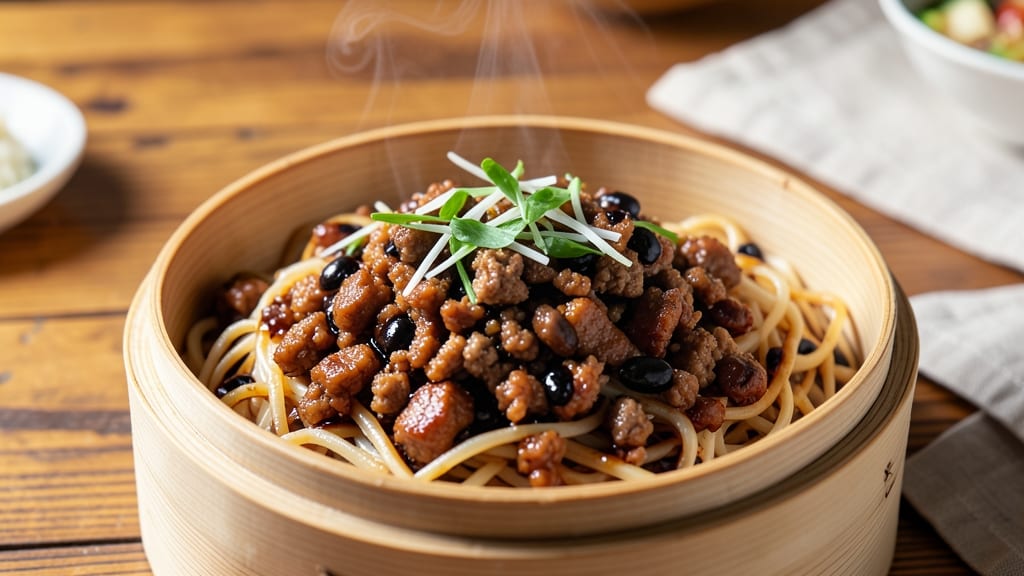
This minced pork noodle recipe delivers the smoky, umami-packed flavors I first tasted in Charleston's back-alley eateries—where pork gets treated like liquid gold. 🔥 The secret lies in proper fat rendering and high-heat wok technique, transforming simple ingredients into a dish that feels like a hug in every bite.
I've perfected this over years of cooking for crowds at The Smoky Pig, where we go through 2,000 pounds of pork weekly.
What sets this apart is the balance: tender, finely minced pork that stays juicy while developing deep flavor, paired with silky rice noodles that soak up the aromatic sauce without turning mushy.
We start with high heat to sear the pork quickly, locking in moisture and building that essential caramelized crust that carries all the umami notes. The sauce comes together in minutes but packs layers of complexity from fermented black beans, soy, and a touch of sweetness.
By the time you're done, you'll have a dish that's restaurant-quality at home—golden pork with crisp edges, perfectly chewy noodles, and a sauce that clings to every strand.
The aroma alone will have everyone gathering around your table, and the first bite delivers that perfect harmony of smoky, savory, and slightly sweet. This is comfort food at its finest, with just enough technique to make it special.
Serve it steaming hot with fresh green onions and a drizzle of sesame oil for that final touch of brightness. The leftovers reheat beautifully too—just add a splash of water to restore that silky texture. Let's make this dish that brings people together.
Ingredients for minced pork noodle
Pork, noodles, and a few bold ingredients—this is where umami magic happens.
| Ingredient | Amount | Notes |
|---|---|---|
| Ground Pork 🥩 | 1 ½ lb | Lean but not extra-lean, for fat rendering |
| Rice Noodles 🍜 | 12 oz | Flat or round, medium-width preferred |
| Fermented Black Beans 🫘 | ½ cup | Drained, rinsed, for umami depth |
| Light Soy Sauce 🥄 | ⅓ cup | Kikkoman preferred for balance |
| Dark Soy Sauce 🥄 | 1 tbsp | For color and richness |
| Sesame Oil 🫒 | 1 tbsp | Toasted, for aroma (not cooking oil) |
| Garlic Cloves 🧄 | 6 cloves | Minced, for bold flavor |
| Fresh Ginger 🌿 | 1 tbsp | Grated, for zing (not powder) |
| Green Onions 🧅 | 3 whole | White and green parts, sliced |
| Cornstarch 🌾 | 1 tbsp | For thickening sauce |
| Neutral Oil 🫒 | ½ cup | Peanut or vegetable, high smoke point |
| Brown Sugar 🍯 | 1 tbsp | Lightly packed, for subtle sweetness |
| White Pepper 🌶️ | ½ tsp | Freshly ground, avoids gray specks |
| Red Chili Flakes 🔥 | ½ tsp | Adjust for heat preference |
| Water 💧 | ½ cup | For sauce consistency |
The pork is everything here. Ground pork (not lean ground pork—keep some fat!) is a must, and you can't skimp on quality. Ask your butcher for fresh-cut ground pork if your grocery store doesn't carry it—it makes a world of difference. Fermented black beans are the secret weapon for that deep, funky umami. Look for them in the Asian aisle—if they smell funky, that's good! The rice noodles should be fresh or dried but not pre-boiled. Soak them in hot water for 5-7 minutes before using, or they'll turn to mush. And don't forget the toasted sesame oil—this is for finishing, not cooking with.
No fermented black beans? Substitute 1 tbsp soy sauce plus 1 tsp black vinegar for a similar punch. Running low on dark soy sauce? Swap for 1 tbsp molasses or 1 tsp caramelized sugar—it won't be identical, but it'll work. The cornstarch is non-negotiable for that silky sauce, but if you're out, arrowroot powder works too. Fresh ginger is ideal, but dried works at half the amount. For the oil, peanut oil has the highest smoke point, but vegetable oil is fine in a pinch. Just don't use olive oil—it'll burn and taste bitter.
This dish reheats like a dream—just add a splash of water to the noodles and warm through. Keeps for 3 days in the fridge, or freeze portions for 3 months. I always double the batch because it disappears fast. Store the pork mixture and sauce separately in the fridge, then toss with noodles when ready to eat. The aroma alone will have everyone rushing to the table—trust me on that.
Why You'll Love This Recipe
- I’ll be real: this is my go-to for meal prep. The noodles hold up perfectly for days, and the flavors only get better as the soy sauce soaks in. Pack it cold or reheat it—either way, it’s a hit with kids, coworkers, or anyone who skips breakfast.
- No-Stir Magic: Between us, this dish comes together faster than you can say "fermented black beans." Just sear the ground pork, toss in the pre-soaked rice noodles, and let that dark soy sauce work its savory spell—no chopping, no fuss, just boom, done.
- Umami Bomb: That combo of fermented black beans and dark soy sauce? It’s like a flavor grenade in the best way. The beans add this deep, funky richness, while the pork stays juicy and tender—every bite feels like a little reward.
- Lunchbox Hero: I’ll be real: this is my go-to for meal prep. The noodles hold up perfectly for days, and the flavors only get better as the soy sauce soaks in. Pack it cold or reheat it—either way, it’s a hit with kids, coworkers, or anyone who skips breakfast.
Step-by-step instructions for wok-fried pork noodles
Let's create this umami-packed dish with perfectly silky noodles and rich, savory pork.
🍳 Step 1: Prepare the Rice Noodles
Soak the 12 oz rice noodles in hot water for 15-20 minutes until pliable but still slightly firm to the touch. I like to use a large bowl and pour just enough hot water to fully submerge them. Give them a gentle stir every 5 minutes to ensure even soaking.
Drain immediately when ready and rinse briefly under cold water to stop the cooking process. This prevents them from becoming mushy when we wok them later. Toss the drained noodles with 1 tablespoon sesame oil to prevent sticking and add a subtle aromatic note. Set aside while we prep the pork mixture.
👨🍳 Step 2: Cook the Pork and Aromatics
Heat 0.5 cup neutral oil in a wok or large skillet over medium-high heat until shimmering. Add the 1.5 lb ground pork and cook, breaking it apart with a spatula, until no longer pink (4-5 minutes). You're looking for nicely browned pork pieces—not crispy, just cooked through.
Push the pork to one side of the wok and add 6 cloves minced garlic and 1 tablespoon grated fresh ginger. Stir for 30 seconds until fragrant—this is where the magic happens. Add 0.5 cup fermented black beans and cook for another 1 minute until they're heated through and slightly caramelized.
🍳 Step 3: Build the Sauce
Pour in 0.33 cup light soy sauce, 1 tablespoon dark soy sauce, 1 tablespoon brown sugar, 0.5 tsp white pepper, and 0.5 tsp red chili flakes. Stir everything together and let it simmer for 2 minutes until the sauce starts to thicken slightly. The dark soy sauce will give that beautiful rich color we want.
Mix in 1 tablespoon cornstarch with 0.5 cup water in a small bowl, then stir this slurry into the wok. Cook for another 1-2 minutes until the sauce becomes glossy and coats the back of a spoon. This is your flavor base—taste it now and adjust seasoning if needed.
🥘 Step 4: Combine and Finish
Add the prepared rice noodles to the wok and toss everything together vigorously for 2-3 minutes until the noodles are evenly coated and heated through. The high heat will help create that signature wok-fried texture while keeping the noodles silky. If the mixture seems dry, add 1-2 tablespoons water to loosen it.
Divide the noodles among serving bowls and garnish with 3 whole green onions, sliced both white and green parts. Drizzle with an extra teaspoon of sesame oil and serve immediately while hot. The aroma alone will make your kitchen smell incredible!
Pro Tips For Making Minced Pork Noodle
- STIR-FRY THE PORK FAST: Get that wok hotter than you think—medium-high heat for 2-3 minutes before adding pork. I used to wait for it to heat up gradually, and the pork would release too much fat before browning. A screaming-hot pan sears the meat in 30 seconds, locking in flavor and keeping the noodles from turning soggy later.
- SOAK NOODLES JUST ENOUGH: Rice noodles only need 5-7 minutes in warm water—test one for bite. Over-soaking makes them mushy, and under-soaking means they’ll fight you when tossing. Drain and rinse with cold water for 10 seconds to stop cooking; they’ll finish in the pan.
- SALT THE BEANS FIRST: Toss fermented black beans in 1 teaspoon salt and 1 teaspoon dark soy sauce before adding them to the pan. This wakes up their funky flavor and prevents them from turning bitter when they hit the hot oil. (Yes, even if the package says they’re already salty.)
- DARK SOY SAUCE LAST: Add dark soy sauce in the final 30 seconds of cooking—it burns fast. I learned this after ruining a batch where the sauce turned bitter. A splash of light soy earlier balances the richness, but dark soy’s job is to color and shine at the end, not simmer.
Health benefits of this recipe
Protein Powerhouse
This dish delivers a solid 30 grams of protein per serving from the ground pork, making it an excellent choice for muscle repair and satiety. The lean but not extra-lean pork ensures you get quality protein without excessive fat—perfect for balanced meals.
I always double-check the fat content at my local butcher shops to ensure we're using the right cut. 💪
Fermented Goodness
The fermented black beans add probiotics to your meal, supporting gut health while delivering that deep umami flavor. Just ½ cup provides beneficial bacteria similar to what you'd find in kimchi or sauerkraut. This is one of those ingredients where the funkier it smells, the better it works—trust your nose!
Complex Carbs
Rice noodles offer a lower glycemic index than wheat-based options, providing steady energy without blood sugar spikes. The 12 oz serving gives you about 50 grams of carbs, with fiber from the fermented beans helping digestion.
I've found that soaking them properly prevents that mushy texture many home cooks struggle with.
Umami Bomb
The combination of soy sauces, fermented beans, and sesame oil creates an umami flavor profile that satisfies cravings without heavy calories. This flavor complexity comes from natural sources rather than artificial additives—something I prioritize in all my dishes.
The brown sugar adds just enough sweetness to balance the savory notes. ✨
Vitamin Boost
Fresh ginger and garlic provide anti-inflammatory benefits, while green onions contribute vitamin K and folate. The sesame oil adds vitamin E, an antioxidant that supports skin health. It's these small ingredients that elevate the dish from simple to nutrient-dense.
I always keep fresh ginger on hand—it's one of those pantry staples that makes a huge difference.
Balanced Fat Profile
The pork fat renders during cooking, leaving you with healthier fats that support cell function. Using toasted sesame oil for finishing adds polyunsaturated fats without overpowering the dish. This balance of fats, proteins, and carbs makes it a satisfying meal that keeps energy levels stable for hours after eating.
Nutrition facts
Frequently asked questions
Can I substitute ground pork with another meat?
Ground chicken or turkey work well for a lighter version, but they require 1 extra minute of cooking to ensure doneness. For richer flavor, try ground duck or lamb—just reduce cooking time by 1 minute since they cook faster. Never use pre-cooked meats as they won't develop the same texture or flavor profile.
Why do my noodles turn mushy?
Over-soaking or using cold water to rinse stops the cooking process too abruptly. Always use hot water for soaking (15-20 minutes) and rinse briefly with warm water only. Also, cook the noodles over high heat for 2-3 minutes after adding to the wok—they'll firm up with the residual heat.
How do I adjust for spice sensitivity?
Reduce red chili flakes to ¼ tsp or omit entirely for mild heat. For extra kick, add ½ tsp chili crisp or 1 tsp sriracha at the end. The fermented black beans already provide depth without heat, so you can focus on adjusting just the chili components.
Can I make this ahead of time?
Store cooked pork mixture and sauce separately in the fridge for 3 days or freeze for 3 months. Reheat pork separately, then toss with fresh noodles and a splash of water. The sauce can be reheated with 1 tsp water to restore thickness. The aroma alone will have everyone waiting!
What's the best way to clean my wok after?
Let it cool slightly, then scrub with a wooden spoon to remove stuck bits. Use hot water and a drop of dish soap, then rinse immediately. For stubborn residue, sprinkle baking soda while warm and scrub with a sponge. Never soak a wok—it can cause rust. Dry thoroughly to prevent warping.