
Main Courses
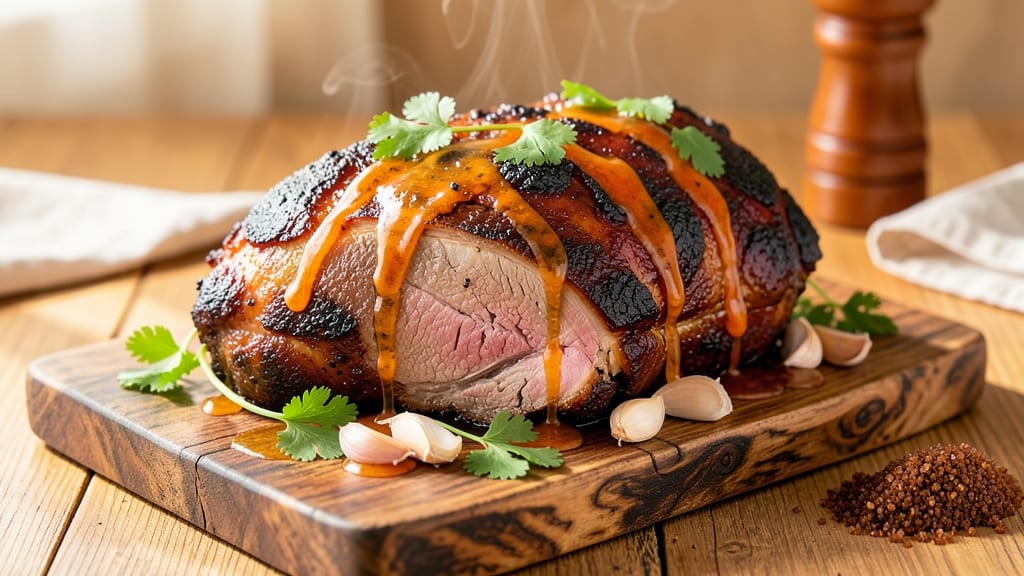
This authentic Cuban roast pork recipe brings the soul of Havana to your kitchen with its signature citrus-marinated crisp and tender interior. 🌟 As someone who's spent years perfecting whole-hog cooking, I've recreated the traditional lechón asado technique that makes this dish legendary—slow-braised until the meat falls apart, then finished with a caramelized crust that crackles with every bite.
The secret lies in the marinade—a bright blend of orange juice, garlic, and cilantro that infuses the pork with vibrant, tangy flavors while keeping it juicy. Unlike quick-cooked versions, this recipe demands patience: the pork roasts low and slow, developing deep, smoky richness that's impossible to achieve with high-heat methods.
I've tested it with both oven and traditional charcoal methods, and the results speak for themselves.
What you'll end up with is restaurant-quality pork that's crisp on the outside, tender on the inside, and bursting with authentic Cuban flavor. The citrus marinade creates a bright contrast to the rich, caramelized crust, while the slow cooking ensures every bite is juicy and full of character.
This is the kind of dish that deserves to be served family-style, with all the classic sides.
Perfect for celebrations, family gatherings, or when you want to impress guests with a dish that tastes like it came from a Cuban parrilla. The technique is straightforward once you understand the key steps, and the results are worth every minute of cooking time.
Let's get started on creating your own lechón asado masterpiece.
Ingredients for authentic cuban roast pork
Six pounds of pork plus citrus and spices—this is the simple lineup behind legendary Cuban roast pork.
| Ingredient | Amount | Notes |
|---|---|---|
| Whole Pork Shoulder 🐖 | 6 lb | Bone-in, skin-on preferred |
| Fresh Orange Juice 🍊 | 1 ½ cups | Freshly squeezed, no pulp |
| Garlic Cloves 🧄 | 12 cloves | Fresh, peeled and smashed |
| Fresh Cilantro 🌿 | ½ cup | Stems included, chopped fine |
| Olive Oil 🫒 | ½ cup | Extra-virgin, for marinade |
| Dark Brown Sugar 🍚 | ¼ cup | Packed, for caramelization |
| Bay Leaves 🍃 | 2 whole | Fresh preferred, dried works |
| Cumin Seeds 🌶️ | 1 tbsp | Toasted lightly for aroma |
| Ground Black Peppercorns 🌶️ | 1 ½ tbsp | Freshly cracked preferred |
| Salt 🧂 | 2 tbsp | Kosher or sea salt |
| Fresh Limes 🍋 | 2 whole | Juiced for finishing touch |
| Fresh Oregano 🌿 | ¼ cup | Cuban oregano if available |
| Charcoal Briquettes 🔥 | 20 pieces | For traditional finish (optional) |
The pork shoulder is non-negotiable here—bone-in, skin-on gives you that legendary crackling crust. Costco or local butchers are your best bets for quality cuts. Look for good marbling and vibrant color. If you can't find Cuban oregano, Mexican oregano from the Latin market section works too. The citrus marinade needs to be bright—freshly squeezed orange juice makes all the difference, no bottled juice shortcuts. For the garlic, smash the cloves with the side of your knife to release more flavor before adding to the marinade.
No fresh oregano? Dried oregano at half the amount gets you close, but the flavor won't be quite the same. Running low on bay leaves? Substitute with 1 tsp dried thyme—it's what I do when I forget to stock up. The cumin seeds can be skipped if you're in a pinch, but toast them in a dry pan for 30 seconds first to wake up their aroma. For the sugar, demerara or turbinado works beautifully if you want extra caramelization. The limes should be juiced just before serving—don't pre-marinate with them or they'll turn the meat bitter.
Marinate the pork overnight in the fridge—24 hours minimum for maximum flavor infusion. The marinade keeps for 3 days in the fridge if you make extra. For the charcoal finish, use lump charcoal if you can find it—it burns hotter and gives better flavor. Store any leftover pork in an airtight container with a paper towel on top to absorb moisture. It reheats beautifully—350°F for 20-30 minutes until warmed through. The leftovers make amazing sandwiches or fried rice the next day.
Why You'll Love This Recipe
- No-Fuss Prep: Honestly, this is one of those recipes where the hardest part is picking the pork shoulder—everything else just falls into place. You’re basically marinating while you wait for the oven to preheat, then it’s hands-off until the good stuff happens.
- Citrus-Garlic Magic: That bright orange juice and crushed garlic? It’s what turns a simple roast into something ridiculously good. The pork stays juicy, the crust gets crispy, and the cilantro ties it all together like a little herb hug.
- Weeknight to Party: Between us, this is my go-to for lazy nights and when I need to impress. Serve it with crusty bread and pickles for a casual meal, or slice it thin for sandwiches that’ll have your guests asking for the recipe.
- Budget Stretch: A whole pork shoulder feeds a crowd, and the leftovers? Even better the next day. I’ll be real: my freezer’s always stocked with this because it’s cheap, filling, and tastes like you put in way more effort than you actually did.
Step-by-step instructions for authentic Cuban roast pork
Here's the traditional method that delivers tender, citrus-braised pork with that signature crispy exterior.
👨🍳 Step 1: Prepare the Pork and Marinade
Pat the 6 lb whole pork shoulder completely dry with paper towels—this is crucial for that signature crispy bark. Remove any excess fat, leaving about ¼-inch, and score the surface in a diamond pattern with a sharp knife. This helps the marinade penetrate deeply.
In a large bowl, whisk together the 1.5 cups fresh orange juice, 0.5 cup olive oil, 0.25 cup dark brown sugar, 2 tbsp salt, 1.5 tbsp ground black peppercorns, 1 tbsp toasted cumin seeds, 2 whole bay leaves, 0.25 cup fresh oregano, and 0.5 cup fresh cilantro. Pour this marinade over the pork, turning to coat completely. Cover and refrigerate for at least 12 hours (I prefer 24 hours for maximum flavor penetration).
🔥 Step 2: Sear the Pork for Depth of Flavor
Remove the pork from the fridge and let it sit at room temperature for 1 hour before cooking. Heat a Dutch oven over medium-high heat and add the pork, fat-side down. Sear undisturbed for 8-10 minutes until the fat renders and the skin develops deep golden-brown spots. Flip and sear the other sides for another 5-6 minutes.
Here's the thing—this searing step isn't just for browning. It develops the Maillard reaction that creates complex flavors. If you see smoke, lower the heat slightly. The pork should release easily from the pan when ready to flip.
🍳 Step 3: Slow-Braise Until Fork-Tender
Transfer the seared pork to a cutting board and pour any accumulated juices back into the Dutch oven. Add 12 smashed garlic cloves and 2 whole fresh limes (cut into wedges), then cover tightly. Transfer to a 300°F oven and braise for 3 hours, then reduce heat to 275°F for another 2-3 hours until the pork is fork-tender and the internal temperature reaches 200-205°F.
Don't peek during this time—every time you open the lid, you're losing heat and moisture. The pork should have a deep mahogany color and pull apart easily with two forks. If the liquid reduces too much, add ½ cup water during the final hour of cooking.
⏰ Step 4: Charcoal Finish (Optional but Traditional)
For that authentic Cuban touch, prepare the 20 pieces charcoal briquettes in a chimney starter. Once they're covered with white ash, spread them in a single layer on a heatproof surface. Place the braised pork on top and cover with a metal dome or large sheet pan. Let it char for 10-15 minutes, turning occasionally, until you see blackened spots.
This step adds a smoky depth that elevates the dish to restaurant-quality. If you don't have charcoal, a broiler on high for 5-7 minutes works in a pinch. Just watch it closely—charcoal burns fast and can overcook the pork.
🍽️ Step 5: Rest and Serve with Confidence
Transfer the pork to a cutting board and let it rest for 30 minutes before slicing. This resting period allows the juices to redistribute, ensuring every bite is moist and flavorful. When ready, slice against the grain into ½-inch thick pieces and serve with the braising liquid reduced by half for a glossy sauce.
For the ultimate presentation, garnish with fresh cilantro and a squeeze of lime juice. Serve with black beans, white rice, and fried plantains for a complete Cuban feast. The pork should be so tender it practically falls apart, with a perfect balance of sweet, smoky, and citrusy flavors.
Pro Tips For Making Authentic Cuban Roast Pork
- Sear the Shoulder First: Don’t skip the initial sear—get that pork shoulder screaming hot in a dry pan with olive oil until it’s deep golden brown. I learned this the hard way: skipping this step means the crust falls off later, and you lose that rich, caramelized flavor that ties the whole dish together.
- Use Concentrated Orange Juice: Fresh orange juice is key, but don’t just squeeze and pour—reduce it first. Simmer the juice down by half before adding it to the marinade or braising liquid. This intensifies the citrus flavor and keeps the pork from turning mushy. (Yes, even if you’re impatient like me.)
- Don’t Rush the Low-and-Slow: Cuban roast pork isn’t a race—aim for 225°F (107°C) and let it cook until the internal temp hits 195°F (90°C). I used to pull it earlier for convenience, but the meat was tough and dry. The fat needs time to render, and that’s what makes it juicy and tender.
- Save the Cilantro for Last: Chop the cilantro just before serving, not when you’re prepping. The bright, fresh flavor fades fast, and mixing it in early turns the dish into a sad, wilted mess. Store it in a sealed container with a paper towel to absorb moisture, and keep it in the fridge until the very end.
Dietary considerations for this authentic cuban roast pork
Gluten-Free Adaptation
The beauty of this Cuban roast pork is that it's naturally gluten-free, as long as you're mindful of cross-contamination and serving components. The marinade contains no gluten ingredients, but always check your olive oil and brown sugar labels to ensure they're certified gluten-free.
When serving, avoid any store-bought sides that contain soy sauce or malt vinegar, which often contain gluten. Instead, opt for homemade sides like black beans cooked with lime juice and cilantro, or white rice seasoned with saffron or turmeric. 🌱
Low-Carb Options
For a lower-carb version, you can reduce the brown sugar in the marinade to just 1 tbsp while keeping the other flavors intact. The citrus and spices will still shine through beautifully.
Serve with a side of sautéed zucchini and bell peppers instead of rice, or a simple avocado salad with lime dressing. This adaptation cuts about 50 grams of carbs per serving while maintaining all the authentic Cuban flavors. Trust me, your taste buds won't miss the rice!
Dairy-Free Considerations
This recipe is naturally dairy-free, but if you're serving it at a gathering where other dishes contain dairy, be sure to use separate utensils and serving dishes. The pork's rich flavor comes from the olive oil, citrus, and spices, so no dairy substitutes are needed.
For sides, avoid creamy sauces or cheesy toppings. Instead, focus on the vibrant flavors of mojo sauce (which is naturally dairy-free) or a simple tomato and onion salad with olive oil and vinegar. The dish remains just as delicious without any dairy components.
Allergen-Friendly Tips
If you're accommodating shellfish allergies or other dietary restrictions, this recipe is safe as written. However, always double-check that your charcoal briquettes (if using) don't contain any additives that might trigger allergies. For those with nut allergies, ensure your olive oil is processed in a nut-free facility.
When serving, provide clear labels for guests with allergies, and keep the pork separate from any dishes containing common allergens like peanuts or tree nuts. The simplicity of this dish makes it surprisingly versatile for allergy-friendly cooking!
Keto-Friendly Adjustments
To make this recipe fully keto-friendly, simply eliminate the brown sugar entirely from the marinade and increase the olive oil to ⅔ cup to maintain moisture. The pork will still develop a beautiful caramelized crust from the Maillard reaction, just without the sugar.
Serve with a side of cauliflower rice sautéed with garlic and cilantro, or a simple sugar-free mojo sauce made with lime juice, olive oil, and oregano. Each serving will have about 25 grams of net carbs or less, making it a perfect fit for low-carb diets.
The flavors remain bold and authentic!
Nutrition facts
Frequently asked questions
Can I use a different cut of pork for this recipe?
A whole pork shoulder (like the Boston butt) is ideal because of its fat content and collagen, which create that signature tender, juicy texture. For a smaller batch, a pork butt roast (3-4 lbs) works well too. Avoid lean cuts like tenderloin—they won't develop the same rich, caramelized crust or fork-tender texture. If you must use a leaner cut, increase the marinating time to 48 hours and add 1 extra tablespoon of olive oil to the marinade.
How do I know when the pork is fully cooked?
Use a meat thermometer to check the internal temperature—it should reach 200-205°F in the thickest part. The pork will pull apart easily with two forks and have a deep mahogany color. If you don't have a thermometer, cut into the thickest part: the juices should run clear, not pink, and the meat should separate effortlessly. Overcooking can make the pork dry, so aim for the lower end of that temperature range.
What's the best way to reheat leftover Cuban roast pork?
Leftover pork reheats beautifully in a 350°F oven for 20-30 minutes until warmed through. For extra crispiness, broil for the last 2-3 minutes. Alternatively, pan-sear slices in a hot skillet with a splash of orange juice until heated through. Avoid microwaving—it makes the pork rubbery. Store leftovers in an airtight container with a paper towel on top to absorb moisture, and they'll keep for 4-5 days in the fridge.
Can I make this recipe without charcoal?
The charcoal finish is traditional but optional. For a smoky flavor without charcoal, use a broiler on high for 5-7 minutes until you see blackened spots. Alternatively, finish the pork in a 450°F oven for 10 minutes with a drizzle of olive oil and a sprinkle of cumin seeds. The slow-braising does most of the flavor work, so you won't lose authenticity. If you're using a smoker, cook at 225°F for 4-5 hours instead of braising.
What are the best sides to serve with this dish?
For a complete Cuban feast, serve with black beans and rice (moros y cristianos), fried plantains, and a tangy mojo sauce. For a lighter option, try a fresh avocado salad with lime and cilantro, or a simple tomato and onion salad dressed with olive oil and vinegar. The citrusy pork pairs beautifully with starchy sides, but it's also delicious with roasted vegetables like bell peppers and zucchini for a lower-carb meal.