
Main Courses
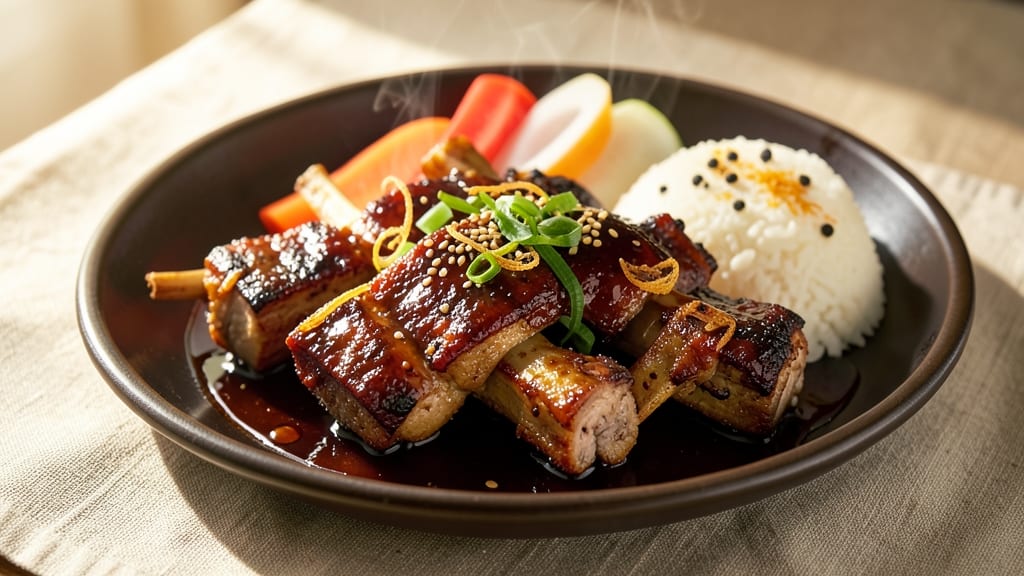
This Asian pork short ribs recipe transforms tough cuts into melt-in-your-mouth perfection with just a few hours of slow braising. 🔥 I first discovered this technique while working at a Charleston seafood restaurant, where the chef let me experiment with leftover pork cuts—turns out, the secret was patience and a bold soy-ginger marinade.
The ribs end up so tender they practically fall apart, making every bite worth the wait.
The magic happens in the marinade—equal parts soy sauce, brown sugar, and aromatic spices like star anise and cinnamon that infuse deep flavor into the meat. I swear by using bone-in short ribs for maximum richness, and the slow cooker method ensures even tenderness without drying out.
This isn’t your average weeknight meal; it’s the kind of dish that turns simple ingredients into something restaurant-worthy.
By the end, you’ll have ribs that are glossy, caramelized, and falling off the bone, served with steamed jasmine rice to soak up every last drop of that sticky-sweet sauce.
The aroma alone will have everyone gathering around the table—this is comfort food at its finest, with just a touch of sophistication. Trust me, once you try this method, you’ll never buy pre-cooked ribs again.
Pair with quick-pickled cucumbers or a simple stir-fry to round out the meal—this recipe scales perfectly for a crowd or leftovers that taste even better the next day. Let’s get cooking!
Ingredients for asian pork short ribs
Bone-in pork, aromatic spices, and a slow-cooker secret transform tough ribs into restaurant-worthy tenderness.
| Ingredient | Amount | Notes |
|---|---|---|
| Bone-In Pork Short Ribs 🍖 | 3 lb | 2-3 inches thick, trimmed of excess fat |
| Kosher Salt 🧂 | 2 tbsp | Diamond Crystal preferred for accuracy |
| Black Peppercorns 🌶️ | 1 ½ tbsp | Freshly cracked for robust flavor |
| Coconut Oil 🫒 | ½ cup | For searing, high smoke point |
| Low-Sodium Soy Sauce 🍶 | ½ cup | Kikkoman preferred for balance |
| Dark Brown Sugar 🍚 | ½ cup | Packed, for caramelized depth |
| Fresh Ginger 🌿 | ½ cup | Julienned, skin removed |
| Garlic Cloves 🧄 | 8 cloves | Smashed, for aromatic punch |
| Star Anise Pods 🌟 | 4 whole | Lightly crushed for infusion |
| Cinnamon Sticks 🌳 | 2 whole | 2-inch pieces for warmth |
| Red Wine 🍷 | 1 cup | Dry Cabernet Sauvignon preferred |
| Beef Bone Broth 💧 | 2 cups | Homemade or high-quality store-bought |
| Sesame Oil 🫒 | 1 tbsp | Toasted for nutty aroma |
| Green Onions 🧅 | ¼ cup | Sliced, for fresh garnish |
| Jasmine Rice 🍚 | 1 ½ cups | Uncooked, for serving |
The ribs are non-negotiable—bone-in short ribs from the butcher counter (not pre-cut) give the best flavor and texture. Look for cuts with good marbling, which means they'll stay juicy. Whole Foods or your local butcher usually carry them, and if you're buying in bulk, Costco has a great price. Trim any large fat deposits before searing, but leave some fat for flavor. The ginger and garlic? Fresh is mandatory—dried just won't cut it here. I always double-check the ginger for soft spots, and if it's not perfect, I'll peel it extra carefully to avoid bitterness.
No star anise? Anise seeds or fennel seeds work in a pinch, but the whole pods infuse better. Running low on red wine? Dry sherry or even extra soy sauce keeps the depth. The brown sugar is key—don't use white, or you'll miss that caramelized richness. For the sesame oil, Kadoya brand from Trader Joe's is my go-to, but any toasted sesame oil will do. If you're short on time, you can skip the sear and just brown the ribs in the slow cooker, but trust me, that first crispy crust makes all the difference.
This sauce gets better with time, so make a double batch—freeze half for next time. The ribs reheat beautifully; just warm them in the sauce for 10 minutes on low. Store leftovers in the fridge for 4 days or freeze for 3 months. I always portion the sauce separately so I can drizzle it over rice or noodles later. The rice? Cook it in the same pot you braised the ribs—it'll absorb all that delicious flavor. And if you've got extra sauce, brush it on grilled chicken or toss it with tofu for a quick stir-fry.
Why You'll Love This Recipe
- Foolproof Start: I swear by the sear—just salt the ribs, hit them with coconut oil, and let that pan get smoking hot. No fancy prep, no stress, and the bones? They practically fall off the bone when braised.
- Umami Bomb: That low-sodium soy sauce and black peppercorns? Deep, salty-sweet magic. The ribs stay juicy inside while the edges caramelize—like a hug in your mouth, but better.
- Weeknight to Party: Same recipe works for Tuesday takeout or Sunday dinner. Double the batch, freeze half, and boom—you’ve got a crowd-pleaser that feels fancy but costs less than delivery.
- Leftovers Win: The sauce gets richer overnight, and reheated ribs? Even better. My kids fight over the bones (yes, really), and I get to pretend I’m a short-order cook. Budget-friendly, too—one cut of meat stretches for days.
Step-by-step instructions for Asian pork short ribs
Here's how to transform tough short ribs into melt-in-your-mouth perfection with rich Asian flavors.
🔥 Step 1: Sear the Ribs for Deep Flavor
Pat the 3 lb bone-in pork short ribs completely dry with paper towels—this ensures maximum browning. Heat 0.5 cup coconut oil in a heavy Dutch oven over medium-high heat until shimmering. Working in batches to avoid crowding, sear the ribs on all sides for 3-4 minutes per side until they develop a deep golden brown crust.
Here's the thing—I press down gently on the ribs during the first minute of searing. This prevents them from curling and ensures even contact with the hot oil. Transfer the seared ribs to a plate as you work, keeping them warm. Don't skip this step: that caramelized crust is where all the flavor lives.
👨🍳 Step 2: Build the Aromatic Base
In the same Dutch oven, reduce heat to medium and add 0.5 cup julienned fresh ginger and 8 smashed garlic cloves. Cook for 2-3 minutes until the ginger becomes fragrant and just starts to color. Add 4 lightly crushed star anise pods and 2 cinnamon sticks, stirring for 30 seconds to toast the spices—this releases their essential oils.
Now add 0.5 cup dark brown sugar and let it melt slightly for 1 minute, stirring constantly. The sugar will turn into a light caramel, forming the foundation for your sauce. This is where the sweet-savory balance begins—don't rush this step or you'll miss the flavor development.
🍳 Step 3: Deglaze and Simmer the Ribs
Pour in 1 cup dry red wine and scrape up all those delicious browned bits from the bottom of the pot with a wooden spoon. Let the wine simmer for 3-4 minutes until reduced by half. This deglazing step captures all the meaty flavor that would otherwise go down the drain.
Return the ribs to the pot along with 0.5 cup low-sodium soy sauce and 2 cups beef bone broth. Bring to a gentle simmer, then cover and transfer to a 300°F oven. Here's the critical part: the ribs need to cook slowly for 3 hours until they're fork-tender. The liquid should reduce to a rich, glossy sauce by the end.
⏰ Step 4: Finish with Sesame Oil and Rest
After 3 hours, remove the ribs and strain the cooking liquid through a fine-mesh sieve into a clean saucepan. Skim off any remaining fat, then return the liquid to medium heat. Stir in 1 tbsp toasted sesame oil and simmer for 5-7 minutes until the sauce thickens slightly to coat the back of a spoon.
Return the ribs to the sauce and let them soak for 10 minutes to absorb all that glorious flavor. Here's the secret to serving: let the ribs rest for 15 minutes before slicing. This allows the juices to redistribute throughout the meat, ensuring each bite is impossibly tender. Garnish with 0.25 cup sliced green onions just before serving.
🥘 Step 5: Serve Over Jasmine Rice
While the ribs rest, cook 1.5 cups jasmine rice according to package instructions. The rice should be fluffy and separate—this neutral base lets the rich rib flavors shine. To serve, spoon the rice onto plates and top with sliced ribs and the reduced sauce. The contrast of tender meat with the slightly sticky rice is what makes this dish so satisfying.
I like to serve this with a simple side of steamed bok choy or a quick stir-fried vegetable. The ribs should fall apart with just a gentle pull, and each bite should deliver that perfect balance of sweet, salty, and umami flavors. Leftovers? They actually taste better the next day as the flavors meld even more.
Pro Tips For Making Asian Pork Short Ribs
- SEAR THE FAT FIRST: Bone-in short ribs release a ton of fat when seared—don’t wipe it off. That golden crust comes from the fat rendering, and skipping this step means flavor and texture will suffer. Use a heavy pan and let it sizzle for 3-4 minutes per side before touching with soy sauce.
- SALT THE MEAT LONG BEFORE COOKING: I used to salt ribs right before searing, but that’s a mistake. Salt them 24 hours ahead (or at least 4 hours), then pat dry before cooking. This breaks down the meat fibers and ensures deep seasoning—no bland, dry results here.
- DON’T CROWD THE PAN: Overlapping ribs steams them instead of searing. Work in batches if needed—crowded ribs turn out soggy and pale. A single layer in hot oil guarantees that crispy, caramelized crust we’re after.
- LOW AND SLOW AFTER SEARING: After the initial sear, drop the heat to medium-low and cover the pan. Let the ribs cook undisturbed for 10-15 minutes before adding soy sauce—this keeps them tender without burning. Rushing this step = tough meat.
Wine and beer pairings for this recipe
Asian-Inspired Red Wines
For these rich, sweet-savory ribs, I always reach for a dry Cabernet Sauvignon or Syrah with enough body to stand up to the caramelized sauce. A 2018 Napa Valley Cabernet from Caymus Vineyards (around $60) delivers bold dark fruit and earthy notes that mirror the dish’s umami depth.
If you prefer something more approachable, a Chinese Cabernet like Chateau Changyu (about $15) offers similar structure with a touch of spice that complements the star anise and cinnamon in the marinade. 🍷
Crisp White Alternatives
Don’t overlook whites—especially when serving with lighter sides. A dry Riesling like Dr. Loosen Blue Slate (around $25) cuts through the richness with its citrus acidity, while a Japanese Sake (like Dassai Junmai, $12) adds a subtle fermented note that echoes the soy and ginger flavors.
For a budget pick, Trader Joe’s Chenin Blanc (under $10) surprises with its mineral finish and pairs beautifully with the dish’s caramelized edges.
Craft Beer Harmony
A Japanese IPA like BrewDog Punk IPA (around $6) might seem bold, but its piney hops balance the dish’s sweetness without overpowering. For something smoother, a Belgian Witbier (such as Hoegaarden, $4) brings coriander and citrus that play off the ginger and green onions.
If you’re serving with pickled veggies, a light lager like Asahi Super Dry keeps the meal crisp and refreshing.
Non-Alcoholic Pairings
For a mocktail that mirrors the dish’s complexity, blend sparkling water, 1 tbsp lime juice, and ½ tsp honey with a pinch of toasted sesame seeds—the effervescence cleanses the palate between bites.
A yuzu soda (like San Pellegrino Yuzu) adds a bright, floral note that complements the star anise. For something richer, serve coconut milk chai tea (steep 1 chai bag in 1 cup hot coconut milk)—the cinnamon and cardamom tie into the ribs’ spice profile. ✨
Regional Adaptations
In Charleston, I’d pair these ribs with a local Sazerac (rye whiskey-based) to highlight the dish’s Southern-Asian fusion. For a Georgia twist, swap the red wine for a peach brandy (like Georgia Peach Brandy) and serve with peach slices on the side.
In Atlanta, a craft stout (such as Atlanta Beer Company’s Red Brick Ale) adds malty depth that stands up to the braising sauce.
Nutrition facts
Frequently asked questions
Can I use boneless pork short ribs for this recipe?
While possible, I strongly recommend bone-in ribs—they stay juicier and develop richer flavor during the long cook. The bone adds depth to the sauce and helps maintain moisture. If you must use boneless, reduce the cook time by 20-30 minutes since they'll tenderize faster. For best results, look for pork shoulder cut into rib-sized pieces from your butcher.
How do I adjust this recipe for an Instant Pot?
Transfer the seared ribs to your Instant Pot with all marinade ingredients. Cook on high pressure for 60 minutes (not quick release). Once done, let pressure release naturally for 15 minutes, then finish by reducing the sauce on the stovetop. The Instant Pot version saves time but requires extra monitoring to prevent overcooking.
What's the best way to reheat leftovers?
Place ribs and sauce in an oven-safe dish, cover with foil, and warm at 325°F for 20 minutes. For microwave reheating, cover with a damp paper towel and heat in 30-second intervals until warmed through. The sauce should be gently reheated separately to maintain its glossy texture. Leftovers actually improve as flavors meld!
Can I substitute beef short ribs for pork?
Yes, but expect a different texture and flavor profile. Beef short ribs require 45-60 minutes longer of cooking and benefit from additional spices like black pepper and bay leaves. The sauce will be richer, but the meat will be more tender than pork. If substituting, use 1:1 ratio and monitor closely after the recommended cook time.
Why did my ribs turn out tough instead of tender?
This usually happens from one of three issues: not enough cooking time (pork ribs need at least 3 hours for collagen breakdown), high heat (keep oven at 300°F max), or not enough liquid (add ½ cup broth if needed). Always check internal temperature—ribs should reach 195°F for perfect tenderness. The sauce should coat the back of a spoon by the end.