Main Courses
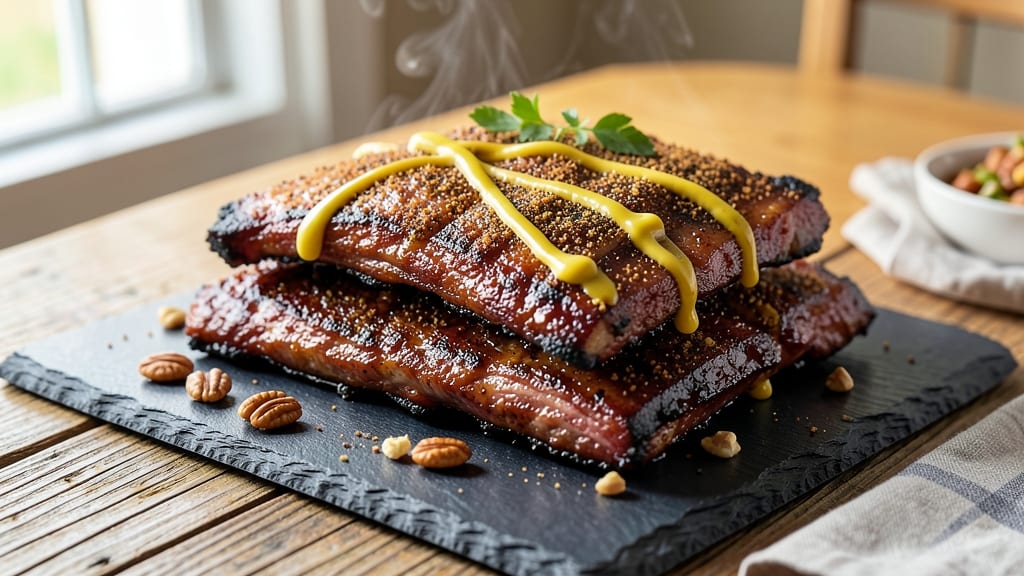
This American pork ribs recipe delivers the kind of melt-in-your-mouth tenderness that turns every bite into a revelation. 🔥 After years of perfecting the 3-2-1 method—3 hours of smoke, 2 hours of steam, 1 hour of crisp—you’ll get ribs that practically fall apart at the touch of a fork.
The secret lies in patience and precision, not shortcuts, but the results speak for themselves.
What makes this recipe stand out is its balance of tradition and technique. We start with a dry rub that builds flavor through osmosis, then use a combination of indirect heat and foil wrapping to break down collagen without drying out the meat.
The key temperature range of 195–203°F ensures that fat renders perfectly, creating ribs that are tender yet still hold their shape when plated.
By the time you’re done, you’ll have ribs that are rich, caramelized, and infused with smoky depth—exactly what you’d expect from a pitmaster’s table. The bark will be crisp enough to stand up to a toothpick, while the meat inside will be so tender it practically dissolves.
This isn’t just another ribs recipe; it’s a lesson in how to transform a simple cut of pork into something extraordinary.
Whether you’re grilling, smoking, or using your oven, this method delivers consistent results every time. The best part? Once you master it, you’ll never settle for anything less than restaurant-quality ribs at home. Let’s get started.
Ingredients for american pork ribs
Four pounds of meaty ribs plus a few pantry staples—this is your shortcut to restaurant-quality ribs at home.
| Ingredient | Amount | Notes |
|---|---|---|
| Pork Baby Back Ribs 🍖 | 4 lb | Bone-in, meaty ends preferred |
| Yellow Mustard 🍯 | ½ cup | For sticky bark application |
| Brown Sugar 🍚 | ½ cup | Light or dark works |
| Smoked Paprika 🌶️ | 2 tbsp | For deep smoky flavor |
| Garlic Powder 🧄 | 1 tbsp | Freshly ground preferred |
| Onion Powder 🧅 | 1 tbsp | For sweet depth |
| Ground Black Pepper 🌶️ | 1 tbsp | Freshly cracked |
| Kosher Salt 🧂 | 1 tbsp | Diamond Crystal preferred |
| Apple Cider Vinegar 🍎 | 2 tbsp | For tangy balance |
| Wood Chips (Hickory or Oak) 🌳 | 2 cups | Soaked for 1 hour |
| Aluminum Foil 📄 | 1 sheet | Heavy-duty preferred |
| Water 💧 | ½ cup | For spritzing during cook |
The ribs are non-negotiable—baby back ribs with the meaty ends give the best flavor. Costco or local butchers usually have them pre-cut, but if buying whole, trim excess fat. Look for ribs with good marbling—those white streaks mean juicier meat. I always grab extra because you can't have too many ribs. The wood chips? Hickory or oak are classic, but fruitwoods like cherry add sweetness if you're feeling adventurous. Soak them for at least an hour before using—this prevents flare-ups and keeps the smoke steady.
No smoked paprika? Regular paprika plus a pinch of liquid smoke works in a pinch. The vinegar might seem odd, but it cuts through the sweetness and helps the rub stick better. For the mustard, Dijon or whole-grain mustard adds more depth. If you're short on time, you can skip the foil wrap and just spritz with water every 30 minutes—it won't be as tender, but still delicious. The bark? That crispy crust is what makes ribs look (and taste) amazing. Don't rush it—let it develop naturally during the final hour of cooking.
Store any leftover ribs in the fridge for up to 3 days, wrapped tightly in foil. They reheat beautifully—just wrap them in fresh foil and bake at 300°F for 15 minutes. For leftovers, I like to shred the meat off the bones and use it in tacos or sandwiches. The bones? Save them for stock—simmer with veggies for a rich, smoky broth. If you're prepping ahead, you can make the dry rub a week in advance and store it in an airtight container for 6 months—just mix it up when you're ready to cook.
Why You'll Love This Recipe
- I’ll be real: these ribs taste even better the next day. The flavors deepen, and they’re perfect for sandwiches or a quick lunch. Plus, you’re not wasting money—one rack feeds four, and the leftovers stretch into meals without breaking the bank.
- One-Pan Magic: Honestly, I swear by this recipe because it’s all about minimal cleanup. You slather those ribs with mustard, sugar, and spices—no fancy prep—and toss them in the oven. One pan, one spatula, and you’re done. (Yes, even on a Tuesday night.)
- Sweet-Savory Crunch: Between us, that caramelized brown sugar crust with a hint of smoky paprika? It’s the kind of flavor that makes people ask for seconds. The mustard ties it all together—creamy, tangy, and just sweet enough to hit the spot.
- Tailgate-Ready Flex: Here’s what sold me—this recipe works for everything. Grilling? Oven? Slow cooker? Throw them on the table for game day, a backyard barbecue, or even a lazy Sunday. The ribs stay tender no matter how you cook them.
Step-by-step instructions for American pork ribs
Here's how to transform tough ribs into melt-in-your-mouth perfection.
🔥 Step 1: Prep and Season the Ribs
Remove the pork baby back ribs from packaging and pat them dry with paper towels. This step is crucial—moisture creates steam instead of that crispy bark we want. I like to trim any excess fat from the bone side, leaving about ¼ inch for flavor and moisture.
In a small bowl, whisk together the 0.5 cup yellow mustard, 0.5 cup brown sugar, 2 tbsp smoked paprika, 1 tbsp garlic powder, 1 tbsp onion powder, 1 tbsp ground black pepper, 1 tbsp kosher salt, and 2 tbsp apple cider vinegar until smooth. This tangy-sweet rub is what makes these ribs unforgettable. Spread it generously over both sides of the ribs, pressing it into the meat so it sticks. Let them sit at room temperature for 30 minutes—this helps the seasoning penetrate.
🔥 Step 2: Soak and Set Up the Smoker
While the ribs rest, soak the 2 cups wood chips (hickory or oak) in a bowl of water for at least 1 hour. This prevents them from burning and creates that clean, smoky flavor. Drain them before using, but don't squeeze out all the water—just let the excess drain off.
Set up your smoker for 225°F using the soaked wood chips. I prefer a pellet smoker or charcoal setup with a water pan for consistent temperature. When the smoker reaches temperature and you see thin blue smoke (not thick white), it's ready. Place the ribs bone-side down on the smoker grates. This position helps the meat cook evenly and prevents the bones from touching the heat source directly.
⏰ Step 3: Smoke Until Fork-Tender
Smoke the ribs for 2.5 hours at 225°F. Here's where the magic happens—low and slow breaks down the tough connective tissue without drying out the meat. I like to spritz them every 45 minutes with ¼ cup water using a spray bottle. This keeps the surface moist and helps create that beautiful bark.
After 2.5 hours, check the internal temperature using a meat thermometer. It should read 195-203°F in the thickest part of the meat (near the bone). If it's not there yet, continue smoking. The ribs are done when they're fork-tender—you should be able to pierce them easily with minimal resistance. Don't rush this step; patience is key to tender ribs.
🍳 Step 4: Wrap and Finish
Once the ribs reach the right temperature, it's time for the "Texas crutch." Line a large piece of the aluminum foil with a sheet of foil, shiny side up. Place the ribs on the foil and pour ½ cup water into the center. Fold the foil up tightly to seal in the steam, creating a makeshift pouch. This step helps tenderize the ribs further and adds moisture.
Return the wrapped ribs to the smoker and cook for another 1.5 hours at 225°F. The ribs are done when they're probe-tender and the internal temperature reaches 203°F. Let them rest in the foil for 10 minutes before serving. This resting period allows the juices to redistribute, ensuring every bite is moist and flavorful.
🍽️ Step 5: Serve and Enjoy
Unwrap the ribs and let them rest for another 5 minutes before serving. The bark should be dark and slightly sticky, with a beautiful caramelized crust. Cut the ribs between the bones to separate them into individual servings. Serve with extra sauce from the pan or a side of coleslaw for a classic American BBQ experience.
Each bite should deliver that perfect balance of smoky, tangy, and sweet flavors with meat that falls apart at the touch of a fork. This method guarantees ribs that are tender enough to eat with a spoon—no tough, chewy surprises here.
Pro Tips For Making American Pork Ribs
- Trim the Fat First: I learned this the hard way—skipping this step means your ribs steam instead of crisp. Use kitchen shears to snip the thick silver skin off the bone side (the membrane) before seasoning; it’s the difference between tender meat and mushy disappointment. Don’t rush it—this takes 30 seconds per rack, but it’s the thing that matters most.
- Start Hot, Finish Slow: Your oven’s broiler isn’t just for show—use it for the first 10 minutes to caramelize the brown sugar and mustard mix. Then drop to 275°F (135°C) and wrap in foil. After burning three batches, I finally figured out: high heat first = deeper flavor, low and slow after = fall-apart tenderness. Yes, even if you’re impatient like me.
- Skip the Crowding: Resist the urge to stack ribs in the pan or on the grill. They’ll steam instead of sear, and the sauce will turn into a gloppy mess. Leave at least 1 inch of space between racks—this isn’t the prettiest method, but it’s the tastiest. Trust the process, even if it means cooking in batches.
- Mix Mustard Last: Sounds weird, but it works: toss the ribs in the dry rub (paprika, garlic powder, brown sugar) first, then brush on the mustard after they’ve seared. The mustard burns easily, and you’ll end up with bitter ribs if you mix it in too early. Save it for the last 15 minutes of cooking—your future self will thank you.
Serving suggestions for this recipe
Classic BBQ Sides
No ribs are complete without a classic side to balance the richness.
I always serve creamy coleslaw with a tangy vinegar-based dressing—about 2 cups shredded cabbage and ½ cup shredded carrot tossed with ½ cup mayonnaise, 2 tbsp apple cider vinegar, 1 tbsp sugar, and ½ tsp celery seed. The crunch cuts through the smoky fat beautifully.
For a Southern twist, add ¼ cup chopped red onion and 1 tbsp fresh dill. 🥬
Another crowd-pleaser is baked beans with a smoky kick. Use 2 cans (15 oz each) pinto beans, ½ cup BBQ sauce, ¼ cup molasses, 1 tbsp smoked paprika, and 1 tsp liquid smoke.
Simmer for 30 minutes until thickened. The deep, caramelized sauce pairs perfectly with the ribs' bark. I like to top them with crumbled bacon for extra richness.
Fresh Vegetable Contrasts
For a lighter option, grilled corn on the cob with chipotle mayo adds a refreshing contrast. Brush 4 ears of corn with 2 tbsp melted butter mixed with 1 tbsp chipotle powder and 1 tbsp mayo, then grill over medium heat for 10-12 minutes, turning occasionally.
The smoky heat from the grill complements the ribs' flavor without overpowering them. 🌽
Grilled zucchini and bell pepper skewers are another great choice. Toss 2 zucchini and 1 red bell pepper, cut into 1-inch chunks, with 1 tbsp olive oil, 1 tsp garlic powder, and ½ tsp salt. Grill for 8-10 minutes until tender. The sweetness of the peppers balances the ribs' smokiness, while the zucchini adds a fresh, crisp texture.
Bread and Starches
Warm cornbread with a hint of jalapeño is a must at my table. Mix 1 cup cornmeal, 1 cup flour, 1 tbsp baking powder, ½ tsp salt, 1 jalapeño (seeds removed), 1 cup buttermilk, and 1 egg.
Bake at 400°F for 15-18 minutes until golden. The slight heat from the jalapeño echoes the ribs' smoky profile. Serve with honey butter for dipping. 🍞
For a heartier option, garlic mashed potatoes add a creamy, comforting base. Boil 2 lbs Yukon Gold potatoes until tender, then mash with ½ cup butter, ½ cup sour cream, 3 cloves roasted garlic, 1 tsp salt, and ½ tsp black pepper.
The garlic ties into the ribs' seasoning, creating a cohesive meal. Top with crispy fried onions for crunch.
Sauce Pairings
While the ribs are already flavorful, a homemade BBQ sauce elevates the dish. Simmer 1 cup ketchup, ¼ cup apple cider vinegar, ¼ cup brown sugar, 1 tbsp Worcestershire sauce, 1 tsp smoked paprika, and ½ tsp cayenne for 15 minutes until thickened.
Drizzle lightly over the ribs or serve on the side for dipping. The tangy-sweet balance enhances every bite. 🍯
For a spicier kick, pickled jalapeños add a bright, acidic pop. Slice 4 jalapeños into rings, pack into a jar with ½ cup vinegar, 1 tbsp sugar, and 1 tsp salt.
Let sit for 24 hours before serving. The heat cuts through the richness, cleansing the palate between bites. I like to scatter them on the plate for a vibrant garnish.
Nutrition facts
Frequently asked questions
Can I cook these ribs in the oven instead of a smoker?
Use an oven-safe roasting pan or Dutch oven. Preheat to 225°F with a water pan for moisture, then follow the same 3-2-1 method. Place the ribs bone-side down and cook for 2.5 hours before wrapping in foil with ½ cup water for 1.5 hours. The oven's dry heat will still create that beautiful bark, though you might need to spritz with apple cider vinegar every 45 minutes to compensate for less smoke.
What's the best way to store leftover ribs?
Wrap tightly in foil and refrigerate for up to 3 days. For longer storage, freeze them in portions—wrap individually and freeze for up to 3 months. To reheat, bake at 300°F wrapped in fresh foil for 15 minutes. The texture stays tender, though the bark won't be as crispy. For extra flavor, add 1 tbsp BBQ sauce before reheating.
Why do my ribs turn out tough instead of tender?
Most common causes are cooking too fast (temperature too high) or not reaching 203°F internal temp. Use a meat thermometer—195-203°F is critical for collagen breakdown. Also, check your smoker's temp: if it fluctuates above 250°F, the meat will dry out. The foil wrap during the last hour is non-negotiable for moisture. If ribs are still tough, try a longer cook time or add ½ cup beef broth to the foil wrap.
Can I use spare ribs instead of baby backs?
Yes, but expect different results! Spare ribs have more fat and connective tissue, so they need 30-60 minutes longer to become tender. Trim excess fat first, then follow the same method. The meat will be richer but slightly tougher. For best results, cook spare ribs to 210°F internal temp. Baby backs are preferred for their tenderness, but spare ribs make excellent pulled pork when shredded.
How do I fix ribs that are too dry?
If ribs are dry from overcooking, try this emergency fix: Wrap them in foil with ¼ cup beef broth and 1 tbsp butter, then bake at 300°F for 20 minutes. The moisture will restore some tenderness. For prevention, never exceed 225°F and always use the foil wrap. A spritz bottle with apple cider vinegar helps maintain moisture during cooking.