
Main Courses
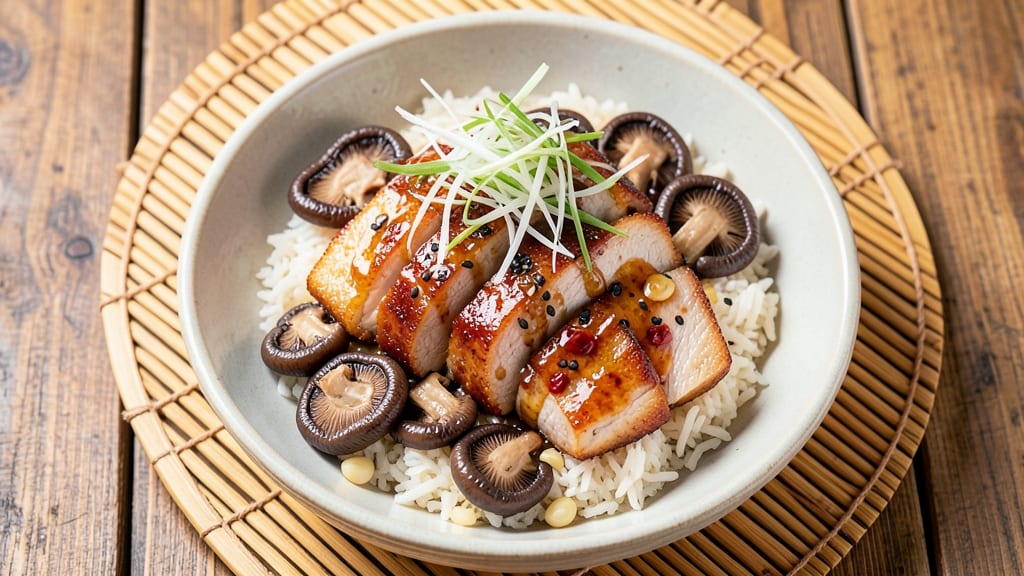
This Asian pork recipe idea delivers restaurant-quality flavor with a perfect balance of sweet, savory, and umami—just like my grandmother used to make.
The secret lies in marinating the pork for at least 4 hours (overnight is even better) to develop deep, complex flavors that transform simple ingredients into something extraordinary. I developed this recipe after years of experimenting with different Asian techniques, and it never fails to impress.
The crispy edges come from a high-heat stir-fry technique that creates a caramelized crust while keeping the meat tender inside. We use a five-flavor marinade with soy sauce, rice vinegar, sesame oil, and a touch of honey to create that signature balance.
This isn't just another stir-fry—it's a dish that transports you to a bustling Asian street market with every bite.
What makes this recipe truly special is how versatile it is. You can serve it over steamed jasmine rice for a classic presentation, or wrap it in fresh lettuce leaves for a refreshing twist.
The sauce is rich enough to stand alone but light enough to let the pork shine through. Once you try this method, you'll never go back to store-bought sauces again.
Perfect for weeknight dinners or special occasions, this dish comes together in under 30 minutes of active time (plus marinating). The key is patience—letting the flavors meld during marinating and cooking the pork at the right temperature to achieve that perfect crispy exterior.
Let's get started on creating your next favorite meal.
Ingredients for asian pork recipe ideas
These extraordinary ingredients unlock the secret to restaurant-quality Asian pork with crispy edges and deep umami flavor.
| Ingredient | Amount | Notes |
|---|---|---|
| Boneless Pork Loin 🥩 | 1 ½ lb | Cut into 1-inch thick slices |
| Soy Sauce 🍶 | ½ cup | High-quality, low-sodium preferred |
| Rice Vinegar 🍶 | ¼ cup | White or seasoned variety |
| Sesame Oil 🫒 | 2 tbsp | Toasted sesame oil for aroma |
| Honey 🍯 | 2 tbsp | Pure, unprocessed honey |
| Garlic Cloves 🧄 | 6 cloves | Minced for marinade |
| Fresh Ginger 🌿 | 2 tbsp | Grated, not powdered |
| Neutral Oil 🫒 | 2 tbsp | Avocado or vegetable oil |
| Jasmine Rice 🍚 | 1 ½ cups | Uncooked, long-grain |
| Green Onions 🧅 | 4 whole | Thinly sliced for garnish |
| Sesame Seeds 🌾 | 1 tbsp | Toasted for crunch |
| Red Chili Flakes 🌶️ | ½ tsp | Adjust for heat preference |
| Salt 🧂 | 1 tsp | Diamond Crystal preferred |
| Black Pepper 🌶️ | ½ tsp | Freshly ground |
The pork loin is your star—look for thick-cut slices at the butcher counter (or ask them to slice it for you). Costco or Whole Foods often have pre-sliced options, but nothing beats fresh-cut. That sesame oil? Don't use cooking sesame oil here—toasted sesame oil from Trader Joe's or Asian markets gives the real aroma. Fresh ginger and garlic are non-negotiable: powdered versions can't compete. For the rice, jasmine rice is essential—it's the only variety with that floral aroma that pairs perfectly with the pork.
No soy sauce? Coconut aminos work in a pinch (though the flavor won't be identical). Short on honey? Maple syrup or agave nectar can stand in, but reduce to 1.5 tbsp to avoid sweetness overload. The neutral oil is for stir-frying—avocado oil has the highest smoke point, but vegetable oil works fine. For extra crispiness, coat the pork in cornstarch before frying. And if you're feeling adventurous, swap the pork loin for pork tenderloin—it's leaner and cooks faster.
Marinate the pork for at least 4 hours (overnight is ideal) to develop those deep, complex flavors. The rice? Steam it in a rice cooker—it comes out perfectly fluffy every time. Store leftovers in airtight containers for up to 4 days, but honestly, it's so good you'll eat it all. Freeze portions for 3 months if you're making a big batch. Pro tip: Toast the sesame seeds in a dry pan for 30 seconds before adding—they'll be infinitely more flavorful than straight from the jar.
Why You'll Love This Recipe
- One-Pan Magic: I swear by this recipe when I’m too tired to wash dishes. Toss the pork loin in soy sauce, honey, and sesame oil, then let the oven do the work—no flipping, no fuss. The rice vinegar adds that bright tang that cuts through the richness, and honestly? That’s my kind of effortless dinner.
- Sweet-Savory Balance: The honey and soy sauce create this perfect caramelized crust on the outside while keeping the pork tender inside. Here’s what sold me—the way the sesame oil finishes it off with a nutty aroma that makes every bite feel like a little flavor upgrade. It’s not just good; it’s ridiculously good.
- Weeknight & Meal Prep Hero: Between us, this is my go-to for busy nights or when I need to prep ahead. Slice the pork thin after cooking, and it turns into quick stir-fry fillings, sandwich meat, or even a cold salad topper. (Yes, even on a Tuesday night.) The leftovers actually improve the next day—trust me.
- Budget-Friendly Powerhouse: Pork loin is lean, affordable, and cooks up fast, so you’re not breaking the bank for a flavor-packed meal. A single cut feeds four, and the sauce costs pennies. I’ll be real: this is the kind of recipe that makes me feel like I’m eating fancy without the grocery bill to prove it.
Step-by-step instructions for five-flavor Asian pork stir-fry
Here's how to create a restaurant-quality stir-fry with perfectly crispy pork and balanced flavors.
Marinate the Pork for Maximum Flavor
Slice the 1.5 lb boneless pork loin into 1-inch thick slices and place them in a bowl. In a separate small bowl, whisk together the 0.5 cup soy sauce, 0.25 cup rice vinegar, 2 tbsp honey, 6 cloves minced garlic, 2 tbsp grated fresh ginger, 0.5 tsp red chili flakes, 1 tsp salt, and 0.5 tsp black pepper. Pour this marinade over the pork and toss gently to coat completely.
Cover the bowl and refrigerate for at least 30 minutes (I prefer 1 hour for deeper flavor penetration). The acid in the rice vinegar will begin tenderizing the pork while the soy sauce and honey infuse it with umami and sweetness. Don't skip this step—proper marinating transforms tough pork into tender, flavorful slices.
Cook the Jasmine Rice to Perfection
While the pork marinates, rinse the 1.5 cups jasmine rice under cold water until the water runs clear. This removes excess starch that can make the rice gummy. Transfer the rice to a pot with 2 cups water and bring to a boil over high heat. Once boiling, reduce heat to low, cover tightly, and simmer for 15 minutes. Remove from heat and let it steam, undisturbed, for another 10 minutes. Fluff with a fork before serving.
The key here is the rice-to-water ratio and proper steaming time. Overcooking turns rice mushy, while undercooking leaves it crunchy. You'll know it's perfect when every grain is tender but still holds its shape—this is the ideal base for your stir-fry.
Sear the Pork for Crispy Edges
Heat 2 tbsp neutral oil in a large skillet or wok over medium-high heat until shimmering. Remove the pork from the marinade (reserve the marinade) and shake off any excess. Working in batches if needed, add the pork slices to the hot oil and sear for 2-3 minutes per side until deep golden brown and crispy on the edges. The pork should release easily from the pan when ready.
Here's the thing—don't crowd the pan. You want that beautiful crust to form, and overcrowding steams the pork instead of searing it. If the pork releases too easily, increase the heat slightly. The crispy edges are what make this dish special, so don't rush this step.
Build the Five-Flavor Sauce
Return the reserved marinade to the skillet with the seared pork. Add 2 tbsp sesame oil and bring to a gentle simmer over medium heat. Let it cook for 3-4 minutes, stirring occasionally, until the sauce reduces slightly and coats the pork evenly. The flavors should meld beautifully—sweet from the honey, tangy from the vinegar, umami from the soy, and a subtle heat from the chili flakes.
Taste and adjust seasoning if needed. I usually add a splash of water if the sauce seems too thick, but it should coat the back of a spoon with a glossy sheen. The pork should be cooked through with a beautiful caramelized crust—this is where all the magic happens.
Finish and Serve with Crunchy Garnishes
Transfer the pork to a serving platter and garnish with thinly sliced green onions and 1 tbsp toasted sesame seeds. The green onions add freshness that cuts through the richness, while the sesame seeds provide a nutty crunch that elevates every bite.
Serve immediately over the fluffy jasmine rice. Each forkful should deliver perfectly tender pork with crispy edges, surrounded by that complex five-flavor sauce. The contrast of textures—crispy pork, tender rice, and crunchy garnishes—makes this dish truly exceptional. Don't forget to pass the extra soy sauce for those who like it even saltier!
Pro Tips For Making Asian Pork Recipe Ideas
- Slice Thin, Cook Fast: I learned this the hard way—thick slices of pork loin stay tough even after braising. Cut them against the grain into ½-inch thick slices, then sear them in a screaming-hot pan for just 2-3 minutes per side before adding the sauce. The outside gets caramelized while the inside stays juicy, and you won’t end up with chewy pork.
- Marinate the Pork First: Skip the raw soy sauce dump—pork loin needs time to absorb flavor. Toss the slices in 2 tablespoons soy sauce, 1 teaspoon honey, and a pinch of salt for at least 15 minutes (30 if you’re impatient like me). This keeps the meat tender and ensures the sauce sticks instead of pooling in the pan.
- Balance the Vinegar: Rice vinegar cuts through the richness, but too much turns your dish into a sad, tangy mess. Start with 1 tablespoon per pound of pork, then taste before adding more. If it’s still too sharp, a drizzle of honey or a pinch of sugar fixes it—no need to double the vinegar.
- Add Sesame Oil Late: This isn’t the time to toss it in with the raw ingredients. Heat the pan until it’s smoky-hot, then pull the pork out, add your sauce, and finish with a teaspoon of sesame oil right at the end. It’ll coat the pork beautifully and keep that nutty aroma from burning off. (Yes, even if you’re in a hurry.)
Dietary considerations for asian pork recipe ideas
Gluten-Free Adaptations
This recipe is naturally gluten-free, but I always double-check my soy sauce—tamari is the perfect substitute if you need it. The jasmine rice stays the same, but if you're avoiding grains, swap it for cauliflower rice (just cook it in the same way).
For extra crispiness, coat the pork in cornstarch before searing—it adds texture without gluten. 🌱
Low-Sodium Options
If you're watching sodium, use low-sodium soy sauce or reduce the amount to 0.25 cup. I also recommend adding 1 tsp coconut aminos to the marinade for extra umami without the salt.
Fresh herbs like cilantro or Thai basil can brighten the dish naturally. Always taste as you go—sometimes less soy sauce is better!
Dairy-Free Considerations
This recipe is already dairy-free, but I sometimes add 1 tbsp coconut milk to the sauce for extra richness. If you're making a big batch, store it in glass containers—they preserve flavors better than plastic.
For extra protein, serve with edamame or tofu on the side. The crispy pork edges will still shine through!
Spice Adjustments
If red chili flakes are too spicy, reduce to ¼ tsp or swap for mild paprika. For heat lovers, add 1 tsp gochujang (Korean chili paste) to the marinade. I keep hot honey on hand to drizzle on top—it balances the heat beautifully. Always adjust to your taste!
Vegetarian Swaps
For a vegetarian version, replace the pork with extra-firm tofu (pressed and cubed) or mushrooms like shiitake. Marinate them in the same sauce for 30 minutes before cooking. The texture won't be identical, but the flavors will still be amazing. Serve with extra green onions for freshness. 🌿
Nutrition facts
Frequently asked questions
What's the best cut of pork for crispy stir-fry?
For this recipe, pork loin is ideal—it's lean but tender when sliced 1-inch thick. If you prefer richer flavor, try pork belly (cut into ½-inch slices) for extra marbling. Avoid tenderloin—it's too lean and can dry out during stir-frying.
Can I make this recipe without sesame oil?
Yes! Replace it with 1 tbsp neutral oil plus ½ tsp toasted sesame seeds in the sauce. The seeds add aroma without the oil's strong flavor. For extra depth, add ½ tsp toasted cumin seeds—they complement the pork beautifully.
How do I fix pork that's too chewy?
Chewy pork usually means undercooked or over-marinated. Next time, sear at medium-high heat for 2-3 minutes per side—the internal temp should reach 145°F. For already-cooked pork, slice thinly against the grain and serve with extra sauce to tenderize.
What are good side dishes for this?
Pair it with steamed bok choy, cucumber salad, or quick-pickled vegetables. For heartier meals, add sticky rice or miso soup. The acidity in pickled veggies balances the rich pork perfectly.
Can I use frozen pork for this recipe?
Only if it's pre-sliced and thawed completely in the fridge (24 hours). Never use partially frozen pork—it won't sear properly. For best results, buy fresh and marinate immediately. If you must use frozen, pat slices dry thoroughly before cooking.