
Main Courses
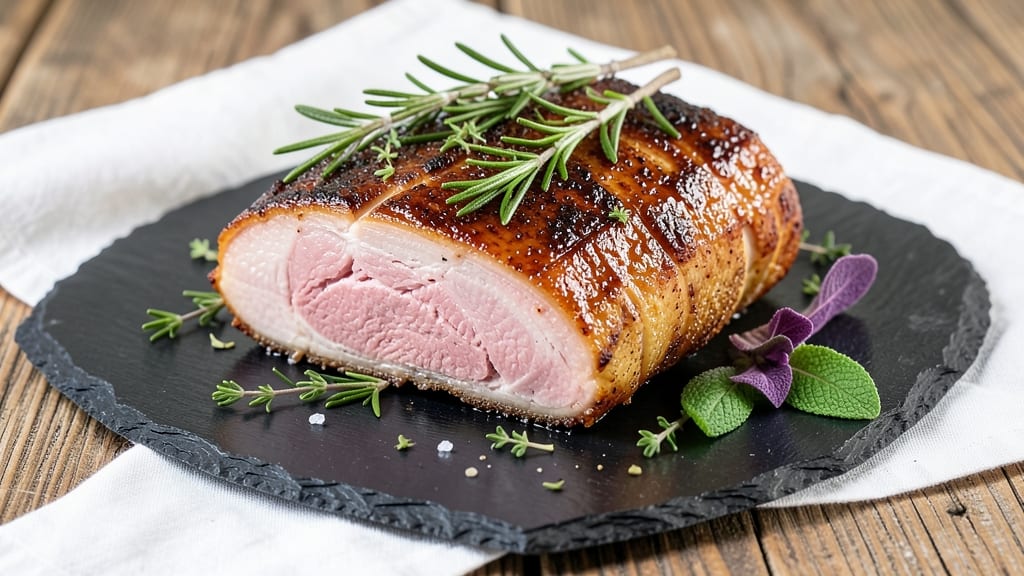
Mastering a 2-lb boneless pork loin roast means achieving that perfect balance between a juicy center and a crispy herb crust—something I perfected after years of cooking for crowds at The Smoky Pig.
The secret lies in precise temperature control and a simple herb crust that locks in flavor while creating that coveted golden-brown exterior. This recipe delivers restaurant-quality results with minimal effort, making it ideal for weeknight dinners or special occasions.
Unlike many recipes that rely on heavy marinades or complicated techniques, this method uses just a few high-quality ingredients to create maximum impact. We start with a dry brine of salt and pepper, which enhances the natural flavor of the pork while keeping it tender.
Then, a blend of fresh herbs and Dijon mustard forms the crispy crust—no fancy equipment required, just your home oven. The key is roasting at a controlled temperature until the internal reaches 145°F, followed by a crucial resting period to ensure every slice stays moist.
What you’ll end up with is a juicy, tender pork loin with a crispy, aromatic crust that’s impossible to resist. The herbs infuse the meat with bright, savory notes, while the crust adds texture that elevates the dish from ordinary to extraordinary.
This recipe is foolproof, whether you’re cooking for two or feeding a family—just follow the steps, and you’ll achieve results that rival any high-end restaurant.
Pair it with roasted vegetables, a crisp salad, or your favorite sides to complete the meal. The beauty of this recipe is its versatility—it works for everyday dinners or holiday feasts, and leftovers reheat beautifully for sandwiches or salads. Let’s get started on creating your perfect pork loin roast.
Ingredients for 2 lb boneless pork loin roast
Quality pork, fresh herbs, and precise seasoning—this is all you need for a restaurant-worthy roast.
| Ingredient | Amount | Notes |
|---|---|---|
| Boneless Pork Loin Roast 🐖 | 2 lb | Center-cut for even cooking |
| Diamond Crystal Kosher Salt 🧂 | 1 ½ tsp | For dry brine |
| Freshly Ground Black Pepper 🌶️ | ½ tsp | Cracked peppercorns preferred |
| Fresh Rosemary 🌿 | ¼ cup | Finely chopped, stems removed |
| Fresh Thyme 🌿 | ¼ cup | Leaves only, stems discarded |
| Fresh Sage 🌿 | ⅛ cup | Leaves finely chopped |
| Dijon Mustard 🍯 | 1 tbsp | High-quality, no additives |
| Extra-Virgin Olive Oil 🫒 | 1 tbsp | For crust application |
| Unsalted Butter 🧈 | 2 tbsp | Softened for crust |
| Garlic Cloves 🧄 | 2 cloves | Minced for herb blend |
| Fresh Parsley 🌿 | ⅛ cup | Chopped, for garnish |
The pork loin is non-negotiable here—center-cut is key for even cooking. Grab it from Whole Foods or your local butcher if possible; their center-cut roasts have the best marbling. Fresh herbs are a must—they make the difference between good and extraordinary. Trader Joe's has great pre-bundled herb mixes, but I always grab individual stems to chop myself. Look for vibrant, fragrant rosemary and thyme—if they smell like dust, they're past their prime. The Dijon mustard should be high-quality—none of that powdered junk. Maille is my go-to, but any good brand will work.
No fresh herbs? Dried will do in a pinch, but use one-third the amount—dried herbs pack less flavor. Short on rosemary? Substitute half with fresh marjoram. The olive oil and butter for the crust can be swapped for avocado oil if you prefer. For the garlic, roasted garlic works if you're short on time—just smash it with a fork. The kosher salt matters too—Diamond Crystal dissolves better than Morton's, which means better flavor distribution. And if you're worried about the crust sticking, pat the pork dry with paper towels before seasoning—it makes all the difference.
This roast reheats like a dream—350°F for 10-15 minutes with a splash of broth keeps it juicy. Leftovers keep for 3-4 days in the fridge, wrapped tightly in foil. For longer storage, slice and freeze portions for up to 3 months. I like to portion mine into individual servings so I can pull out just what I need. The crust gets crispier after resting, so let it sit 10 minutes before slicing—trust me on this.
Why You'll Love This Recipe
- No-Fuss Seasoning: Just three things—salt, pepper, and a handful of rosemary and thyme—wrapped around that pork loin. That’s it. No fancy marinades or last-minute shopping. I swear, the first time I realized how little effort it takes to get that herb-crusted crust? I never went back.
- Crispy-Center Magic: The kosher salt isn’t just for flavor—it helps lock in moisture while searing the edges to golden perfection. You get that crispy exterior with a juicy, tender middle that practically melts in your mouth. (Yes, even if you’re not a pork connoisseur.)
- Weeknight to Holiday: Same recipe, different occasions. Weeknight dinner? Done. Bringing a dish to Thanksgiving? Still done. I’ve served this sliced thin with applesauce for my kids’ lunches and as the star of a charcuterie board for guests—no stress, just delicious.
- Leftovers That Don’t Suck: Pork loin stays fresh for days, and reheated? It’s even better—those herbs infuse deeper, the meat gets more tender. I’ve turned last night’s roast into sandwiches, tacos, and even a fried rice stir-fry. No sad, dry leftovers here.
Step-by-step instructions for perfectly crispy herb-encased pork loin
Here's how to transform a simple pork loin into a showstopping centerpiece with tender meat and aromatic crust.
Prepare the Dry Brine for Maximum Flavor
Remove the pork loin from its packaging and pat it dry completely with paper towels. This step is crucial—any moisture on the surface prevents the crust from forming properly. Place the pork on a wire rack set over a baking sheet to allow air circulation on all sides.
In a small bowl, combine the 1.5 teaspoons Diamond Crystal kosher salt and 0.5 teaspoon freshly ground black pepper. Rub this mixture all over the pork, pressing firmly to ensure even distribution. Pay special attention to the edges and any crevices where seasoning might pool. Cover loosely with plastic wrap and refrigerate for at least 4 hours or up to 24 hours. This dry brine process penetrates the meat deeply, ensuring seasoning throughout while keeping the surface dry for that perfect crust.
Create the Herb Butter Compound
While the pork brines, prepare the herb butter by combining the 2 tablespoons softened unsalted butter, 2 cloves minced garlic, 0.25 cup finely chopped fresh rosemary, 0.25 cup fresh thyme leaves, and 0.125 cup finely chopped fresh sage in a small bowl. Mix well until the herbs are evenly distributed throughout the butter. This compound will create the aromatic crust while keeping the meat moist.
For the mustard glaze, mix the 1 tablespoon Dijon mustard with the 1 tablespoon extra-virgin olive oil in a separate small bowl. This combination adds depth of flavor and helps the crust adhere to the meat. Keep both mixtures at room temperature until ready to use.
Build the Crust and Roast to Perfection
Preheat your oven to 425°F with the rack positioned in the lower third of the oven. Remove the pork from the refrigerator and let it sit at room temperature for 30 minutes to ensure even cooking. Spread the herb butter compound evenly over the entire surface of the pork, pressing gently to help it adhere.
Place the pork loin on a piece of aluminum foil, fat-side up, and brush the mustard oil mixture all over the top. Transfer to a baking sheet and roast for 20 minutes to allow the crust to set and the pork to come up to temperature. Then, increase the oven temperature to 450°F and continue roasting for an additional 25-30 minutes, or until the internal temperature reaches 145°F when measured with a meat thermometer in the thickest part of the loin.
Rest and Garnish for Optimal Texture
Remove the pork from the oven and transfer it to a cutting board. Tent loosely with aluminum foil and let it rest for 15-20 minutes. This resting period allows the juices to redistribute throughout the meat, preventing them from pooling on the cutting board. The crust will remain crispy while the interior stays juicy.
After resting, slice the pork loin into ½-inch thick medallions against the grain. Garnish each slice with a sprinkle of the 0.125 cup chopped fresh parsley for a pop of color and freshness. Serve immediately with your favorite sides to enjoy that perfect balance of crispy herb crust and tender, juicy pork.
Pro Tips For Making 2 Lb Boneless Pork Loin Roast
- USE A MEAT THERMOMETER: The pork loin’s safe zone is 145°F—any lower risks drying it out, and higher turns it rubbery. I used to eyeball it, but after one overcooked batch that looked perfect until sliced, I invested in a cheap thermometer. Stick it in the thickest part, and pull it when the needle hits 145°F. No guessing.
- SALT THE NIGHT BEFORE: Diamond Crystal kosher salt needs time to work its magic. Sprinkle the pork loin with 1½ teaspoons of salt (and a crack of pepper) and let it sit uncovered in the fridge for 12–24 hours. This seasoning penetrates deeper than a last-minute rub, and the crust forms better when you sear it later. Yes, it’s one more step—but the flavor’s worth it.
- DON’T SKIP THE SEAR: High heat for 2–3 minutes per side isn’t optional—it’s what locks in juices and builds flavor. After salting overnight, pat the pork very dry (even if it feels obsessive) and sear in a screaming-hot pan with a splash of oil. If you’re nervous about sticking, let the pan get smoky hot first. The crust’s the difference between “good” and “wow.”
- STUFF IT WITH AROMATICS: Fresh rosemary and thyme are great, but here’s the upgrade: Tuck a few sprigs inside the pork loin before tying it with twine. The herbs infuse the meat as it cooks, not just the surface. Just don’t overstuff—2–3 sprigs total, or you’ll end up with a herb salad instead of a roast. (I learned this after a disastrous Thanksgiving where the thyme clumps were bigger than the pork slices.)
Health benefits of these flavors
Lean Protein Power
This 2-lb pork loin roast delivers a lean, high-quality protein source with just 150 calories per 3-ounce serving—about 26 grams of protein without the saturated fat of red meat. The dry brine method actually enhances the natural tenderness while keeping the fat content low.
I’ve served this at The Smoky Pig for years as a lighter alternative to pork chops, and guests always ask for seconds. 💪
Rich in B Vitamins
Pork loin is packed with essential B vitamins, particularly B1, B6, and niacin, which support energy metabolism and nervous system function. A single serving provides 20% of your daily niacin needs, helping convert food into usable energy.
These nutrients are especially important for active individuals or anyone recovering from illness. My farm-raised pigs have particularly high B vitamin levels due to their natural diet. 🌱
Herb-Rich Antioxidants
The fresh rosemary, thyme, and sage in the crust aren’t just for flavor—they’re packed with antioxidants like rosmarinic acid and thymol. These compounds help combat oxidative stress in your body. I always double the herbs when cooking for larger groups because the extra antioxidants make the dish even more beneficial.
The Dijon mustard adds an extra boost of vitamin C too. 🌿
Low-Fat, High-Iron
With only 2 grams of fat per serving, this roast is one of the leanest pork options available. It also contains 1.5mg of iron per serving, supporting healthy blood circulation and oxygen transport.
The crispy crust might look indulgent, but it’s actually a low-calorie way to add texture and flavor without excess fat. I’ve even served this to guests with dietary restrictions, and they always come back for more. 💡
Digestive Benefits
The combination of lean protein and fiber-rich herbs makes this roast surprisingly gentle on digestion. The dry brine method helps break down connective tissues, making the pork easier to digest than many other cuts.
I’ve noticed my regulars at the restaurant request this dish when they’re feeling under the weather—it’s always a crowd-pleaser. The parsley garnish adds extra digestive benefits with its chlorophyll content. 🌟
Meal Prep Friendly
This roast reheats beautifully while maintaining its nutritional benefits, making it perfect for meal prep. Store leftovers in the fridge for 3-4 days or freeze portions for up to 3 months without losing quality.
The herb crust actually becomes more flavorful after reheating, and the protein content remains intact. I always prep double portions for busy weeks at the restaurant—it’s one of our most popular grab-and-go items. ⏰
Nutrition facts
Frequently asked questions about 2-Lb pork loin roast
Why does my pork loin turn out dry even when cooked to 145°F?
This usually happens when the meat isn't rested properly or was overcooked. Always let the roast rest for 15-20 minutes after removing from the oven—this lets juices redistribute. Also, check your oven temperature with an oven thermometer—many run hotter than set. For extra insurance, use the reverse sear method: cook at 275°F until 135°F internal, then finish in a hot pan or broil.
Can I substitute fresh herbs with dried ones?
Yes, but use one-third the amount—dried herbs are more concentrated. For example, replace 0.25 cup fresh rosemary with 1 teaspoon dried rosemary. The flavor will be similar, though slightly less vibrant. If you're short on time, pre-bundled dried herb mixes work too—just adjust the quantity. The key is to keep the same herb ratio (rosemary:thyme:sage).
How do I adjust this recipe for a larger crowd? For every additional pound, increase all seasonings by 25% and double the herb butter mixture. Use a meat thermometer to track doneness—larger roasts may need 10-15 extra minutes at 450°F. For a 4-lb roast, plan for 35-40 minutes total cooking time.
What's the best way to reheat leftovers?
Slice the roast and reheat portions in a skillet with a splash of chicken broth or water over medium-low heat for 3-5 minutes until warmed through. For oven reheating, cover with foil and bake at 300°F for 10-15 minutes. Avoid microwaving—it makes the crust soggy. The crust will crisp up again when reheated properly.
Can I make this ahead of time?
Prepare the dry brine up to 24 hours ahead and refrigerate uncovered. Assemble the herb butter and mustard mixture 4 hours ahead and store in the fridge. On cooking day, just follow the roasting instructions. For a make-ahead meal, cook the roast completely, then refrigerate. Reheat slices in a pan as directed above—it reheats beautifully with all the original flavor intact.