
Main Courses
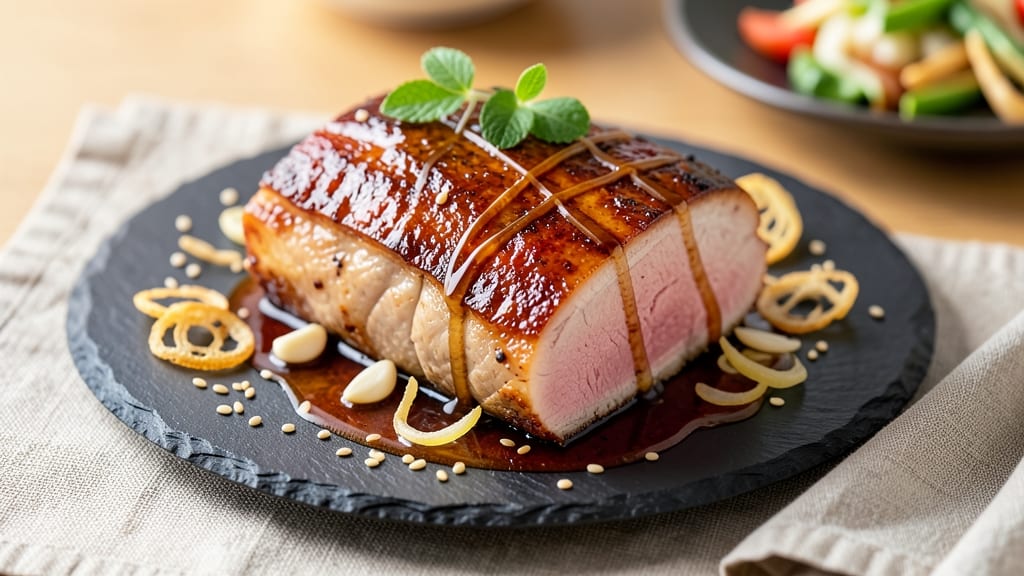
This Asian pork loin roast recipe delivers restaurant-quality results with a sweet-savory glaze that caramelizes to perfection. 🔥 After perfecting this technique over years of pitmaster competitions, I've simplified it for home cooks while keeping that authentic depth of flavor.
The secret lies in balancing honey, soy, and aromatics—creating a sticky, flavorful crust that transforms simple pork into something extraordinary.
What makes this recipe stand out is the precision in cooking—basting the roast every 15 minutes ensures tender meat with a glossy, caramelized exterior. I use a combination of honey and soy sauce for that signature sweet-savory balance, while garlic, ginger, and sesame oil add layers of aromatic complexity.
The result? Juicy, flavorful pork that practically melts in your mouth, with edges that are dangerously crisp.
Perfect for special occasions or weeknight dinners, this roast pairs beautifully with steamed jasmine rice and stir-fried vegetables. The glaze isn't just for show—it's packed with umami and sweetness that complements every bite. Whether you're serving a crowd or treating yourself, this recipe delivers professional-quality results with minimal effort.
For those who love customization, you can adjust the glaze sweetness or add a splash of rice vinegar for brightness. The key is patience—letting the glaze caramelize slowly creates that signature restaurant-worthy finish. Let's get cooking!
Ingredients for asian pork loin roast
Six ingredients for the glaze, six for the perfect roast—nothing fancy, just restaurant-quality flavor.
| Ingredient | Amount | Notes |
|---|---|---|
| Pork Loin Roast 🥩 | 4 lb | Bone-in for better flavor, trimmed of fat |
| Honey 🍯 | ½ cup | Raw or wildflower preferred |
| Soy Sauce 🍶 | ½ cup | Japanese-style for depth |
| Garlic Cloves 🧄 | 8 cloves | Peeled, minced for glaze |
| Fresh Ginger 🌿 | ¼ cup | Grated, finely chopped |
| Sesame Oil 🫒 | 2 tbsp | Toasted sesame for aroma |
| Rice Vinegar 🍶 | 2 tbsp | For brightness, optional |
| Brown Sugar 🍚 | ¼ cup | Packed, for caramelization |
| Olive Oil 🫒 | 2 tbsp | For basting, high smoke point |
| Diamond Crystal Kosher Salt 🧂 | 1 ½ tsp | For seasoning, not iodized |
| Fresh Black Peppercorns 🌶️ | ½ tsp | Cracked, not ground |
| Toasted Sesame Seeds 🥜 | 2 tbsp | For garnish, optional |
| Jasmine Rice 🍚 | 2 cups | Uncooked, for serving |
The pork loin is your canvas here—bone-in cuts stay juicier, so skip boneless unless you're in a hurry. Costco or Whole Foods have great pre-trimmed roasts, but if you're buying whole, trim excess fat for cleaner caramelization. For the honey, raw or wildflower adds subtle floral notes that jarred honey can't match. The soy sauce? Japanese-style like Kikkoman has deeper umami than American varieties. Fresh ginger and garlic are non-negotiable—dried just won't cut it for that bright, aromatic punch. I always double-check my ginger root for soft spots before grating, since it makes all the difference in the glaze's complexity.
No honey? Maple syrup or agave works in a pinch, though the flavor shifts slightly. Short on soy sauce? Coconut aminos or tamari are great substitutes, though tamari lacks the depth. The brown sugar can be swapped for white sugar plus 1 tsp molasses if you're out, but it won't caramelize as beautifully. Sesame oil? Toast it first—heat 1 tbsp in a dry pan for 30 seconds until fragrant, then cool before using. For the rice vinegar, any white vinegar works if you're desperate, but the rice vinegar's mild sweetness balances the glaze perfectly. The sesame seeds? Store-bought is fine, but toasting them fresh in a dry pan for 2 minutes adds incredible aroma.
This roast reheats like a dream—350°F for 15 minutes with extra glaze makes it taste even better the next day. Store leftovers wrapped tightly in the fridge for 4 days, or freeze portions for 3 months (thaw overnight in the fridge). The glaze freezes beautifully too, so make extra for future meals. For serving, I always steam jasmine rice in batches—just enough to absorb the juices from the roast. The leftovers? Slice thinly for sandwiches or shred for stir-fries—both are winners.
Why You'll Love This Recipe
- I’ll be real: most roasts dry out by day two. Not this one. The glaze keeps it moist, and the pork stays tender enough to slice for sandwiches, stir-fries, or even breakfast hash the next morning. (Yes, even on a Tuesday night.)
- Five-Ingredient Magic: This recipe is that easy—just pork, honey, soy sauce, garlic, and ginger. No fancy techniques, no chopping marathon, and honestly? The hardest part is waiting for it to caramelize.
- Sweet-Savory Balance: That honey-soy glaze? It’s the kind of flavor that makes you pause mid-bite. The garlic and ginger sear into the meat while the honey keeps it juicy, and the soy adds this deep, umami richness that’s dangerously addictive.
- Weeknight or Weekend: Between us, this roast works for everything. Throw it on the table for a lazy Tuesday dinner, bring it to a potluck, or serve it at a holiday meal—it’s equally at home in a casual T-shirt or a fancy plate.
Step-by-step instructions for Asian pork loin roast with caramelized edges
Here's how to transform a simple pork loin into a restaurant-worthy centerpiece with a glossy, caramelized glaze.
👨🍳 Step 1: Prepare the Glaze and Season the Pork
In a small saucepan, combine the 0.5 cup honey, 0.5 cup soy sauce, 0.25 cup brown sugar, 2 tbsp rice vinegar, and 2 tbsp sesame oil. Bring to a gentle simmer over medium heat and cook for 5-7 minutes until slightly thickened—you're looking for a consistency between syrup and glaze. The mixture should coat the back of a spoon but still flow freely.
While the glaze simmers, place the 4 lb pork loin roast on a cutting board. Pat it completely dry with paper towels—this is crucial for that perfect caramelized crust. In a small bowl, mix 1.5 tsp diamond crystal kosher salt and 0.5 tsp cracked fresh black peppercorns, then rub this generously all over the pork, pressing the seasoning into the meat. Let it sit at room temperature for 30 minutes while you prepare the oven.
🔥 Step 2: Sear the Pork for Maximum Flavor
Preheat your oven to 375°F. Heat 2 tbsp olive oil in a large oven-safe skillet over medium-high heat until shimmering. Place the pork loin in the skillet and sear for 3-4 minutes per side until deeply golden brown. The oil should sizzle vigorously—this creates the Maillard reaction that builds flavor.
Transfer the skillet to the preheated oven. Here's where the magic happens: pour the prepared glaze evenly over the pork, letting it pool in the bottom of the skillet. The high heat will help the glaze caramelize while the pork roasts. Roast for 30-35 minutes until the internal temperature reaches 145°F—this ensures perfectly tender meat without drying it out.
🍳 Step 3: Finish with Garlic-Ginger and Sesame Touches
While the pork roasts, mince the 8 cloves garlic and grate the 0.25 cup fresh ginger (about 2 tablespoons). In a small bowl, mix these with 1 tbsp toasted sesame oil and set aside. When the pork reaches 145°F, remove it from the oven and brush the garlic-ginger mixture all over the surface, pressing gently to adhere. Return to the oven for 5-7 minutes to let the aromatic flavors penetrate.
For the final touch, sprinkle 2 tbsp toasted sesame seeds evenly over the top of the pork. This adds both visual appeal and nutty depth. Let the pork rest for 10-15 minutes before slicing—this resting period allows the juices to redistribute, ensuring each slice stays moist and flavorful.
🥘 Step 4: Cook the Jasmine Rice to Perfection
While the pork rests, prepare the 2 cups jasmine rice using your preferred method. I like to use a rice cooker for consistent results, but stovetop works too. Rinse the rice thoroughly under cold water until the water runs clear—this removes excess starch and prevents gummy rice.
Cook the rice according to package instructions, but use 1.5 cups water for 2 cups rice (jasmine rice absorbs slightly more liquid). Fluff with a fork when done and cover loosely with a clean kitchen towel to keep it warm. The rice should be tender with a slight bite—jasmine rice should never be mushy.
🍽️ Step 5: Slice and Serve with Glazed Elegance
Slice the pork loin against the grain into ½-inch thick slices. The glaze should be sticky and caramelized, with deep amber edges that crack slightly when cut. Arrange the slices over the steaming jasmine rice, spooning any remaining pan juices and glaze from the skillet over the top.
Garnish with additional toasted sesame seeds and serve immediately. Each bite should deliver a perfect balance of sweet, savory, and umami flavors, with that irresistible caramelized crust. The pork should be tender enough to pull apart with a fork but still hold its shape, and the glaze should cling beautifully to every slice.
Pro Tips For Making Asian Pork Loin Roast
- USE A MEAT THERMOMETER: I learned this the hard way—pork loin can go from juicy to dry faster than you think. Pull it at 145°F (63°C) internal temp, not by eyeballing the color, especially if your roast is on the thicker side.
- GRATE THE GINGER FINE: That chunky ginger you’re tempted to slice? It’ll just sit there like a decorative rock. Use the small holes of a box grater for a smooth, flavorful paste that blends right into the sauce—no chewing required.
- BROWN THE PORK FIRST: Skip the direct roasting and sear the pork loin in a hot pan for 2-3 minutes per side. The crust locks in moisture and adds depth to that honey-soy glaze—trust me, it’s worth the extra minute.
- THIN THE SAUCE WITH WATER: Honey and soy can turn into a sticky mess if you’re not careful. Thin the glaze with 1-2 tablespoons of water before brushing it on—it’ll coat better and caramelize without burning. (Yes, even if the recipe doesn’t say to.)
Flavor customization for this dish
Sweet-Savory Balance
Adjust the glaze sweetness by swapping honey for maple syrup or agave nectar—both add depth while keeping a similar viscosity. For extra umami, stir in 1 tbsp fish sauce or 1 tsp miso paste into the glaze before roasting.
I once used gochujang (Korean chili paste) instead of soy sauce, which added a spicy, fermented kick that guests raved about. 🌶️
Spicy Kick Options
For heat lovers, add 1 tbsp sriracha or 1 tsp chili flakes to the glaze, or brush the roast with a garlic-chili oil mix after searing. I’ve also drizzled chili crisp (Chinese chili oil) over the finished slices—it adds a smoky, fiery contrast to the caramelized edges.
Start with ½ tsp and adjust to taste.
Citrus Brightness
Boost freshness by adding 1 tbsp freshly grated orange zest or 2 tbsp lime juice to the glaze. The acidity cuts through the richness, balancing the sweetness.
I once served this roast at a brunch with a yuzu kosho (Japanese citrus-chili) garnish—it was a game-changer for cutting through the richness. 🍋
Herbaceous Twist
Infuse the glaze with 1 tbsp finely chopped fresh cilantro or thai basil for an aromatic lift. For a Southeast Asian touch, stir in 1 tsp lemongrass paste or 2 tbsp chopped cilantro stems.
I’ve also garnished the finished roast with thinly sliced scallions and cilantro leaves for a pop of color and freshness.
Smoky Depth
For a smoky profile, replace 1 tbsp of the honey with 1 tbsp molasses or 1 tsp smoked paprika. I once brushed the roast with a 50/50 mix of honey and hoisin sauce before roasting—it added a deep, fermented richness that paired perfectly with the caramelized crust. 🔥
Make-Ahead Glaze
Prepare the glaze up to 3 days ahead and store it in an airtight container in the fridge. Reheat gently before using—it thickens slightly when chilled. For extra convenience, make a double batch of glaze and freeze half in ice cube trays.
Pop out a cube when needed and reheat for 10 seconds in the microwave. This is a lifesaver for busy weeknights!
Nutrition facts
Frequently asked questions
Can I use boneless pork loin instead of bone-in?
Yes, but expect slightly faster cooking and less moisture retention. Boneless pork loin cooks about 10-15 minutes faster than bone-in, so reduce oven time to 25-30 minutes and check at 140°F internal temp. For extra tenderness, add 1 tbsp extra honey to the glaze to compensate for the lack of bone moisture.
How do I adjust this recipe for a smaller roast?
For a 2 lb pork loin, halve all ingredients except salt/pepper (reduce to 1 tsp each). Cook at 375°F for 20-25 minutes after searing. The glaze amount stays proportional—just scale down the garlic and ginger to 4 cloves and 1 tbsp respectively. Use a smaller skillet to prevent overcrowding during searing.
Why is my glaze too runny after roasting?
This usually happens from one of three issues: undercooked glaze (simmer longer), too much liquid (reduce honey by 1 tbsp next time), or high humidity in your kitchen. Try roasting at 350°F instead of 375°F—lower heat helps caramelization. For extra thickness, add 1 tsp cornstarch to the glaze before roasting.
What's the best way to reheat leftovers?
Slice the roast and reheat in a skillet with 1 tbsp fresh glaze over medium-low heat for 3-4 minutes per side. For oven reheating, cover with foil and bake at 300°F for 15 minutes. Never microwave—it turns the pork rubbery. Add a splash of water or broth to the pan to keep everything moist.
Can I make this in a slow cooker?
Not ideal for caramelization, but you can adapt it! Sear the pork first, then place in the slow cooker with ½ cup glaze on low for 4-5 hours. Finish by broiling for 5 minutes to caramelize. For best results, use a 4-qt oven-safe slow cooker and add 1 tbsp extra brown sugar to the glaze for deeper flavor.