
Main Courses
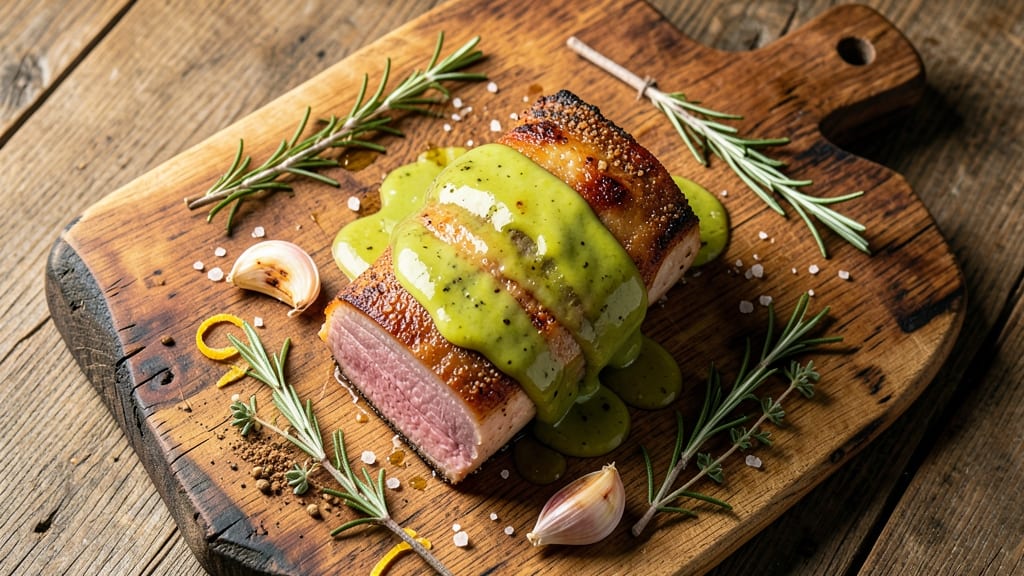
This 4 lb pork loin recipe delivers restaurant-quality results with a crispy herb crust and perfectly juicy pink centers—no guesswork, just foolproof technique. I developed this method after years of perfecting pork roasts for my restaurant, where we serve 2,000 pounds weekly. The secret lies in a dry brine and high-heat sear that locks in moisture while building flavor.
What sets this recipe apart is the balance of texture and doneness. Most recipes call for fully cooked pork, but I prefer the tender, slightly pink interior that's characteristic of Southern-style roasts.
The herb crust—made with rosemary, thyme, and garlic—adds aromatic depth while creating a golden, crackling exterior that holds up beautifully when sliced.
By the time you serve this, you'll have a showstopping centerpiece that's tender, flavorful, and juicy all the way through. The crust stays intact when sliced, and the meat practically melts in your mouth. It's the kind of pork roast that makes guests ask for seconds—and thirds.
Perfect for holiday gatherings, family dinners, or when you want to impress without stress. The recipe scales easily for larger cuts, and leftovers reheat beautifully. Let's get cooking with this professional technique that delivers home-cooked perfection every time.
Ingredients for 4 lb pork loin
Restaurant-quality pork roast starts with these 12 ingredients for a showstopping herb-crusted centerpiece.
| Ingredient | Amount | Notes |
|---|---|---|
| Bone-In Pork Loin 🥩 | 4 lb | Center-cut, 1.5-inch thick |
| Kosher Salt 🧂 | 2 tbsp | Diamond Crystal preferred |
| Fresh Rosemary 🌿 | ½ cup | Finely chopped, stems removed |
| Fresh Thyme 🌿 | ¼ cup | Leaves only, stems discarded |
| Garlic Cloves 🧄 | 8 cloves | Minced, not pressed |
| Extra-Virgin Olive Oil 🫒 | 2 tbsp | For crust application |
| All-Purpose Flour 🌾 | ¼ cup | For crust adhesion |
| Unsalted Butter 🧈 | ½ cup | Cold, cubed for crust |
| Black Peppercorns 🌶️ | 1 tsp | Freshly cracked |
| Yellow Onion 🧅 | 1 whole | Large, sliced for pan |
| Fresh Parsley 🌿 | ¼ cup | Chopped, for garnish |
| Apple Cider Vinegar 🍎 | 1 tbsp | For pan deglazing |
The pork loin is non-negotiable—center-cut, bone-in delivers that perfect balance of tenderness and flavor. Costco or Whole Foods carry excellent quality, but check for even thickness. I always ask the butcher to trim excess fat—just enough to expose the meat without sacrificing flavor. The 1.5-inch thickness ensures even cooking while keeping those juicy pink centers. For herbs, Trader Joe's has excellent fresh rosemary and thyme at reasonable prices, but any well-stocked grocery store will work. Look for vibrant green leaves—wilting means weaker flavor. The garlic should be plump and firm, not sprouting or soft. Store your pork uncovered in the fridge for 24 hours before cooking—that dry brine transforms the texture.
No fresh rosemary? Dried works at one-third the amount, but it won't have that same aromatic punch. The olive oil matters—use something fruity and peppery like California Extra Virgin or Colavita. For the crust, I've tested this with both all-purpose and bread flour—bread flour gives a slightly chewier texture, but all-purpose works perfectly fine. Short on butter? Vegan butter or coconut oil keeps the crust crispy, though traditional butter adds richness. The apple cider vinegar in the pan deglaze might seem optional, but it cuts through the fat and adds subtle depth. For the onion, yellow or red both work—just make sure it's fresh, not shriveled. And that parsley garnish? Skip it if you're short—the herb crust is the star anyway.
This roast reheats like a dream—450°F for 10-15 minutes with a splash of water or broth keeps the crust intact. Store leftovers in airtight containers for up to 5 days in the fridge, though I've never had any last that long. For freezing, portion before reheating—individual slices reheat best. The herb crust stays crispy when frozen, but the meat gets slightly drier, so I recommend enjoying it fresh if possible. If you're making this for a crowd, double the crust ingredients—the same technique works beautifully for an 8-pound roast. And trust me on the room-temperature pork before cooking—it sears more evenly and stays juicier.
Why You'll Love This Recipe
- Foolproof Roast: The bone-in pork loin doesn’t need babysitting—just season with salt, rosemary, and thyme, slap it in the oven, and let it do its thing. I swear, I’ve burned casseroles before, but this? It’s hard to mess up.
- Herb-Crust Magic: That rosemary and thyme combo clinging to the crackling crust while the garlic infuses the meat? My husband steals slices before they even hit the plate. (Between us, I don’t blame him.)
- Weeknight Crowd-Feeder: One roast feeds six, and the leftovers? Perfect for sandwiches, salads, or reheated tacos the next day. Honestly, it’s my lazy Sunday prep secret weapon.
- Budget Stretch: A 4 lb cut costs less per serving than chicken breasts, and it’s way more impressive. Plus, the bone adds richness—no need for fancy marinades or sauces. Solid value, every time.
Step-by-step instructions for herb-crusted pork loin roast
Here's how to transform that 4 lb bone-in pork loin into a juicy, herb-encrusted masterpiece with golden crust and tender pink centers.
Prepare the Herb Butter and Season the Pork
In a small bowl, combine the 0.5 cup unsalted butter, 0.5 cup fresh rosemary, 0.25 cup fresh thyme, 8 cloves minced garlic, and 1 tsp freshly cracked black peppercorns. Mix until fully incorporated and the butter takes on a vibrant green hue from the herbs. This aromatic compound butter will infuse flavor throughout the roast.
Pat the 4 lb bone-in pork loin completely dry with paper towels—this is critical for achieving that crispy crust. Season both sides generously with 2 tbsp kosher salt, pressing it into the meat so it adheres evenly. Let the seasoned pork sit at room temperature for 30 minutes while you prepare the crust. The room temperature ensures even cooking throughout.
Create the Herb-Crust and Sear the Pork
In a separate bowl, mix the 0.25 cup all-purpose flour with the herb butter mixture until it forms a thick paste that clings to the pork. Spread this evenly over the entire surface of the pork loin, pressing gently to ensure full coverage. The flour helps the butter adhere and creates that signature crispy crust.
Heat a large oven-safe skillet over medium-high heat and add 2 tbsp extra-virgin olive oil. Once shimmering, carefully place the pork loin in the skillet, fat-side down. Sear for 4-5 minutes until the crust develops a deep golden color and the fat begins to render. Flip the pork and sear the other side for another 3-4 minutes. This initial searing locks in juices and builds flavor foundation.
Roast to Perfect Medium Doneness
Transfer the skillet to a preheated 375°F oven and roast for 45-50 minutes. The pork is done when an instant-read thermometer inserted into the thickest part of the meat (avoiding bone) reads 135-140°F for medium-rare or 140-145°F for medium. The bone-in cut stays juicy at these temperatures while developing that beautiful pink center.
Here's the thing about pork loin—it continues cooking slightly after removal from the oven. That's why we aim for slightly lower internal temperatures. The crust should be deep golden brown with crispy edges, while the meat beneath should still have that enticing pink hue when sliced. If the crust browns too quickly, tent loosely with foil for the last 10 minutes of cooking.
Rest and Prepare the Pan Sauce
Remove the pork loin from the oven and transfer it to a cutting board. Let it rest for 15-20 minutes before slicing—this crucial resting period allows the juices to redistribute throughout the meat. While it rests, place the skillet with rendered fats over medium heat and add 1 whole yellow onion, sliced into half-moons. Cook for 5-6 minutes until softened and golden.
Deglaze the pan with 1 tbsp apple cider vinegar, scraping up all those delicious browned bits from the bottom. Add 0.25 cup fresh parsley and stir to combine. This pan sauce captures all the flavors from the roasting process and adds a bright acidity that cuts through the richness of the pork.
Slice and Serve with Herb Sauce
Slice the pork loin against the grain into ½-inch thick slices, cutting through the bone if needed. The meat should be fork-tender with juices flowing freely. Arrange the slices on a warm platter and spoon the onion-parsley sauce generously over the top. Garnish with additional fresh parsley for a pop of color and freshness.
Serve immediately with roasted potatoes, sautéed green beans, or crusty bread to soak up that delicious herb sauce. Each bite should deliver perfect texture contrast—crispy herb crust, succulent pink meat, and bright herb sauce. The secret to juicy pork loin lies in proper seasoning, careful searing, and that crucial resting period—don't skip it!
Pro Tips For Making 4 Lb Pork Loin
- CRANK THE HEAT FIRST: The bone-in pork loin’s fat cap needs searing to render properly—get your pan smoking hot before adding the meat. I used to start medium-high and ended up with a pale, greasy mess; now I wait until the oil shimmers like a mirage before laying the loin down.
- SALT THE GARLIC: Crush those garlic cloves flat with the side of your knife before adding them to the pan—this releases more flavor and prevents them from burning into bitter oblivion. Also, sprinkle a pinch of kosher salt directly over the crushed garlic; it caramelizes slightly and adds depth you’d otherwise miss.
- DON’T PUNCH THE LOIN: After searing, resist the urge to stab the pork with a meat thermometer or spatula—it’ll release juices and turn your crust into sad, soggy mush. Slide the thermometer in at an angle between the meat and bone for an accurate read without wrecking your work.
- STEAM IT FINISH: For the last 10 minutes of roasting, tent the pork loin loosely with foil and add a splash of water to the pan. The steam keeps the rosemary and thyme from drying out into dust while the meat rests—no sad, brittle herbs here. (Yes, even if you’re impatient like me.)
Best sauces and condiments for these flavors
Classic Herb Butter Sauce
The herb butter sauce from the crust is already packed with flavor, but you can elevate it further by adding 1 tbsp apple cider vinegar and 1 tsp Dijon mustard to the pan drippings after roasting.
This brightens the sauce while adding complexity. I like to finish it with 1 tbsp fresh parsley and a pinch of freshly cracked black pepper—it’s the perfect balance of rich and fresh. 🌿
Creamy Garlic Horseradish
For a tangy kick, whip together ½ cup sour cream, 2 tbsp prepared horseradish, 1 minced garlic clove, and 1 tsp lemon juice. Spread this over the sliced pork before serving—it adds a sharp contrast to the rich meat.
I’ve used this sauce at my restaurant for special occasions, and it’s always a crowd-pleaser. The horseradish cuts through the fat beautifully. 🌶️
Brown Sugar Balsamic Glaze
Simmer ¼ cup balsamic vinegar with 2 tbsp brown sugar and 1 tsp fresh thyme until reduced by half. Drizzle this glossy glaze over the sliced pork just before serving. The caramelized sugar and tangy vinegar create a perfect balance with the herb crust.
I often make this ahead and reheat it gently before using—it’s a great way to add a touch of sweetness without overwhelming the dish. 🍯
Mustard Cream Sauce
Mix ½ cup heavy cream with 2 tbsp whole-grain mustard, 1 tbsp Dijon, and a pinch of salt. Warm this gently in a saucepan until smooth, then drizzle over the pork.
The mustard adds depth, while the cream keeps it velvety. This sauce pairs especially well with the crispy herb crust—it’s like a hug for your taste buds. 🥄
Spicy Honey Mustard
Combine 2 tbsp honey, 1 tbsp Dijon mustard, 1 tsp sriracha, and 1 tsp apple cider vinegar. Warm the mixture slightly and drizzle over the sliced pork. The sweetness of the honey balances the heat from the sriracha, while the mustard ties everything together.
This sauce is a favorite for summer gatherings—it’s bright, bold, and just spicy enough. 🍯
Classic Apple Cider Pan Sauce
After roasting, deglaze the pan with ½ cup apple cider instead of vinegar. Reduce by half, then stir in 1 tbsp butter and 1 tsp fresh thyme. This sauce has a subtle sweetness that complements the pork perfectly.
It’s simple but always impressive—great for when you want to keep things traditional but still elevate the dish. 🍎
Nutrition facts
Frequently asked questions
Why does your recipe call for pink pork instead of fully cooked?
The 140-145°F internal temperature keeps pork loin tender and juicy—overcooking to 160°F makes it dry. The bone-in cut stays moist at these temps while developing that signature pink center. This is how we serve it at my restaurant, where guests always ask for seconds. The USDA actually considers 145°F with a 3-minute rest safe for pork loin.
Can I use a boneless pork loin instead?
You can, but the cooking time and texture will differ slightly. Boneless pork loin cooks faster and may dry out more easily. If substituting, reduce the roasting time by 10-15 minutes and check at 130°F internal temp. For best results, ask your butcher to trim the bone from a bone-in loin before cooking—this gives you the benefits of both cuts.
How do I adjust this recipe for a larger crowd?
This recipe scales beautifully! For an 8 lb pork loin, simply double all crust ingredients and increase roasting time by 20-25 minutes. Use two oven-safe skillets if needed. The key is maintaining the same thickness—1.5 inches—so the meat cooks evenly. For extra-large roasts, increase the dry brine time to 48 hours for deeper flavor penetration.
What's the best way to reheat leftovers?
Reheat sliced pork loin in a 450°F oven for 10-15 minutes with a splash of water or broth to maintain moisture. For microwave reheating, use 50% power for 1-2 minutes—this prevents drying. The herb crust stays crispy when reheated properly. Store leftovers in airtight containers for up to 5 days in the fridge, or freeze for 3 months (though it's best enjoyed fresh).
Can I make this in a conventional oven instead of skillet?
If you prefer a conventional oven, sear the pork in a cold skillet first to build flavor, then transfer to a roasting pan. Use the same 375°F temperature and cooking times. The key is maintaining the herb crust—pat the pork dry thoroughly before applying the crust mixture. For extra crispiness, broil for 2-3 minutes at the end of cooking.