
Sauces & Condiments
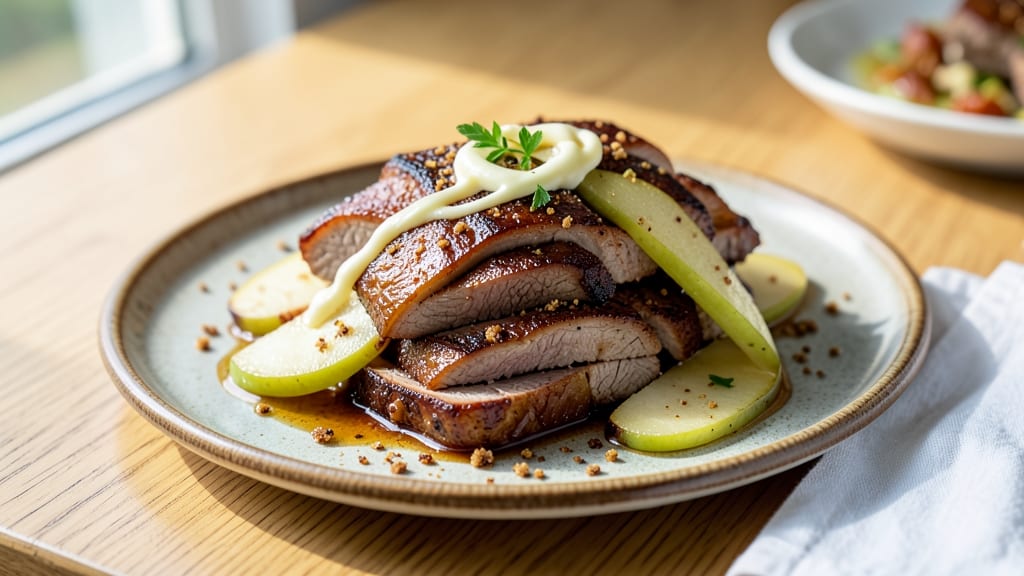
This apple glazed pork tenderloin recipe delivers restaurant-quality results with minimal effort—juicy, tender meat perfectly balanced by caramelized apple glaze. 🌟 I developed this technique after years of perfecting whole-hog cooking, where the right balance of sweetness and savory flavors transforms simple pork into something extraordinary.
The secret lies in slow-braising the pork with apples until it's fork-tender, then finishing with a glossy, sticky glaze that adds both texture and depth.
The process begins with a simple marinade of brown sugar, mustard, and apple cider vinegar that tenderizes the meat while building flavor. As the pork cooks low and slow, the apples caramelize into a natural glaze that clings beautifully to the surface, creating that signature crunch you crave.
This method ensures the pork stays incredibly moist while developing rich, complex flavors that make it perfect for special occasions or weeknight dinners.
What you'll end up with is a perfectly seared pork tenderloin with a glossy, caramelized apple glaze that adds both sweetness and texture. The meat will be fork-tender with a juicy interior and a slightly crisp exterior, while the glaze delivers bursts of apple flavor in every bite.
This dish pairs beautifully with roasted vegetables, mashed potatoes, or a fresh green salad to round out the meal.
One of the best aspects of this recipe is its versatility—it works equally well for holiday feasts or simple family dinners. The cooking process is hands-off after the initial prep, making it ideal for busy cooks who still want to deliver impressive results.
Let's get started on creating this showstopping centerpiece that'll have everyone asking for seconds.
Ingredients for apple glazed pork tenderloin
The perfect balance of tender pork and caramelized apple glaze starts with these quality ingredients.
| Ingredient | Amount | Notes |
|---|---|---|
| Pork Tenderloin 🍖 | 1 ½ lb | Center-cut, trimmed of fat |
| Granny Smith Apples 🍎 | 3 whole | Peeled, cored, sliced thin |
| Brown Sugar 🍚 | ¼ cup | Packed, light brown preferred |
| Apple Cider Vinegar 🍏 | ¼ cup | Bottled, not cider |
| Dijon Mustard 🥫 | 2 tbsp | High-quality, smooth variety |
| Unsalted Butter 🧈 | ½ cup | Cold, cubed for searing |
| Garlic Cloves 🧄 | 4 cloves | Minced, fresh preferred |
| Fresh Rosemary 🌿 | ½ tsp | Finely chopped, fresh |
| Kosher Salt 🧂 | 1 ½ tsp | Diamond Crystal preferred |
| Ground Black Pepper 🌶️ | ½ tsp | Freshly cracked |
| Olive Oil 🫒 | 2 tbsp | Extra-virgin, for searing |
| Balsamic Vinegar 🍷 | 1 tbsp | Aged, for finishing |
The pork tenderloin is the star—look for center-cut pieces with minimal fat for even cooking. Butcher shops often have better cuts than supermarkets, but the grocery store's pre-trimmed tenderloin works too. Granny Smith apples are ideal for their tartness, but Fuji or Honeycrisp will work if that's what's available. The key is thin, even slices so they caramelize quickly. For the brown sugar, light brown gives better caramelization than white. I always double-check the label to ensure it's 100% cane sugar with no additives.
No Dijon mustard? Whole-grain mustard thinned with water works in a pinch, though it lacks the smooth texture. Short on apples? Pear slices add a lovely floral note, though they'll caramelize faster. The butter is non-negotiable for searing—European-style cultured butter like Plugrá or Kerrygold adds depth. For a lighter option, use ghee instead. The rosemary can be swapped for thyme if you prefer, but fresh is always better than dried. If you're making this ahead, prep the marinade and apple slices the night before—they'll actually improve in flavor.
This dish reheats beautifully—just warm in a 350°F oven for 15-20 minutes with a splash of apple juice. The glaze thickens as it cools, so if it's too stiff when reheating, add 1 tsp water or apple cider and warm again. Store components separately: pork in the fridge for 3 days, apples in an airtight container for 5 days. The marinade keeps for 1 week** in the fridge. For make-ahead convenience, I often prep everything the night before and assemble in the morning—just sear before serving.
Why You'll Love This Recipe
- One-Pan Magic: I swear by this recipe when I’m too tired to wash dishes—just sear the pork, toss in chopped apples and vinegar, and let the oven do the work. That sticky-sweet glaze? It practically melts itself onto the meat while you’re folding laundry.
- Sweet-Savory Balance: The Granny Smith apples cut through the richness of the pork with their sharp tang, while the brown sugar and Dijon mustard add depth that’s ridiculously good. Honestly, it’s the kind of flavor combo that makes you want to skip dessert.
- Weeknight to Weekend: This dish works for busy nights (I make it when I forget to meal prep) and fancy dinners (it looks impressive enough for company). Just adjust the apples—add more for a sharper bite, less for a sweeter vibe—and it adapts instantly.
- Leftovers That Don’t Suck: Unlike so many roasted pork recipes, this stays juicy and flavorful for days. I’ll slice it for sandwiches or toss it into salads—even my picky husband asks for seconds. (Yes, even on a Tuesday night.)
Step-by-step instructions for apple glazed pork tenderloin
This method delivers melt-in-your-mouth pork with a perfect balance of caramelized apple crunch and tender meat.
👨🍳 Step 1: Prepare the Pork and Seasoning Base
Pat the 1.5 lb pork tenderloin completely dry with paper towels—this is critical for achieving crispy sear. Place it on a cutting board and make small slashes in the surface (about ½-inch deep) to help the glaze penetrate later. In a small bowl, mix together 2 tbsp Dijon mustard, 1.5 tsp kosher salt, 0.5 tsp ground black pepper, and 0.5 tsp chopped fresh rosemary.
Rub this mixture all over the pork, pressing it into the slashes. Let it sit at room temperature for 20 minutes while you prepare the apples. This resting time ensures even cooking and maximum flavor infusion. I always use a digital thermometer for this step—room temperature pork cooks more evenly than cold.
🔥 Step 2: Sear the Pork for Maximum Flavor
Heat 2 tbsp olive oil in a large oven-safe skillet over medium-high heat until shimmering. Add the ½ cup cold cubed unsalted butter and let it melt completely, about 1 minute. Place the pork in the skillet and sear for 3-4 minutes per side until golden brown with a crispy crust.
Here's the thing—don't move the pork during searing. Let it develop that beautiful crust undisturbed. You'll know it's ready when it releases easily from the pan. Remove the pork and set it aside on a plate, leaving the butter and oil in the skillet. This residual fat will form the base of your glaze.
🍳 Step 3: Cook the Apple Glaze to Perfection
Add the 3 whole sliced Granny Smith apples to the skillet and cook for 3-4 minutes until they begin to soften and release their juices. Stir in the 4 minced garlic cloves and cook for 30 seconds until fragrant. Pour in the 0.25 cup apple cider vinegar and 0.25 cup packed brown sugar, scraping up any browned bits from the bottom.
Bring the mixture to a simmer and cook for 5-6 minutes until the apples have softened and the liquid reduces by about half. You want a thick, syrupy consistency that will cling beautifully to the pork. If it reduces too quickly, add 1-2 tablespoons water to maintain the right texture. The glaze should be glossy with caramelized apple pieces.
🥘 Step 4: Glaze and Finish the Pork
Return the pork to the skillet, spooning the apple glaze over the top. Place the skillet in a preheated 400°F oven and roast for 12-15 minutes, basting with the glaze every 3-4 minutes. You're looking for an internal temperature of 145°F—use a meat thermometer to check the thickest part.
The pork is done when it reaches 145°F and the glaze has thickened into a sticky, caramelized coating. Remove from the oven and let it rest for 5 minutes before slicing. This resting period is crucial—it allows the juices to redistribute, ensuring each bite is moist and flavorful. During this time, stir in the 1 tbsp balsamic vinegar to add a tangy brightness to the glaze.
🍽️ Step 5: Slice and Serve with Confidence
Slice the pork tenderloin into ½-inch thick medallions against the grain for maximum tenderness. Arrange the slices on a warm platter and spoon the caramelized apple glaze generously over the top. Garnish with additional chopped fresh rosemary for a pop of color and aroma.
Serve immediately with complementary sides like roasted sweet potatoes or a fresh green salad. The contrast between the tender, juicy pork and the slightly tart, caramelized apple glaze makes every bite unforgettable. This dish delivers on its promise of perfect tenderness and juiciness—just as the title suggests.
Pro Tips For Making Apple Glazed Pork Tenderloin
- SEAR FIRST, BAKE SECOND: The pork needs that golden crust, so don’t skip the sear—get your pan screaming hot and cook it 2-3 minutes per side before moving to the oven. I used to rush this step, and the glaze would just pool on top instead of clinging to a caramelized surface. Trust me, that extra minute makes all the difference.
- GRATE THE APPLES: Dice them and you’ll end up with a watery glaze—grate them instead, skin and all, for a smoother, more concentrated apple flavor. (Yes, even the skin. It’s where the tartness lives.) Use a box grater and squeeze out excess moisture with a clean towel before adding to the pan.
- DON’T OVERCOOK THE PORK: A meat thermometer is your best friend here—pull it at 140°F (it’ll rise to 145°F while resting). I’ve ruined perfectly good pork by letting it hit 150°F, and it turns dry no matter how good the glaze is. The glaze will thicken in the oven, so don’t stress if it looks thin early on.
- USE THE VINEGAR EARLY: Add the apple cider vinegar to the glaze before it simmers—this cuts the sugar’s sharpness and balances the sweetness. I learned this after making a batch where the glaze tasted cloying. A splash of vinegar (about 2 tablespoons) also helps the glaze cling to the pork instead of sticking to the pan.
Troubleshooting your apple glazed pork tenderloin
Glaze Too Thin?
If your glaze ends up watery, the issue is usually under-reducing. I’ve found that simmering the apples with vinegar and sugar over medium heat (not high) gives better control.
For a quick fix, remove the pork from the skillet and reduce the glaze alone over high heat for 2-3 minutes, stirring constantly. You can also thicken it by adding ½ tsp cornstarch mixed with 1 tsp water, then stir back in.
The glaze should coat the back of a spoon like honey. 🌡️
Pork Overcooked?
Pork tenderloin is forgiving, but it’s easy to dry it out if you’re not careful. The key is to remove it from the oven when it hits 145°F internal temperature—no higher! I use a ThermoWorks Smoke thermometer for accuracy. If your pork is tough, it’s likely been overcooked.
To salvage it, slice thinly and serve with extra glaze or a creamy sauce like apple cider pan gravy. For future attempts, reduce the oven temperature to 375°F and check the temp more frequently.
Apples Not Caramelizing?
Thin, even apple slices are crucial for proper caramelization. If your apples stay firm and pale, they’re likely not cooking long enough. I recommend slicing them ⅛-inch thick and cooking them uncovered for 5-6 minutes until they soften and turn golden.
For extra depth, add a pinch of cinnamon or cardamom to the glaze mixture—these spices enhance caramelization. If your apples are still raw-tasting, try using Honeycrisp apples instead of Granny Smith, as they’re sweeter and caramelize more easily.
Glaze Too Sweet?
The balance of sweet and savory is everything in this dish. If your glaze tastes overwhelmingly sweet, reduce the brown sugar to 2 tbsp and add 1 tbsp Dijon mustard to the marinade.
For a tangier finish, increase the apple cider vinegar to 3 tbsp or add 1 tsp lemon juice at the end. I also like to garnish with fresh thyme or rosemary to cut through the sweetness. Trust me, a little acidity makes all the difference.
Pork Too Dry?
Dry pork usually means it wasn’t rested long enough or was cooked at too high a temperature. Always let the pork rest for at least 5 minutes before slicing—this allows juices to redistribute.
For extra moisture, brush the pork with ½ cup apple cider during the final 5 minutes of roasting. If you’re reheating, do it gently in the oven with a splash of liquid—never microwave.
For future dishes, consider brining the pork for 30 minutes in ¼ cup kosher salt dissolved in 1 cup water before cooking.
Glaze Sticking to Pan?
If your glaze clings stubbornly to the pan, it’s likely because the apples weren’t cooked long enough to break down. Always scrape up browned bits from the bottom of the pan—they’re packed with flavor! For easier cleanup, use a non-stick oven-safe skillet like All-Clad Stainless Steel with a non-stick coating.
If you’re using cast iron, deglaze with 2 tbsp water after removing the pork, then scrape with a wooden spoon. The residual glaze can be used as a sauce or pan gravy—just reduce it further over medium heat until thickened. 💫
Nutrition facts
Frequently asked questions
Can I use boneless pork chops instead of pork tenderloin?
Yes, but you'll need to adjust the cooking time and method. For 4 boneless pork chops (6-8 oz each), sear them first, then transfer to a baking dish with the apple glaze. Roast at 375°F for 15-20 minutes until internal temp reaches 145°F. The chops will be thicker, so check with a meat thermometer to avoid overcooking. You may need 1 extra apple to compensate for the increased surface area.
How do I make this recipe ahead of time?
This dish actually tastes better the next day! Cook the pork and glaze as directed, then refrigerate in an airtight container for up to 3 days. Reheat in a 350°F oven for 15-20 minutes with a splash of apple juice to restore moisture. The glaze will thicken as it cools, so add 1 tsp water if needed. For make-ahead convenience, I often prep the marinade and apple slices the night before—they actually improve in flavor.
What's the best way to store leftovers?
Store the cooked pork and glaze separately in airtight containers. The pork keeps well in the fridge for 3 days while the glaze (without pork) lasts 5 days. For longer storage, freeze the pork for up to 3 months—thaw overnight in the refrigerator before reheating. The glaze can be frozen separately for up to 2 months. When reheating, combine components in a skillet over low heat with a splash of water to prevent drying.
Can I grill this recipe instead of using the oven?
Grilling adds wonderful smoky notes that complement the sweet glaze. Sear the pork on the grill over medium-high heat for 3-4 minutes per side, then transfer to a grill-safe dish. Cook the apple glaze in a separate pan, then spoon it over the pork. Finish on the grill for 5-7 minutes at 375°F (using a grill thermometer) until internal temp reaches 145°F. The indirect heat helps prevent flare-ups from the sugar in the glaze.
What's the best way to serve this dish?
This apple glazed pork shines with complementary sides that balance its sweetness. For a classic pairing, try:
- Creamy mashed potatoes (the coolness contrasts beautifully)
- Roasted Brussels sprouts with bacon (salty-sweet balance)
- Wild rice pilaf (nutty texture complements the glaze)
For a lighter option, serve with a fresh arugula salad dressed with lemon vinaigrette. The acidity cuts through the richness of the pork and glaze perfectly.