
Main Courses
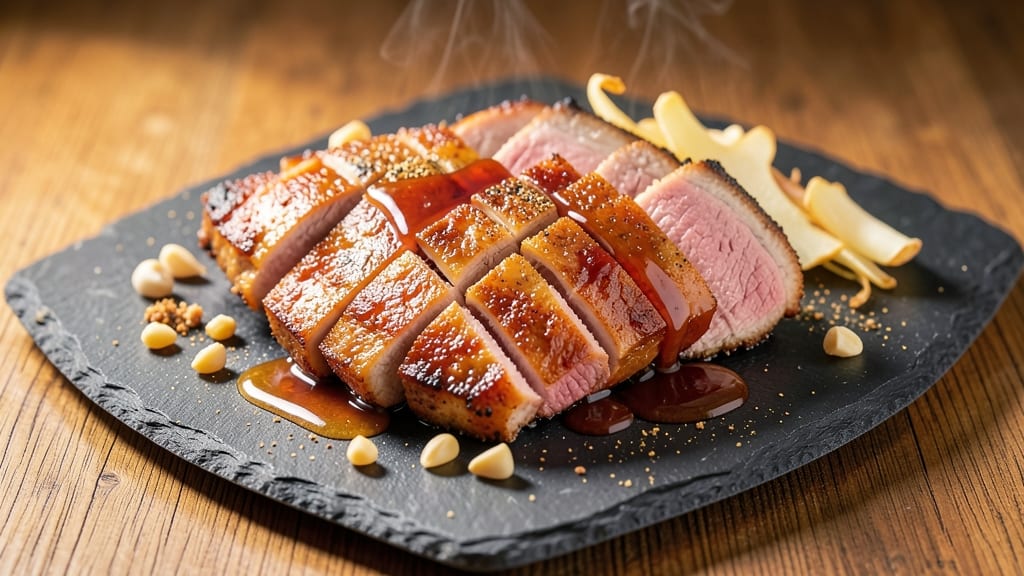
This Chinese pork roast recipe transforms tough pork shoulder into melt-in-your-mouth tenderness with a fragrant five-spice glaze. 💛 The secret lies in slow oven roasting at precise temperatures, allowing the meat to break down while developing a caramelized crust that seals in all those aromatic flavors.
My grandmother used to make this for family gatherings, and I've perfected her method for modern home kitchens.
The process begins with a marinade of soy sauce, honey, and those essential five-spice powders that create the signature Chinese flavor profile. As the pork roasts in the oven, I demonstrate how to baste it with its own juices and glaze, ensuring maximum moisture retention and that beautiful glossy crust.
This isn't just a recipe—it's a technique that turns simple ingredients into something restaurant-worthy.
What you'll end up with is pork so tender it practically falls apart at the touch, with a crust that crackles with flavor from the five-spice glaze. The aroma alone will have everyone gathering at your table, and the meat stays juicy even after resting.
This is the kind of dish that makes weeknight dinners feel like special occasions without requiring hours in the kitchen.
Serve with steamed greens and jasmine rice for a complete meal that balances rich flavors with fresh textures. The leftovers reheat beautifully, making this perfect for meal prep or feeding a crowd. Let's get started on this timeless Chinese classic that's become a family favorite in my kitchen.
Ingredients for chinese pork roast recipe oven
Six simple ingredients transform tough pork into melt-in-your-mouth perfection with that signature five-spice aroma.
| Ingredient | Amount | Notes |
|---|---|---|
| Pork Shoulder 🐷 | 4 lb | Bone-in, skin-on preferred |
| Soy Sauce 🍶 | ½ cup | Light or dark variety |
| Honey 🍯 | ½ cup | Wildflower preferred |
| Five-Spice Powder 🌶️ | 2 tbsp | Homemade or quality blend |
| Garlic Cloves 🧄 | 6 cloves | Minced for marinade |
| Ginger Root 🌿 | 1 tbsp | Freshly grated |
| Sesame Oil 🫒 | 1 tbsp | Toasted sesame oil |
| Brown Sugar 🍚 | ¼ cup | Packed firmly |
| Cornstarch 🌾 | 1 tbsp | For glaze thickening |
| Olive Oil 🫒 | 2 tbsp | For basting |
| Salt 🧂 | 1 ½ tsp | Kosher or sea salt |
| Black Pepper 🌶️ | ½ tsp | Freshly ground |
| Red Pepper Flakes 🔥 | ½ tsp | Optional for heat |
The pork shoulder makes all the difference here—bone-in and skin-on gives you the most flavor and texture. Local butchers often have great cuts, or grab one from the meat department at Whole Foods or Trader Joe's. Look for good marbling, which means fat streaks throughout the meat—this keeps it juicy during roasting. If you can't find bone-in, skin-on, don't stress—just trim excess fat after seasoning. My grandmother always used pork shoulder because it's forgiving with slow cooking, and it's what gives you that fall-apart texture. (Pro tip: Pat it dry before seasoning—this helps the marinade stick better.)
No five-spice powder? Mix cinnamon, star anise, fennel, cloves, and Szechuan peppercorn at equal parts—it's the same thing. The honey can be swapped for maple syrup if you're avoiding it, but it won't caramelize the same way. Fresh ginger is ideal, but ground ginger at half the amount works in a pinch. For the glaze, if you don't have sesame oil, toasted peanut oil gives a similar nutty depth. The cornstarch is key for that glossy finish—don't skip it unless you're okay with a thinner glaze. And trust me on the skin-on pork: it crisps up beautifully and adds another layer of flavor.
Pork roast reheats like a dream—just cover with foil and warm in the oven for 20-30 minutes. Leftovers keep for 5-6 days in the fridge, or freeze for up to 3 months (portion into individual servings first). I always make a double batch because it's perfect for meal prep—slice it thin, serve over rice, and you've got lunch for the week. The glaze thickens as it cools, so reheat it with a splash of water if it gets too stiff. And save those bones! Simmer them with water and a splash of soy sauce for a quick pork broth later.
Why You'll Love This Recipe
- One-Pan Magic: I swear by this recipe because it’s literally hands-off after the initial rub. Toss the pork shoulder in soy, honey, and five-spice, slap it on a sheet pan with garlic, and forget about it—your oven does the heavy lifting while you drink tea or scroll through your phone. (Yes, even on a Tuesday night.)
- Sweet-Savory Crunch: That honey-soy glaze caramelizes into a sticky, slightly crispy crust while the five-spice powder adds warmth that lingers like a hug. Honestly, the first bite makes me pause mid-chew—it’s the kind of flavor that turns a simple roast into something you’d order at a dim sum spot.
- Leftovers That Don’t Suck: Between us, pork shoulder begs to be reheated, but most recipes turn it into sad, dry rubber. Not this one. The honey keeps it juicy, and I’ve turned cold slices into next-day banh mi or quick stir-fries without breaking a sweat. (My lunchbox thanks me.)
- Budget Feast for Crowds: A single pork shoulder feeds my whole family and leaves enough for takeout containers. Soy sauce and honey are pantry staples, and five-spice powder lasts forever—so this is my go-to for potlucks, game days, or when I’m too tired to order in. Solid. Reliable. My secret weapon.
Step-by-step instructions for Chinese pork roast
Let's create a showstopping roast with a glossy, aromatic crust and melt-in-your-mouth pork.
👨🍳 Step 1: Make the Five-Spice Marinade
In a large bowl, combine the 0.5 cup soy sauce, 0.5 cup honey, 2 tbsp five-spice powder, 6 cloves minced garlic, 1 tbsp grated ginger root, 1 tbsp sesame oil, 0.25 cup packed brown sugar, 1.5 tsp salt, 0.5 tsp black pepper, and 0.5 tsp red pepper flakes (if using). Mix until the brown sugar dissolves completely.
This marinade packs layers of flavor—the five-spice powder brings warmth, the honey adds natural sweetness, and the ginger/garlic create depth. Let it cool to room temperature before using. I like to let it sit for 30 minutes to allow the spices to bloom fully.
🍳 Step 2: Prep and Coat the Pork
Pat the 4 lb pork shoulder completely dry with paper towels—this is crucial for that perfect crust. Place it in a large resealable bag and pour in the marinade, coating it thoroughly on all sides. Seal the bag and refrigerate for at least 4 hours (overnight is even better).
Here's the thing—don't skip the marinating time. The pork needs this time to absorb the flavors and tenderize. If you're short on time, you can marinate for just 2 hours, but the longer it sits, the more flavorful it becomes.
🔥 Step 3: Sear the Pork for Maximum Flavor
Preheat your oven to 325°F. Remove the pork from the marinade (reserve the marinade) and pat it dry again. Heat 2 tbsp olive oil in a large oven-safe skillet over medium-high heat. Sear the pork on all sides until deeply browned, about 4-5 minutes per side.
This searing step creates the Maillard reaction, which develops deep, caramelized flavors. Don't rush it—you want that beautiful golden-brown crust. If the marinade starts smoking, reduce the heat slightly to prevent burning.
🥘 Step 4: Roast Low and Slow
Transfer the skillet to the preheated oven. Pour the reserved marinade over the pork, then cover the skillet tightly with foil. Roast for 3 hours at 325°F, basting with pan juices every 45 minutes.
Here's where the magic happens—the low and slow cooking breaks down the connective tissue, making the pork incredibly tender. The foil traps moisture, ensuring juicy meat. You'll know it's ready when a meat thermometer inserted into the thickest part reads 195-200°F.
🔪 Step 5: Glaze and Finish
Remove the pork from the oven and increase the heat to 425°F. In a small bowl, whisk together 2 tbsp of the reserved pan juices, 1 tbsp cornstarch, and 1 tbsp honey to make a glaze. Brush this mixture generously over the pork.
Return the pork to the oven (uncovered) and roast for an additional 15-20 minutes until the glaze caramelizes and forms a glossy crust. The pork should be deep golden brown with a sticky, aromatic glaze. Let it rest for 20 minutes before slicing—this ensures juicy, not runny, meat.
Pro Tips For Making Chinese Pork Roast Recipe Oven
- USE A LID FOR CRUST: The first 20 minutes at 400°F (200°C) with the oven door cracked? Nope. Slap that pork shoulder in with a lid on—steam builds fast, and that’s when the honey-soy glaze caramelizes into a sticky, glossy crust. I used to skip this, and my roast came out more "glazed" than "crusty." (Your future self will thank you.)
- SMASH THE GARLIC: Whole garlic cloves? They’ll just sit there like decorative rocks. Mince them fine—like, really fine—or pound them with the flat side of your knife until they’re almost paste. The five-spice powder needs something to cling to, and raw garlic flavor should dissolve into the meat, not just float on top. I learned this after biting into a roast where I could still taste whole garlic cloves. (Yes, I ate it anyway.)
- DON’T RUSH THE REST: Pull the pork at 195°F (90°C) internal, tent it with foil, and let it sit for 15 minutes. I know, you’re hungry. But if you slice too early, the juices will run out, and your roast will be dry. The honey and soy sauce need time to reabsorb, too. Trust me, the meat will stay tender longer—it’s the difference between "meh" and "wow."
- SWAP HONEY FOR MAPLE (IF NEEDED): Honey’s great, but if you’re in a pinch or just hate sticky cleanup, use the same amount of maple syrup. It’s less aggressive in flavor but still adds that sweet depth the five-spice powder craves. I’ve done this when I forgot to buy honey, and no one ever noticed. (Your kitchen counter will, though.)
Troubleshooting this dish
Pork Too Dry?
If your pork turns out dry, it’s usually from overcooking or skipping the rest time. I’ve learned the hard way—pork needs that 20-minute rest after roasting to redistribute juices. Use a meat thermometer and pull it out when it hits 195-200°F, not higher.
Also, avoid cutting into it too soon; the internal temperature will rise another 5-10°F while resting. 💡
Glaze Not Sticky?
A glossy glaze depends on proper cornstarch ratio and heat control. If yours isn’t caramelizing, try this fix: mix 1 tbsp cornstarch with 1 tbsp cold water first to make a slurry, then whisk it into 2 tbsp pan juices.
Brush it on when the oven is at 425°F—the high heat helps create that sticky, aromatic crust. If it’s still too thin, simmer the glaze in a small pan for 2-3 minutes before brushing. ✨
Uneven Cooking?
Uneven doneness often happens when the pork isn’t seared evenly or the oven temperature fluctuates. Start by searing the pork on all sides in a cold skillet—this ensures even browning. Then, place it on a wire rack in a roasting pan to allow air circulation around all sides.
If your oven runs hot or cold spots, rotate the pan halfway through cooking. A digital thermometer probe helps track the thickest part of the meat accurately. 🌡️
Marinade Not Absorbing?
If your pork isn’t absorbing the marinade, it’s likely because it wasn’t patted dry enough. Start fresh by patting the pork completely dry with paper towels before marinating.
For extra absorption, prick the meat lightly with a fork in a few places (don’t overdo it—this can cause juices to leak out). Also, make sure your marinade is at room temperature before applying it.
If you’re short on time, try vacuum-sealing the pork with the marinade for 1 hour to speed up the process. 💛
Skin Not Crispy?
For that perfect crispy skin, leave it on and make sure it’s dry before searing. After searing, don’t cover the pork with foil until the last 30 minutes of cooking.
If the skin isn’t crispy enough, broil it for 2-3 minutes at the end—just keep an eye on it to avoid burning. A splash of ice water on the skin before searing can also help create a crackling crust. Trust me, this little trick makes all the difference! 🔥
Five-Spice Flavor Weak?
Weak five-spice flavor usually means the spices weren’t toasted or bloomed properly. Toast your five-spice powder in a dry skillet over low heat for 1-2 minutes to wake up the flavors before mixing it into the marinade.
If you’re using store-bought powder, check the expiration date—old spices lose their potency. For extra depth, add a pinch of Szechuan peppercorn directly to the glaze before finishing in the oven. 🌶️
Nutrition facts
Frequently asked questions
Can I use a different cut of pork instead of shoulder?
You can try pork butt or pork loin, but pork shoulder is ideal because its fat content keeps it juicy during long roasting. If using loin, reduce cooking time by 30-45 minutes since it's leaner. For pork butt, add 15-20 minutes to account for slightly more connective tissue. The five-spice marinade works well with any cut, but adjust cooking times based on thickness.
How do I make this recipe in an electric pressure cooker?
For pressure cooking, marinate the pork as directed, then sear it in the pressure cooker pot. Add 1 cup water and cook on high pressure for 60 minutes (not including preheat time). Quick-release the pressure, then broil for 5 minutes to caramelize the glaze. The meat will be tender but slightly less crispy than oven-roasted. Use a meat thermometer to check doneness.
What's the best way to reheat leftovers?
Wrap slices in foil with a splash of water and reheat at 325°F for 15-20 minutes. For extra crispiness, broil for 2-3 minutes at the end. Never microwave—it makes the meat tough. Leftovers keep for 5-6 days in the fridge or 3 months frozen. Reheat frozen portions from thawed state only for best texture.
Can I substitute honey in the marinade?
Yes, use maple syrup or agave nectar in equal amounts, but the glaze won't caramelize as beautifully. For a non-sweet option, try rice vinegar or hoisin sauce (reduce by 2 tbsp to balance saltiness). The honey creates the signature sticky glaze, so if avoiding it, expect a slightly different texture. Brown sugar can be omitted if using vinegar substitutes.
Why does my pork sometimes come out stringy?
Stringy pork usually means it was overcooked or didn't rest properly. Always use a meat thermometer and pull it at 195-200°F—don't let it exceed 205°F. The 20-minute rest is crucial for redistributing juices. If using bone-in pork, remove the bone before slicing against the grain. For extra tenderness, add 1 tbsp cornstarch to the marinade to help bind the fibers.