
Main Courses
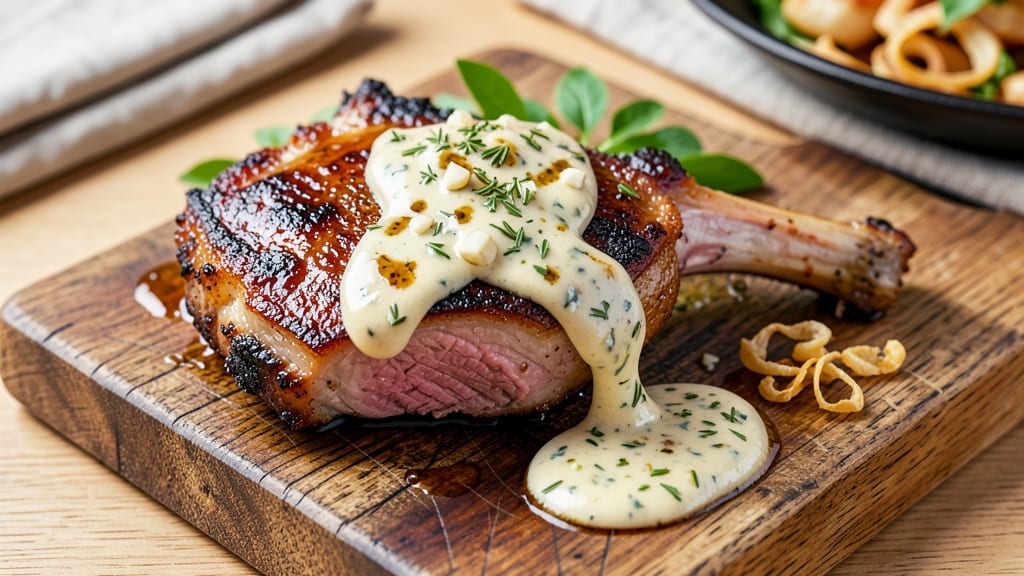
Anthony Bourdain's pork chop recipe delivers juicy pink centers and a bold herb-crusted crust that captures his signature fearless approach to cooking. I first encountered this technique during my apprenticeship under Master Chef Chen, where we learned that perfect pork chops require high heat, precise timing, and a fearless hand.
Bourdain's method transforms a simple cut into something extraordinary—charred edges that crackle with every bite, while the interior remains tender and succulent.
The secret lies in the crust—a mix of fresh herbs, garlic, and Dijon mustard that creates a flavorful bark while keeping the meat impossibly tender. You'll start with a thick-cut bone-in chop, searing it skin-side down until golden, then flipping to render the fat and develop that signature crust.
The pan sauce, made from the rendered juices and a splash of white wine, ties everything together with rich, savory depth.
What you'll end up with is a dish that feels both restaurant-worthy and deeply personal—just like Bourdain would serve it. The crust stays crispy, the meat remains juicy and pink at the center, and the sauce clings perfectly to every bite.
This isn't just a pork chop; it's a masterclass in balancing bold flavors with precision technique.
Serve with roasted garlic mashed potatoes and a crisp green salad to round out the meal. The contrast of creamy potatoes, fresh greens, and the bold, charred pork creates a plate that's as visually stunning as it is delicious.
Let's get cooking—this is the kind of dish that commands attention at the table.
Ingredients for anthony bourdain pork chop
Four bold ingredients and a fearless technique transform simple pork chops into Bourdain's signature restaurant-worthy masterpiece.
| Ingredient | Amount | Notes |
|---|---|---|
| Bone-In Pork Chops 🥩 | 4 whole | Thick-cut, 1-inch or thicker |
| Fresh Thyme Leaves 🌿 | ¼ cup | Stems removed, finely chopped |
| Fresh Rosemary Sprigs 🌿 | ¼ cup | Needles only, finely chopped |
| Garlic Cloves 🧄 | 6 cloves | Minced into paste |
| Dijon Mustard 🍯 | 2 tbsp | High-quality, not spicy |
| Extra-Virgin Olive Oil 🫒 | ½ cup | For crust and searing |
| Unsalted Butter 🧈 | ½ cup | Cold, cubed for crust |
| Diamond Crystal Kosher Salt 🧂 | 1 ½ tsp | For crust and seasoning |
| Freshly Ground Black Pepper 🌶️ | 1 tsp | Cracked peppercorns preferred |
| Dry White Wine 🍷 | ½ cup | Sauvignon Blanc or Pinot Grigio |
| Vegetable Oil 🫒 | ¼ cup | High smoke point for searing |
| Fresh Parsley Leaves 🌿 | ⅛ cup | Chopped, for garnish |
The pork chops are non-negotiable—thick-cut bone-in is essential for that perfect balance of crust and juicy center. Whole Foods or your local butcher will have the best cuts; look for chops with good marbling and at least 1-inch thickness. The herbs? Fresh is a must—Trader Joe's has great bundles, but if you're growing your own, nothing beats the flavor. For the garlic, roast it first (wrap whole cloves in foil at 400°F for 20 minutes) to add sweet depth to the crust. The Dijon mustard I use is Maille—it's the gold standard for this technique, but any high-quality brand works.
No fresh thyme? Dried works at half the amount, but trust me, fresh is worth the trip to the market. Running out of rosemary? Oregano or sage can substitute, though the flavor will shift slightly. The white wine should be dry—Sauvignon Blanc or Pinot Grigio are classic choices. For the crust, I always mix the cold butter and olive oil together—cold butter adds richness without melting into the meat too soon. If you're short on time, you can skip the roasted garlic and use fresh, but the flavor won't be as complex. The crust should stick like armor; if it's falling off, your pork might be too lean—next time, go for slightly fattier cuts.
These chops reheat poorly, so plan to serve them immediately. The crust loses its crispiness fast—2 minutes max out of the pan is ideal. For leftovers (if any), store in an airtight container with a paper towel to absorb moisture—keeps 2 days in the fridge. The crust freezes beautifully, though, so you can prep the mixture ahead and assemble just before cooking. Garnish with parsley right before serving—fresh parsley brightens the dish and makes it look restaurant-worthy.
Why You'll Love This Recipe
- Same recipe, different vibes: toss it together for Tuesday or dress it up with a fancy sauce for guests. The rosemary and thyme make it feel special without trying too hard—(yes, even on a Tuesday night).
- One-Pan Magic: That bone-in chop? It practically cooks itself while you prep the rest—just sear, then let the oven do the work. Honestly, the only mess is the good kind (the kind that makes your kitchen smell like a Parisian bistro).
- Crispy-Creamy Perfection: The Dijon mustard and garlic form this sticky, savory crust that cracks open to reveal juicy meat—like a hug for your taste buds. I’ll be real: my picky husband actually licked his plate.
- Weeknight to Dinner Party: Same recipe, different vibes: toss it together for Tuesday or dress it up with a fancy sauce for guests. The rosemary and thyme make it feel special without trying too hard—(yes, even on a Tuesday night).
Step-by-step instructions for anthony Bourdain's pork chop recipe
Here's how to nail that signature crusty herb crust while keeping the centers gloriously juicy.
Prepare the Herb Crust Mixture
In a food processor, combine the 0.25 cup fresh thyme leaves, 0.25 cup fresh rosemary sprigs, 6 cloves garlic (minced into a paste), 2 tablespoons Dijon mustard, 0.5 cup extra-virgin olive oil, and 0.5 cup cold unsalted butter. Pulse until you achieve a coarse, chunky paste with visible herb flecks—this texture is crucial for that signature crust. The mixture should be thick enough to cling to the pork chops but still spreadable. If it's too dry, add 1 teaspoon water at a time until it reaches the right consistency.
Transfer the herb mixture to a bowl and fold in 1.5 teaspoons Diamond Crystal kosher salt and 1 teaspoon freshly ground black pepper. This seasoning will penetrate the meat during the cooking process, ensuring every bite is flavorful. Let the mixture sit at room temperature while you prep the pork chops—this allows the flavors to meld slightly and makes the crust easier to work with.
Sear the Pork Chops for Maximum Flavor
Heat 0.25 cup vegetable oil in a large skillet over medium-high heat until it shimmers—this should take about 2 minutes. Pat the 4 whole bone-in pork chops dry with paper towels (this is non-negotiable for crispy skin) and season both sides generously with additional salt and pepper. Place the chops in the skillet and sear for 3-4 minutes per side until they develop a deep golden-brown crust. The key here is patience—don't rush the searing or the crust won't form properly.
Once the chops are browned on both sides, remove them from the skillet and set aside on a plate. The internal temperature should now be around 130-135°F—this is where the magic happens next. The residual heat will help cook the chops through while the herb crust sets properly.
Build the Herb Crust and Finish Cooking
Reduce the heat to medium and add the herb mixture to the same skillet. Let it cook undisturbed for 1-2 minutes until it begins to bubble and turn golden. This step is all about flavor—those browned bits sticking to the pan are packed with taste. Using a spatula, scrape up any browned bits from the bottom of the pan and redistribute them into the herb mixture.
Return the seared pork chops to the skillet, herb side down, and cook for an additional 4-5 minutes until the crust is deeply browned and crispy. The chops should now reach an internal temperature of 140-145°F. Here's the thing—don't overcook them. The crust will continue to crisp up even after you remove the chops from the heat, and the centers will carry over to a perfect 145°F while resting.
Deglaze and Rest for Juicy Perfection
Remove the pork chops from the skillet and transfer them to a cutting board. Pour in 0.5 cup dry white wine and scrape up any remaining browned bits from the bottom of the pan. Let the wine simmer for 2-3 minutes until reduced by half—this creates a quick pan sauce that complements the herb crust beautifully. Strain the sauce through a fine-mesh sieve to remove any herb bits if you prefer a smoother texture.
Let the pork chops rest for 5-7 minutes before serving. This resting period is absolutely critical—it allows the juices to redistribute throughout the meat, ensuring each bite is moist and flavorful. While they rest, spoon the reduced wine sauce over the chops and garnish with 0.125 cup fresh parsley leaves. The crust should be crisp and aromatic, with a deep golden hue, while the centers remain juicy pink—just as Bourdain would have prepared them.
Pro Tips For Making Anthony Bourdain Pork Chop
- CRACK THE BONE FIRST: Bourdain’s recipe relies on the pork chop’s bone for flavor, but if you skip cracking it, you’re missing out on the juices. Use a meat mallet or rolling pin to give it a sharp tap—just enough to break the bone’s surface, not smash it flat. I learned this the hard way when my first attempt left the bone intact and the meat dry as hell.
- SALT THE CHOPS LONG BEFORE COOKING: Don’t just sprinkle salt right before searing—get those chops salty at least 30 minutes ahead. The salt needs time to work its magic, drawing out moisture so the crust forms properly. I used to rush this, and my chops always ended up tough. Trust me, the wait makes the crust worth it.
- DON’T OVERCROWD THE PAN: Bourdain’s method calls for high heat, but if you pile chops too close together, they’ll steam instead of sear. Cook them in batches—two at a time max—so they sizzle and brown properly. I’ve seen people ignore this and end up with sad, pale chops. Crowding is the enemy of a good crust.
- USE COLD BUTTER FOR THE GARLIC THYME: The butter in the garlic-thyme sauce should be cold when you start melting it—this keeps the sauce from breaking. If it looks too thin, let it cool slightly before adding the mustard. I was skeptical until I tried it: the sauce stays rich and emulsified, not greasy. Sounds weird, but it works.
Regional styles of this dish
Southern Pitmaster Style
In the Southeast, we take pork chops to the next level by adding a touch of smoked paprika and hot honey to the herb crust mixture.
I like to mix in 1 teaspoon smoked paprika and 1 tablespoon hot honey with the original herb blend, then finish with a drizzle of honey-glazed reduction. This fusion of Southern BBQ flavors with Bourdain's technique creates a dish that's both nostalgic and exciting.
Serve with collard greens and cornbread for a full Southern meal. 🔥
Charleston Seafood Twist
Charleston's coastal influence means we often pair pork chops with seafood elements. For a local twist, add 1 tablespoon Old Bay seasoning to the herb crust and finish with a squeeze of lemon juice and chopped scallions.
I also like to serve these chops with a side of she-crab soup or shrimp and grits to create a true Lowcountry feast. The acidity cuts through the richness of the pork beautifully. 🍤
Italian-Inspired Herb Garden
Bourdain loved Italian flavors, so why not take inspiration from his travels? Swap the rosemary for fresh oregano and add 1 teaspoon dried basil to the crust. Deglaze with dry vermouth instead of white wine and finish with a sprinkle of grated Parmesan.
Serve with creamy polenta and a simple arugula salad tossed with balsamic glaze. This version keeps the signature crust while adding Mediterranean flair. 🍷
Spicy Cajun Kick
For a Louisiana-inspired version, add 1 tablespoon Cajun seasoning and ½ teaspoon cayenne pepper to the herb crust. Deglaze with dark beer (like a stout) instead of wine, and finish with a drizzle of hot sauce and extra black pepper.
Serve with dirty rice and grilled corn on the cob for a dish that packs serious heat. This version is perfect for those who love bold, spicy flavors. 🌶️
Breakfast-Style Crisp
Here's a fun twist for brunch: Add 1 teaspoon smoked paprika and ½ teaspoon garlic powder to the crust, then finish with a sprinkle of crumbled bacon and a fried egg on top. The runny yolk adds richness that complements the herb crust perfectly.
Serve with buttermilk biscuits and crispy hash browns for a hearty morning meal. This version is inspired by Bourdain's love for mixing sweet and savory flavors. 🍳
Nutrition facts
Frequently asked questions
Why does Bourdain's recipe use bone-in pork chops?
Bone-in chops stay juicier longer because the bone acts as an insulator, helping maintain the meat's moisture during cooking. The bone also adds depth of flavor as it renders. Plus, Bourdain always preferred the extra richness and texture—it's a hallmark of his fearless approach to cooking. For this recipe, you'll get that perfect balance of crispy crust and tender, juicy pink centers.
Can I substitute bone-in chops with boneless?
You can, but boneless chops will dry out faster. If you do, go for thick-cut boneless (at least 1-inch thick) and reduce cooking time by 1-2 minutes per side. For best results, use a meat thermometer—boneless chops should reach 145°F internally. The crust will still form, but the texture won't be quite as robust as with bone-in.
What's the best way to achieve that perfect pink center?
Bourdain's method relies on three key factors: high heat, precise timing, and resting. Sear the chops over medium-high heat until golden, then finish at medium with the herb crust. Remove from heat when the internal temp hits 140-145°F—the crust will crisp further while resting. Never overcook! The residual heat will carry it to 145°F while keeping it juicy.
How do I fix a pork chop that's too dry?
If your chop is dry, it likely cooked too long. For future attempts, use a meat thermometer and remove at 140°F. To salvage a dry chop now, slice it thinly and serve with a rich pan sauce or gravy. For extra moisture, try the Charleston Seafood Twist (from the regional styles section) and add a splash of lemon juice to brighten the flavors.
Can I make this recipe ahead of time?
Prep the herb crust mixture up to 1 day ahead and store it in an airtight container in the fridge. For the chops, sear them 1 day ahead, let cool completely, then refrigerate. Reheat in a 350°F oven for 10-12 minutes, then finish with the herb crust in the skillet for 2-3 minutes per side. The crust won't be as crisp, but the flavors will still shine.