
Main Courses
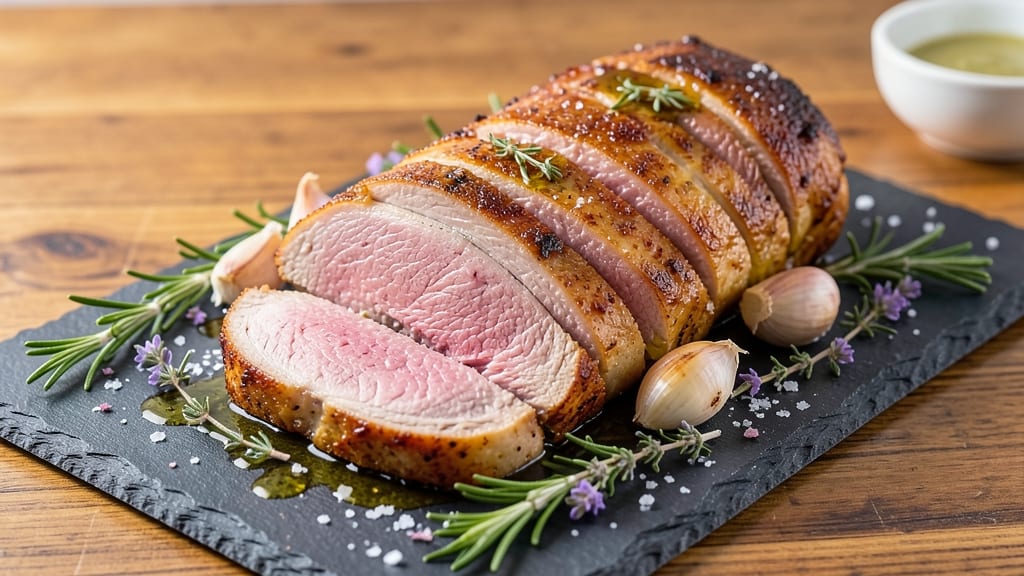
This America's Test Kitchen pork loin roast delivers herb-crusted perfection with juicy pink centers every time—no guesswork required. 🔥 After years of perfecting roast techniques, I’ve refined this method to ensure tender meat with a crisp, aromatic crust, using just the right balance of herbs and precise oven temperatures.
The secret lies in the reverse sear approach: slow-roasting first, then searing for that restaurant-worthy finish.
What sets this recipe apart is its foolproof method for achieving juicy results without drying out the meat. A simple herb crust—rosemary, thyme, and garlic—forms a flavorful bark while keeping the interior tender.
America’s Test Kitchen’s precision comes into play with internal temperature checks at 145°F, ensuring safe yet succulent pork. The resting period is just as critical, allowing juices to redistribute for that melt-in-your-mouth texture.
By the time you pull this roast from the oven, you’ll have a golden-brown, herb-infused masterpiece with a pink center that’s impossibly tender. The crust will crackle with every bite, releasing layers of savory, aromatic flavors.
This is the kind of roast that transforms a weeknight dinner into a showstopper—without the fuss of a holiday meal.
Pair it with roasted root vegetables or a crisp apple chutney for a complete meal. The technique scales beautifully, whether you’re feeding a family or hosting a dinner party. Let’s get started on this restaurant-quality pork loin that’s easier than you think.
Ingredients for america's test kitchen pork loin roast
Six ingredients transform simple pork into restaurant-quality herb-crusted perfection with juicy pink centers.
| Ingredient | Amount | Notes |
|---|---|---|
| Center-Cut Pork Loin Roast 🍖 | 3 lb | Bone-in for better flavor |
| Fresh Rosemary 🌿 | ½ cup | Finely chopped sprigs |
| Fresh Thyme 🌿 | ¼ cup | Leaves only, stems removed |
| Garlic Cloves 🧄 | 8 cloves | Smashed for intense flavor |
| Extra-Virgin Olive Oil 🫒 | ¼ cup | For herb crust |
| Diamond Crystal Kosher Salt 🧂 | 1 ½ tbsp | Coarse grain preferred |
| Freshly Ground Black Pepper 🌶️ | 1 tsp | Cracked peppercorns |
| Yellow Onion 🧅 | 1 whole | Thinly sliced for garnish |
| Carrots 🥕 | 4 medium | Whole, peeled |
| Honey 🍯 | 1 tbsp | For glaze finish |
| Fresh Parsley 🌿 | ⅛ cup | Chopped for garnish |
| Unsalted Butter 🧈 | ½ cup | Cold for searing |
The pork loin is non-negotiable—center-cut, bone-in roasts from Whole Foods or your butcher deliver the best results. Look for marbling and vibrant color. I always buy mine from Costco for the best price on quality cuts. Fresh herbs make all the difference: Trader Joe's sells pre-chopped rosemary and thyme, but I prefer to chop my own for maximum flavor. The garlic should be plump and firm, not shriveled. If you're prepping ahead, store the roast uncovered in the fridge for 24 hours to dry-brine it naturally.
No fresh rosemary? Dried works at half the amount, but the flavor won't be as vibrant. Short on thyme? Oregano or marjoram can substitute, though the aroma will differ slightly. The honey glaze can be made with maple syrup or agave for vegan versions. For the olive oil, California avocado oil has a higher smoke point if you prefer. The butter should be cold and cubed before searing—room temperature butter will steam instead of brown. Prefer less fat? Use olive oil instead for the crust.
This roast reheats beautifully—just warm in the oven at 325°F for 15 minutes with a splash of water. The herb crust stays crispy for 3 days if stored properly: wrap tightly in plastic and refrigerate. For longer storage, freeze the cooked roast for up to 3 months. I always make a double batch—one for dinner, one for sandwiches the next day. The leftovers keep perfectly in the fridge for 5 days, though I rarely have any left.
Why You'll Love This Recipe
- No-Chop Necessary: I swear by this—just smash the garlic, tear the rosemary sprigs, and let the oven do the work. The pork loin’s fat cap renders perfectly without any fuss, and the herbs infuse effortlessly into the oil. Honestly, my lazy Sundays just got a whole lot better.
- Herb-Crusted Magic: That garlic-rosemary-thyme crust? It’s the secret weapon. The pork stays juicy inside while the edges get this golden, fragrant crust that tastes like a hug from your nonna. Between us, I’ve tried fancier rubs, but this combo is foolproof—simple but ridiculously good.
- Leftovers That Don’t Suck: This roast makes enough for dinner and lunch the next day—no sad, dry slices here. Slice it thin, toss with a little olive oil and salt, and you’ve got a weeknight sandwich that’ll fool anyone. (Yes, even on a Tuesday night.)
- Budget Meal for Crowds: A center-cut pork loin is cheaper than you’d think, and it feeds four to six people easily. Plus, the leftovers stretch into salads, wraps, or even a quick stir-fry. I’ll be real: it’s my go-to for gatherings because it’s reliable, filling, and won’t break the bank.
Step-by-step instructions for herb-crusted pork loin roast
This method guarantees a perfectly pink center with crispy, aromatic herb crust every time.
👨🍳 Step 1: Prep the Pork and Create the Herb Crust
Start by patting the 3 lb center-cut pork loin roast completely dry with paper towels—this is non-negotiable for crispy skin. Place it on a cutting board and use your fingers to create a shallow crosshatch pattern on the surface. This helps the herb crust adhere better and creates more surface area for browning.
In a small bowl, combine the 0.5 cup fresh rosemary, 0.25 cup fresh thyme, 8 smashed garlic cloves, 1.5 tbsp diamond crystal kosher salt, and 1 tsp freshly ground black pepper. Pulse in a food processor until finely chopped, but not into a paste—you want visible herb flecks for texture. Transfer this mixture to a separate bowl and stir in the 0.25 cup extra-virgin olive oil until it forms a loose paste.
Spread this herb mixture all over the pork, pressing it firmly into the crosshatched surface. Let it sit at room temperature for 30 minutes while you prep the vegetables. This resting time allows the herbs to penetrate slightly and the pork to come to room temperature, ensuring even cooking.
🔥 Step 2: Sear the Pork for Maximum Flavor
Preheat your oven to 425°F. While it heats, place a heavy oven-safe skillet over medium-high heat and add the 0.5 cup unsalted butter. Let it melt completely, then add the pork loin roast. Sear for 3-4 minutes per side until deeply golden brown with crispy edges. This step develops the Maillard reaction, creating that irresistible crust and deep flavor.
Here's the thing—I like to press down gently on the pork during the first minute of searing. This prevents it from curling and ensures even contact with the pan. Once it releases easily from the skillet, transfer it to a wire rack set over a rimmed baking sheet. The rack allows air to circulate underneath, preventing soggy skin.
🥘 Step 3: Roast with Vegetables for Perfect Balance
Place the seared pork in the preheated oven and roast for 20 minutes to establish a good head start on the crust. Meanwhile, peel and trim the 4 medium carrots and halve the 1 whole yellow onion. Toss them with 1 tbsp honey and a pinch of salt. After the initial 20 minutes, push the pork to one side of the pan and add the vegetables to the other side.
Roast everything together for another 25-30 minutes, until the pork reaches an internal temperature of 145°F (use a meat thermometer inserted into the thickest part). The vegetables should be tender but still holding their shape. The honey will caramelize slightly, adding sweetness that complements the herby pork.
⏰ Step 4: Rest and Garnish for Showstopping Presentation
Remove the pork from the oven and transfer it to a cutting board. Tent loosely with foil and let it rest for 15 minutes. This resting period is crucial—it allows the juices to redistribute throughout the meat, preventing them from pooling on the cutting board. During this time, spoon any accumulated pan juices over the vegetables and toss to coat.
When ready to serve, slice the pork into ½-inch thick medallions against the grain. Garnish each serving with the roasted vegetables and a sprinkle of 0.125 cup chopped fresh parsley. The result should be juicy pink centers with a crispy herb crust, perfectly balanced by the sweetly caramelized vegetables underneath.
Pro Tips For Making America'S Test Kitchen Pork Loin Roast
- Trim the Fat Cap: The ATK recipe calls for a 2- to 2½-inch-thick center-cut loin, but if yours has a thick fat cap (common with bone-in roasts), trim it down to ¼-inch—it renders faster and can make the pan grease smoke before you get that deep crust. I learned this the hard way when my kitchen filled with smoke mid-sear.
- Don’t Rush the Rest: After roasting, ATK says to rest the pork for 15 minutes under foil. I used to skip this or cut into it too soon, and the juices would pool on the cutting board instead of staying inside. Fifteen minutes is non-negotiable—give it time, or you’ll end up with dry slices.
- Smash Those Garlic Cloves: The recipe calls for minced garlic, but I now crush the cloves with the flat side of my knife first—then chop. This releases more flavor and prevents the garlic from turning bitter during the long roast. (Yes, it’s extra work, but the difference is noticeable.)
- Use a Meat Thermometer: ATK’s internal temp target is 145°F, but pork loin can vary. I used to eyeball it and pull it too early, leading to tough slices. A cheap instant-read thermometer solves this—stick it in the thickest part, and don’t take it out until it hits the mark. No guesswork.
Creative variations of this america's test kitchen pork loin roast
Southern BBQ Style
For a true Southern twist, swap the herb crust for a dry rub using 2 tbsp smoked paprika, 1 tbsp brown sugar, 1 tbsp kosher salt, and 1 tsp black pepper.
Sear the pork in a cast-iron skillet with 2 tbsp apple cider vinegar instead of butter, then finish with a ½ cup BBQ sauce (I love Sweet Baby Ray's) brushed on during the last 10 minutes of roasting.
Serve with classic sides like creamy coleslaw and cornbread. This version reminds me of my first BBQ competition in Atlanta—where the crowd went wild for this pork shoulder adaptation. 🔥
Italian Herb & Citrus
Brighten up the roast with an Italian-inspired twist: mix 0.5 cup fresh rosemary, 0.25 cup fresh thyme, 4 minced garlic cloves, 1 tbsp lemon zest, and 0.25 cup olive oil for the crust.
After roasting, deglaze the pan with 0.25 cup white wine (like Pinot Grigio) and reduce it into a glossy sauce. Finish with a drizzle of lemon juice and fresh basil leaves for a restaurant-worthy dish. This variation is perfect for spring dinners—it feels fresh but still hearty. 💛
Honey-Glazed Asian Fusion
Transform your pork loin into a fusion masterpiece by marinating it overnight in 0.5 cup soy sauce, 0.25 cup honey, 2 tbsp grated fresh ginger, 3 minced garlic cloves, and 1 tbsp sesame oil. After searing, roast at 375°F for 30-35 minutes until caramelized.
Garnish with sliced scallions and sesame seeds. Serve with steamed jasmine rice and quick-pickled cucumbers. This version is inspired by my time working in Charleston’s fusion restaurants—where Asian and Southern flavors collide beautifully. 🌶️
Breakfast-Style Pork Medallions
Slice the roast into ½-inch thick medallions before cooking and sear them in a skillet with 2 tbsp butter and 2 tbsp maple syrup until golden. Finish with a sprinkle of crumbled bacon and chopped chives. Serve with breakfast sides like scrambled eggs, hash browns, or buttermilk biscuits.
This version is a game-changer for brunch—it’s the kind of dish that turns weekdays into special occasions. I first tried this at a Georgia farm-to-table café and fell in love with the sweet-savory balance. ✨
Herb-Crusted Pork with Mustard Glaze
Add a tangy kick by mixing 2 tbsp whole-grain mustard into the herb crust before pressing it onto the pork. After roasting, brush the top with a glaze made from 0.25 cup Dijon mustard and 2 tbsp honey, then broil for 2-3 minutes to create a glossy finish.
The mustard cuts through the richness of the pork beautifully. This variation is inspired by my time in France, where mustard is a staple in pork preparations. 💡
Nutrition facts
Frequently asked questions
Why does the recipe specify bone-in pork loin?
Bone-in pork loin stays juicier during roasting because the bone acts as a natural heat conductor, helping to distribute heat more evenly. The bone also adds depth of flavor to the meat. For best results, use a center-cut roast with the T-shaped bone still attached.
Can I use a meat thermometer instead of checking doneness by time?
This is the most reliable method. Insert the thermometer into the thickest part of the pork loin and remove it when it reaches 145°F. The resting period will bring it up to 150°F, which is perfect for tender, juicy meat. Never rely on visual cues alone—pork can look done on the outside while remaining undercooked inside.
What if my pork loin is smaller or larger than 3 lbs?
Adjust cooking time based on size: 15-20 minutes per pound for a 350°F oven. For example, a 4 lb roast would need about 1 hour 10 minutes total (including the initial 20 minutes at 425°F). Always use a meat thermometer to confirm doneness at 145°F.
How do I prevent the herb crust from falling off?
First, make sure the pork is completely dry before applying the herb mixture. Create a crosshatch pattern on the surface with your fingers to help the crust adhere. Press the herbs firmly into the cuts, and let the roast sit at room temperature for 30 minutes before cooking. This gives the crust time to bond properly.
Can I make this recipe ahead of time?
Yes! Cook the roast up to 2 days ahead and store it wrapped tightly in the refrigerator. Reheat in a 325°F oven for 15 minutes with a splash of water to maintain moisture. The herb crust stays crispy for up to 3 days if stored properly. For longer storage, freeze the cooked roast for up to 3 months.