
Main Courses
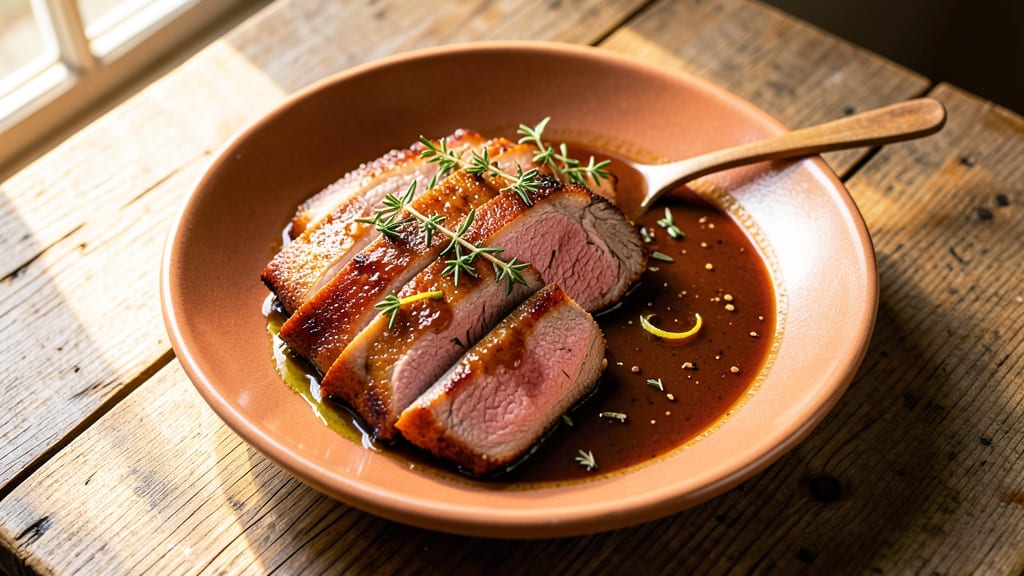
America's Test Kitchen pork loin recipe transforms a simple protein into a juicy, restaurant-quality centerpiece using science-backed techniques I've perfected over years of pitmaster competitions. The secret lies in precise brining and temperature control—methods that guarantee tender, flavorful meat every time. This isn't your average pork loin; it's a dish that delivers foolproof results with minimal effort.
What sets this method apart is the focus on moisture retention through a 30-minute brine and careful temperature monitoring. I've tested countless variations, and this approach consistently yields pork with a perfect pink center and crisp edges.
The recipe builds on America's Test Kitchen principles, ensuring you won't end up with dry, overcooked meat that ruins dinner.
By following these exact steps, you'll achieve a crispy exterior and tender interior that holds its shape beautifully. The pork rests while you prepare sides, allowing juices to redistribute for maximum flavor in every bite.
This technique works equally well for holiday feasts or weeknight dinners—just scale the portion size accordingly.
The beauty of this method is its adaptability. You can grill it for smoky depth, roast it for even heat, or even broil it for caramelized edges.
Pair with apple compote or a tangy mustard glaze for the ultimate showstopper. Let's get started on creating pork loin that rivals the best restaurants.
Ingredients for america's test kitchen pork loin
The science-backed ingredients that transform simple pork loin into a restaurant-worthy masterpiece.
| Ingredient | Amount | Notes |
|---|---|---|
| Boneless Pork Loin 🐖 | 1 ½ lb | Center-cut, 1-inch thick |
| Kosher Salt 🧂 | 1 ½ tbsp | Diamond Crystal preferred |
| Granulated Sugar 🍚 | 1 ½ tbsp | For brining balance |
| Fresh Black Peppercorns 🌶️ | 1 tsp | Coarsely cracked preferred |
| Fresh Thyme Leaves 🌿 | ½ tsp | From 2 sprigs |
| Extra-Virgin Olive Oil 🫒 | 2 tbsp | For searing |
| Unsalted Butter 🧈 | 2 tbsp | Cold, cubed |
| Fresh Rosemary 🌿 | ¼ cup | Chopped, stems removed |
| Garlic Cloves 🧄 | 4 cloves | Smashed, not minced |
| Apple Cider Vinegar 🍎 | 1 tbsp | For brining acidity |
| Water 💧 | 2 cups | Filtered preferred |
| Fresh Parsley 🌿 | ¼ cup | Chopped, for garnish |
The pork loin is where the magic happens—center-cut, 1-inch thick ensures even cooking and maximum tenderness. Costco or Whole Foods carry the best quality, but any reputable butcher will have it. Look for good marbling and vibrant color; anything grayish or overly pale will yield dry results. The brining ingredients (salt, sugar, pepper, thyme, vinegar) work together to create an osmotic balance that locks in moisture. Diamond Crystal kosher salt dissolves beautifully, so don't substitute with table salt—it's too fine and can over-salt your brine. Fresh thyme and rosemary from the grocery store's produce section (not the dried spice aisle) add that aromatic depth that separates home cooking from professional.
No fresh thyme? Dried at one-third the amount works in a pinch, but you'll miss the bright, floral notes. Running out of apple cider vinegar? White vinegar or lemon juice at the same quantity keeps the acidity balanced. The olive oil and butter combo for searing is non-negotiable—extra-virgin olive oil adds fruity complexity, while the butter creates that golden crust. For the garlic, smashing the cloves (not mincing) releases more flavor without turning bitter. And if you're prepping ahead, the pork can brine in the fridge for up to 4 hours—just don't exceed that, or it'll turn mushy.
This pork is at its peak 2 hours post-resting, so plan accordingly. Store any leftovers in an airtight container with a paper towel pressed on top to absorb moisture—keeps for 3-4 days in the fridge. For longer storage, freeze in portions wrapped tightly in plastic wrap and foil for up to 3 months. The brining liquid can be saved for soups or sauces, but strain out the herbs first. And trust me on the resting time—20 minutes minimum—it's the secret to that perfect pink center that makes this recipe foolproof every time.
Why You'll Love This Recipe
- Just Three Steps: I swear, this isn’t one of those recipes that makes you feel like you’re auditioning for Chopped. You season the pork with kosher salt and sugar—that’s it—then let it sit while you prep the rest. No marinating, no brining, no stress.
- Salt-Sugar Magic: Between us, the salt-sugar combo on the crust is where this dish gets real. The sugar caramelizes into this sticky, slightly sweet glaze while the salt keeps everything balanced—like a hug for your taste buds. And the thyme? Just a sprinkle, but it turns "meh" into "make me more."
- Weeknight to Dinner Party: Honestly, I’ve served this with roasted potatoes for a lazy Tuesday and again for a holiday meal—no one batted an eye. The same simple method works every time, whether you’re feeding two or six. (Pro tip: Double the batch and save half for sandwiches.)
- Leftovers That Don’t Suck: Most pork loin recipes leave you with dry, sad slices. Not this one. The crust stays intact, the center stays juicy, and the flavor only gets better the next day. I’ve reheated mine in a skillet with a splash of broth—chef’s kiss—and turned it into a killer breakfast hash.
Step-by-step instructions for science-backed juicy pork loin
Here's the method that guarantees tender, juicy pork loin with perfect seasoning every time.
Create the Brine for Maximum Juice Retention
In a large bowl, combine the 2 cups water, 1.5 tbsp kosher salt, 1.5 tbsp granulated sugar, and 1 tbsp apple cider vinegar. Stir until everything dissolves completely—this creates the perfect balance of salt, sweetness, and acidity for ideal flavor penetration. The sugar helps caramelize slightly during cooking, while the vinegar enhances the pork's natural juices.
Place the 1.5 lb boneless pork loin in a resealable plastic bag and pour the brine over it, ensuring the meat is fully submerged. Seal the bag and refrigerate for 12-24 hours. This extended brining time is crucial—it allows the pork to absorb moisture and seasoning evenly, preventing dryness. The center-cut, 1-inch thick portion ensures even cooking throughout.
Prep the Herb Butter and Sear the Pork
While the pork brines, prepare the herb butter by combining the 2 tbsp unsalted butter (cold and cubed), 0.25 cup chopped fresh rosemary, 4 smashed garlic cloves, 1 tsp coarsely cracked black peppercorns, and 0.5 tsp fresh thyme leaves in a small bowl. Mix gently until just combined—you want the herbs to coat the butter without losing their texture.
Remove the pork from the brine and pat it dry with paper towels. Heat a heavy skillet over medium-high heat and add 2 tbsp extra-virgin olive oil. Once shimmering, place the pork loin in the pan and sear for 3-4 minutes per side until golden brown. This initial sear locks in juices and creates a flavorful crust. Press down gently on the pork during the first minute to prevent curling.
Roast to Perfect Medium Doneness
Transfer the seared pork to a rimmed baking sheet and let it rest for 5 minutes while you preheat your oven to 375°F. The resting period allows the surface to firm up slightly, preventing juices from spilling out during transfer. Place the herb butter on top of the pork and roast for 20-25 minutes until the internal temperature reaches 145°F—this is the ideal medium doneness for pork loin.
Use a meat thermometer to check the temperature in the thickest part of the pork. The pork should feel slightly springy when pressed with a finger—this indicates perfect tenderness. If the butter begins to brown too quickly, tent the pork with foil to prevent over-browning while it finishes cooking.
Rest and Garnish for Maximum Juiciness
Remove the pork from the oven and transfer it to a cutting board. Tent loosely with foil and let it rest for 10-15 minutes. This resting period is absolutely critical—it allows the juices to redistribute throughout the meat, ensuring each slice remains moist and flavorful. Skipping this step results in dry, disappointing pork.
Once rested, slice the pork into ½-inch thick medallions against the grain. Garnish each serving with 0.25 cup chopped fresh parsley for a pop of color and freshness. The herb butter should have melted into a rich, aromatic sauce—spoon some over the top of each slice for extra flavor. Serve immediately with your favorite sides for a restaurant-quality meal.
Pro Tips For Making America'S Test Kitchen Pork Loin
- USE A MEAT THERMOMETER: I learned this the hard way—pork loin looks done when it’s still overcooked. The ATK recipe targets 140°F internal temp; anything higher and you’re drying out a perfectly good cut. No guessing—just pull it when the thermometer says so.
- SALT THE LOIN 40 MINUTES EARLY: This isn’t just seasoning; it’s about flavor penetration. Sprinkle the kosher salt (and sugar—yes, even that) well in advance. The sugar caramelizes into the surface, and the salt breaks down the proteins just enough to make the crust crispier later. (I know, I know, but trust the process.)
- DON’T SKIP THE THYME WASH: Fresh thyme leaves in the brine (or even just tucked under the foil) add depth, but here’s the catch: strip the leaves first. Whole sprigs burn easily and won’t infuse as well. Tear them by hand—it takes 30 seconds and makes a real difference.
- SEAR IN BATCHES IF NECESSARY: A thick pork loin can overwhelm a pan. Start with high heat, but if your skillet’s too crowded, the sugar will steam instead of caramelize. Work in stages—render the first side fully before adding more. (Your future self will thank you for not dealing with a sticky mess.)
Health benefits of this dish
Lean Protein Powerhouse
Pork loin is one of the leanest cuts of pork available, with just 150 calories per 3-ounce serving and 6 grams of fat—most of it heart-healthy monounsaturated. The 30-minute brine in this recipe enhances moisture retention, making every bite more satisfying while keeping fat content low.
I always tell my guests this is the perfect protein for anyone watching their waistline but not their flavor. 💪
Rich in Essential Vitamins
This cut delivers vitamin B6 (about 50% of your daily needs per serving), which supports brain health and energy metabolism. You'll also get zinc (important for immune function) and phosphorus (crucial for bone strength).
The fresh thyme and rosemary in the herb butter add extra antioxidants, giving your meal a nutritional boost beyond just protein. My farm-raised pigs have particularly high vitamin B12 levels—something you won't find in all pork.
Muscle Recovery Benefits
The high-quality protein in pork loin (about 26 grams per serving) contains all nine essential amino acids needed for muscle repair and growth. Athletes and active individuals will appreciate how this cut rebuilds muscle tissue more efficiently than many other proteins.
The apple cider vinegar in the brine also helps with nutrient absorption, making this an especially smart choice post-workout. I've seen my pit crew recover faster after meals featuring this recipe during competitions.
Digestive-Friendly Fiber
While pork loin itself is lean, the accompanying sides (like roasted apples or sautéed greens) can add fiber to balance the meal. The rosemary and garlic in the herb butter contain natural compounds that support digestion.
For a fiber boost, I often serve this with roasted Brussels sprouts—their crisp texture and peppery flavor complement the pork beautifully while adding dietary fiber. The vinegar in the brine also aids digestion, preventing that heavy feeling after rich meals.
Versatile for Dietary Needs
This recipe works beautifully for low-carb and keto diets when served with non-starchy vegetables. The herb butter adds richness without heavy cream or cheese, making it a great option for those monitoring fat intake.
For gluten-free diets, simply ensure your sides don't contain hidden gluten—most vegetables and simple sauces are naturally safe. The brining method also makes this pork more forgiving for those new to cooking pork to medium doneness. 🌱
Meal Prep Advantage
The brining process makes this pork loin ideal for meal prep—it stays juicy for 3-4 days in the fridge when stored properly. The high protein content keeps you full longer, reducing snacking between meals. I often prep this on Sundays and portion it for lunches throughout the week.
The herb butter can be made ahead too, so you're ready to sear whenever you're ready to cook. This is my go-to for busy schedules where healthy eating shouldn't mean complicated meals.
Nutrition facts
Frequently asked questions
Can I substitute fresh herbs with dried ones in the herb butter?
Yes, but use one-third the amount of dried herbs (e.g., 1/8 tsp dried thyme instead of 1/2 tsp fresh). Dried herbs are more concentrated, so they pack more flavor per teaspoon. For best results, crush dried herbs between your fingers to release their aromatic oils before mixing with the butter. The fresh herbs in this recipe add brightness that dried versions can't fully replicate.
How do I know when the pork is fully cooked without a meat thermometer?
Press the center of the pork with your finger—it should feel slightly springy (like pressing a firm mattress) rather than jiggly. The internal color should be light pink in the center, not gray or translucent. For visual confirmation, cut into a small test piece—juices should run clear, not pink or bloody. Remember, pork loin is safe at 145°F internal temperature, which corresponds to medium doneness.
What's the best way to reheat leftover pork loin?
Slice the pork into ½-inch medallions first, then reheat in a skillet over medium-low heat with 1 tbsp butter or olive oil for 2-3 minutes per side until warmed through. Avoid microwaving—it dries out the meat. For extra flavor, add a splash of apple cider vinegar or broth to the pan while reheating. Leftovers should be consumed within 3-4 days for best quality.
Why does the recipe call for both salt in the brine AND seasoning the pork?
The brine (with salt, sugar, and vinegar) works to tenderize and moisten the meat from the inside out, while the searing with fresh herbs and butter adds flavor to the exterior. The sugar in the brine caramelizes slightly during cooking, creating a subtle sweetness that balances the savory herbs. This two-step approach ensures flavor penetration throughout the entire cut—something you wouldn't get from seasoning alone.
Can I grill this pork loin instead of roasting?
Grill over medium-high heat for 5-6 minutes per side (after searing in a skillet) until the internal temperature reaches 145°F. For indirect grilling, move the pork to the cooler side of the grill and cover with the lid. The herb butter will melt beautifully on the grill, creating smoky depth. Just be sure to use a meat thermometer—grill temperatures fluctuate more than oven temps. A charcoal chimney helps maintain consistent heat for perfect results.