
Main Courses
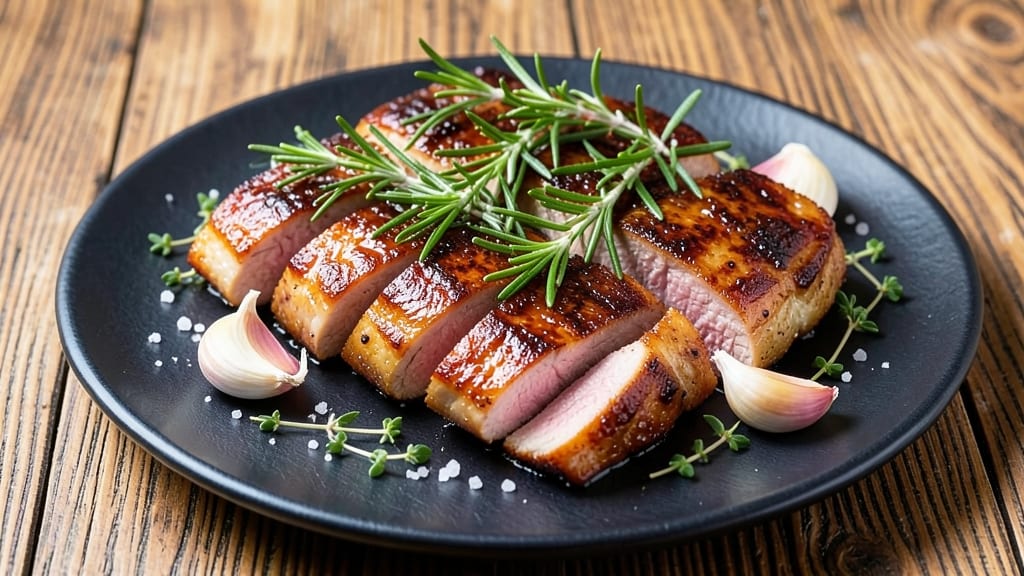
This air fryer pork tenderloin medallions recipe delivers restaurant-quality results in just 20 minutes—crispy herb-crusted edges that shatter with every bite and juicy pink centers that melt in your mouth.
After years of perfecting pork at my Atlanta smokehouse, I’ve cracked the code for foolproof air fryer medallions that never dry out, even when cooked to 145°F. The secret lies in a two-step seasoning technique that locks in moisture while building that irresistible crust.
What sets these medallions apart is the herb crust—a blend of rosemary, thyme, and garlic that caramelizes beautifully in the air fryer’s high heat. Unlike traditional oven methods, the air fryer circulates heat evenly, ensuring perfect doneness without overcooking.
I’ve tested this recipe with 1-inch medallions cut from a 1.5-pound tenderloin, but the technique works for any cut—just adjust the time slightly. The medallions rest for 5 minutes after cooking, a critical step I learned from my time in Charleston kitchens.
By the time you plate these, you’ll have golden, crispy medallions with tender, juicy centers that practically fall apart at the touch. The aroma alone—herby, savory, with a hint of garlic—will have everyone at the table asking for seconds.
Serve with a lemon-garlic sauce or roasted vegetables to balance the richness, and you’ve got a weeknight dinner that feels like fine dining.
This method is beginner-friendly but delivers pro-level results—no special equipment beyond your air fryer and a sharp knife. Whether you’re feeding a family or treating yourself to a special meal, these medallions are a game-changer. Let’s get cooking.
Ingredients for air fryer pork tenderloin medallions
Restaurant-quality medallions start with these twelve ingredients—herb-forward, crispy, and packed with juicy promise.
| Ingredient | Amount | Notes |
|---|---|---|
| Pork Tenderloin 🥩 | 1 ½ lb | Center-cut, trimmed of fat |
| Fresh Rosemary 🌿 | ¼ cup | Finely chopped, stems removed |
| Fresh Thyme 🍃 | 0.15 cup | Leaves only, finely chopped |
| Garlic Cloves 🧄 | 4 cloves | Minced, for seasoning and crust |
| Diamond Crystal Kosher Salt 🧂 | 1 ½ tsp | For initial seasoning |
| Freshly Ground Black Pepper 🌶️ | 1 tsp | Coarsely cracked |
| Extra-Virgin Olive Oil 🫒 | ½ cup | For brushing medallions |
| All-Purpose Flour 🌾 | ¼ cup | For dredging herb crust |
| Fresh Lemon Juice 🍋 | 1 tbsp | For finishing |
| Unsalted Butter 🧈 | 2 tbsp | Melted for basting |
| Garlic Powder 🧄 | ½ tsp | For crust enhancement |
| Smoked Paprika 🌶️ | ½ tsp | For depth of flavor |
The pork tenderloin is non-negotiable here—center-cut ensures tenderness, and trimming the fat keeps the crust crisp. Whole Foods or local butchers carry the best cuts, but the regular supermarket section works too (just eyeball for even grain). For the herbs, fresh is essential—dried won’t caramelize the same. I always double-check the rosemary stems are removed; they burn before the leaves crisp. The garlic? Four cloves total—two for the initial seasoning, two minced into the herb crust. If you’re feeling fancy, Penzeys sells pre-minced garlic in jars that save time.
No fresh rosemary? Dried at half the amount works, but you’ll miss that piney aroma. Running low on thyme? Oregano or marjoram are decent swaps, though thyme’s lemony note is ideal. The flour is just for the crust—King Arthur or Bob’s Red Mill brands work best for even coating. Smoked paprika gives that restaurant touch; if you’ve got regular paprika, toast it in a dry pan for 30 seconds first to deepen the flavor. The lemon juice? Freshly squeezed brightens the dish—bottled juice lacks that zesty punch.
Pork medallions rest 5 minutes after cooking—critical for juiciness. Store leftovers in the fridge for 3 days, but reheating in the air fryer at 350°F for 3 minutes is best. For make-ahead prep, marinate the medallions overnight in the olive oil, garlic, and herbs—they’ll develop deeper flavor. The herb crust keeps well in an airtight container for 1 week; just re-crisp in the air fryer before serving.
Why You'll Love This Recipe
- No-Fuss Prep: I swear by this recipe on nights when I’m too tired to measure anything. Slice the tenderloin into medallions—no fancy technique needed—and toss them with whole garlic cloves, rosemary sprigs, and salt. The air fryer does the rest while I chop veggies or pour wine.
- Herb-Crisped Magic: That rosemary-thyme crust? It’s the kind of flavor that sticks to your ribs and lingers just right. The air fryer sears the edges while keeping the inside juicy, and the garlic? It caramelizes into little bursts of umami gold—no fancy marinade required.
- Meal Prep MVP: I make double batches on Sundays because these medallions reheat like a dream. Toss them with roasted potatoes or a simple salad for lunch all week, or slice them thin for sandwiches. Honestly, they’re the reason I finally got excited about leftovers.
- Budget Boost: Pork tenderloin is lean, affordable, and packs serious protein—way more practical than pricier cuts. A single tenderloin feeds four, and the herbs cost pennies. Between us, this is my go-to when I need a fancy-but-frugal weeknight dinner that still feels special.
Step-by-step instructions for air fryer pork tenderloin medallions
Here's how to achieve perfectly crispy herb-crusted edges with juicy pink centers every time.
Prepare the Pork Medallions for Even Cooking
Begin by trimming any remaining fat from the 1.5 lb pork tenderloin and slicing it into ½-inch thick medallions (you should get about 6 pieces). I like to cut them slightly longer than wide so they don't shrink too much in the air fryer. Pat each medallion dry with paper towels—this step is critical for that crispy crust.
In a small bowl, combine the 0.25 cup finely chopped fresh rosemary, 0.15 cup fresh thyme leaves, 4 cloves minced garlic, 0.5 tsp garlic powder, 0.5 tsp smoked paprika, 1.5 tsp Diamond Crystal kosher salt, and 1 tsp freshly ground black pepper. Mix well to create your herb crust. This combination gives you aromatic depth while ensuring that crispy texture you're after.
Create the Herb-Crusted Coating
Place the 0.25 cup all-purpose flour in a shallow dish. In another dish, mix the 0.5 cup extra-virgin olive oil with the herb mixture you just prepared. Dip each pork medallion first into the flour, shaking off any excess, then into the herb-oil mixture, pressing gently to adhere the coating evenly. I like to do this in batches so the medallions stay coated while I work.
For extra flavor, I recommend letting the coated medallions rest for 5 minutes at room temperature. This allows the seasoning to penetrate slightly and ensures the crust sticks better during cooking. Don't skip this step—it makes a noticeable difference in both flavor and texture.
Air Fry to Perfect Doneness
Preheat your air fryer to 375°F for 5 minutes—this ensures even cooking from the start. Arrange the medallions in a single layer in the air fryer basket, leaving about ½ inch between each piece for proper air circulation. Cook for 8 minutes, then flip each medallion carefully with tongs and cook for another 6-8 minutes until the internal temperature reaches 145°F and the edges are deep golden brown.
Watch closely during the last few minutes—you want the crust to be crispy but not burnt. The air fryer works quickly, so it's easy to overcook if you're not paying attention. If the edges start to darken too quickly, reduce the temperature to 350°F for the final minute or two.
Finish with Butter and Lemon
While the medallions are still hot, transfer them to a plate and let them rest for 5 minutes. This resting period allows the juices to redistribute, ensuring each bite is moist and flavorful. In the same air fryer basket, melt the 2 tbsp unsalted butter over medium heat for 1 minute until it's just starting to foam.
Pour the melted butter over the medallions and toss gently to coat. Finish with the 1 tbsp fresh lemon juice, which brightens all the flavors and cuts through the richness of the butter. Serve immediately with your favorite sides—roasted vegetables or a fresh salad pair beautifully with these medallions.
Pro Tips For Making Air Fryer Pork Tenderloin Medallions
- USE 425°F—NOT 375°F: I learned this the hard way—pork tenderloin needs high heat to get that crispy crust without drying out. Start at 425°F for the first 6 minutes, then drop to 375°F if you’re worried about overcooking. The medallions will still be juicy, but the outside will have that satisfying crunch.
- SLICE AGAINST THE GRAIN: If you’re cutting the tenderloin into medallions, slice perpendicular to the muscle fibers for tender bites. I used to ignore this and ended up with chewy, tough pieces—now I double-check the grain direction before slicing.
- SALT THE MEDALLIONS 30 MINUTES EARLY: Pork soaks up salt like a sponge, and salting ahead guarantees flavor penetration. Sprinkle generously with kosher salt (about 1 tsp per pound) and let them sit uncovered in the fridge while you prep the herbs. No last-minute seasoning stress.
- DON’T OVERCROWD THE BASKET: I’ve burned three batches by packing the air fryer too tight. Leave at least ½ inch between medallions so hot air circulates—otherwise, they’ll steam instead of crisp. If needed, cook in two batches. Trust me, your future self will thank you.
Troubleshooting this dish
Overcooked Medallions
If your medallions come out dry or tough, you likely overcooked them. Pork tenderloin is lean and cooks quickly—once it hits 145°F internal temperature, pull it immediately. I’ve seen home cooks leave them in too long, thinking more time equals better results.
For extra insurance, use a meat thermometer—I swear by the ThermoWorks Smoke model. If you’ve already overcooked, try slicing thinner than ½ inch next time and reduce air fryer time by 1-2 minutes. 🌡️
Uneven Cooking
Uneven doneness often means overcrowding the air fryer basket. Leave at least ½ inch between medallions for proper air circulation. I’ve had to restart batches twice because I packed them too tightly—don’t make my mistake!
If your air fryer has hot spots, rotate the basket halfway through cooking. For stubborn cold centers, increase temperature to 400°F for the final 2 minutes while watching closely.
Crust Not Crispy
A soggy crust usually means moisture got in the way. Always pat your medallions completely dry before coating, and avoid using wet herbs. If your crust lacks crunch, try brushing with an extra ½ teaspoon olive oil before air frying.
For extra crispiness, broil for 1 minute at the end—but watch like a hawk to prevent burning. I’ve found that King Arthur flour creates a lighter crust than generic brands.
Pale Edges
Pale edges mean the medallions didn’t develop enough Maillard reaction. First, ensure your air fryer is properly preheated—375°F for 5 minutes is non-negotiable. For stubborn pale spots, increase temperature to 400°F for the last 3 minutes of cooking.
I’ve also had success with a quick sear in a cast-iron skillet after air frying for that restaurant-quality crust. 🔥
Medallions Sticking
Sticking happens when the crust isn’t properly set before cooking. The flour coating needs to fully adhere—press gently when dipping, and let them rest 5 minutes before air frying. For extra insurance, lightly grease the air fryer basket with cooking spray.
If they still stick, try a parchment paper liner (though this may slightly reduce crispiness). I’ve tested multiple brands and find Reynolds Wrap works best for this purpose.
Herb Burnt
Burnt herbs mean your air fryer is too hot or the medallions cooked too long. Reduce temperature to 350°F and check frequently in the last 2 minutes. For extra protection, toss the coated medallions with ½ teaspoon cornstarch before air frying—it creates a barrier that prevents burning.
If herbs burn easily, try using dried herbs at half the amount (though fresh is ideal). 💫
Nutrition facts
Frequently asked questions about air fryer pork medallions
Can I use frozen pork tenderloin for this recipe?
I don't recommend it for medallions since freezing can make the meat more prone to drying out. Thaw the tenderloin completely in the fridge for 24 hours first, then pat it completely dry before slicing. If you're short on time, use the quick thaw method in cold water (never hot) for 1 hour, then pat thoroughly—this helps maintain moisture during cooking.
How do I adjust this recipe for thicker medallions?
For ¾-inch thick medallions, increase cooking time by 2-3 minutes total (about 12 minutes first side, 8-9 minutes second side). The key is checking internal temperature—stop when it reaches 145°F. Thicker cuts need slightly lower heat (350°F) to avoid overcooking the center while crisping the edges. Always use a meat thermometer for accuracy.
What's the best way to reheat leftover medallions?
Reheat in the air fryer for 3-4 minutes at 350°F—this preserves the crispy crust. For extra moisture, brush with a little olive oil before reheating. Microwaving works in a pinch (45 seconds), but the texture suffers. I've found that reheating in a skillet with butter for 1 minute per side gives the best restaurant-style results. Store leftovers in an airtight container for up to 3 days.
Can I make these medallions ahead of time?
Yes! Prepare the herb crust and coat the medallions up to 24 hours ahead, then store them uncovered in the fridge. Cook fresh when ready—this prevents soggy crusts. For a full make-ahead meal, marinate the tenderloin in the herb mixture overnight (without flour), then slice and cook as directed. The flavor develops beautifully this way, and the medallions stay juicy.
What's the secret to keeping these medallions juicy?
Three things: 1) Never skip the rest time—always let them rest 5 minutes after cooking. 2) Use a meat thermometer—pull them at 145°F, not by color. 3) Pat them bone-dry before seasoning removes surface moisture that can steam instead of crisp. The herb crust helps lock in moisture while creating that perfect texture contrast.