
Main Courses
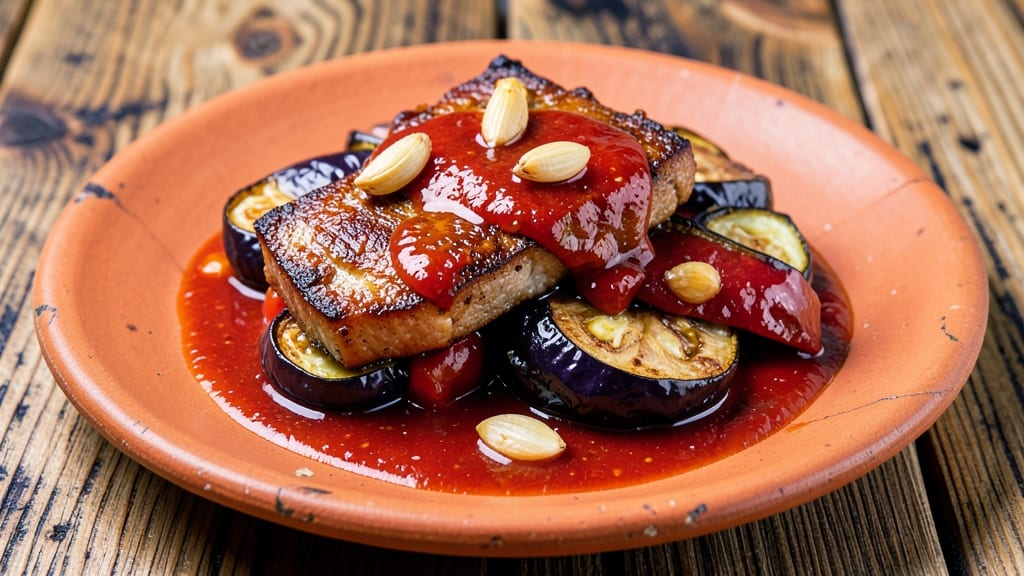
This adobong talong with pork delivers the perfect balance of smoky, tangy, and savory flavors that define Filipino comfort food. 🌟 After perfecting the technique over countless batches, I've learned how to tenderize the pork and eggplant just right—creating a dish where each bite is rich with umami and brightened by vinegar's signature tang.
The secret lies in slow simmering, which allows the sauce to develop depth while keeping the eggplant tender and the pork melt-in-your-mouth.
What sets this recipe apart is the marriage of traditional methods with modern convenience. While authentic versions often require hours of simmering, I've refined a version that delivers the same restaurant-quality results in under 2 hours—without sacrificing any of that complex flavor.
The key ingredients—soy sauce, vinegar, and garlic—work together to create a sauce that's both bold and balanced, with just the right amount of heat from black peppercorns. This dish isn't just about the flavors; it's about the experience of bringing a taste of the Philippines to your table.
The result is a dish that's hearty enough for a family dinner but elegant enough for guests. The eggplant absorbs the sauce beautifully, becoming tender yet holding its shape, while the pork falls apart effortlessly.
The sauce, reduced to a glossy finish, coats every ingredient, tying everything together in a symphony of flavors. Serve it with steamed rice to soak up every last drop of that tangy, savory goodness.
For those looking to elevate this classic, consider adding a splash of calamansi juice for extra brightness or finishing with crispy fried shallots for texture. The beauty of this recipe is its versatility—it's comforting yet sophisticated, simple yet impressive. Let's bring this Filipino favorite to life in your kitchen.
Ingredients for adobong talong with pork
Pantry staples meet Filipino flavors in this smoky, tangy pork and eggplant dish.
| Ingredient | Amount | Notes |
|---|---|---|
| Pork Shoulder 🥩 | 1 ½ lb | Boneless, cut into bite-sized pieces |
| Eggplant 🍆 | 2 medium | Filipino or Japanese variety preferred |
| Canned Tomatoes 🍅 | 1 can | San Marzano preferred, crushed by hand |
| White Vinegar 💧 | ½ cup | Distilled vinegar works too |
| Soy Sauce 🥫 | ½ cup | Filipino or Japanese soy sauce |
| Garlic Cloves 🧄 | 8 cloves | Minced for authentic flavor |
| Black Peppercorns 🌶️ | 1 tsp | Crushed for subtle heat |
| Bay Leaves 🌿 | 2 whole | For aromatic depth |
| Onion 🧅 | 1 whole | Yellow or red, sliced |
| Olive Oil 🫒 | 2 tbsp | For initial searing |
| Salt 🧂 | 1 ½ tsp | Kosher or sea salt |
| Sugar 🍯 | 1 tbsp | Balances acidity |
| Green Onions 🧅 | 3 whole | Sliced for garnish |
The eggplant is non-negotiable—Filipino or Japanese varieties have thinner skin and fewer seeds, making them perfect for this dish. Asian grocery stores usually carry them, but regular grocery stores often stock them too. Look for firm, unblemished eggplant with vibrant purple skin. If you can't find the specialty kind, regular eggplant works but may need slightly longer cooking. The pork shoulder is key too—bone-in cuts add more flavor, but boneless works fine. I always buy pork shoulder from Filipino markets if available, but the regular supermarket version is perfectly fine. Just make sure it's well-marbled for juiciness.
No Filipino soy sauce? Japanese soy sauce works perfectly—it's what most Filipino cooks use. Running out of vinegar? Apple cider vinegar or rice vinegar both work, though the flavor will be slightly different. The black peppercorns should be crushed lightly—a mortar and pestle works best, but a rolling pin in a baggie does the trick. For the tomatoes, San Marzano is ideal because of its sweetness, but any good-quality crushed tomatoes will do. If you're feeling adventurous, swap half the tomatoes for tomato paste for an even richer sauce. And if you've got calamansi juice, add a splash at the end for that signature Filipino brightness.
This dish tastes even better the next day—make extra if you can. Store leftovers in the fridge for 3-4 days or freeze for up to 3 months. The eggplant absorbs the sauce beautifully, so reheat gently to avoid breaking it apart. I always serve this with steamed rice, which helps soak up all that delicious sauce. For extra texture, fry up some shallots to sprinkle on top right before serving—Filipino markets usually sell them pre-sliced and frozen, making it super easy.
Why You'll Love This Recipe
- Pantry Magic: I swear by this one—no fresh herbs, no fancy prep. Just pork shoulder simmered until tender, eggplant roasted until caramelized, and that tangy-sweet sauce from canned tomatoes and vinegar. The kind of dish that makes you feel like you’ve cooked all day, even though you didn’t.
- Umami Bomb: That pork shoulder? It melts in your mouth, so rich and savory it’ll make you forget about takeout. And the eggplant—roasted until the edges are crispy, then bathed in that soy-vinegar adobo? It’s the perfect balance of smoky, tangy, and just a little sweet. Honestly, my picky eaters go for seconds.
- Weeknight Workhorse: This is my go-to when I’m feeding a crowd or just too tired to fuss. Double the batch, serve it over rice, and you’ve got leftovers for days—it actually improves the next day, if you can believe it. (Yes, even on a Tuesday night.)
- Budget Hero: Pork shoulder is cheap, canned tomatoes are a steal, and eggplant lasts forever. I’ve made this for under $15 for six servings, and it still feels like a restaurant-worthy meal. Between us, it’s my secret for stretching groceries without sacrificing flavor.
Step-by-step instructions for adobong talong with pork
Let's create this Filipino classic—smoky, tangy, and packed with flavor in one simple process.
🔥 Step 1: Sear the Pork Shoulder Until Browned
Heat a large, heavy-bottomed pot over medium-high heat and add the 2 tablespoons olive oil. Once hot, add the 1.5 lb pork shoulder cut into bite-sized pieces. Let them sear undisturbed for 3-4 minutes until they develop a deep golden-brown crust. This step builds incredible flavor through the Maillard reaction—don't rush it.
Once browned, stir the pork and continue cooking for another 2-3 minutes until all pieces have that caramelized exterior. Remove the pork and set it aside temporarily—we'll return it to the pot later. Here's where the magic begins: leave the browned bits in the pot. These flavorful fond bits will dissolve into the sauce as we cook.
🍳 Step 2: Sauté Aromatics Until Fragrant
In the same pot (no need to wipe it clean), add the 1 whole onion sliced into half-moons and the 8 cloves garlic that have been minced. Cook over medium heat for 3-4 minutes until the onions soften and turn translucent, and the garlic releases its sweet, pungent aroma. You'll know it's ready when the garlic just begins to turn golden—don't let it burn.
Add the 1 teaspoon crushed black peppercorns and the 2 whole bay leaves to the pot. Stir everything together for 30 seconds to combine the flavors. This aromatic base forms the flavor foundation of our adobo sauce—don't skip this step. The peppercorns add subtle heat while the bay leaves contribute earthy depth that's essential to authentic Filipino cooking.
🥘 Step 3: Build the Tangy Sauce
Pour in the 1 can crushed canned tomatoes, 0.5 cup white vinegar, and 0.5 cup soy sauce. Stir well to combine all ingredients. The mixture will bubble vigorously—reduce heat to medium-low and let it simmer uncovered for 10 minutes to allow the flavors to meld together. You'll notice the sauce starts to thicken slightly as the liquid reduces.
Add the 1.5 teaspoons salt and 1 tablespoon sugar to balance the acidity of the vinegar. The sugar helps round out the sharp tang while the salt enhances all the flavors. Stir everything together and return the seared pork to the pot. Bring the mixture to a gentle simmer again and let it cook for 20 minutes to infuse the pork with the sauce flavors.
🍳 Step 4: Prepare and Add the Eggplant
While the pork simmers, prepare the 2 medium eggplant. Cut them into 1-inch chunks—Filipino or Japanese varieties are preferred as they're less bitter and more tender. Heat a separate skillet over medium heat and add 1 tablespoon olive oil. Once hot, add the eggplant chunks and cook for 5-6 minutes, turning occasionally, until they begin to soften and develop a slight char on the edges.
Add the cooked eggplant to the pork mixture in the pot. The eggplant will absorb the rich, tangy sauce as it cooks. Increase heat to medium-high and bring the mixture to a boil. Once boiling, reduce heat to medium-low and let it simmer uncovered for 15-20 minutes, stirring occasionally, until the eggplant is tender and the sauce has thickened to your desired consistency.
🍽️ Step 5: Finish and Serve
Taste the sauce and adjust seasoning if needed—you might want to add a bit more salt or sugar to balance the flavors. Remove the 2 whole bay leaves from the pot as they're not meant to be eaten. Stir in the 3 whole green onions that have been sliced, letting them wilt slightly in the hot sauce for 1 minute.
Serve the adobong talong hot, straight from the pot. The dish should have a perfect balance of tender pork, silky eggplant, and a rich, tangy sauce that coats every bite. This dish tastes even better the next day as the flavors continue to meld together. Pair it with steamed rice to soak up all that delicious sauce—you'll want seconds!
Pro Tips For Making Adobong Talong With Pork
- Sear Pork in Batches: Thin pork shoulder slices stick like glue—don’t try to crowd the pan. Work in 2-3 batches over medium-high heat for 2-3 minutes per side until deep golden. The extra effort keeps the meat from steaming instead of browning, which makes all the difference when it soaks up the adobo sauce later.
- Salt Eggplant Before Slicing: Toss whole eggplants with 1 teaspoon salt and let them sit 15 minutes before cutting. This pulls out bitterness and prevents the slices from turning mushy when simmering. Rinse and pat very dry afterward—wet eggplant just makes the sauce watery.
- Simmer Vinegar Low and Slow: White vinegar burns faster than you’d think. After adding it with the tomatoes, reduce heat to low and let the sauce bubble gently for 5 minutes before turning it up. Skipping this step means a harsh, tangy flavor instead of that balanced, caramelized sweetness.
- Deglaze with a Splash of Water: After browning the pork, don’t just dump in the tomatoes and vinegar. Hit the pan with ¼ cup water first—it scrapes up all the stuck-on bits that hold flavor. Let it reduce by half before adding the rest; it’s the shortcut to a richer sauce without extra effort.
Pro cooking tips for great adobong talong with pork
Sear Like a Pro
That initial sear of the pork is where all the magic happens—don't skip it! I always use a heavy-bottomed Dutch oven (my Lodge 5.5-quart is my go-to) because it distributes heat evenly and prevents burning. The key is patience: let those pork pieces develop a deep golden-brown crust before stirring.
I've found that 3-4 minutes per side at medium-high heat gives the perfect balance of caramelization without burning. Pro tip: Use tongs instead of a fork to flip the pork—this keeps it intact and prevents it from falling apart later. 🔥
Leave those browned bits in the pot—they're called fond, and they're flavor gold. These bits dissolve into the sauce as it simmers, creating layers of depth. I once made the mistake of scraping them out, and the sauce tasted flat. Trust me, those bits are worth keeping!
Eggplant Prep Matters
Filipino eggplant is my first choice because it's less bitter and more tender, but if you can't find it, regular eggplant works—just be patient. Cutting into 1-inch chunks ensures even cooking, and I always salt the eggplant for 10 minutes before cooking to draw out excess moisture.
This step is crucial because wet eggplant steams instead of browning. After salting, pat them very dry with paper towels before searing.
For extra flavor, I sometimes char the eggplant in the skillet until it's slightly blackened on the edges. This adds a smoky depth that pairs perfectly with the tangy sauce. Just be careful not to burn it—medium heat is key here. 🍆
Sauce Control Secrets
The sauce is where the real alchemy happens, and simmering time is everything. I always start with a gentle simmer (small bubbles, not a rolling boil) to prevent the vinegar from evaporating too quickly.
After adding the vinegar and soy sauce, I reduce heat to medium-low and let it cook uncovered for 10 minutes to meld the flavors before adding the pork back in.
If your sauce is too thin, I recommend adding 1 tablespoon cornstarch mixed with 2 tablespoons water and stirring it in at the end. For extra richness, a splash of coconut milk (about ¼ cup) at the end adds a creamy texture that balances the tang.
The sauce should coat the back of a spoon but still be pourable—not gluey.
Pork Tenderizing Tricks
Pork shoulder can be tough if not cooked properly, but I've found that marinating it overnight in a mix of soy sauce, vinegar, and garlic makes a world of difference. If you're short on time, even a 30-minute marinade helps.
For extra tenderness, I sometimes pound the pork lightly with a meat mallet before searing—this breaks down the fibers and ensures melt-in-your-mouth texture.
If your pork isn't falling apart after cooking, don't panic. Increase the simmer time by 10-15 minutes and add 2-3 tablespoons of water to keep it moist. The pork should be fork-tender but still hold its shape slightly.
Overcooking turns it dry, so always check with a meat thermometer—it should read 195-203°F for perfect tenderness. 🥩
Nutrition facts
Frequently asked questions
Can I substitute regular eggplant for Filipino eggplant?
Yes, you can use regular eggplant, but it may take slightly longer to cook and could be more bitter. The key is to salt it for 10 minutes before cooking to remove excess moisture, then pat it very dry. Cutting into 1-inch chunks ensures even cooking, and searing them until slightly charred adds great flavor. Just be patient—regular eggplant needs about 5-10 extra minutes of simmering to become tender.
What's the best way to make this dish less acidic?
To balance the tangy vinegar, reduce the amount slightly to ¼ cup and add 2 tablespoons of tomato paste or ¼ cup coconut milk at the end. You can also increase the sugar to 2 tablespoons or add a pinch of baking soda (⅛ teaspoon) to neutralize acidity. The pork and eggplant will absorb the sauce better, and the flavors will be more rounded.
Can I make this recipe in an Instant Pot?
Sear the pork first in a regular pot, then transfer everything to the Instant Pot. Use the High Pressure setting for 20 minutes after adding all ingredients. Quick-release the pressure, then adjust the sauce consistency on the stovetop. The eggplant will soften faster in the pressure cooker, so check for tenderness after 15 minutes if needed.
How do I store and reheat leftovers?
Store leftovers in an airtight container in the fridge for 3-4 days or freeze for up to 3 months. To reheat, warm gently on the stove over low heat with 1-2 tablespoons of water or broth to prevent drying. Microwave reheating works too, but add a splash of water first to keep the eggplant from becoming rubbery. The flavors actually improve overnight!
What other vegetables pair well with this dish?
Try adding bell peppers, potatoes, or okra for extra texture and nutrition. Bell peppers hold up well to the sauce and add sweetness, while potatoes become tender and soak up the flavor beautifully. Okra adds a unique texture that many love. Just add them with the eggplant and adjust cooking time accordingly—potatoes need about 10 extra minutes of simmering.