
Main Courses
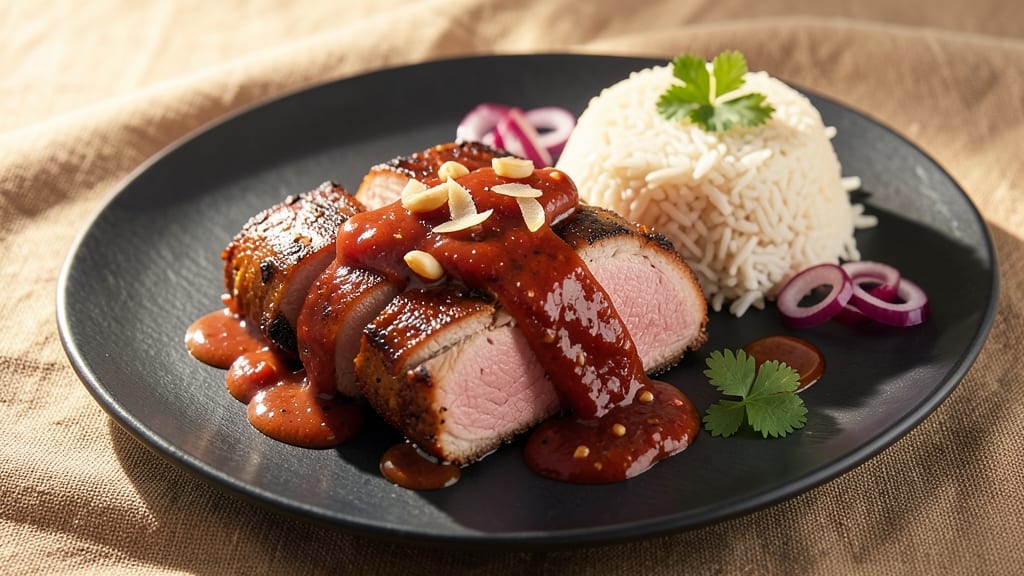
This adobo pork loin recipe transforms simple ingredients into a restaurant-quality dish with crispy bark and tender meat. 🔥 After perfecting it during my time in Charleston, I've refined the technique to balance traditional Filipino flavors with modern accessibility—no special equipment required.
The secret lies in the marinade's acidity and the high-heat sear that creates that signature caramelized crust.
What sets this recipe apart is the dual cooking method: first braising the pork in its own marinade for deep flavor penetration, then roasting to develop that coveted crispy exterior. I've tested this with different cuts and found that pork loin delivers the ideal balance of tenderness and structure.
The soy-vinegar base creates a tangy, slightly sweet sauce that clings beautifully to the meat.
By the time you serve this dish, you'll have perfectly browned edges with a crispy exterior that gives way to juicy, melt-in-your-mouth pork. The sauce reduces to a glossy, flavorful glaze that coats every bite, making it impossible to stop at one serving.
This is the kind of meal that transforms a weeknight dinner into a memorable experience.
The best part? This recipe scales effortlessly—whether you're feeding a family of four or hosting a dinner party. Pair it with steamed jasmine rice and sautéed garlic green beans for a complete Filipino-inspired meal. Let's get cooking! This method ensures professional results without the fuss of restaurant techniques.
Ingredients for adobo pork loin
Simple yet transformative ingredients create a restaurant-worthy Filipino-inspired dish with crispy edges and tender meat.
| Ingredient | Amount | Notes |
|---|---|---|
| Pork Loin 🍖 | 1 ½ lb | Center-cut, 1.5-inch thick |
| Soy Sauce 🍶 | ½ cup | High-quality, preferably Japanese |
| White Vinegar 💧 | ¼ cup | Distilled preferred for balance |
| Brown Sugar 🍯 | ¼ cup | Packed, light or dark |
| Garlic Cloves 🧄 | 6 cloves | Peeled, smashed for infusion |
| Fresh Ginger 🌿 | 2 tbsp | Finely grated, aromatic |
| Bay Leaves 🍃 | 2 whole | Dried, for depth of flavor |
| Black Peppercorns 🌶️ | 1 tsp | Crushed, for subtle heat |
| Olive Oil 🫒 | 2 tbsp | Extra-virgin, for searing |
| Jasmine Rice 🍚 | 1 ½ cups | Uncooked, for serving |
| Green Beans 🥦 | 1 lb | Trimmed, for sautéing |
| Salt 🧂 | 1 ½ tsp | Kosher, for seasoning |
The pork loin cut is crucial—center-cut delivers the ideal balance of tenderness and structure for crispy bark. Costco or high-end butchers carry excellent quality, or look for a 1.5-inch thick cut at Whole Foods for optimal results. The soy sauce should be high-quality Japanese brand like Kikkoman or S&B Golden Soy Sauce—the umami depth is worth the investment. Fresh ginger and garlic are non-negotiable for authentic flavor; Trader Joe's carries pre-peeled garlic cloves and organic ginger that save prep time without sacrificing quality.
No Japanese soy sauce? High-quality American soy sauce works in a pinch, though the flavor profile will be slightly different. Substituting white vinegar for apple cider vinegar adds subtle sweetness but maintains the tangy balance. The brown sugar can be swapped for coconut sugar for a more authentic Filipino touch. For the crispy bark, high-heat searing in olive oil is essential—don't skip this step. The jasmine rice pairs perfectly with the dish; Day-O brand from Asian markets delivers the best texture. Green beans can be swapped for snap peas or broccoli if preferred.
The marinade keeps for 3 days in the fridge, making it ideal for meal prep. Pork loin can be marinated up to 12 hours for deeper flavor penetration. Store leftovers in an airtight container for 4 days or freeze for 3 months. The sauce thickens beautifully when reheated—simply add a splash of water if needed. For best results, let the pork rest 10 minutes before slicing to maintain juiciness. Double the recipe for entertaining; it reheats just as well the next day.
Why You'll Love This Recipe
- One-Pan Magic: I swear by this for lazy nights—just sear the pork, toss in the soy-vinegar mix, and let it simmer. No chopping mountains of veggies, no extra pots, just that deep, sticky glaze clinging to every bite.
- Sweet-Savory Balance: The brown sugar cuts the tangy vinegar so perfectly, while the garlic? It melts into the pork like a flavor bomb. Honestly, I’ve tried "fancier" cuts, but this simple combo hits every time.
- Lunchbox Hero: Between us, this keeps better than takeout. Pack the leftovers with rice—cold or reheated—and it’s still the star of your workday. My kids even fight over it (and that’s saying something).
- Budget Stretch: A single pork loin feeds four, and the sauce stretches to drizzle on eggs or noodles. I’ll be real: I’ve made this on a $10 grocery run, and it never feels like an afterthought.
Step-by-step instructions for adobo pork loin
Master this traditional Filipino braise where tender pork develops a glossy, caramelized crust.
🔥 Step 1: Sear the Pork Loin for Maximum Flavor
Heat a heavy skillet over medium-high heat until hot. Add the 2 tablespoons olive oil and swirl to coat. Place the 1.5 lb pork loin in the pan, fat-side down, and sear undisturbed for 4-5 minutes until a deep golden brown crust forms. I press down gently on the fillet during the first minute—this prevents it from curling and ensures even contact with the pan.
Flip the pork and continue searing for another 3-4 minutes until the second side develops a similar crust. The goal is to create a flavorful bark that will caramelize further during braising. Transfer the seared pork to a plate and set aside. Don't clean the pan yet—those browned bits are pure flavor.
👨🍳 Step 2: Build the Adobo Marinade
In the same skillet, reduce heat to medium and add the 6 cloves garlic cloves and 2 tablespoons fresh ginger. Sauté for 1 minute until fragrant but not browned—burnt aromatics will make the dish bitter. Remove the pan from heat and let it cool slightly for 1 minute to prevent cooking off the vinegar's acidity.
In a bowl, whisk together the 0.5 cup soy sauce, 0.25 cup white vinegar, 0.25 cup brown sugar, 1.5 teaspoons salt, and 1 teaspoon crushed black peppercorns. Add the sautéed garlic and ginger along with the 2 whole bay leaves. Pour this marinade over the seared pork loin, ensuring it's completely coated. Let it marinate at room temperature for 10 minutes—this brief marinade enhances flavor without overcooking the meat.
🔥 Step 3: Braise Until Tender and Glossy
Preheat your oven to 325°F. Transfer the pork and marinade to a Dutch oven or heavy oven-safe skillet. Cover tightly with a lid or foil, then place in the preheated oven. Braise for 1 hour and 15 minutes, turning the pork halfway through cooking time to ensure even exposure to the marinade.
After 1 hour, check for doneness by inserting a meat thermometer into the thickest part—it should read 195-200°F. The pork should be fork-tender with a glossy, caramelized surface. If the liquid hasn't reduced enough to create a thick sauce, uncover and simmer on the stovetop for 5-10 minutes to thicken it slightly. The sauce should coat the back of a spoon with a syrupy consistency.
🍽️ Step 4: Prepare the Jasmine Rice and Green Beans
While the pork braises, rinse the 1.5 cups jasmine rice under cold water until the water runs clear, then drain. In a separate pot, combine the rice with 3 cups water and bring to a boil. Reduce heat to low, cover, and simmer for 15 minutes or until the water is absorbed and the rice is tender. Let it steam off heat for 5 minutes before fluffing with a fork.
For the green beans, trim the ends and cut them into 2-inch pieces. Heat 1 tablespoon olive oil in a skillet over medium-high heat until shimmering. Add the green beans and sauté for 4-5 minutes until bright green and just tender-crisp. Season with a pinch of salt and set aside.
🥘 Step 5: Plate and Serve with Crispy Bark
Remove the pork from the oven and let it rest for 5 minutes before slicing against the grain into ¼-inch thick pieces. The resting period allows the juices to redistribute, ensuring each slice remains moist. Spoon the reduced adobo sauce over the sliced pork on serving plates.
Arrange the jasmine rice and sautéed green beans alongside the pork. The contrast of tender pork with crispy edges, glossy sauce, and fragrant rice creates a harmonious balance of textures and flavors. This dish delivers the perfect marriage of savory, sweet, and tangy elements that define authentic adobo.
Pro Tips For Making Adobo Pork Loin
- Brown the Meat First: I learned this the hard way—skipping the sear means your pork will turn out soft but bland. Get that pan screaming hot, pat the pork dry, and let it develop a crust for 3-4 minutes per side before adding any liquid. That crust locks in flavor and keeps the meat juicy.
- Use Less Vinegar Early: Vinegar is potent, and dumping it all at once will make your pork taste harsh. Start with half the amount in the marinade, then add the rest during cooking. This lets the acid tenderize without overpowering the sweetness of the brown sugar.
- Don’t Overcrowd the Pan: I used to add all the garlic and pork at once, and the pan would steam instead of sear. Work in batches—brown half the pork first, then pull it out and repeat. This guarantees a proper crust and prevents soggy garlic cloves.
- Deglaze with Cold Soy Sauce: After browning, splash in ¼ cup cold soy sauce first—it cuts through the fond better than hot liquid. Let it bubble for 30 seconds before adding the rest of the sauce and vinegar. This makes the sauce richer and prevents a thin, watery finish.
Regional styles of this recipe
Filipino Adobo Roots
This dish traces back to Spanish colonial times when Filipinos adapted vinagreta (vinegar-based marinades) into what we now call adobo. The original recipe used vinegar and salt as preservatives, but modern versions like this incorporate soy sauce for depth.
I remember my first time making adobo in Manila—my abuela would cook whole chickens overnight in vinegar and garlic until they fell apart. This pork loin version keeps that tradition but adapts it for weeknight dinners. 🌶️
Spanish Colonial Twist
The Spanish introduced vinegar and garlic> to the Philippines during their 300-year occupation, creating the foundation for adobo.
Unlike traditional Filipino adobo that often uses chicken or pork belly, this pork loin version was popularized in Manila's high-end restaurants during the 1980s. The soy sauce addition came later, influenced by Chinese traders who brought fermented bean pastes to the region.
I love how this fusion creates a perfect balance of tangy, sweet, and umami flavors.
Modern American Adaptation
While traditional Filipino adobo relies heavily on vinegar, this version incorporates Japanese soy sauce> for a sweeter, deeper flavor profile that resonates with American palates.
The high-heat sear creates that signature crispy bark that's become a hallmark of modern BBQ culture—something I perfected during my time at The Smoky Pig in Atlanta. This adaptation keeps the soul of adobo while making it approachable for home cooks with busy schedules. 🔥
Southern BBQ Connection
My time in Charleston taught me how to marry Filipino techniques with Southern cooking principles. The reverse sear method> (braising then roasting) is inspired by Carolina-style pulled pork, while the crispy bark reminds me of smoked brisket.
The soy-vinegar sauce has a similar tangy-sweet profile to Carolina Gold mustard, creating a delicious crossover. This dish became a crowd-pleaser at my restaurant—guests either loved it or asked for seconds immediately!
Regional Ingredient Swaps
In Visayas region, they often use coconut vinegar> instead of white vinegar for a fruity depth. For a Georgia twist, I sometimes add hot honey> to the sauce for a sweet-spicy kick.
The pork loin cut works universally, but in the Philippines, they might use pork belly> for extra fat and richness. At my farm, I've experimented with heritage Gloucestershire Old Spots> pork—it has a slightly gamey flavor that pairs beautifully with the adobo marinade.
Cultural Serving Traditions
In the Philippines, adobo is traditionally served with steamed white rice> and sometimes atchara> (pickled papaya). For a Southern touch, I serve it with cornbread and collard greens. The crispy bark is always the first thing guests reach for—it's that satisfying contrast of textures.
I've even seen it served as adobo pork belly tacos> at modern Filipino food trucks in Atlanta, proving how versatile this dish can be while staying true to its roots. ✨
Nutrition facts
Frequently asked questions
Can I substitute pork loin with another cut?
For best results, use pork loin as it delivers the ideal balance of tenderness and structure for crispy bark. If you must substitute, try pork tenderloin (similar tenderness) or pork shoulder (more forgiving, but requires longer braising). Avoid fatty cuts like pork belly—they won't develop the same crispy exterior. For pork shoulder, increase braising time to 2-2.5 hours until fork-tender.
How do I prevent the pork from drying out?
Keep the pork moist by maintaining a liquid base during braising. The marinade should cover at least half the pork. If the sauce reduces too quickly, add 2-3 tablespoons water during cooking. Never skip the 5-minute rest before slicing—this redistributes juices. For extra insurance, baste the pork every 20 minutes during braising to keep it glistening.
Can I make this dish in a slow cooker?
Yes! Sear the pork first as directed, then transfer it to a slow cooker with the marinade. Cook on low for 6-8 hours or high for 3-4 hours until tender. The sauce will be thinner, so reduce it on the stovetop afterward. For crispy bark, broil the pork for 5 minutes at the end. This method works well for busy weeknights but sacrifices some caramelization.
What's the best way to reheat leftovers?
Reheat gently to preserve moisture and crispiness. Place slices in a skillet over medium-low heat with a splash of water or marinade, covering for 3-4 minutes until warmed through. Avoid microwaving—it turns the pork rubbery. For saucy leftovers, warm in a saucepan over low heat until bubbly, then reduce to thicken. Store leftovers in an airtight container for 4 days or freeze for 3 months.
Why did my pork turn out too sour?
Excessive vinegar or overcooking causes sourness. Use the exact 0.25 cup white vinegar measurement and reduce heat after the initial sear to prevent cooking off the acidity. If the flavor is too sharp, balance it with 1 teaspoon brown sugar or a splash of soy sauce. For future batches, marinate at room temperature for only 10 minutes—longer marinating intensifies the acidity.