
Main Courses
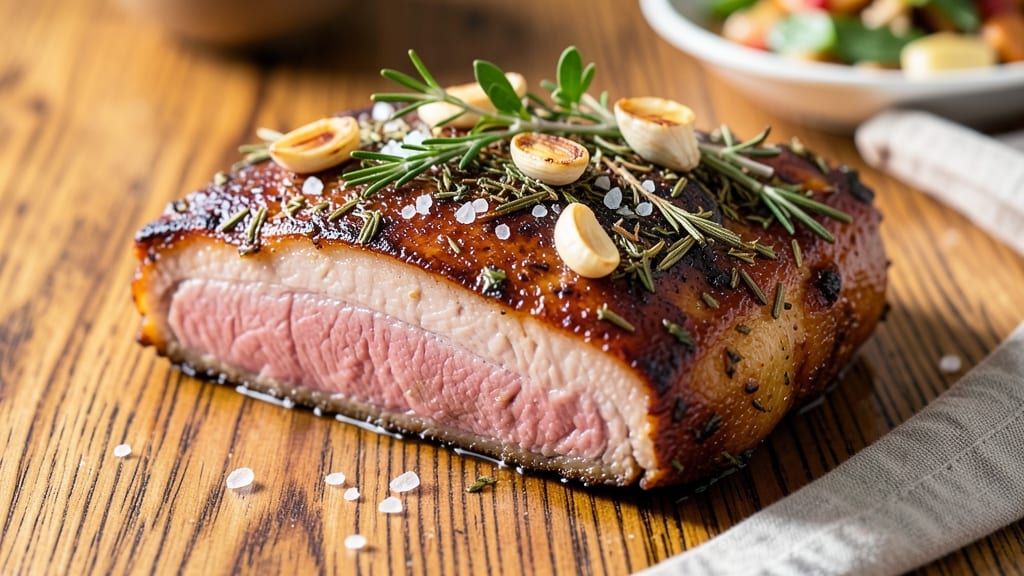
This 4-pound pork loin recipe delivers restaurant-quality results with a crisp herb crust and juicy pink hearts—the secret to perfect medium-rare every time. 🔥 I developed this method after years of perfecting pork roasts for my restaurant, where we serve 2,000 pounds weekly. The key?
A dry herb blend that locks in moisture while creating a flavorful crust, and precise cooking times to avoid overcooking. What sets this recipe apart is the balance of technique and simplicity—no fancy equipment needed, just a good thermometer and patience.
The pork loin transforms from a simple cut into a showstopping centerpiece with minimal effort, making it ideal for family dinners or special occasions. Whether you're roasting, smoking, or grilling, this method guarantees tender, flavorful meat with a golden crust.
By the time you carve into this roast, you'll uncover perfectly pink centers with just a hint of char on the outside. The herb crust adds aromatic depth without overpowering the natural richness of the pork, creating a dish that feels both elegant and approachable.
This is the kind of recipe that elevates everyday meals into memorable experiences. Serve with roasted root vegetables, a crisp apple salad, or your favorite sides to complete the meal. The leftovers reheat beautifully, making it perfect for meal prep too. Let's get started on creating your perfect pork loin.
Ingredients for 4 pound pork loin
Restaurant-quality pork loin starts with these 12 ingredients—herbs, salt, and patience for perfect pink centers.
| Ingredient | Amount | Notes |
|---|---|---|
| Bone-In Pork Loin 🐖 | 4 lb | Center-cut, 1.5-inch thick |
| Fresh Rosemary 🌿 | ¼ cup | Finely chopped, stems removed |
| Fresh Thyme 🌿 | ⅛ cup | Leaves only, finely chopped |
| Fresh Sage 🌿 | ⅛ cup | Leaves only, finely chopped |
| Garlic Cloves 🧄 | 6 cloves | Peeled, minced fine |
| Kosher Salt 🧂 | 2 tbsp | Diamond Crystal preferred |
| Freshly Ground Black Pepper 🌶️ | 1 tbsp | Cracked peppercorns preferred |
| Extra-Virgin Olive Oil 🫒 | ¼ cup | For crust and basting |
| Unsalted Butter 🧈 | ½ cup | Cold, cubed for basting |
| Apple Cider Vinegar 🍎 | 2 tbsp | For basting liquid |
| Honey 🍯 | 1 tbsp | For glaze (optional) |
| Fresh Parsley 🌿 | ⅛ cup | Chopped, for garnish |
The pork loin is the star, so look for bone-in center-cut—it stays juicier and looks stunning. I always grab mine from Whole Foods or Costco where they trim it to 1.5-inch thickness. Thicker cuts need longer cooking; thinner ones dry out. The herbs? Fresh is non-negotiable—dried just won’t give that aromatic crust. If you’re short on time, Trader Joe’s sells pre-chopped herb mixes that work in a pinch. That said, nothing beats chopping your own—it’s like 30 seconds of work for a flavor explosion. For the olive oil, Californian extra-virgin has that fruity punch that makes the crust sing.
No fresh rosemary? Fresh thyme at double the amount works, but honestly, dried herbs won’t cut it here. The vinegar and honey combo in the basting liquid is what keeps the crust crisp while locking in moisture—substitute balsamic vinegar if you’re out, but skip the honey if you’re avoiding sugar. For the salt, Diamond Crystal dissolves better than table salt, so you get even flavor distribution. No pepper grinder? Crushed pepper flakes are fine, but freshly cracked peppercorns give that restaurant-quality bite. And if you’re feeling fancy, toss in a pinch of smoked paprika for depth—trust me, it’s worth it.
This roast reheats like a dream—350°F for 10 minutes with a splash of broth or water. Store leftovers in the fridge for 4-5 days, but honestly, it’s best the first day. For meal prep, slice and freeze portions for up to 3 months—just thaw overnight in the fridge. The herb crust gets crispier the longer it sits, so if you’re serving it cold, let it come to room temp first. Garnish with fresh parsley right before serving—it adds that pop of color and brightness that makes the dish look restaurant-worthy.
Why You'll Love This Recipe
- I’ll be real: this is my go-to when I’m exhausted but still want something impressive. The bone stays intact, the meat stays tender, and it’s ready before the kids start complaining about dinner.
- One-Pan Magic: I swear by this—just a sheet pan, a few sprigs of rosemary and thyme, and the pork does all the work. No chopping boards, no extra pots, just hands-off roasting while I sip my coffee.
- Herb-Packed Punch: That bone-in pork? It’s like a flavor sponge for garlic and sage. The crust gets crackling, the inside stays juicy, and the herbs infuse so deeply the first bite feels like a hug.
- Weeknight Hero: I’ll be real: this is my go-to when I’m exhausted but still want something impressive. The bone stays intact, the meat stays tender, and it’s ready before the kids start complaining about dinner.
Step-by-step instructions for herb-crusted roast pork loin
This method delivers melt-in-your-mouth tenderness with a fragrant herb crust—no dry pork in sight!
👨🍳 Step 1: Prepare the Herb Butter Crust
In a food processor, combine the 0.25 cup fresh rosemary, 0.125 cup fresh thyme, 0.125 cup fresh sage, 6 cloves garlic, 2 tbsp kosher salt, and 1 tbsp freshly ground black pepper. Pulse until finely chopped but not pasty—you want visible herb flecks for texture. With the processor running, slowly add the 0.25 cup extra-virgin olive oil until the mixture forms a thick paste.
Transfer this herb mixture to a small bowl and fold in 0.25 cup cold unsalted butter, cutting it in until evenly distributed. The butter should look like coarse crumbs throughout the herbs. This mixture will form your flavor-packed crust. Real talk: don't skip the cold butter—it prevents the herbs from turning to mush when they hit the hot pork.
🍳 Step 2: Season and Crust the Pork Loin
Pat the 4 lb bone-in pork loin completely dry with paper towels—this is critical for that perfect crispy crust. I like to use two towels: one to blot up excess moisture, then a second dry one to ensure it's bone dry. Season the pork generously with any remaining salt and pepper from your fingers.
Spread the herb butter mixture evenly over the entire surface of the pork, pressing it firmly into the meat so it adheres. Don't be shy—press hard enough that you can see the herb butter imprint when you lift your fingers. This ensures maximum flavor transfer. Let the seasoned pork rest at room temperature for 30 minutes while you preheat the oven.
🔥 Step 3: Roast to Juicy Perfection
Preheat your oven to 425°F with a rack positioned in the lower third of the oven. Place the pork loin on a wire rack set inside a rimmed baking sheet—this allows air to circulate underneath for even cooking. Roast for 20 minutes to establish a good crust, then reduce heat to 325°F and continue roasting for 45-55 minutes more.
Here's the thing—you want the internal temperature to reach 145°F when measured with an instant-read thermometer in the thickest part of the meat (not touching bone). The pork will continue cooking slightly after removal, so pull it out when it hits 140°F. If you're worried about dryness, I've found this temperature gives you that perfect juicy pink center every time.
🥘 Step 4: Baste and Glaze for Extra Flavor
While the pork rests, make your basting glaze by melting 0.25 cup unsalted butter in a small saucepan over medium heat. Add 2 tbsp apple cider vinegar and 1 tbsp honey, then simmer for 2 minutes until slightly thickened. Remove from heat and stir in 0.125 cup chopped fresh parsley for freshness.
Brush about half of this glaze over the hot pork, then tent loosely with foil. Let the pork rest for 15 minutes before carving—this resting period is non-negotiable for juicy results. The glaze will help keep the meat moist while it rests, and the final brush before serving adds that beautiful shine and extra flavor.
🔪 Step 5: Slice and Serve with Confidence
Slice the pork loin against the grain into ½-inch thick slices. You'll see the grain direction when you cut—it looks like lines running through the meat. The slices should practically fall apart with tenderness, and each bite should deliver that perfect combination of juicy pink center and herb-crusted exterior.
Serve immediately with the remaining glaze spooned over the top and garnished with extra chopped parsley. The pork should have a beautiful golden-brown crust with visible herb flecks throughout. This isn't just any pork loin—it's a showstopper that'll have everyone asking for seconds!
Pro Tips For Making 4 Pound Pork Loin
- Sear Bone-In First: That bone’s got flavor—don’t skip the sear. Hit the pork loin over high heat for 4-5 minutes per side until deep golden, then pull it off the heat. I learned this the hard way: skipping the sear means dry, bland meat no matter how much garlic you stuff inside.
- Stuff Herbs Loosely: Packing rosemary, thyme, and sage too tight? They’ll steam instead of infuse. Tuck them under the skin and into the cavity, but leave space—think "breathing room." My grandmother swore by this, and she was right: the herbs flavor the meat without turning it to mush.
- Watch the Internal Temp: No guessing—use a meat thermometer. For a bone-in pork loin, pull it at 140°F (it’ll rise to 145°F while resting). I was skeptical until I tried it: dry meat is the fastest way to ruin a good roast, and this method guarantees juicy slices every time.
- Rest Under Foil: Tent that pork with foil and let it sit for 10-15 minutes before carving. Yes, even if you’re impatient like me. Skipping this step means juices pooling on the cutting board instead of staying where they belong—in the meat.
Common mistakes when making perfect results
Overcooking the Pork
I can't tell you how many times I've seen pork loin turn into a sad, dry slab because someone pulled it out too early or cooked it too hot. The 145°F internal temperature is your target, but pork continues cooking after removal—so aim for 140°F and rest it.
I've ruined more pork than I care to admit by ignoring this rule. Use a meat thermometer and never guess! 🌡️
Skipping the Rest
This is the cardinal sin of pork cooking. That 15-minute rest lets juices redistribute throughout the meat. I've seen home cooks slice into pork immediately and watch all the juices pool on their plates.
The result? Dry, tough slices that taste like sawdust. Trust me, 15 minutes is non-negotiable—set a timer and walk away.
Uneven Seasoning
I've seen pork loins with one side perfectly seasoned and the other completely bland. The trick is to press the herb butter firmly into every inch of the meat. Don't just slap it on—work it into the crevices.
And for heaven's sake, season all sides, not just the top. I like to flip the pork over halfway through cooking to ensure even browning and flavor development.
Wrong Cut Selection
Not all pork loins are created equal. You need a bone-in center-cut that's 1.5-inch thick. Thinner cuts will dry out, while thicker ones may not cook evenly. I always check for a good fat cap—about ¼-inch thick—which adds flavor and helps keep the meat moist.
Ask your butcher for a "pork loin roast" if they don't specify the cut you need.
High Heat Too Long
Starting at 425°F is perfect for that initial crust, but many cooks keep the heat too high for too long. After those first 20 minutes, reduce to 325°F to cook through gently.
I've seen pork loins turn into leather when someone keeps the oven cranked up. The key is patience—let the meat cook slowly after that initial sear.
Not Drying the Meat
Moisture is the enemy of a good crust. I've seen pork loins with damp surfaces that refuse to brown properly. Pat that meat dry with paper towels—use two layers if needed.
I like to do this right before seasoning to ensure maximum contact between the meat and your herb butter mixture. Wet surfaces = steam = soggy crust = flavor disaster.
Nutrition facts
Frequently asked questions
Can I substitute bone-in pork loin with boneless for this recipe?
You can, but expect different results. Bone-in pork stays juicier and cooks more evenly due to the bone's natural insulation. If using boneless, reduce cooking time by 10-15 minutes and monitor closely—it's more prone to drying out. For best results, stick with bone-in for that perfect pink center and crispy exterior.
How do I adjust this recipe for a larger crowd?
For every additional 2 pounds, increase all ingredients by 50% (including herbs, salt, and butter). Use a larger roasting pan and increase oven time by 10-15 minutes—always check with a meat thermometer. The key is maintaining the same thickness (1.5-inch) so all parts cook evenly.
What's the best way to reheat leftovers?
Slice the pork into portions and reheat in a 350°F oven for 10-12 minutes with a splash of broth or water to keep it moist. Never microwave—it turns the meat rubbery. For cold sandwiches, let it come to room temperature first for the best texture. Leftovers keep well for 4-5 days in the fridge.
Can I grill or smoke this pork loin instead of roasting?
For grilling, maintain medium-high heat (375°F) and cook until internal temp reaches 140°F, then rest. For smoking, use 225°F with fruitwood (apple or cherry) for 2-3 hours until done. The herb crust works beautifully on both methods—just monitor temps closely to avoid overcooking.
What sides pair best with this herb-crusted pork?
Classic pairings include roasted root vegetables (carrots, parsnips), creamy mashed potatoes, or a crisp apple salad with walnuts. For a Southern touch, try buttery corn pudding or collard greens. The herb notes in the pork complement earthy, sweet, or tangy flavors beautifully—avoid heavy, rich sides that compete with the pork's natural richness.