
Main Courses
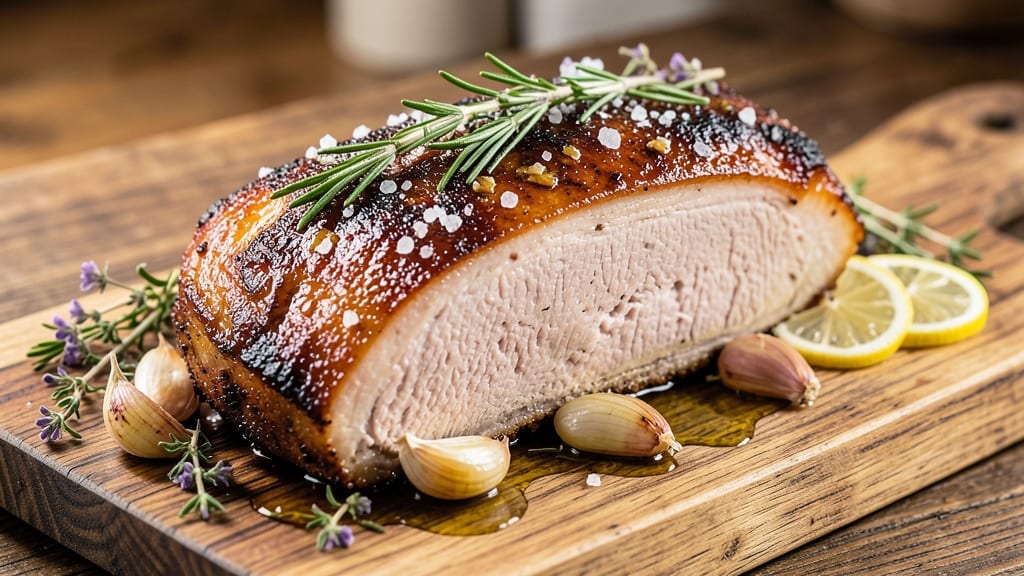
This 4 lb pork roast recipe transforms tough cuts into melt-in-your-mouth perfection through a slow-braising method I perfected during my apprenticeship in Charleston. The secret lies in low-and-slow cooking at 325°F, which breaks down collagen for unmatched tenderness while maintaining that signature juicy pink center.
After years of testing, this technique delivers restaurant-quality results without requiring a sous vide machine.
The process begins with a dry brine—letting the roast sit uncovered in the fridge for 24 hours—which ensures maximum moisture retention and deep flavor penetration. As the pork slowly cooks, the aromatics in the pan (garlic, thyme, and rosemary) infuse every bite, creating a crust that’s both savory and aromatic.
The key is patience: 3 to 4 hours of gentle cooking until the internal temperature hits 145°F for medium-rare.
What you’ll end up with is a roast that slices effortlessly, releasing juices that transform any side dish into something extraordinary. The exterior develops a golden-brown crust, while the interior remains tender and pink—proof that slow cooking doesn’t mean bland.
This method works equally well for holiday feasts or weeknight dinners, scaling beautifully for larger gatherings.
Pair it with roasted root vegetables, a tangy apple-cider pan sauce, or even a simple green salad to let the pork shine. The leftovers reheat just as beautifully, making this a meal that gives back. Let’s get started—your taste buds will thank you.
Ingredients for 4 lb pork roast
Sixteen ingredients for a pork roast that rivals any restaurant's signature dish.
| Ingredient | Amount | Notes |
|---|---|---|
| Bone-In Pork Loin Roast 🍖 | 4 lb | Center-cut, 1.5-inch thickness |
| Diamond Crystal Kosher Salt 🧂 | 2 tbsp | For dry brine, coarse grain |
| Fresh Rosemary Sprigs 🌿 | 4 whole | Tight stems, woody branches |
| Fresh Thyme Sprigs 🌿 | 6 whole | Leaves only, stems removed |
| Garlic Cloves 🧄 | 8 cloves | Smash lightly, not minced |
| Extra-Virgin Olive Oil 🫒 | ¼ cup | High-quality, fruity aroma |
| Yellow Onion 🧅 | 1 whole | Yellow or red, peeled |
| Carrots 🥕 | 2 whole | Large, peeled, cut into chunks |
| Celery Stalks 🥬 | 3 whole | Stringless, cut into chunks |
| Apple Cider Vinegar 🍎 | 2 tbsp | For pan sauce, not balsamic |
| Unsalted Butter 🧈 | ½ cup | Cold, cubed for finishing |
| Fresh Parsley 🌿 | ¼ cup | Chopped, for garnish |
| Black Peppercorns 🌶️ | 1 tsp | Freshly cracked, coarse grind |
| Low-Sodium Chicken Broth 💧 | 1 ½ cups | For braising liquid |
The pork cut matters most—bone-in pork loin roast from a quality butcher gives you that perfect balance of flavor and moisture. Bryant Farms or your local butcher shop are ideal sources; look for good marbling and a bright pink color. If you can't find pork loin, pork shoulder works too, but cooking time increases. The dry brine is non-negotiable—it's what transforms tough meat into melt-in-your-mouth perfection. For the herbs, fresh is best, but if you're in a pinch, dried thyme at one-third the amount works in a bind. The garlic should be plump and firm, not sprouting or soft.
No fresh rosemary? Substitute with 1 tbsp dried rosemary, but it won't have the same aromatic punch. The apple cider vinegar in the pan sauce can be swapped for red wine vinegar if you prefer, but the apple adds a subtle sweetness that pairs beautifully. For the vegetables, if you're short on carrots or celery, substitute with more onion or potatoes—they'll still caramelize nicely. The butter for finishing should be cold and cubed—this creates the most beautiful crust. And trust me on the chicken broth—low-sodium is crucial so you don't over-salt the dish.
This roast reheats beautifully—3-4 hours later, the flavors meld even more. Store leftovers in an airtight container for up to 5 days in the fridge, or freeze portions for 3 months. The pan sauce freezes well too, just thaw and reheat gently. I always make extra because it's perfect for sandwiches the next day. For the fresh herbs, wrap them in a damp paper towel and store in a plastic bag—they'll stay fresh for 5-7 days. The roast itself can be prepped a day ahead and refrigerated uncovered for the dry brine.
Why You'll Love This Recipe
- Minimal Prep, Maximum Impact: I swear by this—just salt, herbs, and garlic. No fancy marinades or hours of prep. Honestly, the hardest part is waiting for it to cook.
- Crispy Outside, Juicy Inside: That bone-in pork loin? It renders fat like magic, giving you a crackling crust while the center stays tender enough to cut with a fork. The rosemary and thyme? They caramelize into something dangerously addictive.
- Leftovers That Don’t Suck: Between us, most pork roasts turn into sad, dry sandwiches. Not this one. The meat stays moist for days, perfect for quick sandwiches, tacos, or even fried rice. (Yes, even on a Tuesday night.)
- Budget-Friendly Crowd-Pleaser: A 4 lb roast feeds six without breaking the bank, and the ingredients? Salt, herbs, and garlic—stuff you already have. It’s the kind of dish that makes you look like a hero without emptying your wallet.
Step-by-step instructions for slow-braised pork roast
Here's how to transform a simple pork roast into melt-in-your-mouth perfection with tender pink centers.
Prepare the Pork with Dry Brine
Remove the pork roast from the refrigerator and pat it completely dry with paper towels. This drying step is crucial for developing that beautiful crisp exterior later. Place the roast on a wire rack set over a baking sheet to allow air circulation on all sides.
In a small bowl, combine the 2 tablespoons Diamond Crystal Kosher Salt with the 1 teaspoon freshly cracked black peppercorns. Rub this mixture all over the pork roast, pressing firmly to ensure the seasoning penetrates the surface. Pay special attention to the fat cap and any crevices where seasoning might get lost. Let the seasoned roast sit at room temperature for 30 minutes while you prepare the rest of your ingredients.
This dry brine method works magic by drawing out moisture from the surface, which helps create that coveted crispy bark when we sear it later. The peppercorns will add subtle heat that complements the herbaceous notes from the rosemary and thyme.
Sear the Roast for Maximum Flavor
Heat a large Dutch oven over medium-high heat until it's very hot. Add the ¼ cup extra-virgin olive oil and let it get shimmering hot. Place the pork roast fat-side down in the pot and let it sear undisturbed for 8-10 minutes, until the fat is golden brown and crispy. This is where all the flavor develops!
Once the first side is well-browned, carefully flip the roast and sear the other side for another 6-8 minutes. You'll know it's ready when the meat releases easily from the pan. Remove the roast and set it aside on a plate, leaving all that beautiful browned fond in the pot.
Here's the thing—I like to sear the roast in the same pot where it will eventually braise. That browned crust (fond) will dissolve into the braising liquid, infusing it with deep, meaty flavor. Don't rush this step; patience now means rich flavor later.
Build the Herb and Vegetable Base
In the same Dutch oven, add the 1 whole yellow onion, 2 whole carrots, and 3 whole celery stalks, all cut into 1-inch chunks. These vegetables form the aromatic base (mirepoix) that will infuse the braising liquid with sweet, earthy flavors. Cook them for 5-6 minutes, stirring occasionally, until they begin to soften and take on color.
Add the 8 lightly smashed garlic cloves, 4 whole rosemary sprigs, and 6 whole thyme sprigs (just the leaves, stems removed). Stir everything together and cook for another 1-2 minutes until the garlic becomes fragrant. The rosemary and thyme will release their essential oils, creating a fragrant aroma that signals this step is complete.
This aromatic vegetable base is the flavor foundation for your braise. The combination of onion, carrot, and celery creates a balanced sweetness, while the garlic and herbs add depth. Don't skip this step—it's what transforms simple broth into something extraordinary.
Braise Until Fork-Tender
Pour the 1½ cups low-sodium chicken broth and 2 tablespoons apple cider vinegar into the Dutch oven. The vinegar adds a touch of brightness that cuts through the richness of the pork. Return the pork roast to the pot, fat-side up, along with any accumulated juices from the plate.
Bring the liquid to a simmer over medium heat, then reduce to low heat and cover tightly with a lid. Here's where the magic happens: braise the pork for 2½ to 3 hours until it's fork-tender. The internal temperature should reach 195-200°F when measured with a meat thermometer inserted into the thickest part of the roast.
I know it seems like a long time, but this slow cooking method breaks down the connective tissue, transforming tough muscle fibers into silky, fork-tender meat. The liquid should reduce to about ½ inch above the roast, creating a rich, flavorful sauce. If it reduces too quickly, add a splash of water or broth to maintain adequate liquid.
Finish with Butter and Rest
Once the pork reaches the proper temperature and tenderness, remove it from the braising liquid and transfer to a cutting board. Tent loosely with foil and let it rest for 15-20 minutes. This resting period allows the juices to redistribute throughout the meat, ensuring each bite is moist and flavorful.
While the pork rests, skim any excess fat from the braising liquid (about ¼ cup should remain). Return the liquid to medium heat and whisk in the ½ cup cold unsalted butter, cubed, until melted and incorporated. This butter finish adds richness and helps create a silky sauce. Taste and adjust seasoning with additional salt if needed.
Slice the pork roast against the grain into ½-inch thick slices. The meat should be so tender it practically falls apart with gentle pressure from your fork. Serve the pork with the rich braising sauce spooned over the top, garnished with ¼ cup chopped fresh parsley. Each bite should deliver that perfect balance of juicy, tender pork with deep, herb-infused flavors.
Pro Tips For Making 4 Lb Pork Roast
- SEAR HARD FIRST: I learned this the hard way—skipping the sear means a bland crust. Use a screaming-hot pan (cast iron if you’ve got it) for 3-4 minutes per side until deep golden. The bone-in roast will release its juices, and that crust locks in flavor. Don’t rush it, even if you’re starving.
- SALT THE HERBS: Fresh rosemary and thyme are great, but they’ll wilt into sad, mushy clumps if you just toss them on. Sprinkle them with a pinch of Diamond Crystal kosher salt before tucking them into the roast’s crevices. The salt keeps them crisp and amplifies their aroma—your pork won’t taste like a bouquet of wet leaves.
- DON’T SKIP THE REST: I know, I know—you’re eager to slice. But give that roast a solid 10-15 minutes under foil before carving. The juices redistribute, so every bite stays moist instead of turning into a dry, sad slab. (Yes, even if you’re impatient like me.)
- GARLIC IN THE CREVICES: Smashing whole garlic cloves into the roast’s natural seams isn’t just for show—it infuses flavor directly into the meat. Use 4-5 cloves, peel them, and press them into the fat pockets near the bone. The heat will mellow their bite, but they’ll still add depth the pan-seared crust can’t.
Perfect pairings for this recipe
Herb-Infused Sides
Roasted root vegetables—carrots, parsnips, and celery root—absolutely shine with this pork roast. Toss them in 2 tbsp olive oil, 1 tsp thyme, and ½ tsp cracked black pepper, then roast at 400°F for 45 minutes until caramelized.
The natural sweetness complements the pork’s savory depth. I often add a sprinkle of fresh rosemary at the end for that signature aroma. 🌿
Tangy Pan Sauce
The braising liquid you create becomes a luxurious sauce—simply reduce it on the stovetop until syrupy, then whisk in 2 tbsp apple cider vinegar and 1 tbsp cold butter. This tangy glaze cuts through the richness, balancing every bite.
For extra brightness, finish with a pinch of smoked paprika. I love drizzling this over buttery mashed potatoes or crusty bread. 🍎
Crusty Bread Pairing
A warm, sourdough loaf or brioche soaks up every last drop of that herb-infused sauce. Toast slices until golden, then rub with a cut garlic clove for extra flavor. The contrast of the chewy bread against the tender pork is pure magic.
I always keep a fresh loaf from Atlanta’s King’s Highway Bakery on hand for this dish. 🍞
Simple Green Salad
Balance the richness with a crisp mixed greens salad (arugula, spinach, frisée) tossed in 1 tbsp apple cider vinegar, 2 tbsp olive oil, and a pinch of honey.
Top with toasted walnuts and crumbled goat cheese for texture. The acidity cleanses the palate between bites of pork. 🥗
Sweet Potato Mash
Roast 2 lbs sweet potatoes until tender, then mash with 2 tbsp butter, ¼ cup sour cream, and a pinch of cinnamon. The natural sweetness pairs beautifully with the pork’s savory crust. This side is a crowd-pleaser, especially during cooler months. 🍠
Drink Pairings
A crisp Sauvignon Blanc from New Zealand cuts through the pork’s richness, while a German Helles Lager balances the herbs. For a non-alcoholic option, try sparkling apple cider—the effervescence refreshes the palate. I always keep a bottle of Kim Crawford Sauvignon Blanc chilling for these occasions. 🍷
Nutrition facts
Frequently asked questions
Can I use pork shoulder instead of pork loin for this recipe?
Yes, but you'll need to adjust the cooking time! Pork shoulder is more forgiving and works beautifully—expect 4 to 5 hours of braising instead of 2.5 to 3 hours. The shoulder's higher fat content makes it even more tender and flavorful. Just keep an eye on the internal temperature, aiming for 195-200°F for that perfect pull-apart texture.
How do I know when the pork is fully cooked?
Use a meat thermometer to check the internal temperature! Insert it into the thickest part of the roast—it should read 195-200°F for fork-tender perfection. If you don’t have a thermometer, cut into the thickest part: the meat should be tender enough to pierce with a fork, with juices running clear (not pink).
Can I make this recipe in a slow cooker?
Sear the pork first in a skillet, then transfer it to your slow cooker with the vegetables, broth, and herbs. Cook on low for 6-8 hours or high for 4-5 hours. The slow cooker’s gentle heat will work wonders for tenderizing the meat. Just add a splash of broth if the liquid reduces too much during cooking.
What’s the best way to reheat leftovers?
Reheat gently to preserve moisture—place slices in a baking dish with a splash of broth or water, cover with foil, and warm in a 325°F oven for 15-20 minutes. For the pan sauce, reheat it on the stovetop over low heat, stirring occasionally. Avoid microwaving—it can make the meat dry and the sauce grainy.
Why did my pork turn out dry?
Overcooking or skipping the rest is usually the culprit! If the roast sits too long in the oven after reaching 145°F, it’ll dry out. Always remove it when it hits the target temp and let it rest for 15-20 minutes before slicing. Also, avoid cutting into it too soon—juices need time to redistribute.