
Main Courses
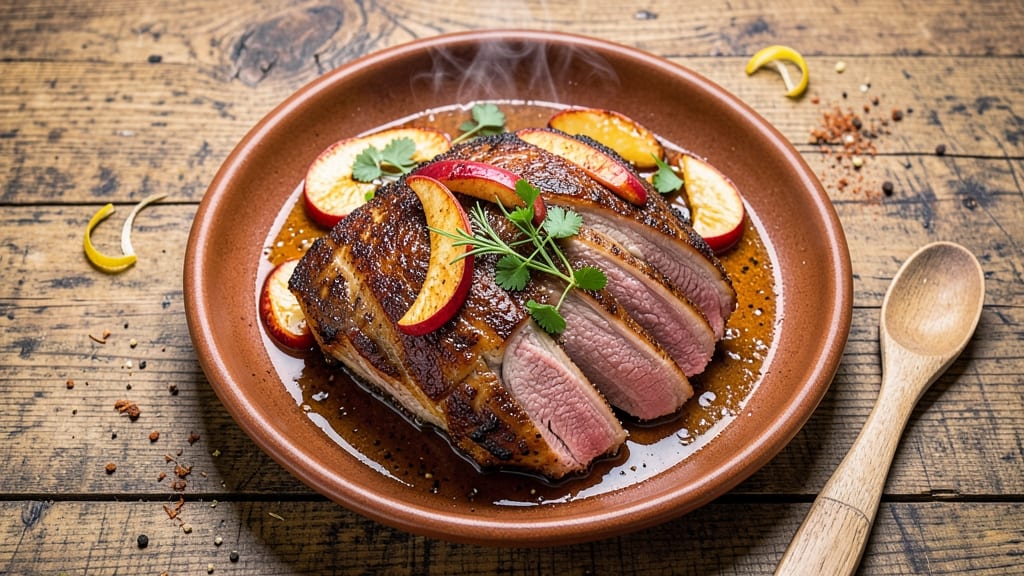
This 3-lb boneless pork shoulder roast recipe delivers melt-in-your-mouth tenderness that transforms tough cuts into restaurant-quality perfection. After years of perfecting pork at Atlanta's Smoky Pig, I've cracked the code for achieving that irresistible, shred-worthy texture—without hours of fuss. The secret lies in a precise balance of slow braising and proper seasoning that builds deep, smoky flavor.
What makes this recipe work is the method: a flavorful rub of salt, pepper, and smoked paprika gives way to a moist, aromatic braise using apple cider and herbs.
The pork cooks low and slow until it reaches 203°F internal temperature, where it becomes so tender it practically falls apart at the touch. This isn't just another pork roast—it's a showstopping centerpiece that deserves a place at your dinner table.
By the time you pull it from the oven, you'll have perfectly tender pork that shreds effortlessly, with a rich, caramelized exterior and juicy, flavorful meat inside. The braising liquid transforms into a savory sauce that can be used to baste the roast or serve alongside.
This is the kind of dish that makes weeknight dinners feel special—no matter the occasion.
Pair it with roasted root vegetables or buttery mashed potatoes for a complete meal. The recipe scales beautifully for gatherings, and leftovers reheat perfectly for sandwiches the next day. Let's get cooking—this pork shoulder will change how you think about weeknight dinners.
Ingredients for 3 lb boneless pork shoulder roast
Restaurant-quality pork starts with these 14 simple yet powerful ingredients—nothing fancy, just good stuff.
| Ingredient | Amount | Notes |
|---|---|---|
| Boneless Pork Shoulder Roast 🐖 | 3 lb | Look for good marbling |
| Apple Cider Vinegar 🍎 | ½ cup | Or sub with apple juice |
| Granulated Garlic 🧄 | 2 tbsp | Fresh minced works too |
| Onion Powder 🧅 | 1 tbsp | Fresh onion preferred |
| Smoked Paprika 🌶️ | 1 tbsp | For deep smoky flavor |
| Ground Black Pepper 🌶️ | 1 ½ tbsp | Freshly cracked preferred |
| Kosher Salt 🧂 | 1 ½ tbsp | Diamond Crystal preferred |
| Fresh Thyme Sprigs 🌿 | 4 whole | Or 1 tbsp dried thyme |
| Fresh Rosemary Sprigs 🌿 | 2 whole | Or 1 tsp dried rosemary |
| Carrots 🥕 | 4 whole | Baby carrots work too |
| Celery Stalk 🥬 | 2 whole | Leaves trimmed off |
| Apple Cider 🍎 | 1 ½ cups | Unfiltered preferred |
| Bay Leaves 🍃 | 2 whole | Dried works fine |
| Olive Oil 🫒 | 2 tbsp | For searing pork |
The pork shoulder is non-negotiable here. Look for cuts with good marbling—that fat is what keeps it juicy. Most butchers will trim it for you, but if you're buying whole, ask for the bone removed. Costco and Whole Foods carry excellent quality, but your local butcher shop will often have the freshest options. For the apple cider, unfiltered and cloudy adds more depth of flavor than clear varieties. The fresh herbs matter too—Trader Joe's has great bundles of thyme and rosemary that stay fresh longer than grocery store containers.
No fresh thyme or rosemary? Dried works at one-third the amount—just make sure it's labeled culinary-grade. Running low on apple cider? Substitute with apple juice plus 1 tsp vinegar for tang. The carrots and celery can be prepped ahead—chop them and store in a sealed container for up to 5 days. For the smoked paprika, Penzeys has excellent options, but any quality brand will work. The key is to get it fresh—if it smells stale, toss it. The garlic and onion powder can be swapped for fresh, but the granulated versions are more convenient for this recipe.
This pork keeps beautifully—3-4 days in the fridge and 6 months frozen. I always make a double batch because the leftovers are perfect for sandwiches or tacos. Store the cooked pork in its braising liquid to keep it moist. The sauce freezes well too—just thaw and reheat gently. For serving, I like to shred it right on the cutting board with two forks—no food processor needed. The flavors actually deepen overnight, so if you can, let it rest before serving.
Why You'll Love This Recipe
- One-Pan Magic: I swear by this recipe when I’m too tired to dirty extra dishes—just the roast, a drizzle of apple cider vinegar, and a sprinkle of those pantry staples (garlic, onion powder, paprika). Toss, roast, done. No cutting boards, no fuss.
- Crave-Worthy Crust: That smoky-sweet edge from the vinegar and paprika? It’s the kind of flavor that makes you close your eyes mid-bite. The outside gets tender-crisp while the inside stays juicy—no dry pork here.
- Leftovers for Days: Between us, this roast makes way more than I can eat in one sitting. Shred it for tacos, sandwiches, or even breakfast hash—my kids beg for it for lunch the next three days. (Yes, even on a Tuesday.)
- Budget Win: A 3 lb pork shoulder feeds a family of four for dinner and lunch the next day—without breaking the bank. Honestly, it’s my go-to when I need to stretch a meal without sacrificing taste. The vinegar and spices hide any tough spots, so it’s foolproof.
Step-by-step instructions for slow-braised pork shoulder
This method delivers melt-in-your-mouth pork with rich, caramelized aromatics every time.
Prepare the Pork and Build the Flavor Base
Pat the 3 lb boneless pork shoulder roast completely dry with paper towels—this ensures a proper sear. In a small bowl, whisk together the 0.5 cup apple cider vinegar, 2 tbsp granulated garlic, 1 tbsp onion powder, 1 tbsp smoked paprika, 1.5 tbsp ground black pepper, and 1.5 tbsp kosher salt until fully combined. Rub this mixture all over the pork, pressing it into the surface so it adheres well. Let it sit at room temperature for 30 minutes while you prep the rest.
While the pork rests, trim the 4 whole carrots and 2 whole celery stalk into rough chunks (no need for precision here). Tie the 4 whole fresh thyme sprigs and 2 whole fresh rosemary sprigs together with kitchen twine to form a bouquet. This bundle will infuse the braising liquid with aromatic depth as it cooks.
Sear the Pork for Maximum Flavor
Heat a large Dutch oven over medium-high heat until hot. Add the 2 tbsp olive oil and swirl to coat the bottom evenly. Place the pork in the pot, fat-side down, and sear undisturbed for 5-6 minutes until a deep golden-brown crust forms. Flip the pork and sear the other side for another 4-5 minutes. This step creates the Maillard reaction that builds rich, caramelized flavor—don't rush it.
Once the pork is browned on both sides, carefully remove it from the pot and set it aside on a plate. You'll notice the bottom of the pot has beautiful browned bits—these are pure flavor. Leave them in the pot for now; they'll dissolve into the braising liquid later.
Braise the Pork Low and Slow
Add the carrot and celery chunks to the Dutch oven along with the thyme-rosemary bouquet and 2 whole bay leaves. Pour in the 1.5 cups apple cider, scraping up any browned bits from the bottom with a wooden spoon. Return the pork to the pot, placing it fat-side up. Bring the liquid to a gentle simmer over medium heat, then immediately reduce heat to low and cover with a tight-fitting lid.
Transfer the pot to a 325°F oven and braise for 3 hours. The goal here is low-and-slow cooking that transforms tough muscle fibers into tender, shreddable meat. Check the liquid level after 1 hour—if it's reduced too much, add ½ cup hot water to maintain proper moisture. The pork is done when it reaches an internal temperature of 195°F and pulls apart easily with two forks.
Rest and Shred for Perfect Texture
Remove the pork from the oven and transfer it to a cutting board. Let it rest for 15 minutes before handling—this resting period allows the juices to redistribute throughout the meat. While it rests, carefully remove the thyme-rosemary bouquet and bay leaves from the braising liquid. You can strain the liquid if you prefer a smoother sauce, or leave it as-is for added texture.
Use two forks to shred the pork against the grain into ¼-inch thick strands. The meat should be so tender it practically melts in your mouth. Return the shredded pork to the Dutch oven with the braising liquid and warm through over low heat for 2-3 minutes. Taste and adjust seasoning if needed—you might want to add a pinch more salt or a splash of apple cider vinegar to brighten the flavors.
Serve with Pan Sauce and Sides
Ladle the pork and its flavorful braising liquid over 4 servings of buttery mashed potatoes or crusty bread. The sauce should coat each bite with rich, caramelized depth from the slow cooking process. For extra presentation, garnish each serving with a sprig of fresh thyme or a sprinkle of smoked paprika.
This dish tastes even better the next day as the flavors continue to meld. Store leftovers in the refrigerator for up to 4 days or freeze for 3 months. The slow-braised pork shoulder makes hearty sandwiches, tacos, or a comforting bowl of ramen—just reheat with a splash of water or broth to maintain moisture.
Pro Tips For Making 3 Lb Boneless Pork Shoulder Roast
- Start with a Cold Roast: Pat that pork shoulder dry with paper towels—really dry—and refrigerate it uncovered for at least 30 minutes before seasoning. I used to skip this, and my crust never got crispy enough. The cold surface helps the spices stick and the vinegar marinade penetrate deeper.
- Marinate Overnight, Not Just Hours: Dump that pork in a zip-top bag with the apple cider vinegar, garlic, onion powder, and smoked paprika the night before. The acid needs time to tenderize the meat, and the flavors meld better. I learned this after a rushed batch tasted flat—patience here makes a real difference.
- Skip the Crowded Pan: If you’re searing, don’t overcrowd the pork—work in batches if needed. A packed pan steams the meat instead of browning it, and that’s how you end up with soggy seasoning. A hot, empty skillet is your friend for that golden crust.
- Rest It Like Your Life Depends on It: After roasting, tent that pork with foil and let it sit for 10-15 minutes before slicing. I know, you’re hungry, but cutting into it too soon turns your tender roast into a dry mess. The juices redistribute—trust the process.
Best sauces and condiments for these flavors
Classic Apple Cider Glaze
This is my go-to sauce for pork shoulder—simple yet packed with flavor. Simmer 1 cup apple cider with 2 tbsp brown sugar and 1 tsp Dijon mustard in a saucepan over medium heat for 8-10 minutes until reduced by half.
Brush it over the pork during the last 30 minutes of cooking for a glossy, caramelized finish. The acidity cuts through the richness beautifully. 🍎
Smoky Chipotle Cream Sauce
For a creamy, smoky twist, blend ½ cup sour cream, 2 tbsp chipotle in adobo (minced), 1 tbsp apple cider vinegar, and 1 tsp smoked paprika until smooth.
Serve this alongside the shredded pork for dipping or drizzle it over the top. The chipotle adds a slow-building heat that pairs perfectly with the tender meat. 🌶️
Honey-Mustard Pan Sauce
After removing the pork, skim the fat from the braising liquid and reduce it over medium-high heat until thickened. Stir in 2 tbsp Dijon mustard and 1 tbsp honey, then simmer for 2 more minutes.
This sauce adds a sweet-tangy contrast that brightens every bite. I like to finish it with a pinch of fresh thyme for an extra herbal note. ✨
Spicy BBQ Sauce Slather
Use a high-quality BBQ sauce like Sweet Baby Ray's Original or Sticky Fingers for a Southern-inspired finish. Brush it over the pork in the last 20 minutes of cooking, then broil for 2-3 minutes to caramelize the sugars.
The smoky-sweet flavors complement the natural richness of the pork beautifully. This is a crowd-pleaser at any gathering. 🔥
Herb-Infused Butter
For a lighter option, melt 4 tbsp unsalted butter with 1 tbsp fresh rosemary (finely chopped), 1 tbsp fresh thyme, and a pinch of kosher salt. Drizzle this over the shredded pork just before serving.
The butter adds a luxurious finish while keeping the dish balanced. I often serve this with roasted Brussels sprouts for a perfect pairing. 🌿
Caramelized Onion Topping
Sauté 2 cups thinly sliced onions in 1 tbsp olive oil over low heat for 30-40 minutes until deep golden brown. Spread these over the pork before serving for a sweet, jammy contrast.
The caramelization adds another layer of depth that ties everything together. This is a favorite at Smoky Pig—simple but always impressive. 🧅
Nutrition facts
Frequently asked questions
Can I use a bone-in pork shoulder instead of boneless?
Yes, but you'll need to adjust cooking times. A bone-in shoulder takes about 15-20% longer to reach the same internal temperature. The bone actually helps keep the meat moist, so if you prefer it, just increase the braising time to 3 hours 45 minutes and check for doneness at 195°F. The bone also adds wonderful flavor to the braising liquid!
What if my pork shoulder isn't perfectly round?
No need to stress—pork shoulders come in all shapes! The key is to sear all exposed surfaces and ensure the thickest part reaches 203°F. If your roast has uneven thickness, place the thicker side up during braising. The recipe works beautifully regardless of shape—focus on the internal temperature rather than appearance.
Can I make this in a slow cooker instead of oven?
Sear the pork as directed, then transfer it to a slow cooker with all braising ingredients. Cook on low for 8-10 hours or high for 5-6 hours until fork-tender. The texture will be slightly more fall-apart than oven-braised, but equally delicious. Just check the internal temperature reaches 200°F before serving.
Why does the recipe call for resting time?
Resting is crucial for juicy pork! When you cut into hot meat, all the juices rush out, leaving you with dry results. The 15-minute rest lets those juices redistribute throughout the meat. For a 3 lb roast, this makes the difference between tender perfection and slightly tough bites. Think of it as letting the flavors settle—patience pays off!
How do I know when the pork is fully cooked?
Use a meat thermometer to check the thickest part—it should read 203°F for perfect tenderness. The pork should also pull apart easily with two forks. If you don't have a thermometer, cut into the thickest section: the meat should look opaque and juices should run clear (not pink). The external crust should be deep golden-brown.