
Main Courses
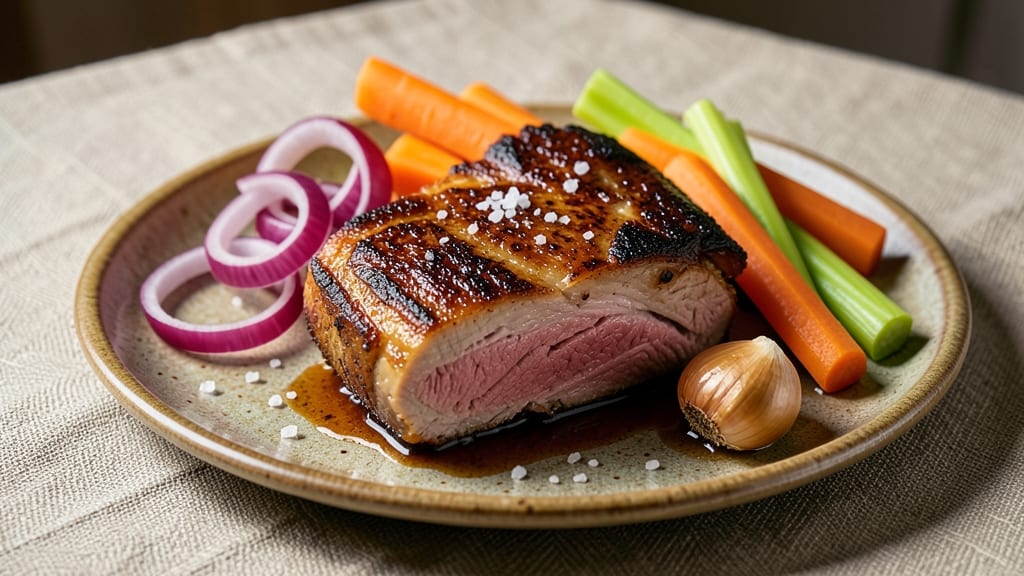
Transforming a simple 1 lb pork shoulder roast into melt-in-your-mouth perfection requires patience and precision—something I learned firsthand while competing on the Southeast BBQ circuit. The secret lies in slow-braising until the meat practically falls apart, creating a dish that's rich, tender, and packed with deep, smoky flavor.
This isn't just another roast; it's a technique that turns tough cuts into something extraordinary with minimal effort once you master the timing.
What sets this recipe apart is the balance between searing for flavor and low-and-slow cooking for tenderness. We start with a simple seasoning blend that lets the natural richness of the pork shine, then build layers of flavor through careful cooking.
The result? Juicy, shred-ready meat that's ready for tacos, sandwiches, or a hearty dinner plate. This method works beautifully for a crowd or a cozy family meal—just scale the sides accordingly.
The magic happens when the internal temperature reaches 203°F, where collagen breaks down into gelatin, transforming the meat into something impossibly tender. No need for fancy equipment—just a reliable oven and a meat thermometer to ensure perfect results every time.
The final dish delivers a restaurant-quality experience that's foolproof once you understand the science behind the slow cook.
Serve with classic sides like creamy coleslaw, buttery cornbread, or a crisp green salad to balance the richness. The leftovers? Even better the next day, making this the ultimate meal-prep friendly recipe. Let's get started on creating pork shoulder magic that'll have everyone asking for seconds.
Ingredients for 1 lb pork shoulder roast
Mastering this 1 lb pork shoulder requires quality ingredients and precise technique for restaurant-quality results.
| Ingredient | Amount | Notes |
|---|---|---|
| Pork Shoulder Roast 🥩 | 1 lb | Bone-in for maximum flavor |
| Yellow Onion 🧅 | 1 whole | Chopped into 1-inch pieces |
| Carrot 🥕 | 2 whole | Cut into 2-inch chunks |
| Celery Stalks 🌿 | 3 whole | Cut into 2-inch pieces |
| Garlic Cloves 🧄 | 6 cloves | Smashed for deeper flavor |
| Kosher Salt 🧂 | 1 ½ tbsp | Diamond Crystal preferred |
| Freshly Ground Black Pepper 🌶️ | 1 tsp | Cracked peppercorns preferred |
| Smoked Paprika 🌶️ | 1 tsp | For authentic smoky depth |
| Dried Thyme 🌿 | 1 tsp | Fresh thyme if available |
| Apple Cider Vinegar 🍎 | 2 tbsp | For tenderizing the meat |
| Brown Sugar 🍯 | 1 tbsp | Lightly packed for balance |
| Beef Broth 💧 | 1 cup | Low-sodium preferred |
| Extra-Virgin Olive Oil 🫒 | 1 tbsp | For initial searing |
| Fresh Rosemary 🌿 | 1 sprig | For aromatic complexity |
The pork shoulder is non-negotiable—look for cuts with visible marbling and a vibrant pink color. Local butchers often have superior quality compared to grocery store options, and they can trim excess fat for you. For the seasoning, Penzeys or McCormick offer excellent smoked paprika, but even the basic grocery store brand works if it's fresh. The fresh rosemary and thyme should smell intensely aromatic; if they don't, they've lost their potency. Prep the vegetables uniformly—consistent size ensures even cooking. The beef broth should be rich but not overly salty; Swanson's or Annie's are reliable choices, but homemade is ideal for maximum flavor.
No smoked paprika? Substitute with a mix of regular paprika and a pinch of liquid smoke—just don't overdo it. Fresh thyme unavailable? Dried thyme at one-third the amount works, but the flavor will be subtler. The apple cider vinegar can be swapped for red wine vinegar, though it'll alter the flavor profile slightly. For the beef broth, vegetable broth with a splash of soy sauce provides a decent alternative if you're avoiding meat-based stocks. The celery, onion, and carrot combo is essential for building flavor—don't skip them for convenience. If you're short on time, pre-chopped mirepoix mixes from the grocery store freezer section work perfectly.
This dish reheats beautifully—165°F internal temperature is ideal for serving. Store leftovers in airtight containers for up to 5 days in the refrigerator, or freeze for 3 months for later use. The pork will continue to tenderize slightly overnight, making the next-day flavor even more profound. For meal prep, portion the meat into individual containers with a small amount of the cooking liquid to keep it moist. The vegetables can be discarded after cooking, but the flavorful broth can be strained and repurposed for soups or gravies—don't waste it!
Why You'll Love This Recipe
- Foolproof Prep: The pork shoulder barely needs prep—just a quick trim and a rub with salt, pepper, and garlic. Honestly, I’ve made this while chatting on the phone; the hardest part is chopping the onion, carrot, and celery (which I often do the night before).
- Crispy-Creamy Magic: That caramelized edge on the pork with the tender, juicy center? It’s all in the slow roast. The onions and celery soften into a sweet, savory broth that clings to every bite—like a hug in meat form.
- Weeknight Wonder: Throw it in the oven while you tackle the rest of dinner, and it’s ready when you are. I’ve served this at game nights, potlucks, and even lazy Sundays—it’s the kind of dish that disappears fast, no matter the occasion.
- Budget Meal Stretch: One pound feeds four with leftovers that taste even better the next day. Between us, I’ve turned this into sandwiches, tacos, and fried rice—proof that pork shoulder is the ultimate pantry hero.
Step-by-step instructions for slow-braised pork shoulder roast
Transforming a simple pork shoulder into melt-in-your-mouth perfection requires patience and precision. Here's how to achieve that coveted texture every time.
Sear the Pork Shoulder for Deep Flavor
Heat a Dutch oven over medium-high heat until hot. Add the 1 tablespoon extra-virgin olive oil and swirl to coat the bottom. Place the 1 lb pork shoulder roast fat-side down and sear undisturbed for 8-10 minutes until the fat renders and the skin develops a deep golden crust. This initial sear locks in juices and creates the Maillard reaction that builds complex flavors.
Flip the roast and sear the other side for another 6-8 minutes. You'll notice the fat bubbling vigorously and the meat releasing easily from the pan when ready. Remove the roast and set it aside on a plate—this resting period prevents overcooking while you prepare the braising liquid.
Build the Aromatic Braising Base
In the same Dutch oven, add the chopped 1 whole yellow onion, 2-inch carrot chunks, and 2-inch celery pieces. Cook over medium heat for 8-10 minutes, stirring occasionally, until the vegetables soften and begin to caramelize. This process develops their natural sweetness and forms the flavor foundation.
Add the 6 smashed garlic cloves and cook for 30 seconds until fragrant. Immediately pour in the 2 tablespoons apple cider vinegar and scrape up any browned bits from the bottom of the pot. These bits, called fond, contain concentrated flavor that dissolves in the liquid. Let the vinegar cook out for 1 minute until the sharp aroma mellows.
Season and Combine All Components
Return the pork shoulder to the Dutch oven. Sprinkle evenly with the 1.5 tablespoons kosher salt, 1 teaspoon smoked paprika, 1 teaspoon dried thyme, and 1 teaspoon freshly ground black pepper. Toss the roast gently to coat all sides with the seasonings. Add the 1 sprig fresh rosemary and 1 tablespoon brown sugar, distributing them around the meat.
Pour in the 1 cup beef broth until the pork is mostly submerged but not completely covered. This liquid level ensures proper braising without steaming. Bring to a simmer over medium heat, then reduce to the lowest possible heat setting—just enough to maintain a gentle bubble at the edges of the liquid. Cover tightly with a lid.
Braise Until Fork-Tender
Transfer the Dutch oven to a preheated 300°F oven. Braise for 3 hours without disturbing. This low-temperature cook transforms tough connective tissue into gelatin that melts during resting, creating that signature pull-apart texture. After 3 hours, check the internal temperature—it should read 195-200°F.
If the pork isn't tender yet, continue braising for another 30-minute increments until a fork slides through easily with no resistance. The vegetables should be completely tender, breaking apart when pierced. The braising liquid will reduce significantly, creating a rich, concentrated sauce that clings beautifully to the meat.
Rest and Shred for Maximum Juiciness
Remove the pork shoulder from the oven and transfer it to a cutting board. Tent loosely with aluminum foil and let rest for 15-20 minutes. This resting period allows the juices to redistribute throughout the meat, preventing them from escaping when you shred. During this time, skim any hardened fat from the braising liquid and discard.
Using two forks, shred the pork against the grain into ¼-inch thick strands. The meat should pull apart easily with minimal effort. Return the shredded pork to the Dutch oven with the braising liquid and heat gently over low heat for 2-3 minutes to incorporate all the flavors. Serve immediately with the reduced braising sauce spooned over the top for maximum richness.
Pro Tips For Making 1 Lb Pork Shoulder Roast
- SEAR THE ONIONS FIRST: I used to toss everything raw into the pot and wonder why the flavors were muddled. Brown those onions and celery in batches with a splash of water—just 3-4 minutes at high heat—before adding the carrots and garlic. The deeper caramelization makes the whole dish taste like it simmered for hours, not 30 minutes.
- CHOP VEGETABLES UNIFORM: Big chunks of onion and uneven celery mean some parts cook into mush while others stay crunchy. Aim for ½-inch dice across the board—small enough to soften fast, but not so fine they turn to paste. (Yes, even the carrots. No one wants a mushy surprise.)
- USE A MEAT THERMOMETER: Guessing when pork shoulder is done leads to dry meat or undercooked danger. Pull it at 195°F internal temp—yes, it’ll still be slightly pink, but it’ll stay juicy. If you don’t have one, cut into the thickest part: if it’s fork-tender with no pink juice, you’re golden.
- ADD A SPLASH OF LIQUID: This isn’t a dry roast—pork shoulder needs moisture to stay tender. After searing the meat, deglaze with ½ cup broth or water, scraping up every browned bit. The extra liquid keeps the meat from drying out, especially if your pan’s looking bare. (No broth? A splash of vinegar works in a pinch.)
Flavor customization for this recipe
Smoky BBQ Style
For a true Southern BBQ experience, add 1 tbsp yellow mustard and 1 tbsp brown sugar to your seasoning blend. After braising, glaze the pork with a mix of ½ cup BBQ sauce (I love Sweet Baby Ray's) and 1 tbsp apple cider vinegar.
Broil for 3-4 minutes until caramelized. This creates that signature sticky, smoky crust that makes every bite irresistible. 🔥
Herb-Infused French Style
Swap the smoked paprika for 1 tbsp dried tarragon and ½ tsp dried marjoram. Add 1 bay leaf and 2 sprigs fresh thyme to the braising liquid. Finish with a drizzle of 2 tbsp white wine instead of vinegar.
This approach transforms your pork into a tender, herbaceous masterpiece perfect for serving with crusty baguettes and Dijon mustard.
Spicy Caribbean Twist
Liven up your pork with 1 tbsp jerk seasoning (I make mine with Penzeys Scotch bonnet powder) and ½ tsp allspice. Add 1 cup pineapple juice to the braising liquid for natural sweetness.
Finish with a sprinkle of fresh cilantro and serve with grilled plantains. The tropical flavors create a completely different dining experience while keeping the same melt-in-your-mouth texture. 🌶️
Sweet and Tangy Asian Fusion
Create an umami-packed version by adding 1 tbsp soy sauce, 1 tbsp hoisin sauce, and 1 tsp grated ginger to your seasoning. Replace the beef broth with 1 cup chicken broth and add 1 star anise pod and 1 cinnamon stick to the braising liquid.
Finish with a drizzle of 1 tbsp sesame oil and sliced green onions. This fusion brings unexpected depth that pairs beautifully with steamed jasmine rice.
Classic Italian Porchetta
For an Italian-inspired version, stuff the pork shoulder with a mix of ½ cup chopped rosemary, ½ cup chopped sage, 3 minced garlic cloves, and 1 tbsp fennel seeds. Tie it closed with kitchen twine and roast uncovered at 325°F for 3 hours instead of braising.
The result is crispy exterior and tender interior that's perfect for sandwiches or served with polenta. This method gives you that authentic Italian flavor profile we all love. 🌿
Sweet and Smoky Maple Glaze
After braising, make a quick glaze with ¼ cup pure maple syrup, 1 tbsp apple cider vinegar, and ½ tsp smoked paprika. Brush this over the pork and broil for 2-3 minutes until sticky.
The natural sweetness of the maple complements the smoky flavors beautifully, creating a glaze that's perfect for drizzling over sandwiches or serving with roasted sweet potatoes. This variation is especially popular in New England-style BBQ.
Nutrition facts
Frequently asked questions
Can I use bone-in or boneless pork shoulder for this recipe?
This recipe works best with bone-in pork shoulder—the bone adds depth of flavor and helps keep the meat moist during cooking. However, if you must use boneless, trim excess fat and reduce braising time by 15-20 minutes since it cooks faster. The texture will still be tender, but you'll lose some of that rich, meaty character.
What's the best way to store leftovers?
Store shredded pork in an airtight container with some of the braising liquid to keep it moist. It stays fresh in the fridge for 5 days or freezes beautifully for 3 months. For reheating, warm in a skillet with a splash of broth or microwave until 165°F internal temperature. The flavor actually improves overnight as the meat continues to tenderize!
Why does the pork need to rest after cooking?
The 15-20 minute rest is crucial—it allows juices to redistribute throughout the meat instead of pooling on the cutting board. When you skip resting, the pork becomes dry and loses up to 30% of its natural moisture. This is especially important for pork shoulder, which releases a lot of collagen during cooking. Patience here makes all the difference!
Can I make this in a slow cooker instead of the oven?
Sear the pork first, then transfer everything to a 6-quart slow cooker on LOW for 8 hours or HIGH for 5-6 hours. The liquid level should cover about half the pork. Add ½ cup water if needed to prevent drying out. The texture will be slightly more saucy but just as tender. Perfect for hands-off cooking!
What's the best temperature for serving?
The ideal serving temperature is 195-203°F internal—this is when the collagen fully breaks down for maximum tenderness. If your pork reads 190°F but feels tender, it's ready. The meat will continue cooking slightly as it rests. For crispy edges, finish with a quick broil for 2-3 minutes before serving.