
Main Courses
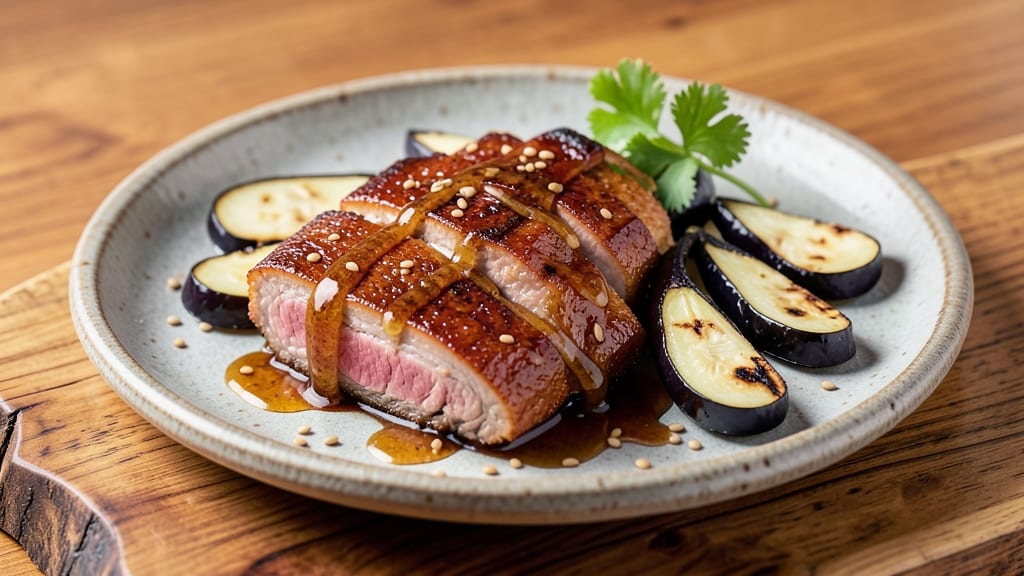
This miso pork and eggplant stir-fry delivers a perfect balance of savory, sweet, and umami in every bite—exactly the kind of dish that transforms a simple weeknight dinner into something memorable. 💛 As someone who's spent years perfecting pork dishes at Atlanta's Smoky Pig, I know how to get the texture right: tender pork that stays juicy and eggplant that becomes silky rather than mushy.
The miso paste doesn't just add flavor—it creates that signature depth that makes this dish unforgettable.
The beauty of this recipe lies in its simplicity: just a handful of ingredients that come together in 20 minutes with minimal prep.
We'll start by marinating the pork in a mix of miso, soy sauce, and a touch of honey to create that perfect caramelized crust, then stir-fry everything together until the eggplant reaches that ideal silky texture. The secret?
Cooking the eggplant separately first so it doesn't turn to mush in the pan.
What you'll end up with is a dish that's rich yet light, packed with umami but not overpowering—each bite offers tender pork, velvety eggplant, and a glossy sauce that ties everything together.
The aroma alone will have everyone at the table asking what's for dinner. This is the kind of recipe that proves you don't need complicated techniques to create restaurant-quality results at home.
Serve it over steamed rice for the full experience, or pair with a crisp green salad to balance the richness. The leftovers actually taste better the next day as the flavors meld even more. Here's how to make it—step by step, just like I've been teaching home cooks for years.
Ingredients for miso pork eggplant
Just 14 ingredients transform simple pork and eggplant into restaurant-quality umami magic.
| Ingredient | Amount | Notes |
|---|---|---|
| Boneless Pork Shoulder 🥩 | 1 lb | Cut into 1-inch cubes |
| Japanese Eggplant 🍆 | 2 medium | Or 1 large Italian eggplant |
| White Miso Paste 🧈 | 2 tbsp | High-quality, fermented miso |
| Soy Sauce 🥄 | 2 tbsp | Use light soy sauce |
| Honey 🍯 | 1 tbsp | For caramelized crust |
| Sesame Oil 🫒 | 1 tbsp | For aroma, not cooking |
| Garlic Cloves 🧄 | 4 cloves | Minced for marinade |
| Fresh Ginger 🌿 | 1 tbsp | Grated, for depth |
| Neutral Oil 🫒 | 2 tbsp | Avocado or vegetable oil |
| Green Onions 🧅 | 3 whole | Sliced, for garnish |
| Sesame Seeds 🌾 | 1 tbsp | Toasted, for crunch |
| Steamed White Rice 🍚 | 2 cups | Cooked, for serving |
| Salt 🧂 | ½ tsp | Kosher or sea salt |
| Black Pepper 🌶️ | ¼ tsp | Freshly ground |
The eggplant is the star here—Japanese eggplant has thinner skin and fewer seeds, so it gets silky without turning mushy. Whole Foods or Asian markets carry it, but Italian eggplant works too—just cut it smaller so it cooks faster. Look for firm, heavy eggplants (that means ripe!). The pork should be well-marbled shoulder—it stays juicy while the fat renders into crispy bits. Pre-cut pork from the deli section saves time, but if you're buying a whole shoulder, ask the butcher to trim off the fat cap first. For the miso, Miso Master or Hikari brands are my go-tos—they've got that deep, fermented punch that cheap miso can't match.
No Japanese eggplant? Italian eggplant is your best swap—just slice it thinner. Short on sesame oil? Toast the seeds in a dry pan first for that nutty aroma without using the oil. The honey in the marinade is non-negotiable—it helps caramelize the pork while balancing the saltiness. Sub agave or maple syrup if you're avoiding honey, but it won't be quite the same. For the rice, jasmine or sushi rice holds up better to the rich sauce than basmati. And if you're making this ahead, marinate the pork overnight—the flavors get even deeper. The green onions? Buy the thickest bunch you can find—they stay crunchy longer when sliced thin.
Eggplant keeps 3 days in the fridge, but it's best used fresh. The pork marinade can sit up to 24 hours in the fridge—flavors only improve. If you're cooking ahead, stir-fry the eggplant first, then refrigerate it separately from the pork marinade. Reheat both gently in a pan with a splash of water to keep them silky. Leftovers? Double the batch—this tastes even better the next day as the miso and soy sauce meld together. Store in airtight containers for 4 days or freeze for 3 months. The rice? Cook it fresh the day you serve—it's the perfect blank canvas for soaking up all that umami goodness.
Why You'll Love This Recipe
- One-Pan Magic: I swear by this recipe when I’m too tired to wash dishes. The pork and eggplant roast together, soaking up the miso-sweet glaze—just flip once, let the oven do the work, and you’re left with sticky, caramelized goodness. No chopping boards to scrub, no pans to dry.
- Umami Bomb: That first bite? Rich, salty, and just a hint of sweet—thanks to the white miso and honey playing tag with the soy sauce. The eggplant gets tender but holds its shape, while the pork stays juicy, almost falling apart. It’s the kind of flavor that makes you reach for seconds without thinking.
- Weeknight Workhorse: Between us, this is my go-to when I need something hearty but not heavy. Double the batch, store it in the fridge, and reheat for lunch the next day—still tastes fresh. Or serve it over rice for a quick dinner, or even slice it cold for a picnic. It’s that adaptable.
- Budget Stretch: Pork shoulder is cheap, eggplant is affordable, and a little miso goes a long way. I’ve made this feed four people for under $15, and it’s the kind of dish that makes you feel like you’re eating fancy without breaking the bank. Plus, leftovers reheat like a dream—no dry edges here.
Step-by-step instructions for miso pork and eggplant stir-fry
Here's how to create a restaurant-worthy stir-fry with tender pork and silky eggplant.
🍳 Step 1: Marinate the Pork for Maximum Flavor
Cut the 1 lb boneless pork shoulder into 1-inch cubes and place them in a bowl. In a separate small bowl, whisk together 2 tbsp white miso paste, 2 tbsp soy sauce, 1 tbsp honey, 1 tbsp sesame oil, 4 minced garlic cloves, 1 tbsp grated fresh ginger, 0.5 tsp salt, and 0.25 tsp black pepper. Pour this marinade over the pork and toss gently to coat completely.
Let the pork marinate at room temperature for 20-30 minutes. This gives the miso and soy sauce time to penetrate the meat, ensuring deep umami flavor in every bite. Don't skip this step—it makes all the difference. While it marinates, prep your eggplant by cutting the 2 medium Japanese eggplant into 1-inch chunks and sprinkling them lightly with 0.25 tsp salt. This helps draw out bitterness and excess moisture.
🍳 Step 2: Cook the Pork Until Golden and Tender
Heat 2 tbsp neutral oil in a large skillet or wok over medium-high heat until shimmering. Add the marinated pork in a single layer and let it cook undisturbed for 3-4 minutes until golden brown on the bottom. This initial sear locks in juices and creates that beautiful caramelized crust.
Stir the pork occasionally for another 4-5 minutes until it's cooked through and no longer pink in the center. You'll know it's ready when the edges are crispy and the internal temperature reaches 160°F. Remove the pork from the skillet and set it aside on a plate. Keep it warm while you prepare the eggplant—just tent it loosely with foil.
🍳 Step 3: Stir-Fry the Eggplant Until Silky and Caramelized
In the same skillet (no need to clean it—the browned bits add flavor), add the salted eggplant chunks. Cook over medium heat for 8-10 minutes, stirring occasionally, until the eggplant softens and develops a golden-brown crust. The key here is patience—you want the eggplant to become tender and slightly caramelized, not mushy.
About halfway through cooking, add 1 tbsp honey to the skillet. This helps create a beautiful caramelized glaze on the eggplant while balancing the saltiness. You'll see the eggplant release its moisture, which will evaporate as it cooks down. Once the eggplant is tender and slightly sticky from the honey, remove it from the skillet and set it aside with the pork.
🥘 Step 4: Combine and Finish with Aromatics
Return the skillet to medium heat and add the 3 sliced green onions and the remaining 1 tbsp sesame oil. Stir-fry for 30 seconds until the green onions soften slightly and release their aroma. This adds freshness to balance the rich miso flavors.
Now, return both the pork and eggplant to the skillet. Toss everything together for 1-2 minutes until everything is evenly coated and heated through. The residual heat from the pork and eggplant will help meld all the flavors together perfectly. Taste and adjust seasoning if needed—you might want to add a splash of soy sauce or a drizzle of honey for balance.
🍽️ Step 5: Serve Over Steamed Rice with Garnish
Transfer the stir-fry to a serving platter and spoon the 2 cups steamed white rice underneath, spreading it evenly. Garnish with 1 tbsp toasted sesame seeds and any remaining green onion slices. The sesame seeds add a delightful crunch that contrasts beautifully with the silky eggplant and tender pork.
Serve immediately while everything is hot. The miso pork and eggplant stir-fry should have a perfect balance of sweet, salty, and umami flavors with a satisfying texture contrast between the crispy pork, tender eggplant, and fluffy rice. Enjoy with a side of steamed greens or a simple cucumber salad for a complete meal!
Pro Tips For Making Miso Pork Eggplant
- CHAR THE EGGPANT FIRST: Japanese eggplant has thick skin that hides bitterness—don’t skip the char. Sear the whole eggplant cut-side down in a dry pan over medium-high heat until blackened in spots (about 3-4 minutes per side). This step actually softens the flesh and deepens the umami when you later simmer it in the miso-soy sauce—trust me, the texture and flavor pay off.
- SLICE THE PORK THIN AND REST IT: Thinly sliced pork shoulder (about ¼-inch thick) cooks faster and stays tender, but here’s the catch: slice it against the grain and let the raw slices sit uncovered on a plate for 20 minutes before cooking. This prevents them from curling up in the pan and ensures even cooking—no more chewy bits in an otherwise perfect dish.
- DILUTE THE MISO PASTE: White miso is potent, and undiluted paste can make your sauce grainy or overpowering. Mix 2 tablespoons of miso with 1 tablespoon of warm water (not boiling) before adding it to the pan with soy sauce and honey. This smooths out the texture and lets the flavors meld properly—no clumpy surprises in your glaze.
- DON’T OVERCOOK THE PORK: Pork shoulder turns rubbery fast once it hits 160°F, and this recipe relies on tender slices. Pull them from the pan as soon as they’re just cooked through (internal temp around 145°F) and let them rest 2 minutes before adding to the eggplant. Overcooking them turns this dish from melt-in-your-mouth to tough—your future self will notice.
Creative variations of this dish
Japanese-Inspired Twist
For a more authentic umami kick, swap the white miso for red miso paste—it's richer and deeper in flavor. I like Miso Master Red Miso from specialty stores.
Add 1 tbsp mirin to the marinade for that classic Japanese sweetness, and finish with 1 tsp grated daikon radish instead of ginger. Serve with steamed shiitake mushrooms on the side for an extra layer of earthy flavor. 🍵
Spicy Korean Fusion
Turn this into a fiery Korean-style dish by adding 1 tbsp gochujang (Korean chili paste)> to the marinade and tossing in ½ cup julienned Korean radish (mu) after cooking. Garnish with toasted sesame seeds and sliced scallions.
For extra heat, sprinkle 1 tsp crushed red pepper flakes> over the top. Serve with steamed rice and kimchi> for the full experience.
Sweet and Tangy Thai Adaptation
Give it a Thai twist by adding 1 tbsp fish sauce> and 1 tsp palm sugar> to the marinade. Stir-fry with 1 tbsp minced lemongrass> and 1 kaffir lime leaf>, then finish with thinly sliced Thai basil> and crushed peanuts>.
The tangy, spicy, and sweet flavors will transport you to a Bangkok street market. 🌶️
Vegetarian Swap
Skip the pork entirely and use extra-firm tofu> pressed and cubed, or mushroom stems> like shiitake or oyster for a meaty texture. Marinate the tofu in the same miso-soy-honey mixture for 30 minutes>, then pan-fry until golden.
The eggplant stays the star, but the dish becomes heartier with chickpeas or edamame> stirred in at the end.
Slow-Cooked Version
For a hands-off approach, simmer the marinated pork and eggplant in ½ cup chicken broth> with the miso marinade in a Dutch oven at 325°F for 2 hours>. The flavors meld beautifully, and the eggplant becomes even silkier.
Finish by adding 1 tbsp cornstarch> mixed with water to thicken the sauce slightly. Perfect for busy weeknights when you want flavor without fuss. 🍲
Breakfast Adaptation
Turn this into a hearty breakfast by serving it with scrambled eggs> and crispy hash browns>. The miso pork adds a savory depth that pairs perfectly with the richness of eggs.
For extra protein, top with crumbled bacon or a fried egg>. It's a game-changer for weekend brunch—trust me, my farmhands love it after a long morning of feeding the pigs. 🍳
Nutrition facts
Frequently asked questions
Can I use regular eggplant instead of Japanese eggplant?
Yes, but you'll need to adjust the cooking time and prep. Italian eggplant works best—cut it into ½-inch chunks instead of 1-inch so it cooks faster and doesn't turn mushy. Salt it well and let it sit for 10 minutes before cooking to remove excess moisture. The skin will be slightly tougher, but the texture will still be delicious when properly caramelized.
What's the best way to store leftovers?
Store in an airtight container in the fridge for up to 4 days. The flavors actually improve as the miso and soy sauce meld together! For reheating, warm gently in a skillet with a splash of water or broth to keep the eggplant silky. You can also freeze portions for 3 months—thaw overnight in the fridge before reheating.
Can I make this recipe without sesame oil?
Skip the sesame oil in the marinade, but toast 1 tbsp sesame seeds in a dry pan until golden for garnish. For extra aroma, add ½ tsp ground coriander or 1 tsp toasted cumin to the pork marinade. The dish will still be delicious—sesame oil just adds that signature nutty depth.
Why does my eggplant turn out mushy?
This usually happens from overcrowding the pan or cooking too long. Always cook eggplant in batches if needed, and use medium heat (not high) to prevent steaming. Also, salt the eggplant 10 minutes before cooking to draw out moisture. For extra insurance, pat it dry with a paper towel before stir-frying.
What's the best rice to serve with this?
Jasmine or short-grain rice works best—it's sticky enough to hold up to the rich sauce. For extra authenticity, try sushi rice cooked with a touch of rice vinegar. Avoid basmati as it's too dry and won't absorb the flavors as well. Cook 2 cups uncooked rice (about 4 cups cooked) to give everyone a generous portion.