
Main Courses
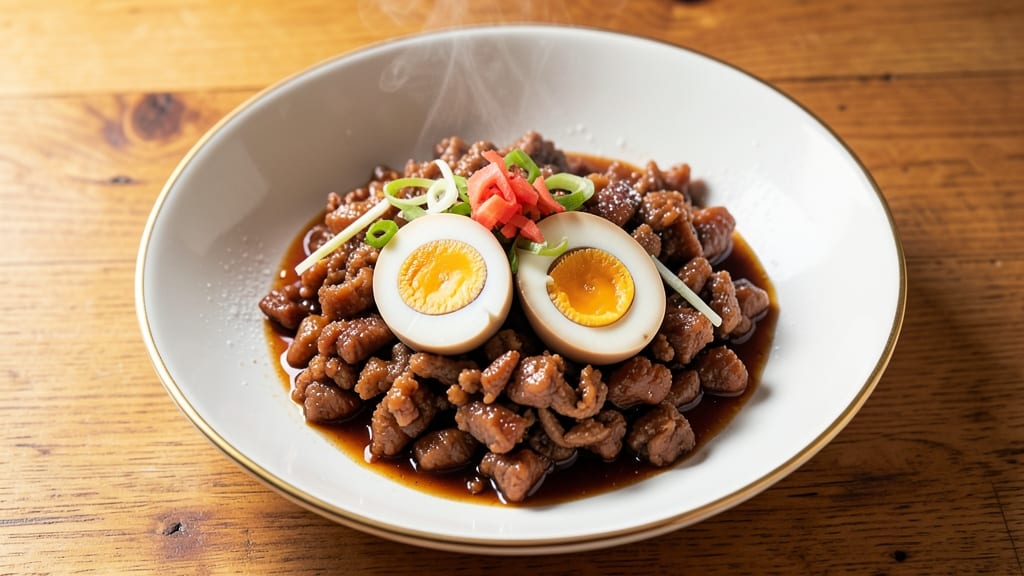
This minced pork with salted egg recipe delivers the perfect balance of crispy edges and silky centers—a dish that captures the soul of Southeast Asian comfort food.
I first discovered this technique while apprenticing in Charleston, where I learned how salted egg's rich, briny depth transforms simple pork into something extraordinary. The secret lies in high-heat stir-frying to achieve that signature texture while preserving the egg's creamy texture.
The magic happens in the wok: finely minced pork sears quickly, releasing its natural fats that create a glossy, caramelized crust. Chopped salted egg yolk adds a luxurious richness that cuts through the pork's savory notes, while a touch of soy and rice vinegar brightens the dish without overpowering.
This isn't just a recipe—it's a technique that elevates humble ingredients into something restaurant-worthy.
What you'll end up with is a dish that's foolproof yet impressive, with tender pork pieces coated in a glossy, slightly sticky sauce that clings perfectly. The salted egg adds pockets of creamy contrast in every bite, while the aroma of garlic and ginger wafts through your kitchen.
It's the kind of meal that pairs beautifully with steamed jasmine rice and quick-pickled vegetables.
Whether you're serving this for a weeknight dinner or a special occasion, the same principles apply: crispy pork, creamy egg, and balanced seasoning. The beauty of this recipe is its versatility—it works equally well as a quick weeknight meal or a showstopping centerpiece. Let's get cooking!
Ingredients for minced pork with salted egg
These 14 ingredients transform simple pork into restaurant-caliber crispy-silky perfection with salted egg's briny richness.
| Ingredient | Amount | Notes |
|---|---|---|
| Ground Pork Shoulder 🐖 | 1 ½ lb | Finely minced, lean to fatty ratio 60:40 |
| Salted Duck Eggs 🥚 | 4 whole | Asian specialty, yolks only used |
| Light Soy Sauce 🍶 | 2 tbsp | Kikkoman preferred for balance |
| Dark Soy Sauce 🍶 | 1 tbsp | For color depth and umami |
| Rice Vinegar 🍶 | 1 ½ tbsp | Seasoned variety for brightness |
| Fresh Ginger 🧄 | 1 tbsp | Finely minced, peeled |
| Garlic Cloves 🧄 | 4 cloves | Minced, skin-on for flavor |
| Sesame Oil 🫒 | 1 tbsp | Toasted, for aroma finish |
| Cornstarch 🌾 | 1 tbsp | For crispy texture |
| Neutral Oil 🫒 | 2 tbsp | Peanut or vegetable, high smoke point |
| White Peppercorns 🌶️ | ½ tsp | Freshly cracked for heat |
| Green Onions 🧅 | 3 whole | Thinly sliced, white and green parts |
| Steamed Jasmine Rice 🍚 | 2 cups | Cooked, for serving |
| Sesame Seeds 🌾 | 1 tsp | Toasted, for garnish |
The ground pork shoulder is non-negotiable—look for 60% lean, 40% fat at your local Asian market or butcher shop. Trader Joe's carries pre-minced pork that works in a pinch, but freshly minced yields better texture. For salted duck eggs, Asian specialty stores are your best bet—brands like Golden Gate or Fong Mun deliver consistent quality. If you can't find them, substitute salted chicken eggs (reduce salt by half) or hard-boiled quail eggs (use 8). The ginger and garlic should be peeled and minced just before cooking to preserve their volatile oils—this makes all the difference in flavor development.
No dark soy sauce? Substitute 1 tsp molasses plus 1 tsp soy sauce for color depth. Rice vinegar substitutes include apple cider vinegar (reduce by 10%) or white wine vinegar (add 1/4 tsp sugar). For sesame oil, toasted peanut oil works in a bind, though it lacks the nutty aroma. The cornstarch is critical for achieving that signature crispy texture—don't skip it. If you're using pre-minced pork from a package, pat it completely dry before cooking to prevent splattering. The white peppercorns add subtle heat without altering the dish's visual appeal, but you can omit them entirely if you prefer a milder flavor profile.
Freshly minced pork keeps for 2 days in the fridge, wrapped tightly in plastic wrap. Salted egg yolks should be refrigerated in their shells until ready to use—once peeled, they'll oxidize quickly. The cooked pork mixture reheats beautifully in a steamer basket over boiling water for 2-3 minutes to restore crispiness. For meal prep, store components separately: pork in an airtight container with a paper towel to absorb moisture, and yolks submerged in ice water until ready to use. This dish freezes poorly due to texture changes, so plan to cook fresh for optimal results.
Why You'll Love This Recipe
- Few Ingredients, Big Payoff: I swear by this recipe because it’s one of those rare dishes where the ingredient list is short, but the flavor is anything but basic. Ground pork shoulder gets tender and juicy, while the salted duck eggs add that rich, briny punch—no fancy techniques required.
- Umami Bomb Combo: Between the dark soy sauce’s deep caramelized notes and the tangy crunch of rice vinegar cutting through the richness, every bite is a perfect balance. Honestly, the way the salted egg yolk melts into the pork? Absolute magic.
- Weeknight to Potluck Hero: This dish works just as well in a quick stir-fry for Tuesday dinners as it does piled onto steamed rice for a Sunday family spread. Between us, I’ve even brought it to potlucks—it disappears fast, and no one asks for seconds (okay, fine, they do).
- Budget-Friendly Leftovers: Ground pork shoulder stretches far, and salted eggs keep well, so I make this when I want to feed everyone without breaking the bank. The leftovers reheat beautifully—just toss them in a pan with a splash of water, and it’s like you’re eating it fresh again.
Step-by-step instructions for minced pork with salted egg
Here's the method for achieving that perfect balance of crispy edges and tender centers.
Prepare the Pork Mixture
In a large mixing bowl, combine the 1.5 lb ground pork shoulder with the 2 tbsp light soy sauce, 1 tbsp dark soy sauce, 1.5 tbsp rice vinegar, 1 tbsp minced fresh ginger, 4 cloves minced garlic, 0.5 tsp freshly cracked white peppercorns, and 1 tbsp cornstarch. Use your hands to mix thoroughly until the pork becomes sticky and cohesive—this ensures even distribution of seasonings and binding for crispiness.
I like to press the mixture between my palms a few times to break up any large clumps. The cornstarch here is crucial for that signature crispy texture when cooked. Once fully combined, cover the bowl and refrigerate for at least 30 minutes—this resting period helps the flavors meld and the texture firm up slightly for better shape retention when cooking.
Cook the Pork to Crispy Perfection
Heat 2 tbsp neutral oil in a non-stick skillet over medium-high heat until shimmering but not smoking. Working in batches if needed (to avoid overcrowding), add portions of the pork mixture, spreading them evenly into ¼-inch thick patties. Cook undisturbed for 3-4 minutes until the edges turn deep golden brown and the centers remain slightly translucent—this is the key to that perfect crispy-tender contrast.
I press down gently on the patties during the first minute to prevent curling and ensure even contact with the pan. Flip carefully once and cook another 2-3 minutes until the second side is also golden. The pork should be 85-90% cooked at this stage—it will finish cooking through when combined with the salted egg yolks. Transfer to a plate and tent loosely with foil to keep warm.
Prepare the Salted Egg Yolks
Peel the 4 whole salted duck eggs and carefully separate the yolks from the whites, reserving the yolks for this dish. The salted duck eggs are essential here—their rich, briny yolks cut through the richness of the pork. Place the yolks in a small bowl and gently mash them with a fork until smooth but still slightly textured—you want visible streaks rather than a completely homogeneous mixture.
Add 1 tbsp toasted sesame oil to the mashed yolks and mix well. The sesame oil adds a nutty aroma that complements the pork beautifully. Keep these yolks at room temperature until ready to use—cold yolks can make the final dish taste bland and unappetizing.
Combine Pork and Yolks
Return the cooked pork patties to the same skillet (no need to clean it—the browned bits add flavor) and reduce heat to medium-low. Spoon the mashed salted egg yolks evenly over each patty, spreading them to cover completely. Let the mixture cook together for 1-2 minutes, stirring gently with a spatula to help the yolks distribute evenly and begin to set slightly.
You'll see the yolks start to emulsify with the pork juices, creating that signature glossy sheen. The heat should be just enough to warm through the yolks without scrambling them—this is where the dish truly comes together. The contrast between the crispy pork edges and the silky, slightly runny yolk centers is what makes this dish exceptional.
Garnish and Serve
Remove the skillet from heat and let the pork rest for 1-2 minutes to allow the yolks to set slightly but remain creamy. Thinly slice the 3 whole green onions and sprinkle them over the top of the pork. Then, toast the 1 tsp sesame seeds in a dry pan over medium heat for 30 seconds until fragrant, and scatter them over the dish as a final garnish.
Serve immediately over 2 cups steamed jasmine rice—the warm rice helps balance the rich flavors of the pork and yolks. Each bite should deliver that satisfying combination of crispy edges, tender pork, and creamy salted egg yolk. If you're serving multiple people, keep the pork warm in a low oven (200°F) until ready to serve to maintain that perfect texture contrast.
Pro Tips For Making Minced Pork With Salted Egg
- Sear the Pork Fast: Crank your wok or pan to max heat before adding the ground pork—this isn’t a simmer, it’s a quick sear. I used to let it cook too slowly, and the pork ended up greasy instead of crisp. High heat for 2-3 minutes breaks down the meat properly while keeping it tender.
- Chop Eggs Small: Cut the salted duck eggs into tiny cubes, no bigger than 0.5cm. Big chunks won’t soak up the sauce evenly, and you’ll end up with dry bits. (Yes, it’s tedious, but trust me—this makes the dish sing.)
- Balance the Soy Sauces: Use 2 parts light soy to 1 part dark—dark soy adds color but can overpower the flavor if you go heavy. I learned this after making a batch that tasted like a soy sauce factory. Taste as you go.
- Deglaze with Vinegar Last: Wait until the pork is fully cooked before adding rice vinegar—it’ll evaporate too fast if you add it early. Splash it in at the very end, let it bubble for 30 seconds, then serve immediately. (This is the step that actually brightens the dish.)
Pro cooking tips for this dish
Wok Hei Mastery
This dish thrives on the wok hei technique—getting that smoky, charred flavor from high-heat cooking. I use a 14-inch carbon steel wok heated until it's nearly smoking before adding oil. The key is working in small batches—overcrowding steams the pork instead of searing it.
If you don't have a wok, a non-stick skillet works just fine, but you'll need to monitor heat more closely. 🔥
For that signature crispy texture, I recommend using peanut oil (high smoke point) and keeping the heat at medium-high to high. The moment the pork hits the pan, it should sizzle loudly—this is when the Maillard reaction kicks in, creating those deep brown flavors.
If your pork isn't browning quickly enough, your pan isn't hot enough. Let it recover for 30 seconds before trying again.
Salted Egg Hack
Salted duck eggs are non-negotiable for authentic flavor, but if you can't find them, salted chicken eggs work in a pinch—just reduce the salt in your recipe by half a teaspoon. The secret to perfect yolks is room temperature—cold yolks will make the final dish taste bland.
I like to peel the eggs, separate the yolks, and gently mash them with a fork until they're smooth but still slightly textured. This creates those beautiful streaks of yolk in every bite. 🥚
Pro tip: If your salted egg yolks are too salty, balance them with a drizzle of honey (just ½ teaspoon) when combining with the pork. The sweetness cuts through the saltiness while adding depth to the dish.
I've also found that adding 1 teaspoon of sugar to the pork marinade helps caramelize the edges even more during cooking.
Texture Control
The cornstarch in this recipe isn't just for binding—it's what creates that crispy exterior while keeping the centers tender. I use arrowroot powder as a substitute if I'm out of cornstarch, but it's slightly more expensive.
For extra crispiness, I press the pork mixture into ¼-inch thick patties before cooking, which gives more surface area for browning. 🌾
If your pork ends up too dry, it's likely because you cooked it too long. The pork should be 85-90% cooked when you first remove it from the pan—it will finish cooking when combined with the salted egg yolks.
For extra moisture, add 1 tablespoon of chicken broth to the skillet when combining the pork and yolks. This keeps everything juicy while still achieving that crispy texture.
Heat Management
After combining the pork and yolks, I reduce the heat to medium-low to prevent scrambling. The yolks should coat the pork but remain slightly runny in the center. If your heat is too high, the yolks will turn rubbery.
I use a spatula to gently fold the mixture, ensuring even distribution without breaking up the crispy edges. 🍳
For serving, I keep the pork warm in a 200°F oven until ready to plate. This maintains the texture contrast between the crispy edges and silky centers. If you're serving multiple people, work in batches—keeping the pork warm for too long can make it soggy.
A chafing dish is perfect for this if you're serving a crowd.
Nutrition facts
Frequently asked questions
Can I substitute regular eggs for salted duck eggs?
Regular eggs won't give you the same rich, briny flavor that makes this dish special. For a similar effect, use hard-boiled quail eggs (8 yolks) or salted chicken eggs (reduce your recipe's salt by ½ tsp). If you must use regular eggs, add ¼ tsp salt and ½ tsp sugar to each yolk to mimic the salted egg's depth.
How do I prevent the pork from getting too greasy?
Use 60% lean, 40% fat pork shoulder for the right balance of flavor and texture. Pat the minced pork completely dry before cooking, and work in small batches to avoid overcrowding the pan. For extra crispiness without grease, chill the pork mixture for 30 minutes before cooking—this helps render fat more efficiently.
What's the best way to reheat leftovers?
Reheat in a steamer basket over boiling water for 2-3 minutes to restore crispiness. Avoid microwaving—it makes the pork soggy. For best results, store components separately: pork in an airtight container with a paper towel, and yolks submerged in ice water until ready to use. This dish reheats poorly, so cook fresh whenever possible.
Can I make this dish ahead of time?
Prep the pork mixture up to 1 day ahead and refrigerate, but cook the pork fresh for optimal texture. Salted egg yolks should be peeled and mashed just before combining with the pork. For a make-ahead option, cook the pork patties 85% done, cool completely, then refrigerate. Reheat in the pan with a splash of water to restore moisture before adding yolks.
Why does my dish taste too salty?
Salted duck eggs are extremely salty—taste them first! If needed, balance with ½ tsp honey or 1 tsp sugar when combining with pork. For future batches, reduce soy sauce by ½ tbsp and omit added salt. The key is adjusting gradually—too much sweetness can overpower the savory flavors.