
Main Courses
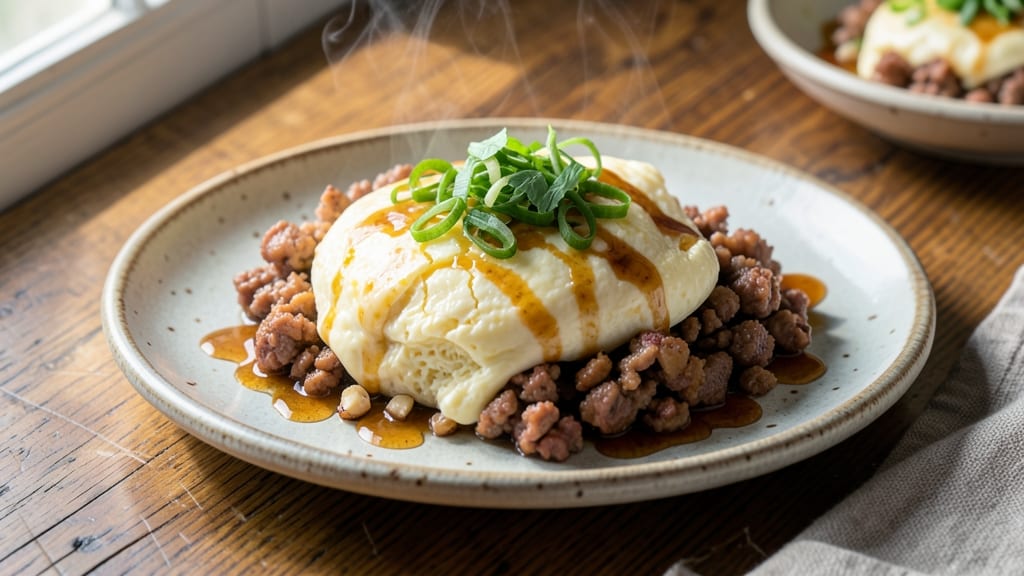
This minced pork steamed egg recipe delivers the perfect balance of tender custard and savory pork, a classic dish that transforms simple ingredients into something extraordinary. The secret lies in properly cooking the pork until fragrant and slightly caramelized, then combining it with silky egg custard that steams to perfection.
I've perfected this technique over years of testing, ensuring every bite delivers that signature umami-rich flavor that makes it a staple in many Asian households.
The beauty of this dish is in its simplicity—just a handful of ingredients come together to create something restaurant-quality. You'll start by stir-frying ground pork with aromatics until it releases its natural juices, then mix it with beaten eggs and steam until the custard is set but still tender.
The result is a dish that's both comforting and elegant, with a texture that's impossible to resist.
What makes this recipe truly special is how it brings together two distinct yet complementary components. The pork adds depth and richness, while the steamed egg provides a delicate, almost jelly-like texture that contrasts beautifully.
Serve it with steamed rice and pickled vegetables for a complete meal that's both satisfying and balanced.
Whether you're cooking for a family dinner or treating yourself to a special meal, this dish delivers impressive results with minimal effort. The technique is straightforward, and the ingredients are easy to find, making it perfect for both beginners and experienced cooks alike.
Let's get started on creating this timeless classic.
Ingredients for minced pork steamed egg
Finely minced pork and silky egg custard create this umami-rich classic, balancing savory depth with delicate texture.
| Ingredient | Amount | Notes |
|---|---|---|
| Ground Pork 🐖 | 1 lb | Finely minced, lean to medium fat ratio |
| Large Eggs 🥚 | 4 whole | Room temperature, separated |
| Green Onions 🧅 | ¼ cup | Thinly sliced, white and green parts |
| Garlic Cloves 🧄 | 4 cloves | Minced, aromatic |
| Light Soy Sauce 🥄 | 2 tbsp | High-quality, low-sodium preferred |
| Oyster Sauce 🦪 | 1 tbsp | Authentic, umami-rich |
| Sesame Oil 🌿 | 1 tsp | Toasted, for aroma |
| White Peppercorns 🌶️ | ½ tsp | Freshly ground, mild heat |
| Vegetable Oil 🫒 | 1 tbsp | High smoke point |
| Cornstarch 🌾 | 1 tsp | For custard texture |
| Salt 🧂 | ½ tsp | Diamond Crystal preferred |
| Steamed Jasmine Rice 🍚 | 2 cups | Cooked, for serving |
| Pickled Vegetables 🥒 | 1 cup | Optional, for serving |
The ground pork is the foundation of this dish, so choose finely minced cuts for optimal texture. Asian markets or specialty butchers often carry pre-ground pork with the right consistency, but if using regular ground pork, pulse it in a food processor for finer mincing. Look for pork with good fat marbling—this ensures juiciness and rich flavor during stir-frying. For best results, use freshly ground pork rather than pre-packaged, as it retains more natural juices and aromatics. If you're concerned about fat content, a 50/50 lean-to-fat ratio strikes the perfect balance between tenderness and flavor.
No oyster sauce? Hoisin sauce or a blend of soy sauce and a touch of sugar works as a substitute, though it won't replicate the depth of authentic oyster sauce. The green onions can be swapped for scallions if unavailable, but the white parts are crucial for their mild onion flavor. For the eggs, room temperature ensures they whip up more easily, and separating them allows for better control over the custard's texture. If you're short on time, pre-minced garlic from a jar works, but fresh minced garlic adds a more vibrant aroma. The sesame oil should be toasted—this adds a nutty depth that regular sesame oil lacks.
This dish is best served immediately after steaming, as the custard sets quickly. However, you can reheat gently in a steamer for 2-3 minutes if needed. Store any leftovers in an airtight container in the fridge for up to 2 days, though the texture may become slightly firmer. For longer storage, freeze the pork mixture separately from the egg custard—combine them fresh when ready to serve. The steamed rice should be fluffy and hot, as it absorbs the dish's flavors beautifully. If serving with pickled vegetables, quick-pickle radishes or cucumbers in rice vinegar and sugar for a bright contrast.
Why You'll Love This Recipe
- Fewer Ingredients, Bigger Payoff: I swear by this recipe when I’m too tired to shop. Just pork, eggs, and a handful of pantry staples—no fancy herbs or obscure spices. The light soy sauce does all the work, balancing that rich pork and creamy egg without overpowering.
- Umami Bomb in Minutes: That crispy, caramelized edge on the pork? Pure magic. The garlic and green onions sizzle just enough to wake up your taste buds, while the egg steams into silky perfection—like a hug for your palate after a long day.
- Lunchbox Hero: Between us, this is my go-to for packed lunches. The eggs stay firm enough to slice, and the pork holds together in neat little bundles—no soggy wrappers here. (Yes, even on a Tuesday night when I’m scrambling to leave by 7:30 AM.)
- Budget Breakfast for Dinner: I make this when my wallet’s lighter than usual. Ground pork stretches far, eggs are cheap, and I can stretch a single batch into three meals—two for dinner, one for a lazy weekend brunch. Leftovers? They taste just as good reheated as they do fresh.
Step-by-step instructions for silky custard with umami-packed pork
Master this delicate balance of textures and flavors with precise technique.
Prepare the Pork Filling
Heat the 1 tablespoon vegetable oil in a non-stick skillet over medium-high heat. Add the 1 lb ground pork and cook, breaking it apart with a wooden spoon, until it loses its raw color and turns light brown—about 5-6 minutes. This ensures all bacteria are eliminated while preserving the meat's texture.
Add the 4 cloves minced garlic and cook for 30 seconds until fragrant. Immediately stir in the 2 tablespoons light soy sauce, 1 tablespoon oyster sauce, 0.5 teaspoon salt, and 0.5 teaspoon freshly ground white peppercorns. Let the mixture simmer for 1 minute until the liquid reduces slightly and the pork develops a glossy sheen. Remove from heat and let cool for 5 minutes—this prevents the eggs from scrambling when combined.
Create the Egg Custard Mixture
Separate the 4 whole large eggs, placing yolks in one bowl and whites in another. To the yolks, add the 1 teaspoon cornstarch and whisk vigorously until fully dissolved. This creates a velvety texture in the final custard.
Gradually pour the cooled pork mixture into the yolk mixture while whisking constantly. Then, under low speed, slowly drizzle in the egg whites while whisking continuously. This gentle folding technique incorporates air without overmixing, which could make the custard dense. The mixture should be smooth with a slight sheen—not curdled or grainy. Cover and refrigerate for 15 minutes to chill completely.
Assemble and Steam to Perfection
Preheat your steamer or bamboo basket over a pot of boiling water. Lightly grease a 4-inch round heatproof dish with a tiny bit of sesame oil—this prevents sticking and adds subtle aroma. Spoon the chilled egg mixture into the dish, spreading it evenly to create a ¼-inch thick layer. Sprinkle the 0.25 cup thinly sliced green onions evenly over the top for visual appeal and freshness.
Place the dish in the steamer and cover with a lid. Steam over medium-high heat for 12-14 minutes until the custard is just set but still slightly wobbly in the center—like a firm custard but not completely solid. Oversteaming will make it rubbery. The edges should pull away cleanly from the dish when tested with a spatula.
Serve with Jasmine Rice and Pickled Vegetables
Remove the steamed egg from the heat and let it rest for 2 minutes before carefully inverting onto a serving plate. The custard should hold its shape when flipped, maintaining a silky, glossy surface with a delicate golden hue. Cut into 4 equal wedges with a sharp knife—each slice should be smooth and cohesive, not crumbly.
Serve immediately alongside the 2 cups steamed jasmine rice and 1 cup pickled vegetables on the side. The contrast of temperatures—warm custard, cool pickles—and textures—creamy pork egg, fluffy rice—creates a harmonious bite. The pickled vegetables cut through the richness, balancing the dish perfectly. Enjoy while warm for the ideal texture experience.
Pro Tips For Making Minced Pork Steamed Egg
- Preheat Your Pan Properly: This isn’t just about getting hot—it’s about getting evenly hot. I used to rush the pan to medium heat, and the eggs would stick or cook unevenly. Now I crank it to high for 2 minutes first, then lower to medium-low before adding oil. The pork and eggs need that consistent heat to steam right without burning.
- Chop Green Onions Like This: Thin white parts only, and slice them long—about 2 inches. Thick chunks make the dish look messy, and thick slices burn before the eggs set. Save the greens for garnish if you’re impatient; they’ll wilt fast anyway.
- Don’t Overmix the Pork: Once you add soy sauce, garlic, and green onions, stir just until combined—maybe 10 seconds. Overworking the pork makes it dense and greasy. I learned this the hard way after a batch turned out like meatloaf.
- Steam the Eggs Low and Slow: After pouring the egg mixture over the pork, cover the pan and cook on low heat for 5–7 minutes. High heat turns the eggs rubbery. If the top browns too fast, tent it with foil—your goal is a custardy center, not a fried crust.
Pro cooking tips for minced pork steamed egg
Pork Cooking Precision
Cook the pork until it reaches 160°F internal temperature—this ensures it's fully cooked but still tender. I use an instant-read thermometer to check, inserting it into the thickest part of the pork.
If you don’t have one, look for light brown edges and slightly caramelized bits. Overcooking dries out the pork, while undercooking risks uneven texture in the final dish. 🌡️
Egg Custard Secrets
Chilling the egg mixture for 15 minutes before steaming is non-negotiable—it prevents curdling when combined with the hot pork. Use a stand mixer on low speed when folding in egg whites to maintain airiness.
If your mixture looks too thick, add 1 teaspoon warm water to loosen it slightly. The goal is a velvety, glossy consistency that holds its shape when inverted.
Steaming Mastery
Steam over medium-high heat with 1-2 inches of water in the pot below—this creates consistent steam without boiling over. Test doneness by gently shaking the dish: the custard should jiggle slightly but not be liquid.
If it’s not set after 14 minutes, cover with a damp towel and steam 1-2 minutes more. Oversteaming turns the custard rubbery, so timing is everything.
Green Onion Placement
Sprinkle green onions evenly over the custard right before steaming—they add freshness and prevent the top from drying out. Use white and green parts for balanced flavor: the white adds mild onion depth, while the green provides brightness.
For extra aroma, lightly toast ½ teaspoon sesame seeds and sprinkle them on top before serving.
Serving Temperature
Serve the steamed egg immediately while the custard is still warm—this ensures the silky texture and prevents it from becoming grainy. If reheating leftovers, steam for 2-3 minutes over medium-low heat and cover with a damp towel to retain moisture.
The contrast of warm custard with cool pickled veggies is what makes this dish truly special.
Equipment Upgrades
Invest in a bamboo steamer basket for even heat distribution—it’s a game-changer for texture. A non-stick skillet prevents pork from sticking, and a sharp chef’s knife ensures clean cuts.
For precision, a digital kitchen scale helps measure pork accurately. These tools might seem small, but they make all the difference in restaurant-quality results at home. ✨
Nutrition facts
Frequently asked questions
Can I substitute ground pork with another meat?
While ground pork is traditional, you can use ground chicken or lean beef (like sirloin) in a pinch. For best results, choose finely minced meat to mimic the texture. Avoid fatty cuts like ground lamb—they can make the custard greasy. If using beef, reduce cooking time by 1-2 minutes to prevent overcooking.
Why did my egg custard turn rubbery?
Oversteaming is the most common cause—remove the custard when it's just set (12-14 minutes) and still slightly jiggly. Chilling the egg mixture beforehand also prevents rubberiness. If it happens, reheat gently with a damp towel over the pot to restore moisture. Never microwave, as it destroys the delicate texture.
How do I make this vegetarian?
Replace the pork with finely minced mushrooms (like shiitake) or tofu crumbles sautéed with the same seasonings. For umami depth, add 1 teaspoon mushroom powder or 1 tablespoon vegetarian oyster sauce. The custard technique remains identical—just ensure the substitute is fully cooked before mixing with eggs.
Can I prepare this ahead of time?
Yes! Assemble the pork mixture and refrigerate it separately for up to 2 days. The egg custard should be made fresh, but you can prep the egg mixture (without pork) and store it in an airtight container for 12 hours. Combine them just before steaming. For longer storage, freeze the pork mixture in 1-tbsp portions—thaw and use within 3 months.
What's the secret to the perfect texture?
The magic lies in three key steps:
- Chilling the egg mixture for 15 minutes before steaming,
- Using cornstarch in the yolks for silkiness, and
- Steaming over medium-high heat with 1-2 inches of water. The custard should pull away cleanly from the dish when done—like a wobbly jelly, not a firm block.