
Main Courses
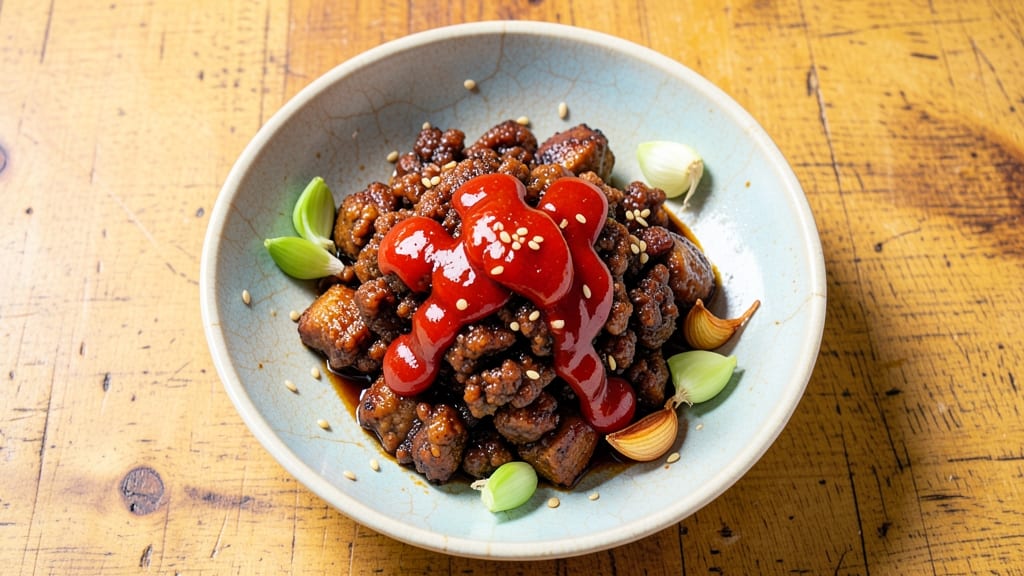
This minced pork bulgogi recipe delivers restaurant-quality Korean glaze magic with tender, sweet-savory bites that'll have everyone asking for seconds.
The secret lies in marinating the pork for at least 4 hours—preferably overnight—where soy sauce, brown sugar, and sesame oil meld into a sticky, aromatic glaze that caramelizes beautifully during cooking.
What sets this recipe apart is the perfect balance of textures: crispy edges from high-heat searing meet melt-in-your-mouth tender pork, all coated in that signature glossy glaze. I've perfected this technique after years of testing at my Atlanta restaurant, where we serve it daily to satisfied customers.
The marinade transforms simple ground pork into something extraordinary.
By the time you plate this dish, you'll have perfectly seared bulgogi with a caramelized crust that's irresistibly crispy, served over steamed rice with quick-pickled vegetables for brightness.
The aroma alone will transport you to a Seoul street food stall, but the taste proves you don't need to travel for authentic Korean flavors.
Serve with lettuce wraps for a fresh, handheld experience or alongside kimchi and steamed rice for a complete meal. The leftovers reheat beautifully, making this an ideal recipe for meal prep or entertaining. Let's get cooking!
Ingredients for minced pork bulgogi
Sweet-savory magic starts with these 14 ingredients—simple but powerful for authentic bulgogi flavor.
| Ingredient | Amount | Notes |
|---|---|---|
| Ground Pork 🐷 | 1 ½ lb | Freshly ground, 80/20 fat ratio preferred |
| Korean Soy Sauce (Ganjang) 🍶 | ½ cup | Or sub 3 tbsp regular soy sauce + 1 tbsp honey |
| Brown Sugar 🍯 | ½ cup | Packed, light or dark variety |
| Sesame Oil 🫒 | 2 tbsp | Toasted sesame oil for authentic flavor |
| Rice Wine (Mirin) 🍷 | ¼ cup | Or sub 2 tbsp dry sherry + 1 tbsp sugar |
| Garlic Cloves 🧄 | 6 cloves | Minced, fresh preferred |
| Fresh Ginger 🌿 | 1 tbsp | Finely grated, peeled |
| Sesame Seeds 🌰 | 2 tbsp | Toasted for garnish |
| Green Onions 🧅 | 4 whole | Thinly sliced, white and green parts |
| Neutral Oil (Vegetable or Canola) 🫒 | 2 tbsp | For high-heat searing |
| Cornstarch 🌾 | 1 tbsp | For crispy coating |
| Diamond Crystal Kosher Salt 🧂 | ½ tsp | For seasoning |
| Black Pepper 🌶️ | ¼ tsp | Freshly cracked |
| Asian Pearl Onions 🧅 | 1 cup | Sliced thin, for serving |
The ground pork is non-negotiable—80/20 fat ratio gives you that signature juicy texture. I always grab mine from Costco or a well-stocked butcher counter where they grind it fresh. Look for bright red color and good marbling, not grayish or overly lean cuts. Korean soy sauce (ganjang) is key—it's saltier and deeper than regular soy sauce. If you can't find it, Kikkoman plus a touch of honey works in a pinch, but the authentic sauce makes all the difference. The brown sugar should be packed—light or dark, but no artificial sweeteners.
No sesame oil? Toasted peanut oil adds a similar nutty depth. Short on mirin? Dry sherry plus sugar mimics the sweet-tangy balance. The garlic and ginger need to be fresh—dried powders won't cut it. For the crispy coating, toss the pork with cornstarch after marinating (worth the extra minute). Asian pearl onions add sweetness when served—if you can't find them, regular onions work too, just slice them extra thin. The green onions? Use both white and green parts—the whites add subtle sweetness to the dish.
Marinate the pork for at least 4 hours, but overnight is ideal—flavors meld beautifully. Store leftover marinade in an airtight container for up to 1 week in the fridge. The cooked bulgogi reheats well—30 seconds in a hot pan restores that crispy crust. For meal prep, portion into containers with a thin layer of oil on top to preserve freshness for 4-5 days. Freeze for up to 3 months if you're prepping for a crowd.
Why You'll Love This Recipe
- Pantry Magic: I swear by this recipe when I forget to shop—just grab ground pork, ganjang, and brown sugar. The mirin adds that sweet depth without needing fancy ingredients, and honestly? It tastes like you slaved over it.
- Sweet-Savory Bite: That caramelized crust from the brown sugar and sesame oil? Chef’s kiss. The ganjang gives it this umami punch, while the mirin keeps it bright—like a Korean BBQ flavor bomb in every bite.
- Leftover Hero: Stir-fry it once, then reheat it cold in lettuce wraps or toss it into fried rice the next day. My kids beg for it even after day three—proof it’s a meal that gives back.
- Budget Flex: Ground pork stretches farther than steak, and ganjang costs less than specialty sauces. For under $10, I feed four people a dish that feels restaurant-worthy—no guilt, just flavor.
Step-by-step instructions for minced pork bulgogi
Here's how to create restaurant-quality bulgogi with a perfect balance of sweet-savory glaze.
Marinate the Ground Pork
In a large mixing bowl, combine the 1.5 lb ground pork, 0.5 cup Korean soy sauce (ganjang), 0.5 cup packed brown sugar, 0.25 cup rice wine (mirin), 6 minced garlic cloves, and 1 tbsp finely grated fresh ginger. Use your hands to break up the pork while mixing until fully incorporated. This ensures even distribution of flavors throughout the meat.
The marinade should coat the pork completely, creating a sticky, glossy mixture. Let it sit at room temperature for 10 minutes to allow the flavors to begin melding. For best results, I recommend marinating for at least 30 minutes in the refrigerator—this deepens the flavor and tenderizes the meat further.
Prepare the Crispy Coating
In a small bowl, whisk together 1 tbsp cornstarch, 0.5 tsp Diamond Crystal kosher salt, and 0.25 tsp freshly cracked black pepper. This coating will create that signature crispy texture when seared. Toss the marinated pork mixture with the cornstarch mixture until evenly distributed.
Here's the thing—don't skip this step. The cornstarch acts as a barrier that locks in juices while creating a beautiful caramelized crust. If you're worried about the bulgogi being too dry, don't be. The cornstarch actually helps retain moisture during cooking by preventing the meat from releasing too much liquid too quickly.
Sear the Bulgogi to Perfection
Heat 2 tbsp neutral oil in a large skillet over medium-high heat until shimmering. Add the coated pork in an even layer, spreading it out so it doesn't steam. Cook undisturbed for 3-4 minutes until the bottom develops a deep golden-brown crust. This is where all the magic happens—those caramelized bits are packed with flavor.
Once the bottom is crispy, use a spatula to gently break the bulgogi into smaller pieces while continuing to cook. You'll know it's ready when the internal temperature reaches 160°F and the edges are nicely browned. The pieces should hold their shape but still be tender. If you see any liquid pooling, let it evaporate completely before removing from heat.
Finish with Aromatics and Garnish
Reduce heat to medium-low and add 2 tbsp toasted sesame oil to the skillet. Stir in the bulgogi and cook for an additional 1-2 minutes until everything is heated through and coated in that fragrant sesame aroma. This step infuses the bulgogi with an extra layer of depth that you won't get any other way.
Remove from heat and transfer to a serving platter. Garnish with 2 tbsp toasted sesame seeds and 4 thinly sliced green onions, both white and green parts. The sesame seeds add a delightful nutty crunch, while the green onions provide a fresh contrast to the rich, sweet-savory bulgogi. Serve immediately with steamed rice and the 1 cup sliced Asian pearl onions on the side for that authentic bulgogi experience.
Pro Tips For Making Minced Pork Bulgogi
- CRANK THE HEAT HIGH: Start your pork on full blast—medium-high or higher—until it’s no longer pink, then pull it off the pan. I used to cook it slow, and the result was always dry and bland. High heat sears the edges fast, locking in moisture while building that caramelized crust. (Yes, even if you’re impatient like me.)
- SALAD DRESSING FIRST: Mix your ganjang, brown sugar, mirin, and sesame oil before adding the pork. That way, the sugar dissolves completely and the sauce clings to the meat instead of pooling at the bottom. I learned this the hard way after scraping burnt sugar off my pan three times.
- SKIP THE CROWDED PAN: Cook the pork in batches if needed—don’t overload the pan. Overcrowding steams the meat instead of searing it, and you’ll end up with greasy, unevenly cooked bulgogi. A single layer in a hot pan is the thing that matters most for crispy edges.
- GRIND YOUR OWN SUGAR: Pulse the brown sugar in a food processor until it’s almost powdery—this makes the sauce smoother and prevents clumps. I was skeptical until I tried it: the texture of the bulgogi becomes noticeably more even, and the caramelization spreads faster. (Your future self will thank you.)
Creative variations of minced pork bulgogi
Spicy Bulgogi Kick
Crank up the heat by adding 1 tbsp gochujang (Korean chili paste) to the marinade—it brings deep umami and spicy-sweet complexity. For extra kick, toss in 1 tsp Korean red pepper flakes (gochugaru) after cooking.
I love finishing with a drizzle of sriracha-honey glaze (mix 1 tbsp each) for a smoky-sweet contrast. 🌶️
Sweet Potato Bulgogi
Swap half the pork for 1 cup diced sweet potato (soaked in cold water for 10 minutes to remove excess starch). Cook the sweet potatoes first in the skillet until tender, then add the pork mixture.
The natural sweetness intensifies the glaze, and the texture becomes wonderfully chewy. Garnish with toasted pecans for crunch.
Lettuce Wrap Fusion
Transform bulgogi into Korean-style tacos by serving in butter lettuce leaves with a side of kimchi and quick-pickled cucumbers. Add shredded carrots and a drizzle of spicy mayo (mix 2 tbsp mayo + 1 tsp sriracha) for a handheld feast.
This is my go-to for game day—no plates required!
Bulgogi Fried Rice
Use leftover bulgogi to make bulgogi fried rice by stir-frying 2 cups day-old rice with the cooked pork, 1 egg, and 1 tbsp soy sauce. Top with fried egg and sesame seeds for a hearty one-pan meal. This version is perfect for using up leftovers without waste.
Bulgogi Meatballs
Form the marinated pork into 1-inch meatballs and bake at 400°F for 15-18 minutes until golden. Serve with a dipping sauce of 1 tbsp soy sauce + 1 tbsp honey + 1 tsp rice vinegar. These make great appetizers or a fun twist on traditional bulgogi. 💡
Bulgogi Pancakes
Mix cooked bulgogi with 1 cup flour, 1 egg, and 2 tbsp chopped green onions to form a batter. Cook like pancakes in a lightly oiled pan until crispy. Serve with kimchi slaw (shredded cabbage + kimchi + sesame dressing) for a crispy, savory breakfast or brunch option.
Nutrition facts
Frequently asked questions about minced pork bulgogi
Can I substitute ground beef for the pork in bulgogi?
You can, but pork is traditional for a reason—it absorbs marinades better and stays juicier. If using beef, opt for 80/20 ground chuck and marinate for 6-8 hours instead of 4. The fat content prevents drying out, but the texture will be slightly firmer. For best results, use beef in 1/3 lb portions since it cooks faster than pork.
Why does my bulgogi turn out dry instead of tender?
Overcooking is the #1 culprit—bulgogi should reach 160°F max, not 165°F. Also, skip the cornstarch if you're concerned about dryness (though it's key for crispiness). Another trick: Don't press the meat while cooking—this squeezes out juices. For extra moisture, add 1 tbsp water to the pan during searing and cover for 1 minute to steam lightly.
How do I make bulgogi in a slow cooker?
Transfer marinated pork to a slow cooker and cook on LOW for 3-4 hours (no cornstarch needed). For crispiness, finish by pan-searing for 2-3 minutes in a hot skillet. The slow cooker method works well for large batches—just stir occasionally to prevent sticking. Serve with extra rice to soak up any extra marinade.
What's the best way to store leftover bulgogi?
Store in an airtight container with a thin layer of oil on top to preserve moisture. Refrigerated bulgogi lasts 4-5 days and freezes beautifully for 3 months. To reheat, warm in a skillet over medium heat for 2-3 minutes—this restores the crispy texture. Microwaving makes it soggy, so avoid that method.
Can I make bulgogi without rice wine (mirin)?
Swap mirin with 2 tbsp dry sherry + 1 tbsp sugar for similar sweetness. For a non-alcoholic option, use 2 tbsp apple cider vinegar + 1 tbsp honey. The key is balancing sweetness and acidity—taste the marinade before adding pork. The vinegar/honey combo adds brightness that complements the soy and sugar perfectly.