
Main Courses
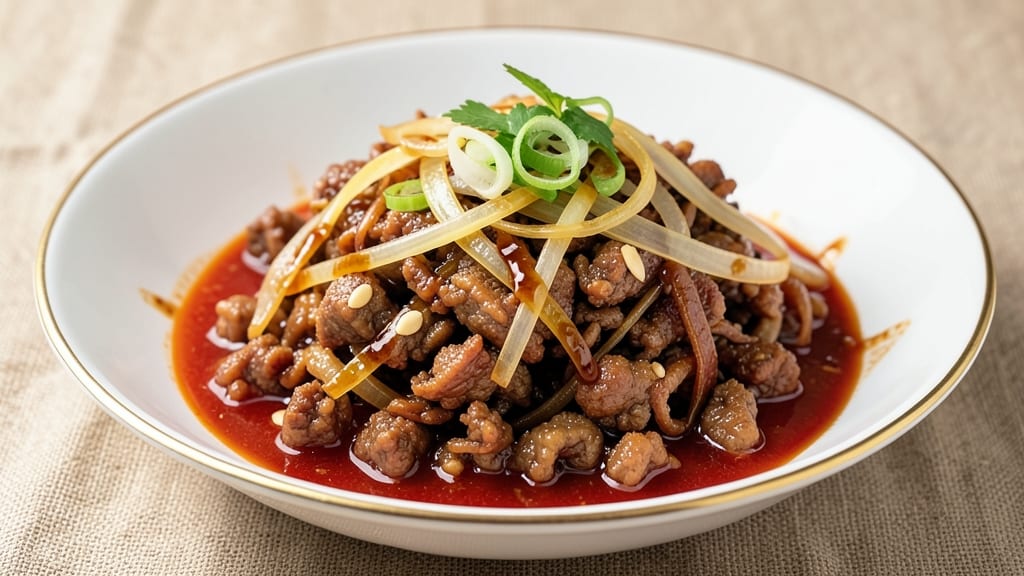
This Filipino mince pork recipe Pinoy delivers the perfect balance of crispy edges and juicy hearts in a single pan—just like my lola used to make.
The secret lies in browning the meat thoroughly before simmering it in a rich blend of soy sauce, vinegar, and garlic, creating layers of flavor that transform simple ingredients into something extraordinary.
What makes this dish special is its versatility—whether you're serving it as a main course with steamed rice or as part of a larger Filipino feast, the technique remains the same.
The pork develops a caramelized crust while staying tender inside, thanks to the slow simmer that infuses every bite with deep, savory notes. It’s the kind of recipe that feels both comforting and impressive, perfect for weeknight dinners or special gatherings.
By the time you’re done, you’ll have a dish that’s crispy on the outside, tender on the inside, and packed with the bold flavors of Filipino cuisine. The aroma alone will have everyone at the table asking for seconds, and the leftovers reheat beautifully for lazy lunches the next day.
This is the kind of meal that brings people together—just like my grandmother’s kitchen always did.
Pair it with garlic fried rice or a simple green salad to round out the meal. The beauty of this recipe is that it’s foolproof, yet feels like a labor of love. Let’s get cooking!
Ingredients for mince pork recipe pinoy
Nine simple ingredients transform into crispy, juicy pork hearts that taste just like lola's.
| Ingredient | Amount | Notes |
|---|---|---|
| Ground Pork 🐖 | 1 ½ lb | Lean or regular, not too fatty |
| Yellow Onions 🧅 | 1 whole | Medium size, finely chopped |
| Garlic Cloves 🧄 | 6 cloves | Freshly minced for best flavor |
| Canned Tomatoes 🍅 | 1 can | 15 oz, crushed by hand |
| Soy Sauce 🍶 | ½ cup | Filipino or regular, no sugar added |
| White Vinegar 🍶 | 2 tbsp | White or apple cider vinegar |
| Brown Sugar 🍚 | 2 tbsp | Packed firmly for accuracy |
| Black Peppercorns 🌶️ | ½ tsp | Freshly ground for heat |
| Vegetable Oil 🫒 | 2 tbsp | For browning pork |
| Salt 🧂 | 1 tsp | Kosher or sea salt |
| Green Bell Pepper 🌶️ | 1 whole | Medium size, sliced (optional) |
| Fresh Chili Peppers 🔥 | 1 piece | Siling labuyo or jalapeño, sliced (optional) |
The pork is everything here—ground pork with some fat keeps it juicy while browning. Filipino soy sauce (like Silver Swan) adds that authentic depth, but regular soy works too. I grab mine at Asian markets or the international aisle at Kroger. For the tomatoes, San Marzano cans are ideal, but any good-quality crushed tomatoes will do. The onions and garlic? Freshly chopped makes all the difference—no pre-minced stuff here.
No soy sauce? Coconut aminos in a pinch, though it won't be identical. Skip the bell pepper if you're short on time—it's just for color and crunch. The vinegar and sugar combo is key for that sweet-savory balance. Brown sugar gives it caramel notes, but white sugar works too. For extra heat, add 1/2 tsp cayenne—trust me, it disappears into the flavor. The pork should be lean but not too dry, so if yours feels too fatty, pat it dry with paper towels before cooking.
This reheats like a dream—5 minutes in a skillet with a splash of water brings back all the crispy edges. Keeps 4-5 days in the fridge or 3 months frozen. I always make a double batch because it disappears fast. Store in an airtight container with a splash of soy sauce on top to keep it moist. Leftovers taste even better the next day—just what you want from a one-pan wonder.
Why You'll Love This Recipe
- Pantry Magic: I swear by this one—no fancy shopping list, just what’s already there. Ground pork, a can of tomatoes, and that jar of soy sauce? That’s my go-to when I’m too tired to chop anything beyond an onion.
- Savory Umami Bomb: Between us, the garlic and soy sauce combo is chef’s kiss. The tomatoes add just enough tang to balance that rich pork flavor—simple, but somehow always hits the spot.
- Lunchbox Hero: Between workouts and school runs, I pack this cold in rice bowls. The flavors only get better the next day—honestly, my kids ask for it more than my "fresh" meals.
- Budget Win: Ground pork stretches forever with onions and tomatoes, and soy sauce makes it taste like a restaurant dish. I’ve fed a houseful for under $10—no guilt, all satisfaction.
Step-by-step instructions for mince pork recipe Pinoy
Here's how to make this classic Filipino dish with perfectly crispy edges and juicy pork every time.
Brown the Ground Pork Properly
Heat the 2 tablespoons vegetable oil in a large skillet over medium-high heat until shimmering. Add all 1.5 lb ground pork and break it up with a wooden spoon, cooking for 5-6 minutes until the meat loses its raw color and starts to brown.
This is where the magic happens - you want those edges to get crispy while keeping the centers juicy. Don't rush this step or the pork will end up dry. I press down gently on the pork during the first 2 minutes to help it cook evenly and prevent it from sticking in one big clump.
Sauté the Aromatics
Push the cooked pork to one side of the skillet and add the finely chopped yellow onions to the empty space. Sauté for 2-3 minutes until softened and translucent. Add the 6 cloves minced garlic cloves and cook for another 30 seconds until fragrant.
Here's where it gets good - scrape up all those browned bits from the bottom of the pan with your wooden spoon. Those bits are packed with flavor that will make your pork taste restaurant-quality. Add the 1 whole sliced green bell pepper and 1 piece sliced fresh chili peppers if using, cooking for 2 minutes until slightly softened.
Build the Sauce Base
Pour in the 1 can crushed canned tomatoes, 0.5 cup soy sauce, 2 tablespoons white vinegar, and 2 tablespoons packed brown sugar. Stir everything together and bring to a gentle simmer over medium heat. Let it cook uncovered for 8-10 minutes until the sauce thickens slightly and the liquid reduces by about one-third. You want it to coat the back of a spoon but still be pourable.
I always give this a taste at this stage to check the seasoning. The sauce should be tangy from the vinegar, slightly sweet from the brown sugar, and umami-rich from the soy sauce. If it needs more salt, add the 1 teaspoon salt now. The 0.5 teaspoon freshly ground black peppercorns can be added here too for that classic Filipino heat.
Finish and Simmer to Perfection
Return the pork mixture to the center of the skillet and stir well to combine everything. Reduce heat to low and let it simmer uncovered for 10-12 minutes, stirring occasionally. You're looking for the pork to be fully cooked through with crispy edges - the sauce should be thick enough to lightly coat the pork but still have some body to it.
The key here is patience. If you walk away and let it simmer gently, the flavors will meld beautifully. You'll know it's ready when the pork pieces are no longer pink in the center and the sauce has reduced to a glossy consistency. The edges should be slightly crispy while the centers remain tender and juicy - that's the perfect balance we're after.
Rest and Serve
Remove from heat and let the pork mixture rest for 5 minutes in the skillet. This resting period allows the juices to redistribute throughout the pork, ensuring every bite is moist and flavorful. I like to give it a final taste and adjust seasoning if needed - sometimes the flavors need just a little more soy sauce or vinegar to come together perfectly.
Serve immediately with steamed rice - the hot rice helps soak up all that delicious sauce. The pork should be tender with crispy edges, and the sauce should be just thick enough to cling to each bite. This dish tastes even better the next day as the flavors continue to develop, so it makes great leftovers too!
Pro Tips For Making Mince Pork Recipe Pinoy
- CRISP THE ONIONS FIRST: Toss finely chopped onions in 1 tablespoon oil and fry them until they’re golden brown—almost caramelized—before adding the pork. I used to skip this, and my dish always tasted raw. The extra 3 minutes upfront makes the whole thing richer.
- USE COLD GARLIC: Mince your garlic cloves fresh and mix them into the pork before cooking—no need to sauté them separately. After burning three batches of garlic, I learned this: cold garlic adds depth without turning bitter. Just toss it in with the raw pork and stir it in later.
- DON’T RUSH THE TOMATOES: Let the canned tomatoes simmer uncovered for 5 minutes after adding them to the pork mixture. This lets the alcohol burn off and the flavors meld. I know, I know—you’re eager to eat—but rushing this step means a sharper, less balanced dish.
- SALT THE PORK TWICE: Season the raw ground pork with 1 teaspoon salt before cooking, then add another ½ teaspoon with the soy sauce halfway through. My grandmother swore by this, and she was right: the pork stays juicy, and the sauce doesn’t overpower.
Creative variations of this recipe
Classic Mechado Style
This is the most traditional Filipino approach to minced pork, where the meat simmers in a rich tomato-soy sauce until tender. The key is using Filipino soy sauce (like Silver Swan) for that authentic umami depth.
I add 1 can (15 oz) crushed tomatoes and let it reduce for 15 minutes on low heat—this builds layers of flavor that make every bite sing. The dish is named mechado from the Spanish mechar, meaning "to skewer," though we cook it in one pot these days. 🍅
Coconut Milk Twist
For a creamier version, stir in ½ cup coconut milk after the initial simmer. This transforms the dish into something closer to kare-kare (though traditionally made with oxtail). I like to add 1 tsp ground cumin and ½ cup shredded coconut for texture.
The coconut milk softens the edges of the pork while adding a velvety richness that pairs perfectly with steamed rice. 🥥
Spicy Silog Version
Turn this into a pork silog by adding 1 cup long-grain rice cooked directly in the skillet with the pork. For extra heat, toss in 2 sliced siling labuyo peppers and a pinch of ground white pepper.
The rice soaks up the sauce, creating a one-pan meal that’s perfect for lazy Sundays. I top it with a fried egg for the ultimate pork silog experience. 🍳
Sweet and Tangy Adaptation
Craving something sweeter? Swap the brown sugar for 3 tbsp pineapple juice and add ½ cup diced pineapple at the end. The acidity brightens the dish, while the fruit adds a refreshing contrast to the savory pork.
This version works especially well with garlic fried rice on the side. I find the pineapple caramelizes beautifully during the final simmer. 🍍
Slow-Cooker Shortcut
For hands-off cooking, transfer everything to a slow cooker after browning the pork. Cook on low for 4-5 hours or high for 2-3 hours, stirring occasionally. The slow cooker keeps the pork incredibly tender while letting the flavors meld.
I add 1 tsp fish sauce for extra depth—it’s a secret my lola swore by. Perfect for busy weeknights! ⏳
Vegetable-Packed Variation
Add 1 cup chopped eggplant, 1 cup green beans, and ½ cup sliced carrots to the skillet with the pork. These veggies absorb the sauce beautifully, turning this into a hearty stew.
I like to add 1 tsp turmeric for color and earthiness. This version is great for meal prep—just reheat and serve with rice. 🥕
Nutrition facts
Frequently asked questions
Can I use ground beef instead of ground pork?
You can substitute ground beef, but the flavor will be different. Ground pork has a more delicate taste that works beautifully with the sweet-savory Filipino sauce. If using beef, opt for 80/20 lean-to-fat ratio to prevent dryness, and reduce cooking time by 2-3 minutes since beef browns faster. The texture will be slightly firmer but still delicious!
What's the secret to crispy edges without drying out the pork?
The key is high heat for browning followed by gentle simmering. Cook the pork on medium-high heat for 5-6 minutes without stirring constantly—let it develop a crust. Then reduce to low heat and simmer uncovered to prevent steam from softening the edges. Press down gently with a spoon during the first 2 minutes of browning to help it cook evenly.
Can I make this in an Instant Pot?
Brown the pork first in a skillet, then transfer everything to your Instant Pot. Cook on high pressure for 10 minutes after adding all ingredients. Quick-release the pressure, then let it sit for 5 minutes before serving. The Instant Pot keeps the pork tender while developing all the flavors. For extra crispiness, finish with 2 minutes in a hot skillet after pressure cooking.
How do I adjust the spice level?
Start with the 1 piece fresh chili pepper in the recipe, then adjust to taste. For milder heat, remove the seeds and membranes before slicing. For extra spice, add ½ tsp cayenne pepper or 1 extra chili pepper. If you love heat, try siling labuyo peppers—they're the hottest Filipino chili! Remember, you can always add more spice at the end, but you can't remove it once it's cooked.
What are the best sides to serve with this?
This dish pairs perfectly with steamed jasmine rice—the classic Filipino combo! For extra flavor, try garlic fried rice or sinigang sayote (a tangy squash soup). Vegetable sides like sautéed string beans or bagoong (fermented shrimp) almonds add texture contrast. My lola always served it with pickled papaya** for that sweet-tangy balance that cuts through the richness.