
Sauces & Condiments
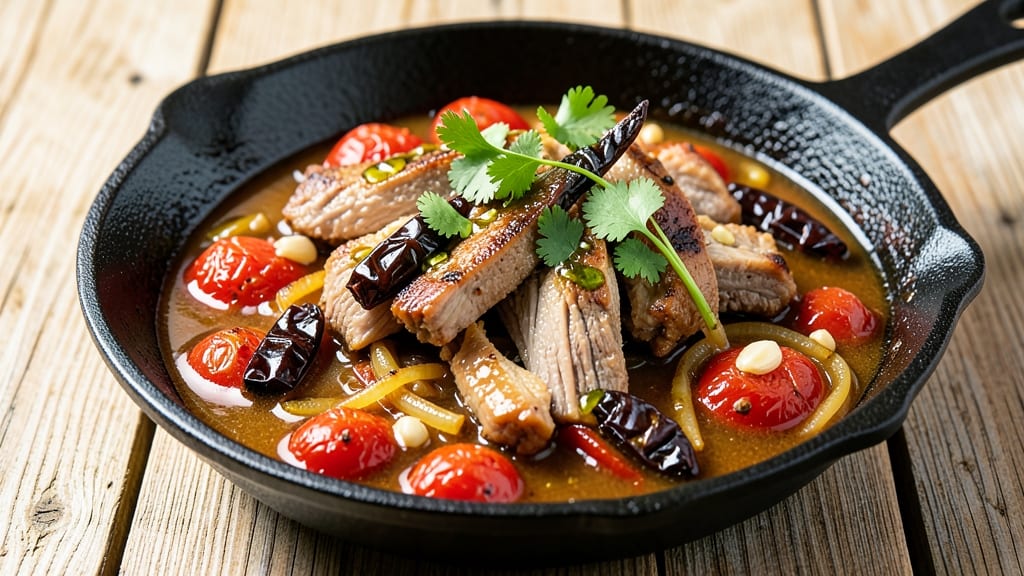
This Mexican pork sauce recipe transforms simple ingredients into a smoky, velvety masterpiece that elevates every dish it touches. The secret lies in slow-simmered chipotle peppers and tomatoes, creating a rich, adobo-inspired base that’s perfect for drizzling over tacos, grilling meats, or even as a dip.
I developed this sauce after years of testing—each batch deeper in flavor than the last—because store-bought versions never quite hit the mark.
The process is straightforward but requires patience: tomatoes, onions, and chipotle peppers build the foundation, while pork broth and spices infuse layers of warmth. The sauce thickens naturally as it simmers, resulting in a smooth, slightly tangy velouté that clings beautifully to protein.
What sets this apart is the balance—smoky without overpowering, rich without being heavy—and it keeps well for up to a week in the fridge.
What you’ll end up with is a versatile, restaurant-quality sauce that’s as impressive as it is easy to make. The deep red color and aromatic steam alone will draw everyone to the table, but the first bite—where the smoky chipotle meets the sweetness of tomatoes—will have them asking for seconds.
This isn’t just a condiment; it’s the star of the meal.
Use it to glaze grilled meats, drizzle over enchiladas, or serve with chips—the possibilities are endless. Let’s get started on creating your own batch of this unforgettable, smoky-sweet sauce.
Ingredients for mexican pork sauce
Six spices, five core ingredients—this smoky-sweet sauce transforms ordinary meals into unforgettable ones.
| Ingredient | Amount | Notes |
|---|---|---|
| Chipotle Peppers in Adobo Sauce 🌶️ | 3 whole | With sauce, minced finely |
| Roma Tomatoes 🍅 | 2 lbs | Ripe, halved for sauce |
| Yellow Onion 🧅 | 1 whole | Medium, diced finely |
| Pork Broth 🥩 | 3 cups | Homemade or quality store-bought |
| Garlic Cloves 🧄 | 6 cloves | Peeled, minced finely |
| Extra-Virgin Olive Oil 🫒 | ½ cup | For richness and balance |
| Ground Cumin 🌿 | 1 tbsp | Toasted for deeper flavor |
| Dried Oregano 🍃 | 1 tsp | Mexican oregano preferred |
| Smoked Paprika 🌶️ | 1 tsp | For extra smokiness |
| Salt 🧂 | 1 tsp | Kosher or sea salt |
The chipotle peppers are the heart of this sauce—look for La Costeña or Goya in the Latin aisle for the best flavor. I always use three whole peppers with sauce, minced finely, because that concentrated smoke is what gives it that restaurant-quality depth. If you can't find fresh chipotles, the canned ones work perfectly, but never skip the adobo sauce—it's packed with flavor. For tomatoes, Roma or San Marzano are ideal—they're meaty and sweet, which balances the smokiness. If you're using store-bought, check the label for no added water or preservatives. The onion and garlic? Fresh is non-negotiable here—dried or powdered won't give you that sweet, aromatic base.
No chipotle peppers? Substitute with 1 tbsp smoked paprika plus 1 tsp liquid smoke, but you'll lose some of that authentic depth. Short on pork broth? Vegetable broth with 1 tbsp soy sauce gets you close, though the umami won't be as rich. The olive oil is key—use extra-virgin for that fruity richness, not the cheap stuff. If you're making a big batch, double the spices, but taste as you go—the sauce thickens as it simmers. For a smoother texture, strain it through a fine-mesh sieve after cooking, but I like the rustic bite of the seeds and skins.
This sauce tastes even better the next day as the flavors meld. Store it in an airtight container in the fridge for up to 7 days, or freeze in ice cube trays for 3 months. I like to portion it into small jars so I can grab just what I need—perfect for glaze, dip, or drizzle. If it thickens too much, just stir in a splash of water or broth. The color will darken as it sits, which is totally normal and actually means it's developing more flavor. Trust me, the first time you drizzle this over grilled chicken or tacos, you'll never go back to store-bought.
Why You'll Love This Recipe
- Pantry Magic: I swear by this recipe because it uses ingredients I always have—no last-minute grocery runs. That jar of chipotles in adobo? Already open. The onions? Still in the crisper. The pork broth? Left over from last week’s roast. It’s the kind of sauce I can make when I’m staring at my fridge thinking, "What do I actually have?" and end up with something better than takeout.
- Smoky Depth Bomb: The chipotles in adobo give this sauce a slow-simmered, smoky punch that lingers. I’m not talking subtle here—we’re talking you’ll-lick-the-pot-clean level of flavor. But here’s the secret: just a few peppers, blended right with the tomatoes and garlic, and suddenly everything tastes like it’s been braising for hours. (Between us, my lazy weeknight self loves shortcuts that feel fancy.)
- Taco Night Every Day: This sauce is my go-to for tacos, but honestly? It’s in my rice bowls, drizzled over eggs, even slathered on grilled cheese when I’m feeling wild. The onions caramelize just enough to add sweetness, the broth keeps it rich, and the garlic? Oh, it’s always garlic. It’s the kind of sauce that makes me think, "Why haven’t I been doing this all along?"—especially when I’m prepping for the week and want something that won’t taste boring.
- Leftovers That Don’t Suck: Most sauces get worse after a few days, but this one? It improves. The flavors meld even more, and I find myself reheating it for days—on quesadillas, in soups, or just straight from the jar with chips. And because it’s so cheap to make (seriously, under $5 for a big batch), I don’t feel guilty when I forget to eat it all at once. My wallet and my taste buds both win.
Step-by-step instructions for smoky chipotle pork sauce
Here's how to build a rich, velvety sauce that balances smoky heat with bright tomato acidity.
Char the Tomatoes and Onion
Preheat a large skillet over medium-high heat. Add the halved Roma tomatoes and diced yellow onion cut-side down. Let them char undisturbed for 8-10 minutes until deeply browned and blistered in spots. This caramelization builds deep, complex flavor that no raw ingredients can match.
Stir occasionally, but resist the urge to move them too frequently—the blackened edges are where the magic happens. Once you see golden brown spots and the tomatoes begin to soften, remove from heat and set aside. These charred vegetables will form the velvety base of your sauce, so don't rush this step.
Bloom the Spices in Olive Oil
In the same skillet (no need to clean it—the browned bits add flavor), reduce heat to medium and add the 0.5 cup extra-virgin olive oil. Let it warm for 1 minute until shimmering but not smoking. Add the 1 tablespoon ground cumin, 1 teaspoon smoked paprika, and 1 teaspoon dried oregano, stirring constantly for 30 seconds.
This blooming process releases the essential oils in the spices, creating aroma layers that will infuse your sauce. You'll smell that warm, earthy cumin and smoky paprika—this is where the sauce's character begins to develop. Keep the heat steady; if it gets too hot, the spices will burn and turn bitter.
Build the Sauce Base with Chipotle and Garlic
Add the minced chipotle peppers in adobo sauce (including some of the sauce from the can) and minced garlic cloves to the skillet. Cook for 2 minutes until fragrant and the garlic is just beginning to turn golden. The chipotle's smoky depth will start to mingle with the toasted spices, creating a complex flavor profile that's both bold and balanced.
Here's where it gets interesting: the adobo sauce contains vinegar and other spices that will contribute acidity and brightness to your final sauce. If you notice the chipotle peppers sticking to the pan, add 1 tablespoon water to deglaze and lift those flavorful bits from the bottom.
Simmer with Pork Broth
Pour in the 3 cups pork broth and bring to a gentle simmer. Add the charred tomatoes and onion to the skillet, then stir to combine everything. Let it simmer uncovered for 15-20 minutes until the sauce thickens slightly and the flavors meld together. You'll notice the sauce reduces as it cooks, intensifying its depth.
Taste as you go—this is your checkpoint. The sauce should be rich and smoky, with a bright tomato acidity cutting through the heat. If it's too thin at this point, simmer uncovered for another 5 minutes to reduce further. If it's too thick, whisk in 1 tablespoon water at a time until you reach that perfect velvety consistency.
Finish with Salt and Adjust Seasoning
Remove the skillet from heat and stir in the 1 teaspoon salt. Let the sauce rest for 5 minutes off the heat—this allows the flavors to settle and the sauce to thicken slightly. Taste again and make final adjustments: more salt if needed, or a pinch of smoked paprika if you want to enhance the smokiness.
The sauce should coat the back of a spoon with a glossy sheen, indicating it's reached that perfect velvety texture. If you're serving it immediately, keep it warm over low heat. For best results, let it cool to room temperature before refrigerating—this allows the flavors to continue developing. This sauce keeps well for 5 days in the fridge, making it perfect for meal prep.
Pro Tips For Making Mexican Pork Sauce
- Char the Onions Low and Slow: I used to blast the onions on high heat, and they’d turn bitter before caramelizing. For this sauce, cook them on medium-low with a splash of broth—it takes 15 minutes, but the sweetness builds deeper and doesn’t turn to ash.
- Blend the Adobo Paste First: The chipotle peppers in adobo are packed with seeds and skin that clog blenders. Mash them into a paste with a fork before adding anything else—saves you from scraping the bottom of the blender later and ensures a smoother sauce.
- Don’t Rush the Tomato Roast: Raw tomatoes make the sauce taste watery. Roast the Roma tomatoes (halved, skin-side up) in a 400°F oven for 20 minutes before blending—it concentrates their flavor and cuts down on cooking time later.
- Use Cold Broth for Balance: Adding cold pork broth at the end cools the sauce just enough to mellow the chipotle heat without thinning it. I’ve learned the hard way that hot broth makes the sauce too thin and loses its depth—trust the cold plunge.
Troubleshooting perfect results
Sauce Too Thin?
If your sauce isn't thickening enough during simmering, don't panic—this happens when tomatoes release too much water. After the initial 15-20 minutes of simmering, uncover the pot and cook on medium-high heat for 5-10 more minutes, stirring occasionally.
The evaporation will concentrate flavors and thicken the sauce naturally. For an instant fix, whisk in 1 tablespoon cornstarch mixed with 2 tablespoons cold water until smooth, then simmer for 2 minutes. 🔥
Sauce Too Thick?
Over-reduced sauce? No problem. Thin it gradually by adding 1 tablespoon warm pork broth at a time, whisking constantly. For a smoother texture, strain through a fine-mesh sieve to remove any thickened bits.
If you prefer a rustic finish, leave it as-is—the sauce will naturally mellow overnight in the fridge. I've even used a hand blender to emulsify it back to velvety perfection.
Smoke Overpowering?
The chipotle's smokiness should shine, but if it's overwhelming, balance it with 1 teaspoon apple cider vinegar or 1 tablespoon tomato paste (stirred in during simmering). For a brighter finish, add 1 teaspoon honey or 1 minced jalapeño to cut through the heat.
Taste as you go—this sauce is all about harmony, not intensity.
Sauce Separating?
If oil separates from the sauce, gently reheat it on low heat while whisking vigorously. The emulsifiers in the tomatoes and pork broth will gradually reintegrate the oil.
For prevention, avoid high heat after adding broth—keep it at a gentle simmer to maintain stability. A splash of cold water can also help reset the emulsion.
Flavor Too Mild?
Boost depth by adding 1 extra chipotle pepper (minced) or ½ teaspoon ground chipotle powder. For umami, stir in 1 tablespoon soy sauce or 1 teaspoon fish sauce during the final simmer.
If it needs brightness, squeeze in 1 teaspoon lime juice or add 1 minced serrano pepper for a subtle kick. 🌶️
Storage Issues?
If your sauce develops mold after 5-7 days in the fridge, toss it—never risk food safety. For longer storage, freeze in ice cube trays (thaw quickly in warm water) or silicone molds (portion for easy use).
When reheating, warm gently on low heat or microwave in 30-second bursts, stirring between each interval to preserve texture.
Nutrition facts
Frequently asked questions
Can I make this sauce without chipotle peppers?
Yes, but you'll lose some authentic smokiness. Substitute with 1 tbsp smoked paprika plus 1 tsp liquid smoke for depth, or use 2 dried ancho chiles (soaked and blended) for a milder, earthy flavor. The sauce will still be delicious but more subtle in heat.
How do I know when the sauce is thick enough?
The sauce should coat the back of a spoon with a glossy sheen—like heavy cream but slightly thinner. If it's too runny after 20 minutes of simmering, uncover the pot and cook 5-10 more minutes on medium-high heat to reduce. For instant thickening, whisk in 1 tbsp cornstarch mixed with 2 tbsp cold water.
What's the best way to store leftover sauce?
Transfer to an airtight container and refrigerate for up to 7 days. For longer storage, freeze in ice cube trays (thaw quickly in warm water) or silicone molds. Reheat gently on low heat or microwave in 30-second bursts, stirring between each interval to preserve texture. The flavor actually improves after 24 hours!
Can I use this sauce as a marinade? Use it as a marinade for chicken, pork, or shrimp—let the protein sit in the sauce for 2-4 hours (or overnight for deeper flavor). For extra tenderness, add 1 tbsp olive oil to the marinade. Just
Why does my sauce taste bitter?
Bitterness usually comes from overcooked spices or charred onions/tomatoes. To fix it, stir in 1 tsp apple cider vinegar or 1 tbsp tomato paste to balance the flavors. For prevention, remove the skillet from heat as soon as you smell burning spices. If the sauce is already bitter, try thinning it slightly with warm pork broth to dilute the intensity.