
Main Courses
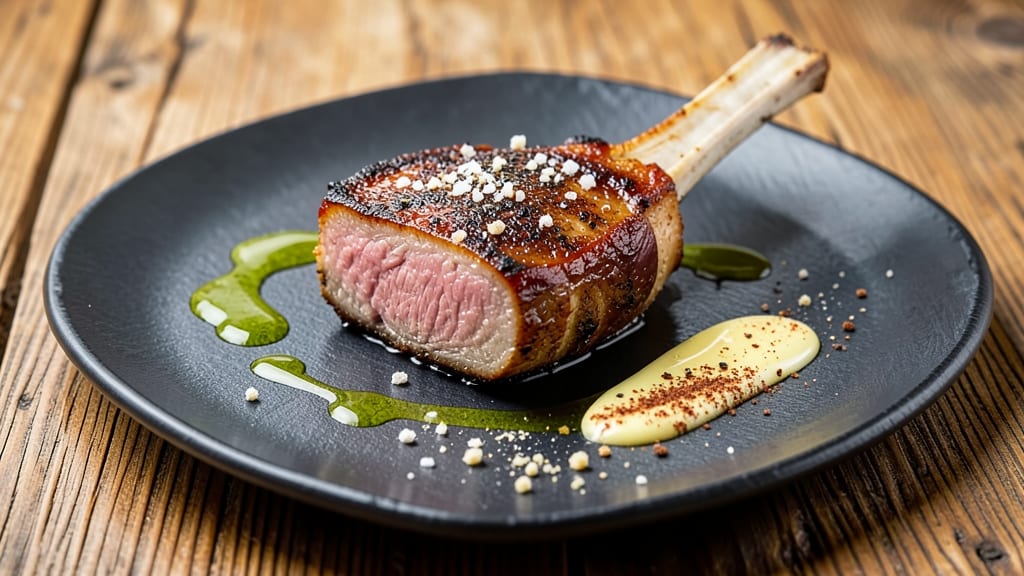
A medium rare pork chop recipe deserves the same care as steak—juicy pink centers, caramelized crusts, and that perfect balance between tenderness and bite. 🔥 As someone who's cooked thousands of pounds of pork weekly, I know the secret lies in precise timing, high heat, and letting the meat rest. This isn't just a recipe; it's a technique that transforms simple pork chops into a restaurant-worthy main course.
The foundation starts with quality cuts—bone-in or boneless, about 1-inch thick—seasoned simply with salt, pepper, and just a touch of garlic powder before hitting a screaming-hot cast iron skillet. We're talking 3-4 minutes per side for that ideal 145°F internal temperature, followed by a mandatory 5-minute rest.
No cutting into it too soon—that's where most home cooks go wrong.
What you'll end up with is pork chops that are crisp on the outside, tender and pink inside, with a flavor profile that's rich, savory, and perfectly balanced.
The high heat creates a flavorful crust while sealing in juices, and the rest ensures those juices redistribute for maximum moisture in every bite.
Serve with roasted potatoes, sautéed greens, or a simple apple compote to complement the pork's natural sweetness. The USDA considers 145°F safe for pork chops, but remember—this is where your meat thermometer becomes your best friend. Let's cook these pork chops like a pro.
Ingredients for medium rare pork chop
Quality cuts, precise seasoning, and high-heat technique—these are your keys to perfect medium rare pork chops.
| Ingredient | Amount | Notes |
|---|---|---|
| Bone-In Pork Chops 🥩 | 4 whole | 1-inch thick, center-cut preferred |
| Kosher Salt 🧂 | 1 ½ tsp | Diamond Crystal preferred |
| Freshly Ground Black Pepper 🌶️ | ½ tsp | Coarse grind for texture |
| Garlic Powder 🧄 | ½ tsp | Freshly toasted for depth |
| Unsalted Butter 🧈 | 2 tbsp | European-style preferred |
| Extra-Virgin Olive Oil 🫒 | 1 tbsp | High smoke point |
| Cast Iron Skillet 🍳 | 1 whole | Well-seasoned, 10-inch preferred |
| Meat Thermometer 🌡️ | 1 whole | Instant-read type |
| Fresh Rosemary 🌿 | ¼ cup | Finely chopped, stems removed |
| Fresh Thyme 🌿 | ¼ cup | Leaves only, finely chopped |
| Butter Basting Brush 🎨 | 1 whole | Silicon brush preferred |
| Paper Towels 🧻 | 1 sheet | For patting dry |
The pork chops are non-negotiable here. Look for bone-in cuts from the loin—they're more flavorful and hold up better to high heat. Costco or Whole Foods carry excellent center-cut chops, but your local butcher will often have fresher options. Aim for 1-inch thickness—thinner chops cook too fast, thicker ones risk overcooking. Pat them dry with paper towels before seasoning; moisture on the surface keeps them from searing properly. The European-style butter makes all the difference—it has a higher fat content that creates a richer crust.
No garlic powder? Fresh minced garlic at double the amount works beautifully, but toast it first in the skillet for 30 seconds to deepen the flavor. Short on herbs? Dried rosemary at one-third the amount is fine, but fresh is always better. If you don't have a meat thermometer, cut into one chop at 3 minutes—the juices should run clear with a slightly pink center. The olive oil is crucial for that initial sear; avoid vegetable oil—it has a lower smoke point and won't give you that perfect crust. And trust me, don't skip the resting time—those juices need time to redistribute.
Pork chops are best served immediately after cooking, but if you need to hold them, keep them warm in a 200°F oven for up to 20 minutes. The skillet will be piping hot after cooking—let it cool for 5 minutes before washing. Store leftovers in the fridge for 3-4 days or freeze for up to 3 months. For reheating, low oven (300°F) or stovetop with a splash of broth—microwaving makes them rubbery. I always make a double batch and freeze extras; they're perfect for quick weeknight dinners.
Why You'll Love This Recipe
- I swear by this combo: salt and butter. That’s it. The bone-in chops stay juicy while the butter bastes them into golden, crackling perfection—no fancy marinades or hours of prep.
- Two-Ingredient Magic: I swear by this combo: salt and butter. That’s it. The bone-in chops stay juicy while the butter bastes them into golden, crackling perfection—no fancy marinades or hours of prep.
- Juicy Every Time: Medium rare is where pork chops shine, and this method nails it. The garlic powder sears right into the edges while the butter keeps the center tender—like biting into a steakhouse classic, but at home.
- Weeknight to Dinner Party: Same recipe, different vibes. Pan-sear for a quick Tuesday dinner or add a splash of white wine and fresh rosemary for a restaurant-worthy plate. Honestly, I’ve used it for both—no shame.
Step-by-step instructions for juicy pink-centered pork chops
Here's how to achieve that perfect medium rare finish with a crispy crust and tender interior.
🍳 Step 1: Prep and Season the Pork Chops
Start by patting the 4 whole bone-in pork chops completely dry using the sheet of paper towels. This is crucial—any moisture will prevent that beautiful crust from forming. I like to press firmly with the paper towels to remove every last drop of surface moisture.
Create your seasoning blend by combining the 1.5 tsp kosher salt, 0.5 tsp freshly ground black pepper, and 0.5 tsp garlic powder in a small bowl. The coarse grind of the pepper adds texture that really makes these chops special. Sprinkle this mixture evenly over both sides of each pork chop, pressing it gently into the meat so it adheres well. Let them sit at room temperature for 15 minutes while you prepare your pan.
🔥 Step 2: Sear for Maximum Flavor Development
Place the well-seasoned cast iron skillet over medium-high heat until it's properly preheated. Add the 1 tbsp extra-virgin olive oil and let it shimmer for about 30 seconds—this tells you it's ready. Working in batches if needed (since you're cooking 4 chops), add the pork chops to the skillet, placing them side by side.
Let them sear undisturbed for 3-4 minutes on the first side until they develop a deep golden-brown crust. You'll know they're ready to flip when they release easily from the pan with a gentle nudge. Flip carefully and sear the other side for another 3-4 minutes. The key here is patience—rushing will give you gray meat instead of that beautiful crust we're after.
👨🍳 Step 3: Build Herb Butter and Finish Cooking
While the chops are searing, create your herb butter by combining the 2 tbsp unsalted butter with the 0.25 cup finely chopped fresh rosemary and 0.25 cup fresh thyme in a small bowl. The herbs should be evenly distributed throughout the butter. Once the chops have seared on both sides, reduce the heat to medium and add this herb butter to the skillet.
Use the butter basting brush to coat the top of each pork chop with the melted herb butter. Let them cook for another 1-2 minutes, basting occasionally, until the internal temperature reaches 130-135°F when measured with your meat thermometer. This is the perfect medium rare range for pork chops—juicy pink centers with a firm exterior. If you don't have a thermometer, look for a temperature probe that slides in easily with just slight resistance.
⏰ Step 4: Rest and Serve for Perfect Texture
Transfer the cooked pork chops to a warm plate and let them rest for 5-7 minutes before serving. This resting period is absolutely critical—it allows the juices to redistribute throughout the meat instead of running out onto your plate. I know it's tempting to cut into them immediately, but trust me on this step.
Serve the pork chops immediately with any pan juices spooned over the top. The exterior should be beautifully browned and crispy, while the interior reveals that perfect pink center with just a hint of pink in the middle. Each bite should deliver that perfect balance of crispy crust, juicy meat, and aromatic herb butter. The bone should be warm but not scorching—this indicates even cooking throughout.
Pro Tips For Making Medium Rare Pork Chop
- USE A MEAT THERMOMETER: I learned this the hard way—guessing medium rare with pork chops leads to either dry disappointment or undercooked regret. Bone-in chops hit 135-140°F internal temp for that perfect pink center, and the bone’s heat helps distribute evenly. No excuses: a $10 thermometer changes everything.
- SALT THE CHOPS 40 MINUTES EARLY: Pork absorbs salt like a sponge, but rushing it leaves you with bland, watery meat. Pat them dry first, then season generously with kosher salt (about 1 tsp per side) and let them sit uncovered on a rack in the fridge. The crust forms better, and the seasoning penetrates deeper—no last-minute desperation needed.
- DON’T CROWD THE PAN: I used to jam two thick chops in a skillet, thinking "more surface area = faster cooking." Wrong. Overcrowding steams the meat instead of searing, and the butter pools instead of basting. Cook one chop at a time over medium-high heat—it’ll take 3-4 minutes per side, but the crust will be worth the wait.
- BUTTER MATTERS—USE IT WISELY: Unsalted butter is your friend here, but don’t just melt it like a sad sauce. Once the chops sear, add 2 tablespoons of butter to the pan, then tilt it to coat the bottom. Let it foam and brown for 30 seconds before basting the meat—this adds depth of flavor and prevents dryness. (Yes, even if you’re impatient like me.)
Pro cooking tips for medium rare pork chop
Skillet Heat Control
Your skillet needs to be screaming hot—think medium-high to high heat—before adding the pork chops. I use a 10-inch Lodge cast iron preheated for 5-7 minutes until a drop of water sizzles instantly.
Too cool, and you’ll get gray meat; too hot, and you’ll burn the outside before the inside cooks. Test with a wooden chopstick—if it smokes when touched, your skillet’s ready. 🔥
Timing is Everything
For 1-inch thick chops, sear 3-4 minutes per side—no peeking! The Maillard reaction needs undisturbed time to develop that golden crust. I set a timer and resist the urge to check.
If you flip too soon, the chops won’t brown properly. Once flipped, listen for a sizzle—that’s your cue they’re cooking evenly. Use tongs, not a fork, to avoid piercing the meat.
Butter Basics
European-style butter has 82% fat content, which is key for that rich crust. I melt 2 tbsp in the skillet after the initial sear, then fold in the fresh rosemary and thyme. The butter should foam slightly—this tells me it’s hot enough to baste properly.
Brush it over the chops in the last 1-2 minutes of cooking to infuse flavor. Plugrá brand butter from Ireland is my go-to for this technique.
Thermometer Truths
Pork chops hit 145°F safely, but for medium rare, aim for 130-135°F—that’s where they’re juicy pink inside with a firm exterior. I use a ThermoWorks Smoke thermometer because it’s fast and accurate.
Insert it into the thickest part of the chop, avoiding the bone. If your thermometer isn’t instant-read, pull the chops at 125°F—they’ll carry over 5-10°F while resting.
Resting Rules
This is where most home cooks mess up. 5-7 minutes of resting is non-negotiable—it lets juices redistribute. I cover the chops loosely with foil and place them on a warm plate. Cutting too soon means dry, stringy meat.
Pro tip: Tent the plate with foil to keep them warm while they rest. The bone should feel warm but not hot—this confirms even cooking. 💡
Batch Cooking Hack
If you’re cooking more than two chops, work in batches to avoid crowding the pan. A packed skillet steams the meat instead of searing it. I cook two chops at a time, then keep the first batch warm in a 200°F oven while finishing the rest.
This keeps everything at the same temperature and ensures consistent doneness. The oven also helps maintain the crust’s crispiness while you finish cooking.
Nutrition facts
Frequently asked questions
Why do pork chops need to rest after cooking?
Resting allows the juices to redistribute throughout the meat instead of pooling in the center. When you cut into pork chops too soon, those precious juices escape, leaving you with dry meat. A 5-7 minute rest at room temperature ensures every bite stays juicy and flavorful.
Can I cook boneless pork chops medium rare?
Boneless chops cook slightly faster than bone-in, so aim for 2-3 minutes per side instead of 3-4 minutes. Use your meat thermometer to confirm 130-135°F internal temperature. The lack of bone means they're more delicate, so handle them gently with tongs to avoid tearing.
What if my pork chops turn out overcooked?
Overcooked pork chops lose their juiciness, but you can salvage them by slicing against the grain and serving with a rich sauce. For next time, pull them at 125°F (they'll rise to 145°F while resting) or try a quicker method like reverse searing (start in a 250°F oven for 10 minutes before searing).
How do I know when pork chops are done without a thermometer?
For medium rare, look for a slightly pink center with clear juices that run pink (not red). The exterior should be golden brown and crispy. Press the chop gently with tongs—the meat should feel firm but still yield slightly. If in doubt, cut into one chop to check before serving the rest.
What's the best way to reheat leftover pork chops?
Reheat gently in a 300°F oven for 10-15 minutes with a splash of broth or water to keep them moist. Microwaving makes them rubbery, and frying can dry them out. For extra flavor, reheat in the same skillet you initially cooked them in—just add a pat of butter and a few drops of water to create steam.