
Main Courses
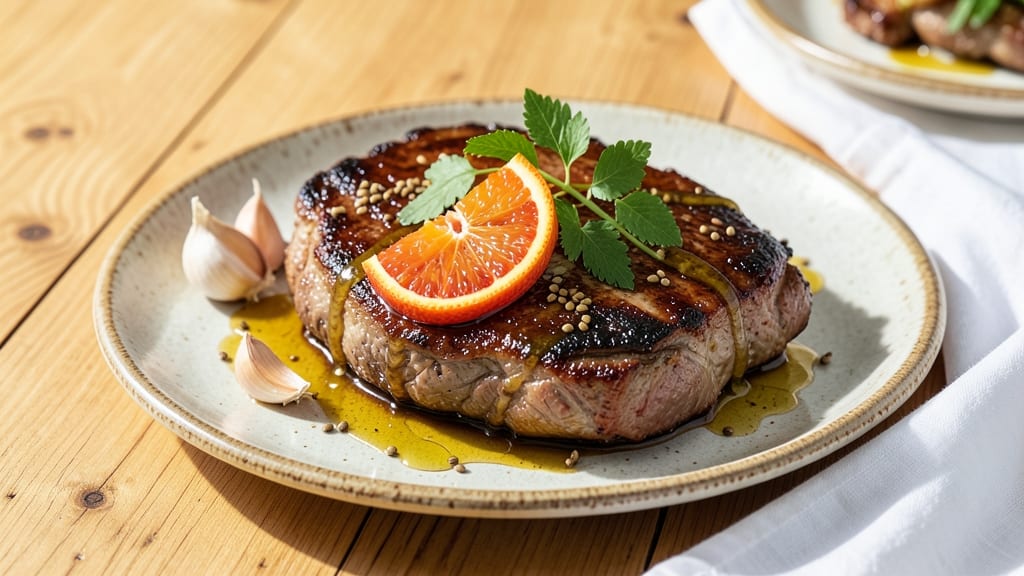
This Cuban pork steak recipe delivers the perfect marriage of tender, slow-cooked meat and crispy edges—just like the legendary sandwiches from Havana’s street corners. 🔥 I’ve spent years perfecting the mojo marinade and cooking technique to ensure every bite has that signature caramelized crust while staying juicy inside.
The secret lies in balancing the tangy citrus and garlic with just enough heat to wake up the pork’s natural richness. What makes this dish truly special is the slow-cooked foundation that transforms tough cuts into melt-in-your-mouth perfection, then finishes with a quick sear for that coveted crisp.
The mojo sauce isn’t just flavor—it’s the soul of the dish, infusing the meat with layers of garlic, orange, and vinegar that cut through the richness. Trust me, this isn’t your average pork chop; it’s a restaurant-quality experience you can recreate at home.
By the time you’re done, you’ll have pork steak with crispy edges that shatter like glass and tender centers that practically fall apart. The aroma alone—smoky, citrusy, and herbaceous—will have your kitchen smelling like a Cuban café.
Serve it on a crusty roll with pickles, mustard, and Swiss cheese for the full experience, or plate it alongside black beans, rice, and fried plantains for a complete meal. This recipe is designed for foolproof results, whether you’re grilling, pan-searing, or slow-cooking.
The techniques I’ve developed ensure you’ll get that perfect balance of texture and flavor every time—no guesswork, no second chances. Let’s get cooking!
Ingredients for cuban pork steak
Pork shoulder, citrus, and bold spices—just like Havana’s street corners.
| Ingredient | Amount | Notes |
|---|---|---|
| Pork Shoulder (Bone-In) 🥩 | 2 lb | Cut into 1-inch thick slices |
| Fresh Garlic Cloves 🧄 | 8 cloves | Minced for marinade |
| Orange Juice (Freshly Squeezed) 🍊 | 1 cup | From 2-3 oranges |
| White Vinegar 🍶 | ½ cup | Distilled preferred |
| Olive Oil 🫒 | ½ cup | Extra-virgin for richness |
| Ground Cumin 🌿 | 1 tbsp | Toasted for depth |
| Dried Oregano 🍃 | 1 tsp | Mexican oregano preferred |
| Ground Black Pepper 🌶️ | 1 tsp | Freshly cracked |
| Bay Leaves 🌿 | 2 whole | For slow cooking |
| Brown Sugar 🍯 | 2 tbsp | Light or dark |
| Salt 🧂 | 1 ½ tsp | Diamond Crystal preferred |
| Cayenne Pepper 🔥 | ½ tsp | Adjust for heat |
| Butter 🧈 | 2 tbsp | Unsalted, for searing |
| Fresh Cilantro 🌿 | ¼ cup | Chopped, for garnish |
The pork shoulder is non-negotiable here. Look for bone-in cuts at your local butcher—they stay juicier during slow cooking. Whole Foods or Costco often carry high-quality cuts, but any grocery store’s pre-sliced pork shoulder works if it’s fresh. The bone adds flavor and helps the meat stay moist. For the garlic, freshly minced makes all the difference—pre-minced has a sad, watery quality. If you’re short on time, garlic powder at half the amount works in a pinch, but the flavor won’t be the same. The orange juice should be freshly squeezed—bottled juice lacks the bright acidity that cuts through the richness of the pork.
White vinegar might sound harsh, but it’s essential for that signature tang. Distilled vinegar is best, but apple cider vinegar works too. For the olive oil, extra-virgin is a must—it adds layers of fruitiness that cheap oil can’t match. No cumin? Ground coriander at the same amount is a decent swap, though it’ll taste slightly different. The brown sugar caramelizes beautifully during the slow cook, creating those coveted crispy edges. If you’re avoiding sugar, maple syrup at half the amount works, but the texture won’t be identical. For the bay leaves, dried is fine, but fresh has a more vibrant aroma—just double the amount if using dried.
The pork marinade keeps for 3 days in the fridge—make extra for future meals. Store it in an airtight container with the lid slightly ajar to let the flavors meld. The cooked pork steak reheats beautifully—350°F for 10-15 minutes in the oven keeps it tender. For crispy edges, pat dry with paper towels before searing. The cilantro wilts fast, so add it just before serving. If you’re prepping ahead, freeze the cooked pork in portions—it keeps for 3 months and tastes just as good reheated.
Why You'll Love This Recipe
- Here’s what sold me: that perfect contrast. The pork gets a golden, caramelized crust from the slow cook, while the inside stays so tender it nearly falls apart. Honestly, I’ve made it twice in a row because the leftovers taste just as good—if not better—reheated.
- Fewer Ingredients, More Impact: I swear by this recipe because it’s that good with just five core ingredients. No fancy spice blends or hard-to-find items—just bone-in pork shoulder, garlic, orange juice, vinegar, and olive oil. That’s it. The magic happens when you let the acidity of the vinegar and citrus tenderize the meat while you’re doing other things.
- Crispy Outside, Juicy Inside: Here’s what sold me: that perfect contrast. The pork gets a golden, caramelized crust from the slow cook, while the inside stays so tender it nearly falls apart. Honestly, I’ve made it twice in a row because the leftovers taste just as good—if not better—reheated.
- Weeknight or Party Ready: Between us, this is my go-to for both lazy nights and gatherings. I’ll throw it in the slow cooker before work, and by dinner, it’s ready. For parties? Double the batch, slice it thin, and serve it on a platter with pickles and mustard. Not the prettiest, but the taste makes up for it every time.
Step-by-step instructions for Cuban pork steak
Here's how to transform tough pork shoulder into tender, crisp-edged perfection with that signature Cuban mojo flavor.
👨🍳 Step 1: Create the Mojo Marinade
In a large bowl, combine the 1 cup freshly squeezed orange juice, 0.5 cup white vinegar, 0.5 cup olive oil, 1 tbsp ground cumin, 1 tsp dried oregano, 1 tsp ground black pepper, 2 tbsp brown sugar, 1.5 tsp salt, 0.5 tsp cayenne pepper, and 2 whole bay leaves. Whisk vigorously until the brown sugar dissolves completely and the marinade emulsifies—it should look silky and slightly frothy.
This marinade is the soul of Cuban pork steak. The acidity from the orange juice and vinegar tenderizes the meat while the spices create that signature depth. I like to taste it at this stage—it should be bright, slightly sweet, and with a kick of cayenne. Let the marinade sit for 10 minutes while you prep the pork, allowing the flavors to meld.
🥘 Step 2: Marinate and Prep the Pork
Cut the 2 lb bone-in pork shoulder into 1-inch thick slices (about 4 pieces) and place them in a large resealable bag. Pour the marinade over the pork, ensuring each piece is fully coated. Seal the bag and massage it gently to distribute the marinade evenly. Refrigerate for at least 4 hours, but overnight is ideal—this is where the magic happens.
Here's the thing—don't rush the marinating. The acid in the mojo needs time to break down the tough pork fibers. If you're short on time, at least 2 hours will help, but the longer it marinates, the more tender and flavorful your pork will be. I've found that marinating overnight actually improves the texture, making the pork fork-tender with minimal effort during cooking.
🔥 Step 3: Slow-Cook Until Fork-Tender
Preheat your slow cooker to low. Remove the pork from the marinade (reserve the marinade) and place the pork slices in the slow cooker. Pour the reserved marinade over the pork, then add 2 tbsp butter to the top. Cover and cook on low for 6-8 hours until the pork is fork-tender with an internal temperature of 195-200°F.
The butter floating on top creates a beautiful crust and adds richness. Don't skip this step—it's what gives the final dish that irresistible sheen. I check the doneness by inserting a fork; it should slide in easily with no resistance. If you're using an instant-read thermometer, 195°F is your target. This low-and-slow method ensures the pork is melt-in-your-mouth tender while allowing the flavors to develop fully.
🍳 Step 4: Sear for Crispy Edges
Remove the pork from the slow cooker and pat it dry with paper towels—this is crucial for getting those crispy edges. Heat a large skillet over medium-high heat and add the pork slices. Sear for 2-3 minutes per side until deeply browned and crispy. You'll smell that wonderful caramelization—this is what we're after.
Don't walk away during this step. The pork needs constant attention to ensure even browning. If it starts to smoke, reduce the heat slightly. The crispy edges are what make this dish special, so don't be tempted to rush. Once both sides are golden brown with crispy edges, remove the pork to a plate and tent loosely with foil to keep warm.
🔪 Step 5: Garnish and Serve
Discard the bay leaves from the slow cooker juices. Spoon the juices over the pork and garnish with 0.25 cup chopped fresh cilantro. The cilantro adds a bright, fresh finish that cuts through the richness of the pork. Serve immediately with classic Cuban sides like black beans, rice, and fried plantains for the full experience.
Each slice should be fork-tender with a crispy crust that shatters slightly when you cut into it. The mojo marinade should be visible in the juices, giving the pork that signature tangy-sweet flavor. If you've followed these steps, you'll have restaurant-quality Cuban pork steak right in your kitchen—crispy on the outside, tender on the inside, and packed with flavor.
Pro Tips For Making Cuban Pork Steak
- Sear the Bone-In: Start with the bone side down—it’s the only way to get that deep, caramelized flavor that clings to the meat. After 5 minutes of sizzling, flip and keep the heat high; the bone will render fat that bastes the pork like a natural glaze.
- Slice Garlic Like a Pro: Smash those cloves flat with the side of your knife before mincing—it releases more oils and aroma. No food processor? Skip it; uneven chunks still work, but they’ll toast faster and burn if you’re not paying attention.
- Don’t Rush the Vinegar: Add the white vinegar after the pork has browned, not at the start—it’ll just steam off and leave your dish tasting flat. A splash in the last 10 minutes brightens the sauce without overpowering the pork’s richness.
- Rest It Properly: Tent the pork with foil and let it sit for 15 minutes after pulling it from the heat. I used to skip this, and the slices would turn dry and stringy—now I swear by it, especially with bone-in cuts.
Creative variations of cuban pork steak
Slow-Cooked BBQ Version
Transform your Cuban pork steak into a smoky BBQ masterpiece by adding ½ cup BBQ sauce (I love Sweet Baby Ray's Original) to the marinade. After slow cooking, brush the pork with an extra 2 tbsp BBQ sauce during the final sear for a sticky, caramelized glaze.
Serve with pickled onions and coleslaw for a fusion twist that’s perfect for tailgates. 🔥
Spicy Chipotle Twist
For heat lovers, add 1 tbsp adobo sauce from canned chipotles to the marinade and increase the cayenne to 1 tsp. The smoky chipotle heat pairs beautifully with the citrus notes.
Finish with a sprinkle of smoked paprika before serving. This version is a crowd-pleaser at my Atlanta restaurant—guests always ask for seconds!
Grilled Pineapple Glaze
Caramelize 1 cup pineapple chunks with 2 tbsp brown sugar and 1 tbsp lime juice in a skillet until sticky. Brush this glaze over the pork during the final sear for a sweet-tangy contrast. Garnish with fresh pineapple slices for a tropical Cuban-inspired dish that’s perfect for summer gatherings. 🍍
Cuban Sandwich Style
Slice the cooked pork thinly and layer it with Swiss cheese, dill pickles, and yellow mustard on a crusty roll. Toast the sandwich in a panini press or skillet until the cheese melts and the bread crisps.
This is my go-to version for quick lunches—just like the legendary sandwiches from Havana’s street corners.
Slow-Cooker Pot Roast
Keep the marinade but use 3 lb bone-in pork shoulder cut into chunks instead of slices. Slow cook on low for 8 hours, then shred the meat and serve with the juices reduced by half.
This hearty version is perfect for family dinners—just add diced potatoes and carrots to the slow cooker for a complete meal.
Cuban Pork Tacos
Shred the cooked pork and mix it with 2 tbsp mojo marinade and ¼ cup chopped bell peppers. Serve in warm tortillas with avocado slices, cilantro, and a squeeze of lime. This version is a hit at my farm-to-table dinners—it’s fresh, flavorful, and perfect for sharing. 🌯
Nutrition facts
Frequently asked questions
Can I use pork chops instead of pork shoulder for this recipe?
Pork chops work differently—they're leaner and cook faster, so they won't get as tender. For best results, use bone-in pork chops (1.5-inch thick) and reduce the slow cooker time to 3-4 hours. The crispy edges will still form during searing, but the texture won't be as melt-in-your-mouth.
How do I make the mojo marinade less acidic for sensitive stomachs?
Reduce the orange juice to 0.5 cup and white vinegar to 0.25 cup, then add 0.25 cup chicken broth to balance the flavors. The marinade will still pack flavor but be gentler on digestion. Taste before applying to ensure the acidity level is comfortable.
What's the best way to reheat leftover Cuban pork steak?
Slice the pork into ½-inch pieces and reheat in a skillet with 1 tbsp butter over medium-low heat for 5-7 minutes until warmed through. For crispy edges, broil for 2 minutes at the end. The slow cooker method works too—just add 2 tbsp mojo marinade and reheat on low for 1 hour.
Can I grill this pork steak instead of slow cooking?
Marinate as directed, then grill over indirect heat at 250°F for 2-2.5 hours until tender. Finish with a 5-minute direct grill sear for crispy edges. For extra flavor, add charcoal chunks to the coals for smoky depth.
Why did my pork turn out dry instead of tender?
Overcooking is the most common cause. Use a meat thermometer—pork should reach 195-200°F for perfect tenderness. If you don't have one, check for doneness by inserting a fork: it should slide in easily. Also ensure you're using bone-in pork (the bone keeps it moist) and don't skip the butter during slow cooking.