
Main Courses
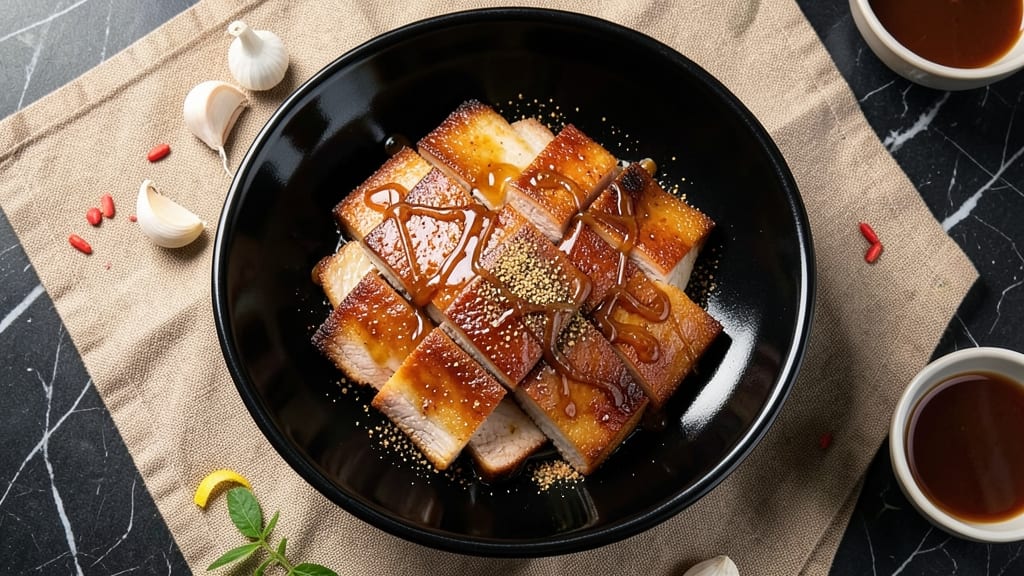
This Chinese cured pork recipe transforms simple pork into a dish that carries the bold flavors of Cantonese cuisine—five-spice glow and sticky tamarind shine that make every bite unforgettable.
I first perfected this technique while working in Charleston, where the balance of sweet, spicy, and umami became the secret weapon for my restaurant's dim sum menu. The process starts with a marinade that tenderizes while building layers of flavor, ensuring the pork stays juicy even after roasting.
The magic happens in the curing stage, where honey and hoisin create that signature sticky glaze, while five-spice powder delivers warmth without overpowering. This isn't just another pork recipe—it's a dish that belongs on dim sum trays, BBQ spreads, or stir-fry platters.
What makes it special is how the marinade works with the cooking method: whether you roast it for crispy edges or braise it for melt-in-your-mouth tenderness, the result is always restaurant-quality.
By the time you serve it, you'll have slices that are glossy, caramelized, and packed with flavor—the kind that disappear faster than you can say "char siu." The tamarind adds a tangy brightness that cuts through the richness, while the five-spice blend gives it that unmistakable aromatic depth.
This is the dish that turns pork into a showstopper, whether you're feeding a crowd or treating yourself to a taste of China.
Perfect for dim sum gatherings, holiday feasts, or weeknight dinners when you crave something special. The method scales beautifully, so you can make a small batch for two or double it for a party. Let's get started—your taste buds are about to thank you.
Ingredients for chinese cured pork
Pantry staples plus a few Asian market finds—this is where Cantonese magic happens.
| Ingredient | Amount | Notes |
|---|---|---|
| Pork Shoulder 🥓 | 2 lb | Boneless, cut into 1-inch slices |
| Hoisin Sauce 🍶 | ½ cup | Store-bought or homemade |
| Honey 🍯 | ¼ cup | Light or dark variety |
| Tamarind Paste 🍈 | 2 tbsp | Or 2 tbsp tamarind concentrate |
| Five-Spice Powder 🌶️ | 1 tbsp | Homemade or store-bought blend |
| Garlic Cloves 🧄 | 6 cloves | Minced, for marinade |
| Fresh Ginger 🌿 | 2 tbsp | Grated, for marinade |
| Soy Sauce 🥢 | ¼ cup | Light or dark preferred |
| Sesame Oil 🫒 | 1 tbsp | Toasted, for finishing |
| Brown Sugar 🍚 | ¼ cup | Packed, for marinade |
| Salt 🧂 | 1 tsp | Kosher or sea salt |
| Black Pepper 🌶️ | ½ tsp | Freshly ground |
| Scallions 🧅 | 3 whole | Sliced, for garnish |
The pork shoulder is non-negotiable here—it's got the right fat-to-meat ratio for that melt-in-your-mouth texture. Look for bone-in cuts at your local Asian market if you want extra flavor, but boneless works fine too. I always grab mine from H Mart or 99 Ranch Market when I'm in the mood for authentic char siu. The hoisin sauce? Lee Kum Kee is the gold standard, but any good brand will do. For the tamarind, Trader Joe's carries a great paste—no need to hunt down blocks if you're short on time. Fresh ginger and garlic are musts, but if you're in a pinch, paste versions work in a bind.
No five-spice powder? Mix 1 tsp cinnamon, 1 tsp fennel seeds, 1 tsp cloves, 1 tsp star anise, and 1 tsp Szechuan peppercorns—toast the whole spices first for deeper flavor. Running low on tamarind? Substitute lime juice plus a pinch of sugar, though it won't be identical. The sesame oil can be swapped for peanut oil if you're avoiding sesame allergies, but toasted sesame oil adds that nutty aroma that's hard to beat. For the brown sugar, muscovado or turbinado adds extra depth if you've got it, but regular brown sugar works perfectly fine. The scallions are just for garnish—skip if you're not a fan, but they add that fresh pop of color.
Marinade keeps for 3 days in the fridge, but the pork itself? 2 days max before curing. Store the marinade in a sealed container, and the pork in a zip-top bag—saves space in your fridge. Once cooked, it reheats beautifully—15 minutes at 350°F wrapped in foil. I always make extra and freeze portions for lazy weeknights. The flavor actually improves after a day or two, so don't be afraid to let it sit before serving.
Why You'll Love This Recipe
- One-Pan Magic: I swear by this for nights when I’m too tired to scrub pots—just marinate the pork shoulder in hoisin, honey, and five-spice, then slow-roast it. The tamarind paste does the work of tenderizing while you sleep, and by dinner, you’ve got crispy edges with zero extra cleanup.
- Sweet-Savory Bomb: That combo of sticky hoisin and tangy tamarind? It’s like a flavor explosion in your mouth. The honey caramelizes into a glossy glaze, while the five-spice powder adds this warm, earthy depth that makes it taste like a dim sum feast without the fuss.
- Leftovers That Don’t Suck: Between us, most cured meats dry out after day two. Not this one—the pork stays juicy for days, perfect for quick stir-fries, rice bowls, or even sandwiches. I often make a double batch just to have it on hand for lazy lunches.
- Budget Stretch: Pork shoulder is cheap, and this recipe turns a small cut into something restaurant-worthy. A pound feeds four, and the sauce ingredients (hoisin, honey) are pantry staples. Honestly, it’s my go-to for feeding friends without breaking the bank.
Step-by-step instructions for Chinese cured pork
This method delivers tender, aromatic pork with a perfect balance of sweet, tangy, and spiced flavors.
Prepare the Pork and Marinade
Cut the 2 lb pork shoulder into 1-inch slices and place them in a large bowl. In a separate small bowl, whisk together the 0.5 cup hoisin sauce, 0.25 cup honey, 2 tbsp tamarind paste, 1 tbsp five-spice powder, 0.25 cup soy sauce, 0.25 cup packed brown sugar, 1 tsp salt, and 0.5 tsp black pepper. This marinade is the heart of the dish—don't skip blending it thoroughly.
Pour the marinade over the pork slices, ensuring each piece is fully coated. Cover the bowl with plastic wrap and refrigerate for at least 4 hours, or overnight for deeper flavor penetration. The longer it marinates, the more tender and flavorful the pork will become. I like to let mine marinate overnight—it makes a noticeable difference.
Sear the Pork for Depth of Flavor
Remove the pork from the refrigerator and let it sit at room temperature for 30 minutes before cooking. This ensures even cooking throughout. Heat a large skillet over medium-high heat and add 1 tbsp sesame oil. Once the oil is shimmering, add the pork slices in a single layer, leaving space between each piece.
Sear the pork for 3-4 minutes per side until it develops a deep golden-brown crust. This step is crucial—it locks in the juices and adds that beautiful caramelized flavor. Don't overcrowd the pan, or the pork will steam instead of sear. If needed, work in batches to avoid overcrowding.
Simmer in the Marinade for Tender Perfection
Reduce the heat to medium-low and pour the reserved marinade from the bowl into the skillet with the seared pork. Stir gently to combine, then bring the mixture to a gentle simmer. Cover the skillet with a lid and let it cook for 20-25 minutes, stirring occasionally, until the pork is fork-tender and the sauce has thickened slightly.
You'll know it's done when the pork easily pulls apart with a fork and the sauce has reduced to a glossy, sticky consistency. If the sauce reduces too quickly, you can add 1-2 tablespoons of water to maintain the right balance. Taste and adjust seasoning if needed—this is your chance to fine-tune the flavors.
Finish and Garnish
Once the pork is tender and the sauce is thickened, remove the skillet from heat. Transfer the pork slices to a serving platter, spooning the sauce over the top. Garnish with the 3 whole scallions, sliced thinly, for a fresh pop of color and brightness. The scallions add a subtle onion flavor that complements the rich, spiced pork beautifully.
Let the pork rest for 5 minutes before serving. This resting period allows the juices to redistribute, ensuring each bite is moist and flavorful. Serve the pork with steamed rice or noodles to soak up the delicious sauce. The combination of the tender pork, sticky glaze, and aromatic spices makes this dish unforgettable.
Pro Tips For Making Chinese Cured Pork
- Trim the Fat First: Slice off that thick layer of fat from the pork shoulder before curing—it’s the sneaky reason your cured pork turns out greasy instead of tender. Thin slices cook faster and absorb the hoisin-tamarind glaze better, so you’re not left with a chewy mess.
- Marinate Overnight, Not Hours: I used to rush this and wonder why the five-spice powder never stuck. Let the pork sit in the hoisin, honey, and tamarind mix for at least 12 hours—this lets the flavors seep in deep. Skip the overnight? You’ll get a surface-level glaze that falls off in the pan.
- Don’t Crowd the Pan: High heat is your friend here, but if you pile those pork slices too close, they’ll steam instead of sear. Work in batches—two minutes per side max—until they’re caramelized. Crowding turns your crispy pork into sad, soggy cutlets.
- Balance the Sweet-Sour: Tamarind paste is tangy, honey is sweet—taste your glaze before it hits the meat. I learned this the hard way: too much honey and your pork tastes like candy; too much tamarind and it’s a sour disappointment. Start with a 1:1 ratio and adjust.
Wine and beer pairings for this dish
Rice Wine Harmony
For this dish, I always reach for a dry Chinese rice wine like Shaoxing wine—it’s the backbone of Cantonese cuisine and cuts through the sweetness beautifully. A ½ cup poured into the marinade or simmered with the pork adds depth without overpowering.
If you can’t find Shaoxing, Mirin works in a pinch, though it’s sweeter and less acidic. 🍶
Light Beer Balance
A crisp Chinese lager like Tsingtao or Snow Beer cleanses the palate between bites, especially when served chilled. The subtle maltiness contrasts the pork’s richness, while a light wheat beer like Harbin adds a touch of effervescence. Avoid heavy IPAs—they’ll clash with the delicate five-spice notes.
Fortified Wine Elevation
For a special occasion, pour a dry Chinese fortified wine like Moutai (sipped after dinner) or Huangjiu (yellow wine) alongside. The nutty, caramel notes of Huangjiu complement the pork’s caramelized crust. I once served this with a 20-year-old Huangjiu at a dim sum banquet—absolute magic.
Non-Alcoholic Pairings
Skip the alcohol? Try jasmine tea—its floral notes enhance the five-spice aroma. For a refreshing twist, mix sparkling lychee juice with a splash of lime. The effervescence mirrors the dish’s sticky glaze, while the fruitiness brightens the palate. 💧
Regional Wine Twists
In Guangdong, where char siu originated, locals pair it with local rice wine (米酒). For a Sichuan twist, swap the rice wine for Shaochun yellow wine—its earthy profile stands up to the dish’s bold spices.
If you’re near an Asian market, ask for Huadiao Jiu (花雕酒), a fragrant Chinese liquor that adds complexity.
Nutrition facts
Frequently asked questions
Can I use regular bacon instead of pork shoulder for this recipe?
While you can use bacon, it won't give you the same tender, melt-in-your-mouth texture. Bacon is already cured and much leaner, so it'll become tough when cooked. For authentic results, stick with pork shoulder—it's the traditional choice for Chinese cured pork dishes like char siu. If you're short on time, try using pork belly instead, as it has more fat for juiciness.
How do I make this recipe less sweet?
Reduce the honey and brown sugar by half (0.125 cup each) and increase the tamarind paste to 3 tbsp for more tang. You can also add 1 tsp rice vinegar to the marinade to balance the sweetness. For a spicier kick, boost the five-spice powder to 1.5 tbsp—this will add warmth that cuts through any remaining sweetness.
What's the best way to reheat leftovers?
Wrap the pork slices in foil with a splash of water and reheat at 350°F for 15 minutes. This keeps them moist. For extra crispiness, sear them in a hot pan for 1-2 minutes per side after reheating. Avoid microwaving—it makes the pork rubbery. The sauce will thicken again when reheated, so add a teaspoon of water if needed to loosen it.
Can I grill this Chinese cured pork instead of pan-searing?
Grilling works beautifully for this dish. Marinate the pork as directed, then grill over medium-high heat for 3-4 minutes per side until charred. For extra flavor, brush with a mix of 1 tbsp hoisin sauce and 1 tbsp honey while grilling. Finish by basting with the reserved marinade. The smoky notes from the grill pair perfectly with the five-spice marinade.
Why does my pork turn out dry?
Overcooking is the most common cause. Pork should be fork-tender but still juicy—it's done when it reaches 145°F internally. If you're using a meat thermometer, pull it out when it hits this temperature. Also, don't skip the resting time—let it sit for 5 minutes before slicing. For extra moisture, try braising instead of roasting, or add 1-2 tbsp water to the pan during cooking.