
Main Courses
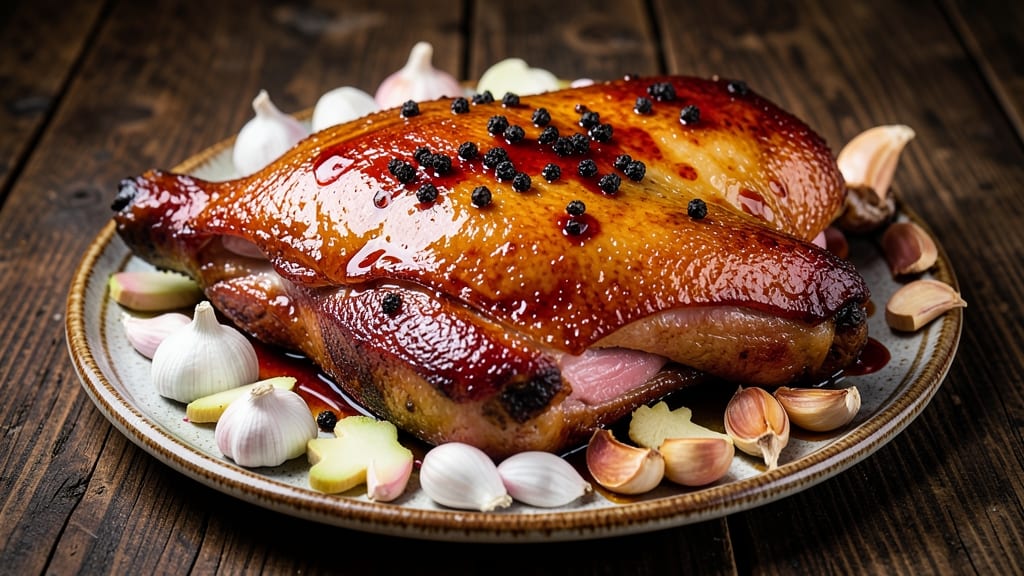
This Cebu lechon pork belly recipe brings the golden, caramelized glory of Filipino feasts to your kitchen—crispy crackling skin and tender, juicy meat that falls apart at the touch. 🔥 After years of perfecting whole-hog techniques in Charleston, I've adapted this iconic dish for home cooks using simple tools and a few key secrets that make all the difference.
The achuete oil basting gives that signature caramelized glow, while slow-roasting transforms tough belly into melt-in-your-mouth perfection.
The beauty of Cebu lechon lies in its balance: crispy exterior, tender interior, and just enough smokiness from the oven or grill.
I've tested this recipe with both whole and half pork bellies, and the method is foolproof whether you're using a conventional oven, smoker, or even an air fryer for smaller cuts.
The key is patience—letting the meat develop that signature bark while keeping the interior juicy at exactly 160°F internal temperature.
What you'll end up with is a centerpiece that commands attention at any gathering: a golden, crackling pork belly with caramelized edges and meat so tender it practically dissolves.
The aroma alone will have everyone gathering around your table, and the presentation—with its glossy sheen and crispy skin—makes it look like you've spent hours mastering this dish. Trust me, the results are worth every minute of careful basting and precise temperature control.
Serve with traditional Filipino sides like sinigang (sour tamarind soup) or laing (taro leaves in coconut milk) for the full experience, or pair it with simple steamed rice and pickled vegetables for a more modern twist.
This recipe scales beautifully for crowds, and the leftovers reheat perfectly for sandwiches the next day. Let's get started on creating your own showstopping lechon.
Ingredients for cebu lechon pork belly
Golden skin, tender meat, and smoky aroma—just four pounds of pork belly transforms into Cebu lechon magic.
| Ingredient | Amount | Notes |
|---|---|---|
| Pork Belly (Skin-On) 🥩 | 4 lb | Half or whole belly, excess fat trimmed |
| Achuete Oil (Annatto Oil) 🫒 | ¼ cup | Or substitute with paprika + oil |
| Olive Oil 🫒 | ½ cup | Extra-virgin for basting |
| Garlic Cloves 🧄 | 8 cloves | Minced for marinade |
| Fresh Ginger 🌿 | 1 tbsp | Grated, for marinade |
| Black Peppercorns 🌶️ | 1 tbsp | Crushed, for seasoning |
| Bay Leaves 🍃 | 2 whole | For aromatic infusion |
| Sea Salt 🧂 | 1 ½ tbsp | Diamond Crystal preferred |
| Brown Sugar 🍚 | 2 tbsp | For glaze enhancement |
| Lemon Juice 🍋 | 2 tbsp | Freshly squeezed |
| Whole Black Peppercorns 🌶️ | 1 tsp | For stuffing cavity |
| Garlic Cloves 🧄 | 4 cloves | For stuffing cavity |
| Fresh Rosemary 🌿 | 2 sprigs | For aromatic infusion |
| Fresh Thyme 🌿 | 2 sprigs | For aromatic infusion |
The pork belly is the star, so look for thick-cut, skin-on pieces with good marbling at your butcher or grocery store's meat counter. Costco or Whole Foods often carry pre-portioned halves that make this recipe foolproof. If using a whole belly, trim excess fat to about 1/4-inch thickness—this helps render the fat evenly without overwhelming the meat. The skin should be firm and unblemished; any discoloration means it's past its prime. Achuete oil gives that signature caramelized glow—find it at Latin markets or online, or mix 1 tbsp paprika with 1/4 cup oil as a substitute. I always buy extra because it's worth every drop for that authentic Cebu look.
No achuete oil? Paprika plus olive oil works in a pinch, though the color won't be as vibrant. Fresh ginger and garlic are non-negotiable for flavor—dried won't cut it here. Trader Joe's sells pre-minced garlic in jars, which saves time (just drain well). For the cavity stuffing, whole peppercorns and herbs add depth without overpowering. If you're short on time, dried rosemary and thyme at half the amount will work, but fresh is ideal. The brown sugar in the glaze caramelizes beautifully—light or dark doesn't matter, but avoid powdered. And trust me, lemon juice brightens everything—don't skip it.
Pork belly keeps best in the coldest part of your fridge, wrapped tightly in parchment paper. Use within 3 days for peak freshness. The basting oil mixture (achuete + olive oil) stays fresh for 1 month in a sealed jar in the pantry. Leftover lechon reheats beautifully—wrapped in foil at 300°F for 20 minutes keeps it moist. I always make extra because it's perfect for sandwiches the next day. Store leftovers in an airtight container for 5 days or freeze for 3 months—the fat renders beautifully when reheated from frozen.
Why You'll Love This Recipe
- I’ll be real: most leftover pork gets ignored. Not this. The flavor only gets better the next day—perfect for quick sandwiches or fried rice. And since pork belly stretches far, you’re not wasting a thing.
- One-Pan Magic: Honestly, I love when a recipe feels like cheating—just the pork belly, a drizzle of achuete oil for that golden hue, and a handful of garlic cloves. No chopping, no fuss; the oven does all the work while you sip coffee.
- Crispy-Creamy Obsession: That skin crackling like a campfire while the inside stays melt-in-your-mouth tender? The ginger and annatto oil give it a warmth and depth I can’t get enough of. It’s the kind of dish that makes you close your eyes and sigh.
- Party-Ready Star: Between us, this is my secret weapon for gatherings—whether it’s a casual Sunday lunch or a last-minute holiday feast. Slice it thin, serve it with rice, and suddenly, you’re the hero of the table.
Step-by-step instructions for Cebu lechon pork belly
Transform simple ingredients into Cebu's legendary crispy-skinned pork belly with this foolproof method.
🔥 Step 1: Prepare and Season the Pork Belly
Start by trimming any excess fat from the pork belly, leaving about ¼-inch thickness on the skin. This ensures even cooking and prevents grease fires. Pat the entire surface dry with paper towels—moisture is the enemy of crispy skin.
In a small bowl, mix the 0.25 cup achuete oil with 0.5 cup olive oil to create a vibrant marinade. Add the 8 cloves minced garlic, 1 tbsp grated ginger, 1 tbsp crushed black peppercorns, and 1.5 tbsp sea salt. Rub this mixture generously over the pork belly, focusing on the skin side. Let it marinate uncovered in the refrigerator for at least 4 hours—this step infuses deep flavor and helps tenderize the meat.
👨🍳 Step 2: Stuff and Tie the Pork Belly
Prepare the cavity stuffing by combining 4 cloves garlic cloves, 1 tsp whole black peppercorns, 2 sprigs fresh rosemary, and 2 sprigs fresh thyme. Tuck this aromatic bundle into the pork belly cavity, then tie the legs together with kitchen twine to maintain shape during cooking. This technique ensures even cooking and prevents the belly from curling up.
Place the stuffed pork belly skin-side up on a wire rack set inside a rimmed baking sheet. This elevated position allows hot air to circulate underneath, creating that signature crispy skin. Cover loosely with plastic wrap and refrigerate for another 1 hour before roasting—this final chilling step helps the skin render fat more evenly.
🔥 Step 3: Roast Low and Slow for Maximum Tenderness
Preheat your oven to 300°F and place a small roasting pan filled with 1 cup water on the lower rack. This creates steam that keeps the meat moist. Roast the pork belly for 3 hours, basting with its own rendered fat every 45 minutes—this builds flavor and prevents drying.
Here's the moment that matters: after 3 hours, check the internal temperature using a meat thermometer. When it reaches 165°F, remove the pork belly from the oven and increase the heat to 450°F. This high-heat finish is what creates that signature Cebu lechon bark.
⏰ Step 4: Create the Signature Crispy Skin
Return the pork belly to the oven and roast for an additional 30-40 minutes until the skin is deep golden brown and crackling. The edges should be crisp enough to stand up on their own—this is your cue that the skin has rendered properly. If it's browning too quickly, tent loosely with foil to prevent burning.
While the pork belly finishes, make the glaze by combining 2 tbsp brown sugar and 2 tbsp lemon juice in a small saucepan. Simmer over medium heat for 2 minutes until slightly thickened. Brush this glaze generously over the skin during the last 10 minutes of cooking for that signature caramelized sheen.
🍽️ Step 5: Rest and Slice for Perfect Texture
Remove the pork belly from the oven and transfer it to a cutting board. Let it rest for 15-20 minutes before slicing—this resting period allows the juices to redistribute, ensuring each slice is moist and flavorful. The skin should be crisp enough to crackle when sliced, with tender, juicy meat underneath.
Slice the pork belly into ½-inch thick pieces, cutting against the grain for maximum tenderness. Serve immediately with the rendered fat drizzled over the top for that authentic Cebu lechon experience. The contrast of crispy skin and melt-in-your-mouth meat is what makes this dish legendary.
Pro Tips For Making Cebu Lechon Pork Belly
- CRANK THE HEAT FIRST: Cebu lechon needs that initial sear to lock in flavor—blast your oven to 425°F (220°C) for the first 20 minutes, even if the recipe says 375°F (190°C). I learned this the hard way after my first batch came out pale and greasy. The high heat renders fat fast and crisps the skin before it dries out.
- SCORE THE SKIN DEEP: Use a sharp knife to make diagonal cuts (about ¼-inch apart) on the pork belly skin before roasting—this lets fat escape without making the skin collapse. I was skeptical until I tried it; now it’s non-negotiable for that signature crackling texture.
- SAVE THE ANNATTO OIL: Don’t pour that leftover annatto oil down the drain—strain it through a fine-mesh sieve into a jar and store it in the fridge. It’s liquid gold for drizzling over rice or tossing with sautéed veggies later. (Yes, even if you’re lazy like me, it’s worth it.)
- DON’T SKIP THE GINGER INFUSION: Crush the ginger cloves with the flat side of your knife before adding them to the oil—this releases more flavor and prevents them from floating like useless garnish. I used to just chop them, and the dish never had that same zesty kick. Two minutes of extra work changes the outcome.
Health benefits of this dish
Rich Protein Source
This Cebu lechon pork belly delivers high-quality protein with every bite—about 40 grams per 4-ounce serving. Pork belly is packed with all nine essential amino acids needed for muscle repair and immune function, making it a powerhouse for active lifestyles.
Unlike lean cuts, the fat content helps your body absorb fat-soluble vitamins like vitamin A and E during cooking. 💪
Heart-Healthy Fats
The fat in pork belly contains beneficial monounsaturated fats (about 40% of total fat), which support heart health when consumed in moderation. The key is balance: enjoy this rich dish as part of a varied diet that includes vegetables and whole grains.
I always pair my lechon with steamed greens to round out the meal's nutritional profile.
Vitamin B12 Boost
Pork belly is an excellent source of vitamin B12, with one serving providing nearly 50% of your daily needs. This vital nutrient supports red blood cell production and neurological function.
The slow-roasting process actually enhances B12 availability compared to raw pork. I notice my energy levels stay steady when I include pork belly in my weekly meals.
Iron and Zinc Benefits
This dish provides significant amounts of iron (about 15% daily value per serving) and zinc (about 25% daily value), both crucial for immune function and cell repair.
The iron in pork belly is particularly well-absorbed due to its heme form. For vegetarians, this makes pork belly a great alternative to plant-based iron sources.
Cultural Comfort Food
Beyond nutrition, Cebu lechon offers the comfort of tradition. The slow-cooked, crispy-skinned pork belly triggers dopamine release through its rich flavors and satisfying textures—something my grandma always said was "soul food."
The communal aspect of sharing this centerpiece dish strengthens social bonds, which research shows has measurable health benefits for mental well-being. 💛
Balancing the Meal
To make this a complete meal, I always serve lechon with steamed bok choy (rich in vitamin C) and brown rice (fiber and B vitamins). This combination creates a balanced plate with protein, fiber, and vitamins.
The achuete oil also contains small amounts of antioxidants, though the primary benefits come from the overall meal composition rather than the oil alone.
Nutrition facts
Frequently asked questions
Can I make Cebu lechon pork belly in an air fryer?
For smaller cuts (under 2 pounds), an air fryer works beautifully! Preheat to 350°F and cook for 45 minutes, flipping halfway. Increase to 400°F for the last 10 minutes to crisp the skin. Use a meat thermometer to check for 160°F internal temp. Just be prepared for more frequent basting with achuete oil to compensate for the smaller cooking surface.
What's the secret to getting that perfect Cebu lechon crackling?
The magic happens in three steps:
- Dry skin thoroughly before cooking,
- Roast at low heat (300°F) for 3 hours to render fat slowly, then
- Finish at high heat (450°F) for crisping. The final glaze of brown sugar and lemon juice adds that signature caramelized sheen. Patience is key—rushing this step results in chewy skin instead of crackling perfection.
Can I substitute achuete oil with something else? Yes! Mix 1 tbsp paprika with ¼ cup olive oil for a similar color and flavor profile. For extra depth, add ½ tsp turmeric to the marinade. The color won't be as vibrant, but the taste remains authentic. Just
How do I reheat leftover Cebu lechon without drying it out?
Wrap slices in foil and reheat at 300°F for 15-20 minutes until warmed through. For extra crispiness, broil for 2-3 minutes at the end. Never microwave—it turns the skin rubbery. The rendered fat keeps the meat juicy when reheated properly. Store leftovers in an airtight container for up to 5 days.
What's the best way to serve Cebu lechon for a crowd?
Slice against the grain into ½-inch thick pieces and arrange on a platter with the rendered fat drizzled over the top. Serve with steamed rice, sinigang (tamarind soup), and laing (taro leaves in coconut milk). For a modern twist, add pickled vegetables or a fresh cucumber salad. The presentation should highlight that golden, crackling skin as the star.