
Sauces & Condiments
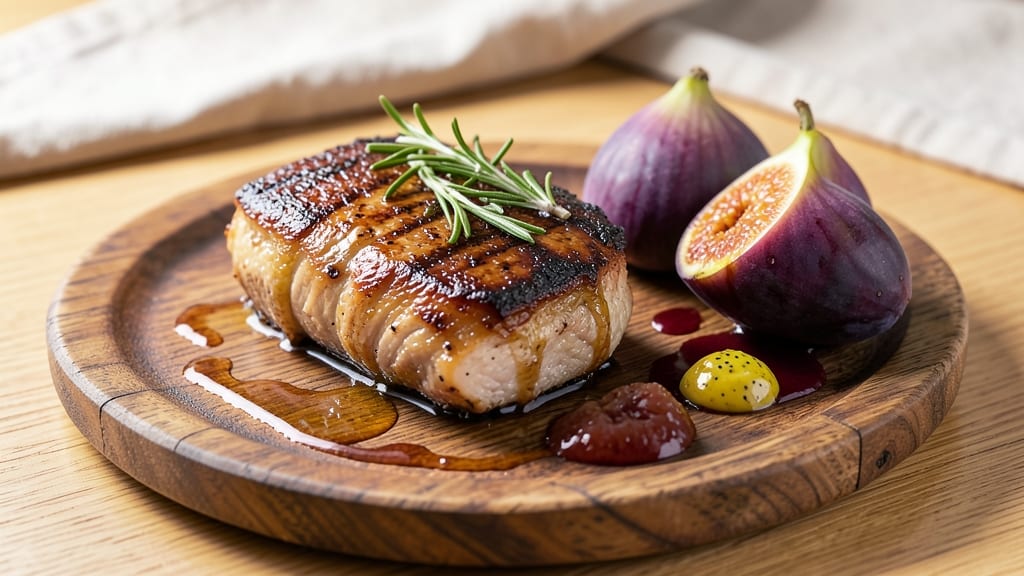
This Carrabba's pork tenderloin with fig sauce recipe delivers restaurant-quality results at home—juicy, perfectly seared pork paired with a sweet-tart glaze that transforms simple weeknight dinner into something special. 💛 The secret lies in high-heat searing followed by precise roasting to achieve that signature tender texture, while the fig sauce simmers down into a velvety, balanced glaze that's easier to make than you'd think.
What sets this dish apart is the technique: starting with a dry-brine overnight ensures maximum moisture retention, while the two-stage cooking method—searing first, then roasting—creates that perfect crust without overcooking the interior.
The fig sauce, made with just five ingredients, develops deep caramelized notes when reduced properly, striking the ideal balance between sweet and tangy that complements the pork beautifully.
By the time you serve this dish, you'll have perfectly cooked pork with a golden-brown crust and tender, juicy meat inside, all smothered in that glossy fig sauce that ties every bite together.
The sauce's natural sweetness enhances rather than overpowers the pork's savory depth, creating a harmony that's both elegant and approachable—exactly what makes this restaurant favorite so beloved.
Pair with roasted seasonal vegetables or crusty bread to complete the meal, and don't worry about leftovers—the fig sauce keeps well in the fridge for up to five days, ready to elevate other dishes.
This is the kind of recipe that transforms ordinary dinners into memorable meals without requiring advanced skills or hours in the kitchen.
Ingredients for carrabba's pork tenderloin with fig sauce
High-quality pork, premium figs, and aged balsamic create a restaurant-worthy dish with minimal effort.
| Ingredient | Amount | Notes |
|---|---|---|
| Pork Tenderloin 🐖 | 1 ½ lb | Center-cut, trimmed of fat |
| Kosher Salt 🧂 | 1 ½ tbsp | Diamond Crystal preferred |
| Fresh Figs 🍇 | 1 cup | Dried or fresh, pitted and chopped |
| Balsamic Vinegar 🍷 | ½ cup | Aged 25 years minimum |
| Dijon Mustard 🥬 | 1 tbsp | High-quality, grainy texture |
| Olive Oil 🫒 | 2 tbsp | Extra-virgin, fruity variety |
| Garlic Cloves 🧄 | 4 cloves | Minced, fresh preferred |
| Honey 🍯 | 2 tbsp | Wildflower preferred |
| Fresh Thyme 🌿 | ¼ cup | Leaves only, finely chopped |
| Black Peppercorns 🌶️ | ½ tsp | Freshly cracked |
| Unsalted Butter 🧈 | 2 tbsp | Cold, cubed for searing |
| Vegetable Oil 🫒 | 2 tbsp | High smoke point |
The pork tenderloin is non-negotiable for this recipe—center-cut and trimmed ensures even cooking and maximum tenderness. Whole Foods or local butchers carry the best quality, but standard supermarket cuts work if labeled 'center-cut'. Look for good marbling and firm texture—avoid any pieces with grayish hues or excessive fat. For the figs, fresh is ideal but high-quality dried (like those from Trader Joe's) work beautifully when rehydrated. The balsamic vinegar should be aged 25 years minimum—Barone Fini or Colavita are excellent choices for that deep, complex flavor profile.
No fresh figs? Dried Mission figs (rehydrated in warm water) provide the same sweet-tart balance. Substitute balsamic with aged red wine vinegar in a pinch, though the flavor won't be identical. For the honey, avoid cheap grocery-store brands—local wildflower honey adds depth. The Dijon mustard must be grainy (like Maille) for that perfect texture in the sauce. Olive oil should be extra-virgin with noticeable fruity notes—California avocado oil works if you prefer a neutral base. Garlic can be pre-minced, but fresh is always better. Thyme is essential for that herbal brightness—dried works at half the amount if fresh isn't available.
The pork should rest uncovered at room temperature for 30 minutes before cooking to ensure even searing. Fig sauce keeps for 5 days in the fridge—store it in an airtight container with a thin layer of olive oil on top to preserve freshness. For longer storage, freeze portions in ice cube trays—perfect for quick glaze additions later. Reheat gently over low heat, stirring occasionally to prevent scorching. The sauce thickens as it cools, so thin with water if needed before serving.
Why You'll Love This Recipe
- One-Pan Magic: I swear by this trick—just toss the pork, salt, and mustard on a sheet pan, roast it, then drizzle that fig-balsamic sauce right over the top. No pots, no pans, no stress.
- Sweet-Savory Fix: The fig sauce is where it’s at—tart balsamic and ripe figs cut through the pork’s richness like a cool breeze. Honestly, I’ll take this over dry meat any day.
- Weeknight to Date Night: Same effort, different vibes. Serve it with crusty bread for a lazy Sunday supper or pair it with a fancy salad for when you’re pretending to be sophisticated. (No judgment here.)
- Leftovers That Don’t Suck: Unlike so many roasted meats, this pork stays juicy and the sauce clings like glue. I’ve reheated slices for lunch three times and still craved more—proof it’s worth the extra prep.
Step-by-step instructions for Carrabba's pork tenderloin with fig sauce
Master this restaurant-quality technique for perfectly tender pork with a luscious fig glaze.
🔥 Step 1: Season and Sear the Pork Tenderloin
Pat the 1.5 lb pork tenderloin completely dry with paper towels—this ensures maximum crispiness. Place it on a cutting board and make shallow slashes about ¼ inch deep in a diamond pattern, being careful not to cut all the way through. This creates more surface area for the seasoning to penetrate and the sear to develop.
In a small bowl, combine the 1.5 tbsp kosher salt, 0.5 tsp freshly cracked black peppercorns, and 0.25 cup finely chopped fresh thyme. Rub this mixture all over the pork, pressing it into the slashes. Let it sit at room temperature for 15 minutes while you prepare the searing.
Heat a large skillet over medium-high heat and add 2 tbsp vegetable oil. Once the oil shimmers, add the 2 tbsp cold cubed unsalted butter. When the butter has melted and the foam subsides (about 2 minutes), carefully add the pork tenderloin. Sear for 3-4 minutes per side until it develops a deep golden-brown crust. The internal temperature should reach 140°F—this is crucial for tender results.
🍳 Step 2: Roast to Perfect Medium-Rare
Preheat your oven to 400°F. Transfer the seared pork tenderloin to a rimmed baking sheet and place it in the oven. Roast for 10-12 minutes until the internal temperature reaches 145°F—this ensures tender, juicy meat without drying it out. The pork will continue cooking slightly as it rests, so don't overcook it.
Here's the thing—pork tenderloin cooks quickly, and the difference between perfect and overdone is just a few degrees. Use a meat thermometer for accuracy. Remove the pork from the oven and let it rest on a cutting board for 10 minutes before slicing. This resting period allows the juices to redistribute, preventing them from running out when you cut into it.
👨🍳 Step 3: Prepare the Fig Sauce
While the pork rests, prepare the fig sauce in the same skillet you used for searing—those flavorful browned bits are pure gold. Add 2 tbsp olive oil and heat over medium heat. Add the 4 minced garlic cloves and sauté for 30 seconds until fragrant but not browned.
Add the 1 cup chopped fresh figs and cook for 2 minutes until they soften slightly. Pour in the 0.5 cup aged balsamic vinegar and 2 tbsp honey, scraping up any browned bits from the bottom of the pan. Bring to a gentle simmer and let it reduce by half—this should take about 5 minutes. The sauce should thicken slightly and become glossy.
Remove the sauce from heat and stir in the 1 tbsp Dijon mustard. Taste and adjust the balance of sweetness and acidity—you want a harmonious sweet-tart flavor that complements the pork. If the sauce is too thick, add 1-2 tablespoons of water to reach your desired consistency.
🥘 Step 4: Slice and Serve with Fig Sauce
After the pork has rested for 10 minutes, slice it into ½-inch thick medallions against the grain. Arrange the slices on a warm serving platter and drizzle generously with the fig sauce. The sauce should coat the pork beautifully, adding a glossy sheen and that signature sweet-tart flavor that makes this dish so special.
Garnish with additional chopped fresh thyme for a pop of color and freshness. Serve immediately with your choice of sides—roasted vegetables, mashed potatoes, or a simple arugula salad all pair beautifully. The contrast of the tender, juicy pork with the rich, tangy fig sauce is what makes this dish truly unforgettable.
Pro Tips For Making Carrabba'S Pork Tenderloin With Fig Sauce
- USE A MEAT THERMOMETER: The pork’s done at 145°F, not when it looks "cooked." I used to pull it at 140°F and end up with dry meat—this temp guarantees juicy, tender results every time.
- SALT THE PORK TWICE: First, pat it dry and season heavily with kosher salt 1 hour before cooking. Then, hit it again right before searing—this double salting locks in flavor and keeps the crust crisp.
- SIMMER FIGS LOW AND LONG: Don’t rush the fig sauce—reduce the balsamic, figs, and mustard on medium-low for at least 10 minutes. High heat turns it into syrup; low and slow keeps the texture jammy and balanced.
- SAVE THE FIG PUREE: Strain the cooked fig mixture through a fine-mesh sieve to remove seeds. I learned this the hard way—seeds make the sauce gritty, and no one wants that in their elegant dinner.
Serving suggestions for this recipe
Crusty Bread Pairing
Nothing complements this dish like warm, crusty bread—especially a freshly baked baguette or ciabatta from your local bakery. I love serving it on the side for soaking up that luscious fig sauce.
For extra flair, brush the bread with garlic-infused olive oil and sprinkle with flaky sea salt before baking. The crispy crust contrasts perfectly with the tender pork and sweet-tart sauce. 🥖
Roasted Seasonal Veggies
Roasted vegetables add color and balance to the rich flavors of the pork. Try carrots, Brussels sprouts, or asparagus tossed in extra-virgin olive oil, salt, and fresh rosemary, then roasted at 400°F for 20-25 minutes until caramelized.
The natural sweetness of the veggies enhances the fig sauce, while their crisp-tender texture cuts through the richness of the pork. 🌱
Simple Arugula Salad
A light arugula salad with a lemon vinaigrette adds freshness and acidity to the meal. Toss 4 cups baby arugula with 2 tbsp olive oil, 1 tbsp fresh lemon juice, 1 tsp honey, and a pinch of salt.
Top with toasted pine nuts or crumbled feta for added texture. The peppery bite of arugula balances the sweetness of the fig sauce beautifully. ✨
Polenta or Mashed Potatoes
For a heartier option, serve the pork with creamy polenta or garlic mashed potatoes. Cook 1 cup polenta in 4 cups chicken broth until thick, then stir in 2 tbsp butter and salt.
For mashed potatoes, boil 2 lbs Yukon Gold potatoes until tender, mash with 4 tbsp butter, ½ cup warm milk, and salt. Both sides soak up the fig sauce like a dream. 🥔
Garnish for Presentation
Elevate the plating with a few finishing touches. A sprinkle of toasted walnuts adds crunch, while edible flowers (like nasturtiums) bring a pop of color. For a restaurant-style touch, drizzle the fig sauce in an artistic pattern over the pork before serving.
The contrast of textures and colors makes the dish look as good as it tastes. 💫
Make-Ahead Sides
Prep sides ahead to streamline your cooking. Roast vegetables can be made 1 day in advance and reheated in the oven for 10 minutes at 375°F. Polenta or mashed potatoes can be refrigerated for up to 3 days—just reheat with a splash of milk or broth.
This way, you can focus on searing the pork and assembling the dish when the time comes. ⏰
Nutrition facts
Frequently asked questions
Can I substitute dried figs for fresh in the sauce?
Yes! Use ½ cup dried figs instead of fresh, but first soak them in warm water for 10 minutes to rehydrate. Drain well before adding to the sauce. The texture will be slightly thicker, so you may need to add 1-2 tablespoons of water to achieve the same glossy consistency.
How do I keep the pork tenderloin from drying out?
The key is precise timing and resting. Sear the pork to 140°F before roasting, then finish in the oven until it reaches 145°F. Let it rest for 10 minutes before slicing—this redistributes the juices. Avoid overcooking, as pork tenderloin dries out quickly once it passes 150°F. A meat thermometer is your best friend here!
Can I make the fig sauce ahead of time?
The fig sauce actually tastes better after resting. Make it up to 5 days in advance and store it in an airtight container in the fridge. The flavors meld beautifully, and the sauce thickens slightly over time. When ready to use, warm it gently on the stove and thin with a splash of water if needed.
What's the best way to reheat leftovers?
Reheat sliced pork tenderloin in a skillet over medium-low heat with a splash of water or broth for 2-3 minutes until warmed through. For the fig sauce, warm it gently in a saucepan over low heat, stirring occasionally to prevent scorching. Never microwave—it destroys the sauce's glossy texture.
Why did my fig sauce turn out too sweet?
Too much honey or not enough balsamic vinegar can make the sauce overly sweet. Balance it by adding 1-2 teaspoons of fresh lemon juice or a pinch of flaky sea salt to cut through the sweetness. Taste as you go—the sauce should have a harmonious sweet-tart flavor, not cloying.