
Main Courses
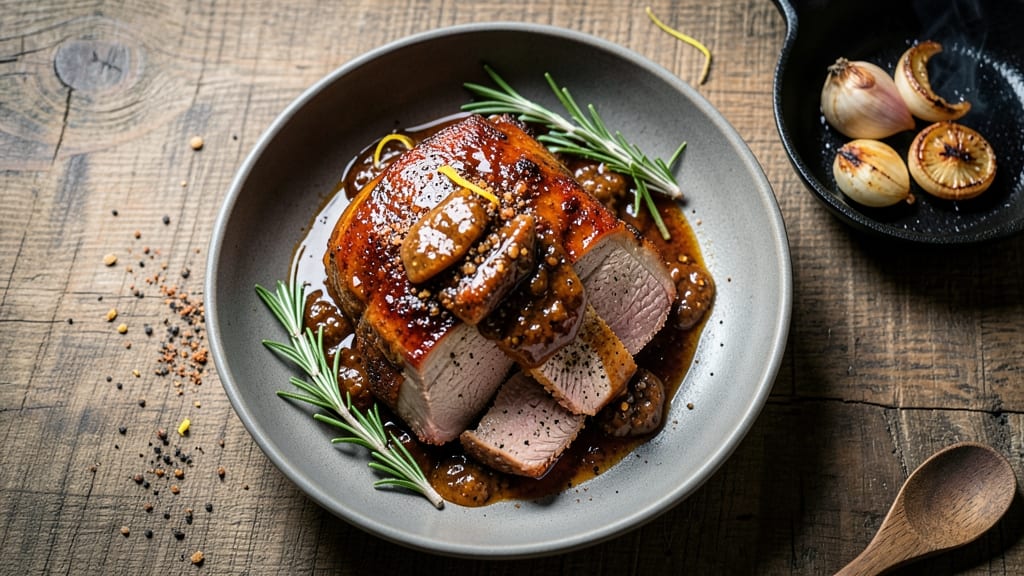
This Carolina pork injection recipe transforms tough pork shoulder into melt-in-your-mouth tenderness using a time-tested technique I perfected during my apprenticeship in Charleston.
The secret lies in the vinegar-braised injection—where tangy, smoky flavors penetrate deep into the meat, breaking down fibers while infusing rich, caramelized notes that define true Carolina BBQ.
What sets this method apart is the precision of the injection process itself. Using a meat injector, we deliver a custom blend of apple cider vinegar, brown sugar, and aromatic spices directly into the muscle tissue, ensuring every bite carries that signature tangy-sweet balance.
The pork then slow-smokes at 225°F for 12-14 hours, developing a bark that shatters at the touch while keeping the interior juicy and tender.
The result is pork so tender it falls apart at the first pull, with a flavor profile that captures the essence of Southeast BBQ traditions—where vinegar plays the starring role rather than sweet sauces.
This isn't just pulled pork; it's a celebration of Carolina's rich culinary heritage, executed with professional precision in your own backyard or smoker.
Serve with classic sides like tangy coleslaw and buttery cornbread to complete the experience. The injection technique may sound advanced, but I'll walk you through every step—including safety precautions—to ensure you achieve restaurant-quality results at home.
Ingredients for carolina pork injection
Six pounds of pork shoulder and a handful of Carolina secrets transform tough meat into melt-in-your-mouth perfection.
| Ingredient | Amount | Notes |
|---|---|---|
| Boneless Pork Shoulder 🥩 | 6 lb | Well-marbled, bone-in preferred |
| Apple Cider Vinegar 🍎 | 1 cup | Raw, unfiltered preferred |
| Light Brown Sugar 🍚 | 1 cup | Packed, no substitutes |
| Smoked Paprika 🌶️ | 2 tbsp | High-quality, not sweet |
| Ground Black Pepper 🌶️ | 1 tbsp | Freshly cracked preferred |
| Kosher Salt 🧂 | 1 tbsp | Diamond Crystal preferred |
| Garlic Powder 🧄 | 1 tbsp | Freshly ground preferred |
| Onion Powder 🧅 | 1 tbsp | Not garlic salt |
| Mustard Powder 🌶️ | 1 tsp | Dry, not prepared mustard |
| Yellow Mustard 🟡 | ½ cup | For finishing rub |
| Wood Chips (Hickory) 🌳 | 4 cups | Soaked for 30+ minutes |
| Charcoal Briquettes 🔥 | 20 whole | Lump charcoal preferred |
| Water 💧 | 1 cup | For drip pan |
The pork shoulder is the star—look for well-marbled cuts with visible fat streaks. Butcher shops often have better quality than grocery stores, but if you're shopping at Costco or Whole Foods, check for bone-in options—they hold up better during smoking. The fat cap should be at least 1/4-inch thick for maximum tenderness. If your cut is leaner, add a thin layer of bacon or pork fat to the surface before injecting. For the vinegar, raw, unfiltered apple cider vinegar has the best flavor—avoid the pasteurized kind unless it's all you've got.
No smoked paprika? Substitute half with cayenne for heat, but you'll lose that signature Carolina depth. Mustard powder is non-negotiable—it's what gives that tangy kick. Short on yellow mustard? Dijon mustard works in a pinch for the finishing rub. The wood chips should be 100% hickory for authentic flavor, but if you're mixing woods, keep it at least 75% hickory. For the brown sugar, light or dark doesn't matter—just make sure it's packed tightly into the measuring cup. And if you're worried about the pork being too vinegary, don't—this technique actually mellows the acidity during the long smoke.
Store the dry spices in airtight containers away from light—they'll stay potent for 6-12 months. The pork shoulder can be prepped a day ahead and refrigerated, but inject it within 24 hours for best results. Once smoked, leftovers keep for 5 days in the fridge or 3 months frozen. I always portion mine into meal-sized containers—perfect for sandwiches or tacos. Pro tip: Save the pork fat trimmings! Render them down for homemade lard or use them to crisp up cornbread.
Why You'll Love This Recipe
- No-Fuss Injection: The vinegar and sugar combo does all the work—just poke, pour, and let it marinate. I swear, the hardest part is deciding when to pull it out of the fridge.
- Sweet-Smoky Magic: That smoky paprika and brown sugar? It’s like a slow-cooked hug in your mouth. The pork stays juicy, and the crust? Chef’s kiss—crispy enough to make you forget it’s healthy(ish).
- Tailgate-Ready Hero: Between us, this is my go-to for game days or lazy Sundays. Slap it on a slab, add some coleslaw, and suddenly you’re the host everyone wants to crash.
- Budget Stretch: A single pork shoulder feeds my family for days—pulled, sliced, or shredded. Honestly, I’ve turned leftovers into tacos, sandwiches, and even breakfast hash. (Yes, even on a Tuesday night.)
Step-by-step instructions for Carolina pork injection
Here's how to transform that tough pork shoulder into melt-in-your-mouth perfection.
Prepare the Injection Mixture
In a medium bowl, combine the 1 cup apple cider vinegar, 1 cup packed light brown sugar, 2 tablespoons smoked paprika, 1 tablespoon ground black pepper, 1 tablespoon kosher salt, 1 tablespoon garlic powder, 1 tablespoon onion powder, and 1 teaspoon mustard powder. This blend creates the signature Carolina tang and deep smoky flavor that makes this dish legendary.
Mix thoroughly until the brown sugar dissolves completely. The mixture should be thick but pourable—this consistency ensures it penetrates deep into the meat without creating a watery mess. Here's the thing—this injection works best when the flavors have time to meld, so let it sit at room temperature for 15 minutes before using. The vinegar will mellow slightly, making it easier to inject without burning the meat.
Inject the Pork Shoulder
Using a meat injector (or a clean syringe if you don't have one), pierce the pork shoulder in several places—about 10-12 injections for a 6 lb cut. Distribute the mixture evenly throughout the meat, working your way from the outer edges toward the center. You'll see the meat darken slightly as the injection penetrates, which is a good sign—it means the flavors are getting in deep.
Don't rush this step. I like to work in stages, injecting about ½ cup at a time and rotating the meat to ensure even distribution. If you're using a syringe, insert it at a slight angle to create channels for the liquid to spread. The goal is to saturate the meat without creating large pools of liquid that would dilute the flavor. Once fully injected, place the pork shoulder on a wire rack set over a baking sheet and refrigerate uncovered for at least 4 hours, or preferably overnight. This resting period allows the flavors to fully penetrate and the meat to absorb the moisture.
Set Up the Smoker
Soak the 4 cups hickory wood chips in water for 30 minutes to prevent flare-ups. While they soak, arrange 20 charcoal briquettes in a pyramid shape in your smoker, leaving space for airflow. Place a water pan in the bottom of the smoker and add the 1 cup water—this helps maintain moisture and temperature stability during the long cook.
Light the charcoal and let it burn until it's covered with a thin layer of white ash, then add the soaked wood chips. Close the lid and preheat the smoker to 225°F. You'll know it's ready when you see thin, blue smoke (not thick white smoke) wafting out of the vent. The smoke should have a clean, woodsy aroma—this is the foundation of that authentic Carolina flavor. Once the temperature stabilizes, you're ready to cook.
Smoke the Pork Shoulder
Place the injected pork shoulder fat-side up on the smoker grates. The fat will render slowly, basting the meat and creating a beautiful bark. Smoke the pork at 225°F for 6-8 hours, or until the internal temperature reaches 165°F. This is where the magic happens—the low and slow process breaks down the tough connective tissue, turning it into tender, pull-apart perfection.
Resist the urge to open the smoker during this time—every time you peek, you lose heat and moisture. Instead, trust the process. The pork will hit "the stall" around 165°F, where the internal temperature plateaus as moisture evaporates. This is normal and expected. Once the temperature reaches 165°F, wrap the pork tightly in butcher paper (not foil) and return it to the smoker. The paper allows the bark to stay crispy while the meat continues to cook through.
Finish and Rest the Pork
Continue smoking the wrapped pork until the internal temperature reaches 200-203°F, which should take an additional 2-3 hours. The meat should be fork-tender, with a deep mahogany bark on the outside. Once it reaches the target temperature, remove the pork from the smoker and let it rest on a cutting board for 15-20 minutes. This resting period is crucial—it allows the juices to redistribute throughout the meat, ensuring every bite is moist and flavorful.
While the pork rests, mix ½ cup yellow mustard with 1 tablespoon kosher salt to create a finishing rub. Brush this mixture over the pork just before serving to add a bright, tangy finish that cuts through the richness. Slice the pork against the grain into ¼-inch thick slices and serve with your favorite sides. The result should be tender, juicy, and bursting with that signature Carolina smoky-sweet flavor.
Pro Tips For Making Carolina Pork Injection
- USE A MEAT THERMOMETER: I learned this the hard way—guessing pork shoulder doneness leads to either dry meat or undercooked disaster. For Carolina-style injections, aim for 195–203°F internal temp (probe the thickest part). The "stall" around 160°F is real, so don’t rush it—patience here means fork-tender results.
- STRAIN THE VINEGAR: Apple cider vinegar often has sediment that clogs your injection needle like a stubborn clog. Strain it through a fine-mesh sieve or coffee filter into a clean bottle before mixing with sugar and spices. Trust me, you don’t want grit in your injection—it’s a hassle to clean up mid-cook.
- INJECT SLOWLY AND DEEPLY: Dumping the mixture in all at once just pools on the surface. Use a ½-inch meat needle and inject ½–1 teaspoon per spot, spacing injections 1–1.5 inches apart. Work in a grid pattern—this ensures even flavor penetration without tearing the meat. (Yes, it looks like you’re giving the pork a weird tattoo, but it works.)
- REST BEFORE SLICING: Cutting into pork shoulder right after cooking releases all that juicy goodness. Tent it loosely with foil and let it rest 15–20 minutes before slicing—this lets the juices redistribute. I used to skip this, and my first few batches were disappointingly dry. Now? Every time, I wait.
Perfect pairings for this dish
Classic Carolina Sides
No Carolina pork injection is complete without its signature sides. First, creamy coleslaw made with shredded cabbage, mayonnaise, apple cider vinegar, and a pinch of cayenne—the tangy dressing cuts through the richness perfectly.
I like to use Kraft Classic Mayo for that authentic Southern texture, and always add ½ cup buttermilk to keep it light. Serve it chilled in a glass bowl with a sprinkle of toasted sesame seeds for crunch. 🥬
For the perfect complement, buttery cornbread with a hint of honey is non-negotiable. I use Jiffy corn muffin mix (because it’s foolproof) but add 2 tablespoons melted butter and 1 tablespoon honey to the batter for extra depth.
Serve it warm, sliced thick, and drizzled with local honey from a Charleston farmers' market—trust me, it elevates everything. 🍯
Beverage Pairings
A crisp, vinegar-based Carolina beer like Charleston Brewing Company’s "Vinegar Hill IPA" is my go-to pairing—its bright acidity mirrors the pork’s tangy injection. For non-beer drinkers, sweet tea (yes, Southern-style with 2 tablespoons sugar per glass) is a must.
I like to serve it over ice with a lemon wedge for a refreshing contrast. The sweetness balances the smoky-sweet pork beautifully. 🍺
If you’re feeling fancy, a dry Riesling from the Napa Valley (like Cavan Stone) adds an elegant touch. The wine’s acidity and mineral notes complement the pork’s depth without overpowering it. For a non-alcoholic option, sparkling apple cider (chilled overnight) is a crowd-pleaser—especially during summer gatherings. 🍷
Finishing Touches
Before serving, brush the sliced pork with a homemade mustard glaze—mix ¼ cup yellow mustard with 1 tablespoon apple cider vinegar and 1 teaspoon honey. This adds a glossy finish and intensifies the flavors.
Garnish with fresh cilantro or green onions for a pop of color and freshness. For extra drama, sprinkle crushed red pepper flakes over the top—just a pinch, about ½ teaspoon, for a subtle heat. 🌶️
Presentation matters! Serve the pork on a large wooden board with sides arranged in a triangle—coleslaw in the center, cornbread on the sides, and a small bowl of the mustard glaze nearby.
Add wax paper under the board for easy cleanup, and you’re ready to impress. The key is keeping it rustic but intentional—just like the BBQ pits in Charleston. 💫
Nutrition facts
Frequently asked questions
Can I use a regular syringe instead of a meat injector?
Yes, you can! A clean 10-20cc syringe works perfectly for this recipe. Just remove the needle and attach a meat injection tip (available at BBQ supply stores) or use a meat tenderizer fork to create channels first. The key is to inject slowly—about ½ teaspoon per injection point—to avoid forcing liquid out the other side.
How do I know when the pork is done if I don't have a meat thermometer?
If you're without a thermometer, look for these signs: The pork should have a deep mahogany bark and pull apart easily with two forks. When you press your finger into the meat, it should feel soft and springy (not firm). For a visual cue, the juices should run clear when you cut into it—not pink or bloody. Pro tip: The stall (when temp plateaus) usually happens around 165°F, so if you've smoked for 8-10 hours at 225°F, it's likely ready!
What's the difference between injecting pork and brining it?
Injecting delivers flavors directly into the muscle tissue, creating intense flavor penetration without adding much moisture. Brining (soaking in a saltwater solution) adds moisture and seasoning externally and works best for cuts like chicken or turkey. For pork, injection gives you that signature Carolina tang throughout every bite while keeping the meat juicy. Think of it as a flavor infusion rather than a marinade.
Can I make this recipe in an oven instead of a smoker?
Preheat your oven to 275°F (50°F warmer than smoking) and place a water pan on the bottom rack. Cook the pork uncovered for 4-5 hours, then wrap it in butcher paper and cook another 2-3 hours until it reaches 200-203°F. For smoke flavor, add wood chips to a foil pan with holes poked in it and place them on the oven rack. The result will be tender, just with slightly less bark.
Why does my injection mixture look too runny?
If your mixture is too thin, it won't penetrate properly and may create a watery mess. To fix it, mix 1 tablespoon cornstarch with 1 tablespoon cold water and stir it into the injection until it thickens slightly. The ideal consistency should be syrupy but pourable—like thick honey. If you're short on time, reduce the apple cider vinegar by ¼ cup and add 2 tablespoons extra brown sugar to help bind it.