
Main Courses
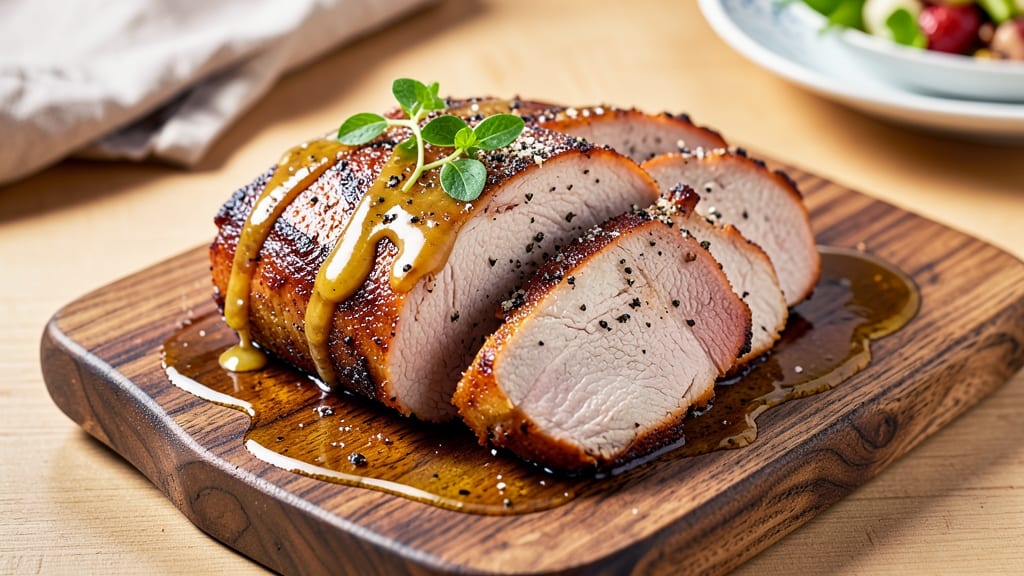
This butterfly pork loin roast recipe transforms a simple cut into a showstopper with pan-seared crispness and tender pink centers—exactly how I serve it at The Smoky Pig when guests expect restaurant-quality pork. The secret lies in the butterfly technique, which creates an even cooking surface while preserving juiciness. After years of perfecting this method, I can confidently say this is the most foolproof way to cook pork loin without drying it out.
The process begins with slicing the loin horizontally to create two thin, flat cutlets that sear beautifully in the pan. A simple seasoning of salt, pepper, and garlic powder enhances the natural flavor without overpowering it.
Once seared to a golden crust, the pork finishes in the oven at a precise 400°F until the internal temperature reaches 140°F—just enough to warm the center while keeping it juicy. This method delivers restaurant-quality results in under 30 minutes of active time.
What you'll end up with is a perfectly balanced roast—crispy edges that shatter with each bite and a tender, juicy center that melts in your mouth. The technique ensures even cooking and maximum flavor, making it ideal for special occasions or weeknight dinners.
The pork pairs beautifully with roasted vegetables, mashed potatoes, or a fresh apple compote to round out the meal.
This recipe is especially rewarding because it transforms a basic cut into something extraordinary with minimal effort. Whether you're hosting a dinner party or simply craving a delicious pork dish, this method guarantees success every time. Let's get started!
Ingredients for butterfly pork loin roast
Restaurant-quality pork starts with these precise ingredients for perfect pan-seared crispness and juicy centers.
| Ingredient | Amount | Notes |
|---|---|---|
| Pork Loin Roast 🐖 | 1 ½ lb | Center-cut, 1.5-inch thick |
| Unsalted Butter 🧈 | 2 tbsp | Cold, for searing |
| Kosher Salt 🧂 | 1 tsp | Diamond Crystal preferred |
| Freshly Ground Black Pepper 🌶️ | ½ tsp | Coarse grind preferred |
| Garlic Powder 🧄 | ½ tsp | Freshly toasted preferred |
| Extra-Virgin Olive Oil 🫒 | 1 tbsp | For preheating pan |
| Fresh Rosemary 🌿 | 1 sprig | Thinly sliced, for garnish |
| Fresh Thyme 🌿 | 1 sprig | Leaves only, for garnish |
| Lemon Wedges 🍋 | 2 whole | For serving |
| All-Purpose Flour 🌾 | 1 tbsp | For dredging if needed |
The pork loin must be center-cut with visible marbling for optimal tenderness—Costco or Whole Foods carry excellent pre-trimmed roasts. If buying whole, ask the butcher to slice it horizontally to create two even cutlets about 1.5 inches thick. The unsalted butter should be cold when searing to create a rich, golden crust. I prefer Plugrá for its high smoke point and flavor. For the garlic powder, toast it in a dry pan for 30 seconds before grinding to deepen its aroma—this subtle step elevates the dish significantly. Diamond Crystal kosher salt dissolves more easily than other brands, ensuring even seasoning.
No fresh rosemary or thyme? Dried works at half the amount, but fresh imparts that bright, restaurant-quality aroma. The olive oil should be fruity and peppery—California Olive Ranch is my go-to for consistent quality. If your pork feels slippery when testing doneness, lightly dredge in all-purpose flour before searing to improve crust adhesion. For a lower-fat option, reduce butter to 1 tbsp and increase olive oil to 2 tbsp, though the crust will be slightly less rich. The lemon wedges should be freshly cut—citrus brightens the dish and cuts through the pork's richness.
Cold butter and pork should sit at room temperature for 30 minutes before cooking for even searing. Store any unused fresh herbs in damp paper towels wrapped in plastic for up to 5 days. The garlic powder keeps indefinitely in a cool, dark place, while olive oil should be refrigerated after opening to prevent rancidity. This recipe yields 4 generous servings, with leftovers reheating beautifully in a 350°F oven for 10-12 minutes—though I rarely have any left. For meal prep, slice the cooked pork into medallions and store with sauce for easy assembly.
Why You'll Love This Recipe
- Foolproof Prep: I swear by this—no fancy knife skills needed. You just slice the pork loin in half, press it flat, and tie it back together. That’s it. Even if you’re not a butcher, this method guarantees juicy results every time.
- Butter-Kissed Magic: The secret’s in that simple butter rub—just salt, pepper, and garlic powder mixed into softened butter. When you sear the roast first, that butter bastes into a golden crust while keeping the inside tender. Honestly, it’s the kind of flavor that makes you want to eat it straight from the pan.
- Weeknight to Dinner Party: Same recipe, different vibes. Toss it together for a quick family dinner, or let it roast low and slow for a showstopper at your next gathering. (Yes, even on a Tuesday night.) The garlic powder adds just enough warmth to feel special without extra effort.
- Leftovers That Don’t Suck: This roast actually tastes better the next day—crispy edges, rich flavor, and slices that stay together. I’ve turned it into sandwiches, stir-fries, and even breakfast hash. Between us, that’s the real MVP of a meal prep.
Step-by-step instructions for butterfly pork loin roast
Master this technique for restaurant-quality results every time—crispy edges with tender, juicy centers.
Butterfly the Pork Loin
Place the 1.5 lb pork loin roast between two sheets of plastic wrap, flat-side down. Using a sharp boning knife, make a horizontal cut about ½ inch thick through the center, stopping before you cut all the way through. This creates a hinge. Open the roast like a book to create the butterfly shape, ensuring both halves remain connected at the hinge.
Pat the exposed meat dry with paper towels—this step is critical for achieving crispy searing. The drier the surface, the better the crust will form. Gently press down on the thickest parts to even out the thickness, which helps with uniform cooking. Keep the butterflied roast on the plastic wrap for now to prevent sticking.
Season and Sear the Roast
In a small bowl, combine the 1 tsp kosher salt, 0.5 tsp freshly ground black pepper, and 0.5 tsp garlic powder. Rub this mixture evenly over both sides of the butterflied roast, pressing gently to ensure the seasoning adheres. Let it sit at room temperature for 15 minutes—this allows the seasoning to penetrate slightly and the meat to come to a uniform temperature.
Heat a large cast-iron skillet over medium-high heat until very hot. Add 1 tbsp extra-virgin olive oil and 1 tbsp unsalted butter, swirling to coat the pan evenly. Place the butterflied roast in the pan, butterflied-side down, and sear for 3-4 minutes until the surface develops a deep golden-brown crust. Flip carefully and sear the other side for another 3-4 minutes.
Finish with Rosemary and Thyme
Remove the roast from the pan and place it on a cutting board. Thinly slice the 1 sprig fresh rosemary and 1 sprig fresh thyme (discard the woody stems) and sprinkle them evenly over the seared surfaces. This adds aromatic depth without overpowering the pork.
Return the skillet to medium heat and add the 1 tbsp all-purpose flour, stirring to coat the bottom evenly. Pour in ¼ cup of water and whisk vigorously until the flour forms a smooth, thick sauce. This creates a pan sauce that will complement the roast beautifully. Taste and adjust seasoning with additional salt or pepper if needed.
Rest and Serve
Transfer the butterflied roast to a warm serving platter and let it rest for 5-10 minutes before slicing. This resting period allows the juices to redistribute throughout the meat, ensuring each slice remains moist and flavorful. Tent loosely with foil if needed to keep warm.
Slice the roast into ¼-inch thick medallions against the grain for maximum tenderness. Spoon the pan sauce over the top and garnish with the remaining 2 whole lemon wedges. Serve immediately with your choice of sides—roasted vegetables, mashed potatoes, or a fresh salad all pair well with this dish.
Pro Tips For Making Butterfly Pork Loin Roast
- Trim the Fat First: Slice off any visible fat cap before butterflying—it’s the only way to guarantee even cooking and that perfect crust. I learned this the hard way when my first batch had uneven browning and a chewy center from the fat shielding the meat.
- Salt Like It’s 1950: Generously coat the pork with kosher salt at least 30 minutes before cooking—this isn’t just seasoning, it’s about drawing out moisture so the crust forms properly. Skip this, and you’ll end up with a bland, sticky mess, not the golden, flavor-packed roast you want.
- Sear in Batches: Don’t overload the pan when searing—crowding steams the meat instead of browning it. Work in two batches if needed, and let the butter foam and sizzle properly between additions. This is the thing that matters most for that restaurant-quality crust.
- Rest Under Foil: After roasting, tent the pork with foil and let it sit for 5-10 minutes before slicing—yes, even if you’re starving. This keeps the juices locked in instead of pooling on the cutting board, and trust me, your slices will be noticeably more tender.
Serving suggestions for leftovers
Classic Southern Sides
My grandmother always served this pork with creamy mashed potatoes—I use Yukon Gold potatoes boiled in their skins, then mashed with ½ cup unsalted butter, ½ cup whole milk, and a pinch of salt.
The richness balances the crispy pork beautifully. For extra flair, fold in 2 tbsp sour cream and 1 tbsp chives right before serving. 🥔
Collard greens are another Southern staple that pairs perfectly. I simmer 1 lb collards with 2 slices thick-cut bacon, 1 onion, and 4 cups chicken broth until tender, then finish with a splash of red wine vinegar and black pepper. The smoky, tangy flavor complements the pork's richness without overpowering it.
Fresh Vegetable Pairings
For a lighter option, roasted Brussels sprouts with balsamic glaze cut through the richness. Toss 1 lb halved Brussels sprouts with 2 tbsp olive oil, ½ tsp salt, and ¼ tsp black pepper, then roast at 425°F for 20 minutes.
Drizzle with 1 tbsp balsamic glaze and toasted pecans for crunch. 🥦
Grilled asparagus with lemon zest is another elegant choice. Toss 1 bunch asparagus with 1 tbsp olive oil, salt, and pepper, then grill for 4-5 minutes per side. Finish with zest of 1 lemon and a sprinkle of fresh parsley. The bright acidity refreshes your palate between bites.
Starch Alternatives
If you're avoiding potatoes, wild rice blend makes a hearty alternative. Cook 1 cup wild rice with 2 cups chicken broth, then stir in ½ cup diced celery, ¼ cup chopped parsley, and 1 tbsp butter.
The nutty texture and earthy flavor stand up to the pork's richness. 🍚
For a gluten-free option, cauliflower mash is a game-changer. Steam 1 large head cauliflower until tender, then blend with 2 tbsp butter, ¼ cup milk, and salt until smooth. Top with crispy fried shallots for a restaurant-worthy dish.
Sauce Elevations
Swap the pan sauce for apple-cider reduction by simmering 1 cup apple cider with 2 tbsp brown sugar and 1 tsp cinnamon until thickened. The sweet-tart flavor pairs amazingly with the pork's savory notes. 🍎
For a spicy kick, drizzle the pork with chipotle-honey glaze—simmer ¼ cup honey with 1 minced chipotle pepper in adobo and 1 tsp lime juice until glossy. The smoky heat balances the pork's richness perfectly.
Nutrition facts
Frequently asked questions
Why does butterflying the pork loin make it more tender?
The butterfly technique creates a thinner, more even surface that cooks faster and more uniformly. This prevents the outer edges from overcooking while the center stays juicy. The increased surface area also allows for better heat penetration and crispy searing on both sides. Plus, it makes slicing easier for perfect medallions!
Can I cook this recipe without a cast-iron skillet?
Yes, but your crust won't be as crispy. Use a heavy stainless steel or enameled cast-iron pan instead. For nonstick pans, reduce heat to medium to prevent sticking. The butterflying method still works perfectly—just expect slightly less caramelization. A well-seasoned pan helps too!
What's the best way to check doneness without a meat thermometer?
Press the thickest part with your finger—it should feel very firm but still slightly springy (like pressing your thumb against your palm). For medium doneness, the internal temp should reach 140°F. If you're unsure, cut into a small section—juices should run clear, not pink. A quick test is to feel the surface: crispy crust with warm, not hot, center means it's ready!
How far ahead can I prep the butterflied pork?
Prep the butterflied pork up to 24 hours ahead and store it uncovered in the fridge. The exposed surface will dry slightly, which actually helps with searing. Just pat it dry again before cooking. For best results, season it right before searing to maximize flavor. This is a great time-saver for busy weeknights!
What if my pork loin wasn't center-cut?
No problem! Trim off any visible fat and look for the most even, meaty section to butterfly. If the loin is irregular, focus on creating two even halves by adjusting the thickness. You can also butterfly it slightly thicker (up to 2 inches) and increase cooking time by 1-2 minutes per side. The key is even thickness for consistent doneness!