
Main Courses
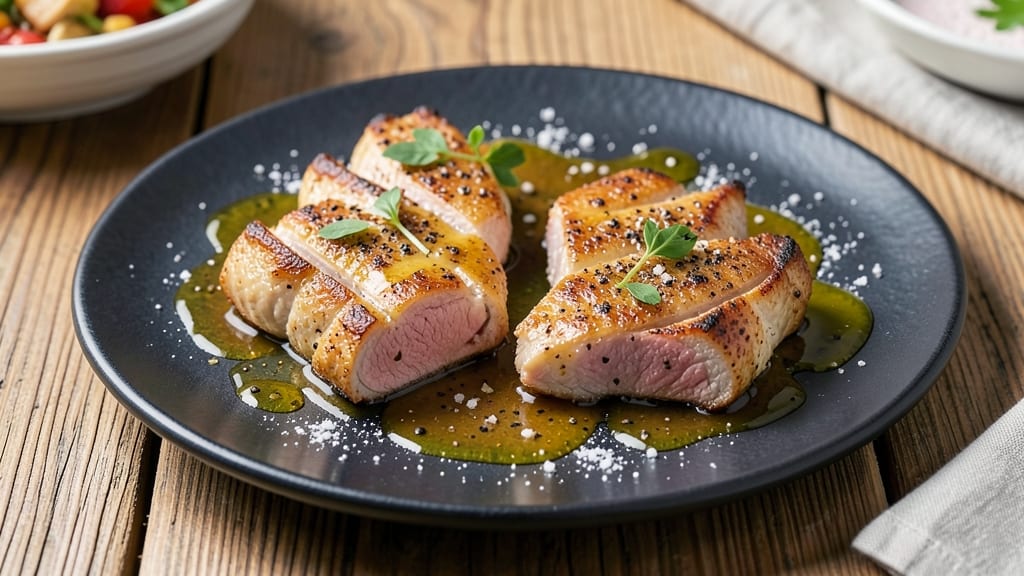
This butterfly cut pork chops recipe transforms tough chops into melt-in-your-mouth perfection in just 20 minutes—no dry, rubbery results here. The secret lies in the butterfly technique: a simple cut that ensures even cooking and maximum tenderness. I've been perfecting this method for years, especially after years of butchering my own heritage pork at home.
The process starts with a sharp knife and a few precise cuts to create those signature butterfly flaps. From there, it's all about high-heat searing and proper seasoning. Bone-in chops stay juicier, but the butterfly cut ensures they cook through perfectly without overcooking the outside.
This is the kind of recipe that turns weeknight dinners into restaurant-quality meals without the fuss.
What you'll end up with is golden-brown pork chops with crisp edges and tender, juicy centers that practically fall apart. The internal temperature should reach 145°F, and the resting time is crucial—don't skip it.
Serve with a simple pan sauce made from the rendered drippings, and you've got a meal that's elegant enough for company but easy enough for any night.
Perfect for feeding a family or impressing guests, these chops pair beautifully with roasted vegetables, mashed potatoes, or a fresh garden salad. The technique works for grilling too—just adjust the time slightly. Let's get cooking!
Ingredients for butterfly cut pork chops
Heritage pork chops and precise cuts transform a simple weeknight dinner into restaurant-quality perfection.
| Ingredient | Amount | Notes |
|---|---|---|
| Bone-In Pork Chops 🥩 | 4 whole | Heritage pork, 1-inch thick |
| Unsalted Butter 🧈 | ½ cup | Cold, cut into 8 pieces |
| Kosher Salt 🧂 | 1 ½ tsp | Diamond Crystal preferred |
| Freshly Ground Black Pepper 🌶️ | ½ tsp | Coarse grind for texture |
| All-Purpose Flour 🌾 | ¼ cup | For dredging, sifted |
| Extra-Virgin Olive Oil 🫒 | 1 tbsp | High smoke point |
| Garlic Cloves 🧄 | 4 cloves | Minced, for pan sauce |
| Shallots 🧅 | 2 whole | Thinly sliced, for pan sauce |
| Dry White Wine 🍷 | ¼ cup | Sauvignon Blanc preferred |
| Chicken Stock 🥄 | ½ cup | Homemade or quality store-bought |
| Fresh Thyme Leaves 🌿 | ¼ cup | Stripped from stems |
| Fresh Parsley Leaves 🌿 | ⅛ cup | Chopped, for garnish |
The pork chops are the foundation—heritage pork delivers superior marbling and tenderness, but any bone-in chops work in a pinch. Look for 1-inch thickness to ensure even cooking. I source mine from local butchers or Whole Foods when heritage isn't available. The butterfly cut is non-negotiable: slice horizontally through the thickest part, stopping before the bone, then open like a book. A sharp boning knife and steady hand make all the difference. If you're nervous about the cut, practice on a cheaper chop first.
No white wine? Dry vermouth or extra chicken stock works in a bind, though the acidity won't be identical. Fresh thyme is ideal, but dried thyme at one-third the amount suffices if you're short on time. The flour should be sifted—no lumps in your dredge. For the pan sauce, shallots add depth over onions, and the chicken stock should be reduced by half for maximum flavor. If you're grilling instead of pan-searing, skip the butter and use avocado oil for high-heat stability. The butter pieces should be cold and roughly cubed—this ensures proper browning without burning.
Pork chops rest for 5-10 minutes after cooking—this is crucial for juiciness. Store leftovers in an airtight container for 3-4 days in the fridge, though they're best enjoyed fresh. The pan sauce reheats beautifully—simply warm over low heat with a splash of water or stock. For longer storage, freeze portions of the sauce in ice cube trays, then transfer to a bag. These chops pair perfectly with roasted Brussels sprouts or garlic mashed potatoes, but honestly, they stand alone as a showstopper.
Why You'll Love This Recipe
- Five-Ingredient Magic: The pantry staples here—just butter, flour, salt, and pepper—turn into something restaurant-worthy with zero fuss. I swear, the only "secret" is letting the bone-in chops sear until that crust forms, then finishing with a pat of butter that melts into pure flavor.
- Crispy-Creamy Obsession: That first bite? Crispy edges from the flour dusting, juicy pink center, and butter basting so rich it feels indulgent. Honestly, I’ve made this for dinner parties and weeknights—no one ever guesses how little effort it takes.
- Weeknight Hero: Throw a sheet pan in the oven while you chop veggies or toss a salad. The chops cook in 20 minutes, and leftovers reheat beautifully—perfect for lunch the next day or freezing for when you’re too tired to cook.
- Budget-Friendly Feast: Bone-in pork chops stretch further than you’d think, and the ingredients cost pennies compared to fancy cuts. Between us, this is how I feed my family well without breaking the bank—everyone gets seconds, and I still save money.
Step-by-step instructions for butterfly cut pork chops
Master this technique for pork chops that stay impossibly juicy while developing a golden crust.
Butterfly the Pork Chops
Place each of the 4 whole bone-in pork chops between two sheets of plastic wrap. Using a sharp boning knife, carefully slice horizontally through the thickest part of the meat, stopping just before you reach the bone. This creates a hinge that allows the chop to lay flat while remaining attached. Press gently on the knife to separate the meat cleanly—you're aiming for an even thickness of about ½ inch on each side.
Once butterflied, pat both sides dry with paper towels. This step is crucial because any moisture left on the surface will prevent proper browning. Arrange the chops on a plate and season immediately with 1.5 teaspoons kosher salt and 0.5 teaspoon freshly ground black pepper, pressing the seasoning into the meat so it adheres. Let them rest at room temperature for 15 minutes before cooking to ensure even doneness.
Dredge and Sear for Maximum Crust
Set up a dredging station with 0.25 cup all-purpose flour in a shallow dish. Working in batches to avoid crowding, dip each butterflied chop into the flour, turning to coat both sides evenly. Shake off any excess flour—you want a thin, even layer, not a thick coating. This light dredge will create a delicate, crispy crust while keeping the interior tender.
Heat 1 tablespoon extra-virgin olive oil in a large skillet over medium-high heat until shimmering. Add the chops and cook for 2-3 minutes per side, pressing down gently with a spatula during the first minute to ensure even contact with the pan. You'll know they're ready to flip when the edges develop a golden brown crust and the meat releases easily from the pan. Transfer the chops to a warm plate and tent loosely with foil to keep warm.
Build a Rich Pan Sauce
Immediately reduce the heat to medium and add 0.5 cup unsalted butter, cut into 8 pieces, to the same skillet. Allow the butter to melt and foam, then add the 4 cloves minced garlic and 2 whole thinly sliced shallots. Cook for 1-2 minutes until the garlic is fragrant and the shallots begin to soften but not brown. This step develops the aromatic foundation of your sauce.
Pour in 0.25 cup dry white wine, scraping up any browned bits from the bottom of the pan with a wooden spoon. Let the wine simmer for 2-3 minutes until reduced by half. Add 0.5 cup chicken stock and 0.25 cup fresh thyme leaves, then bring to a gentle simmer. The sauce should coat the back of a spoon—if it's too thick, add 1 tablespoon water to reach your desired consistency.
Finish and Serve with Herbs
Return the chops to the skillet, spooning the sauce over the top. Simmer gently for 1-2 minutes to heat through, ensuring the sauce clings to the meat. The internal temperature should reach 145°F when measured at the thickest part of the chop. If the sauce begins to tighten up, add another 1 tablespoon chicken stock to maintain its velvety texture.
Remove the chops from the skillet and transfer to serving plates. Strain the sauce through a fine-mesh sieve to remove any herb stems, then drizzle generously over the chops. Garnish with 0.125 cup chopped fresh parsley leaves for a pop of color and freshness. Serve immediately with roasted vegetables or a simple salad to complement the rich, herby sauce.
Pro Tips For Making Butterfly Cut Pork Chops
- PAT THE DRY: Butterfly cuts are thick and prone to steam—wipe them down with paper towels before seasoning. I learned this the hard way when my butter wouldn’t brown because moisture kept getting in the way. Dry chops = better crust.
- SEAR IN BATCHES: Crowd the pan, and your butter will turn to soup. Cook chops in single layers over medium-high heat—no overlapping—until golden. After burning three batches, I finally figured out: patience here means crispy skin later.
- REST UNDER FOIL: Skip the tenting, but don’t skip resting. Transfer seared chops to foil for 5–10 minutes—they’ll stay juicy while you finish cooking. I know, I know, but trust the process: cutting too soon means dry, sad pork.
- USE COLD BUTTER: Plop cold butter cubes over the chops in the last 2 minutes of cooking. They’ll melt into a luscious sauce instead of burning. Sounds weird, but it works: no more scrapping crispy bits off the bottom of the pan.
Regional styles of butterfly cut pork chops
Southern BBQ Style
In the Southeast, we take our pork chops seriously—especially when we're grilling them over hickory or pecan wood. For a true Southern twist, skip the wine in the pan sauce and replace it with ½ cup apple cider vinegar and ¼ cup molasses instead.
Add 1 teaspoon smoked paprika and ½ teaspoon cayenne to the flour dredge for a subtle smoky kick. I like to serve these with a side of collard greens cooked with smoked turkey neck—the sweetness of the pork chops pairs perfectly with the tangy greens. 🔥
Italian Pan-Seared
For an Italian-inspired version, swap the thyme for ½ teaspoon dried oregano and add 1 teaspoon lemon zest to the pan sauce along with the wine. Use ½ cup dry vermouth instead of white wine for extra depth.
Finish with a sprinkle of grated Parmesan cheese and a few sun-dried tomato halves on top of each chop. This version shines with a side of creamy polenta or roasted zucchini. 🍷
German Schnitzel Twist
Take your butterflied chops to German territory by using ½ cup panko breadcrumbs mixed with 1 teaspoon dried parsley and ½ teaspoon onion powder for the coating instead of plain flour.
After searing, add 2 tablespoons capers and 1 tablespoon Dijon mustard to the pan sauce for a tangy, briny finish. Serve with potato pancakes (Reibekuchen) and a crisp green salad. This version feels hearty enough for a weekend brunch. 🥔
Asian-Inspired Glaze
For an Asian-inspired take, replace the white wine with ¼ cup soy sauce and 2 tablespoons rice vinegar. Add 1 tablespoon honey and 1 teaspoon grated ginger to the pan sauce, then finish with a drizzle of sesame oil before serving.
Garnish with sliced green onions and a sprinkle of toasted sesame seeds. Serve with steamed jasmine rice and stir-fried bok choy for a complete meal. 🌶️
Heritage Pork Farmhouse
This is my personal favorite—using heritage pork chops with a simple farmhouse approach. After searing, deglaze the pan with ½ cup apple cider instead of wine, then add 1 cup chicken stock and a handful of fresh sage leaves.
Let it simmer until thickened, then finish with a splash of heavy cream for richness. The deep, savory flavors of heritage pork shine through, and it pairs beautifully with roasted root vegetables like carrots, parsnips, and sweet potatoes.
This is the kind of dish I'd serve at a family gathering. 🏡
Nutrition facts
Frequently asked questions about butterfly cut pork chops
Why do I need to butterfly the pork chops?
The butterfly cut ensures even cooking and maximum tenderness. By slicing horizontally through the thickest part, you create a thinner, uniform surface that cooks through perfectly without overcooking the outside. This technique also makes the chops more approachable for guests who might otherwise struggle with bone-in cuts.
Can I use boneless pork chops instead?
Yes, but bone-in chops stay juicier and more flavorful. If using boneless, simply butterfly them the same way and reduce cooking time by 30-60 seconds per side since they're thinner. For extra tenderness, pound them lightly to an even ¼-inch thickness before seasoning.
What's the best way to tell when the chops are done?
Use a meat thermometer to check the internal temperature at the thickest part—it should reach 145°F. The edges should be golden brown, and the meat should pull away from the bone easily. If using heritage pork, it may test slightly higher due to its fat content, so aim for 147-150°F for perfect doneness.
How do I fix overcooked butterfly pork chops?
If your chops are slightly overcooked, don't panic! Thinly slice them against the grain and serve with a rich pan sauce or creamy mashed potatoes to help mask dryness. For prevention, always start with chops at room temperature and avoid overcrowding the pan. A 10-minute rest after cooking helps redistribute juices too.
Can I make this recipe ahead of time?
Prep the chops up to the dredging step and store them in the fridge for 12 hours (seasoned but undredged). For the sauce, make it ahead and reheat gently with a splash of stock. Cook the chops fresh to maintain texture, but you can assemble the plated dish 30 minutes before serving. The flavors develop better when components are fresh.