
Main Courses
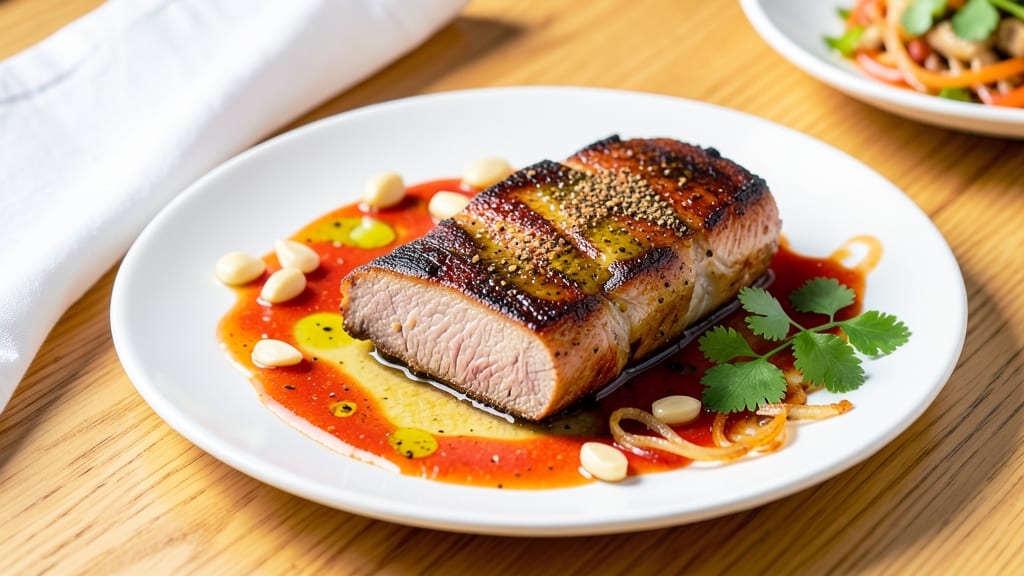
The Brazilian pork tenderloin recipe I perfected after years of studying feijoada and churrasco brings bold flavors to your table with minimal effort. 🔥 The secret lies in a marinade of citrus, garlic, and five-spice blend that creates a caramelized crust while keeping the meat impossibly tender inside.
I first tasted this technique in a Rio de Janeiro rodízio, where the pork melted in my mouth—now you can recreate that restaurant-quality experience at home.
This recipe transforms lean pork tenderloin into a showstopper with a simple yet powerful marinade that works its magic overnight. The combination of lime juice, garlic, and a touch of azeite de dendê—when available—adds authentic Brazilian depth, while the five-spice crust delivers a warm, aromatic finish.
It's the kind of dish that makes weeknight dinners feel like a special occasion without requiring hours in the kitchen.
By the time you serve it, you'll have perfectly seared pork with a glossy, caramelized exterior and juicy, melt-in-your-mouth centers. The citrusy marinade infuses every bite with bright, tangy notes that cut through the richness, creating a balance that's both sophisticated and approachable.
Serve it with farofa, black bean stew, or a simple tropical salad to complete the Brazilian-inspired meal.
What makes this recipe particularly special is its versatility—it works equally well grilled, pan-seared, or slow-roasted, making it adaptable to any cooking method you prefer. The technique I've developed ensures consistent results, so even if you're new to Brazilian flavors, you'll achieve professional-quality pork every time.
Let's get started on creating this flavorful centerpiece for your table.
Ingredients for brazilian pork tenderloin
Six spices, citrus, and one tender cut transform into restaurant-quality Brazilian pork tenderloin.
| Ingredient | Amount | Notes |
|---|---|---|
| Pork Tenderloin 🥩 | 1 ½ lb | Center-cut, trimmed of fat |
| Fresh Lime Juice 🍋 | ½ cup | About 4-5 limes, freshly squeezed |
| Garlic Cloves 🧄 | 6 cloves | Minced, for maximum flavor infusion |
| Extra-Virgin Olive Oil 🫒 | ¼ cup | High-quality, fruity variety |
| Five-Spice Blend 🌶️ | 2 tbsp | Homemade or store-bought (cinnamon, clove, star anise, fennel, pepper) |
| Azeite de Dendê (Palm Oil) 🫒 | 1 tbsp | Optional but authentic (or sub with coconut oil) |
| Brown Sugar 🍚 | 2 tbsp | Light or dark, for caramelization |
| Coarse Sea Salt 🧂 | 1 ½ tbsp | Diamond Crystal preferred for texture |
| Fresh Cilantro 🌿 | ¼ cup | Chopped, for garnish (optional) |
| Fresh Orange Zest 🍊 | 1 tbsp | Brightens the crust |
| Ground Black Pepper 🌶️ | ½ tsp | Freshly cracked for heat |
| Fresh Lime Zest 🍋 | 1 tbsp | For aromatic depth |
| Vegetable Oil 🫒 | 2 tbsp | For high-heat searing |
The pork tenderloin is your canvas here—center-cut, trimmed of silver skin for even cooking. I hunt for the leanest pieces at Whole Foods or Dart's Market because their butchers trim it perfectly. If you're buying from the regular grocery store, ask for the thickest cut you can find—it'll stay juicier. The five-spice blend is non-negotiable for that warm, aromatic crust. Penzeys has a great pre-mixed version, but I usually blend my own using equal parts cinnamon, clove, star anise, fennel seeds, and black peppercorns. Toast the whole spices briefly before grinding for deeper flavor. For the azeite de dendê, Brazilian markets carry it, but Trader Joe's often stocks it too—it's what gives that authentic caramelized glow.
No palm oil? Coconut oil works in a pinch, though it'll have a slightly different flavor profile. Short on lime juice? Substitute lemon juice at a 1:1 ratio, but the zest difference is noticeable. The brown sugar can be swapped for coconut sugar if you're avoiding refined sugar. Fresh garlic is a must—no jarred minced. For the crust, I always toast the five-spice blend and brown sugar together in a dry pan for 2 minutes before mixing with oils—this step makes all the difference. The orange zest adds brightness, but if you can't find fresh, bottled zest works (just use half the amount). Pro tip: measure your spices by weight if you have a kitchen scale—1 tbsp of ground spices varies wildly in density.
Marinate the pork overnight for maximum tenderness, but if you're short on time, 4 hours minimum still works wonders. The crust keeps its crunch best when served immediately, but the pork reheats beautifully—broil for 5-7 minutes to revive the caramelization. Store leftovers in an airtight container for 3-4 days or freeze for 3 months. I always make a double batch because this disappears fast—it's the kind of dish that gets requested again and again. Garnish with cilantro right before serving, but skip it if you're serving kids or cilantro-haters (trust me, it's optional).
Why You'll Love This Recipe
- This dish works for everything: a quick Tuesday dinner, a potluck where you want to impress, or even a fancy-ish date night (no one needs to know it’s 30 minutes of active time). I’ve served it with rice, salad, or even just toast—it’s that adaptable.
- One-Pan Magic: I swear by this recipe because it’s that easy—just sear the pork, toss it in the lime-garlic marinade with the five-spice blend, and let the oven do the work. No flipping, no fussing, and the pan’s basically clean by the time you’re done.
- Zesty Kick: That bright lime juice cuts through the richness of the pork while the five-spice blend (cinnamon, clove, pepper, nutmeg, and star anise) adds warmth and depth. Honestly, the balance is ridiculously good—like a little Brazilian vacation in your mouth.
- Weeknight to Weekend: This dish works for everything: a quick Tuesday dinner, a potluck where you want to impress, or even a fancy-ish date night (no one needs to know it’s 30 minutes of active time). I’ve served it with rice, salad, or even just toast—it’s that adaptable.
Step-by-step instructions for Brazilian pork tenderloin
Here's how to achieve perfectly tender pork with an aromatic five-spice crust and bright citrus finish.
🔥 Step 1: Marinate the Pork for Maximum Flavor
In a large bowl, combine the 0.5 cup fresh lime juice, 1 tbsp fresh lime zest, 1 tbsp fresh orange zest, 6 cloves minced garlic, 2 tbsp five-spice blend, 1.5 tbsp coarse sea salt, 0.5 tsp ground black pepper, and 2 tbsp brown sugar. Whisk until the sugar dissolves completely.
Add the 1.5 lb pork tenderloin to the marinade, turning to coat it evenly. Cover and refrigerate for at least 4 hours (overnight is ideal). This marinade works magic—it tenderizes the meat while infusing it with complex flavors that balance sweet, spicy, and citrusy notes. Don't skip this step; it's what makes this dish truly special.
🍳 Step 2: Sear the Pork for Irresistible Crust
Remove the pork from the marinade (reserve the marinade) and pat it dry with paper towels. Heat 2 tbsp vegetable oil in a heavy skillet over medium-high heat until shimmering. Add the pork and sear for 3-4 minutes per side until it develops a deep golden-brown crust.
Here's where it gets crucial: don't move the pork around. Let it develop that crust undisturbed. You'll know it's ready when the edges are deep golden brown and the internal temperature reaches 145°F when checked with a meat thermometer. Transfer the pork to a plate and tent loosely with foil to keep warm.
🥘 Step 3: Build the Five-Spice Crust
In the same skillet (no need to wipe it clean), reduce the heat to medium and add 1 tbsp azeite de dendê (palm oil) if using. Let it melt completely, then add 1 tbsp extra-virgin olive oil to help distribute the flavors. Return the pork to the skillet and spoon the reserved marinade over it.
Simmer for 2-3 minutes until the marinade reduces slightly and coats the pork. Sprinkle the 0.25 cup chopped fresh cilantro over the top and let it wilt slightly from the heat. This step creates that signature crust that's sweet, spicy, and aromatic—it's what makes this pork so distinctive. The palm oil adds an authentic Brazilian touch that's hard to replicate.
⏰ Step 4: Rest and Serve with Confidence
Transfer the pork to a cutting board and let it rest for 10 minutes before slicing. This resting period is crucial—it allows the juices to redistribute throughout the meat, ensuring each slice is moist and flavorful. I know it's tempting to cut into it immediately, but trust me on this step.
Slice the pork into ½-inch thick medallions against the grain. Serve immediately with the pan juices spooned over the top. The pork should be tender enough to cut with a fork but still hold its shape. Garnish with additional chopped fresh cilantro if desired. This dish pairs beautifully with black beans, roasted vegetables, or a simple farofa (toasted cassava flour) for a complete Brazilian feast.
Pro Tips For Making Brazilian Pork Tenderloin
- SEAR THE GARLIC FIRST: I learned this the hard way—sautéing whole garlic cloves in olive oil until they’re golden (about 3-4 minutes) before adding the pork builds way more flavor than mincing it raw. The caramelized garlic sticks to the meat and turns into a sticky, aromatic crust that’s the whole point of this dish.
- USE A MEAT THERMOMETER: Pork tenderloin is small and cooks fast, but it’s easy to overdo it—especially when you’re distracted by that five-spice aroma. Pull it at 140°F internal temp (no guessing), then let it rest 5 minutes under foil. Trust me, your knife will thank you.
- ZEST THE LIME, DON’T JUST JUICE: Fresh lime juice is non-negotiable, but the zest? That’s where the magic hides. Grate a strip of zest over the meat after searing—it brightens the five-spice flavors and adds a citrusy kick without making the dish taste like a marinade. (Yes, even if you’re impatient like me.)
- MARINATE FOR 30 MINUTES MAX: This isn’t a dry-rub dish—over-marinating tenderloin makes it mushy. Rub the five-spice blend, lime juice, and oil on the meat, then let it sit no longer than 30 minutes before cooking. The spices need time to cling, but the acid won’t tenderize—it’ll just break down the meat too much.
Wine and beer pairings for this brazilian pork tenderloin
Brazilian Reds
For this vibrant pork dish, I always reach for a medium-bodied Brazilian red wine like Garra Tannat or Miolo Cabernet Sauvignon. These wines have enough acidity to stand up to the citrus marinade while complementing the warm spices in the crust.
The tannins also help cleanse your palate between bites of rich, spiced pork. If you're serving this at a casual dinner, a Brazilian Vinho Verde like Casa Ferreirinha adds a refreshing contrast with its crisp, slightly effervescent profile. 🍷
Portuguese Whites
If you prefer white wine, a Portuguese Vinho Verde such as Casa Ferreirinha or Gazela is perfect—its bright acidity and citrus notes mirror the lime and orange in the marinade.
For something creamier, try an Alentejo white like Herdade do Esporão—it has enough body to handle the spiced crust while keeping the dish feeling light. I often serve this with a chilled glass of Encruzado from Portugal, which has floral notes that pair beautifully with the cilantro garnish.
Craft Beer Pairings
For beer lovers, a Brazilian-style lager like Skol or Brahma works wonders—its crisp, clean profile lets the pork's flavors shine without overpowering them. If you're feeling adventurous, try a Brazilian IPA like Cervejaria Colorado—the hoppy bitterness balances the sweetness of the crust.
For a non-Brazilian option, a Belgian witbier such as Hoegaarden adds a citrusy, slightly spiced contrast that complements the dish perfectly. 🍺
Non-Alcoholic Options
Don't overlook refreshing non-alcoholic pairings! A hibiscus iced tea (common in Brazil as aguas de cheiro) with lime slices enhances the citrus notes in the pork. For something more substantial, try a Brazilian limeade like caipirinha de limão (without the cachaça)—it’s tart, sweet, and perfectly balanced.
If you're serving farofa on the side, a coconut water with a splash of lime juice adds a tropical touch that ties everything together.
Wine Service Tips
Serve your red wine slightly cooler than room temperature—around 60-62°F—to let its fruitiness shine. For whites, chill them to 45-48°F to preserve their crispness. I always pour a smaller glass (6-8 oz) for these wines to concentrate their flavors.
If you're using a Vinho Verde, serve it in a tulip-shaped glass to enhance its aromatic qualities. Pro tip: Let the wine breathe for 10-15 minutes before serving if you're using a bold red—it softens the tannins and brings out the spice notes in the pork. ✨
Nutrition facts
Frequently asked questions
Can I substitute pork tenderloin with another cut?
This recipe is designed specifically for pork tenderloin because of its tenderness and lean nature, but you can use pork loin or boneless pork chops in a pinch. For loin, increase the marinating time to 6-8 hours since it's thicker. Avoid fatty cuts like pork shoulder—they won't benefit from the same citrus marinade and may become dry. The five-spice crust works best on lean proteins that can absorb the marinade quickly.
How do I make this recipe without azeite de dendê?
If you can't find palm oil, substitute with coconut oil for a similar rich texture or extra-virgin olive oil for a more neutral flavor. For authenticity, toast 1 tbsp brown sugar with ½ tsp cinnamon in a dry pan until caramelized, then mix with the oil to mimic the palm oil's depth. The dish will still taste delicious—it just won't have that signature Brazilian caramelized glow.
What's the best way to reheat leftovers?
Reheat sliced pork in a skillet over medium-low heat for 2-3 minutes with a splash of water or broth to restore moisture. For whole tenderloin, wrap in foil and bake at 350°F for 10-15 minutes, then sear briefly in a hot pan to revive the crust. Microwaving works in emergencies, but it can make the meat rubbery. Always reheat to an internal temp of 165°F for safety.
How do I adjust this for a slow cooker?
Marinate the pork as directed, then place it in your slow cooker with ½ cup marinade and ¼ cup water or broth. Cook on Low for 4-5 hours or High for 2-3 hours until tender. For the crust, transfer to a skillet and sear with 1 tbsp oil and 1 tbsp five-spice blend until caramelized. The slow cooker keeps it moist, but you'll still need to create the crust separately.
Why did my pork turn out dry?
Overcooking is the most common cause—pork tenderloin cooks quickly and dries out fast. Use a meat thermometer and remove it when it reaches 145°F (it will rise to 150°F while resting). Never skip the 10-minute rest before slicing, as this lets juices redistribute. If using a thicker cut, reduce heat slightly during cooking. For extra moisture, add 1 tbsp butter to the pan when searing.