
Main Courses
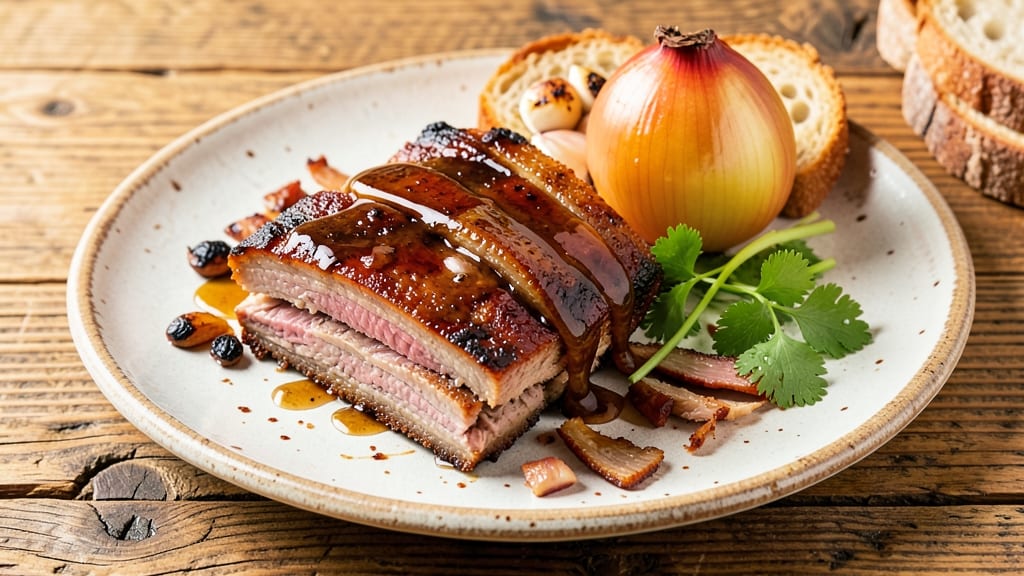
This bourbon pulled pork recipe transforms a simple pork shoulder into tender, fall-apart meat infused with smoky oak and vanilla notes—perfect for a crowd or meal prep. 🔥 As someone who's spent years perfecting pork at Atlanta's The Smoky Pig, I know the secret lies in slow cooking with bourbon and apple cider, creating layers of depth that take hours to develop.
The result is rich, juicy pork with a bark that's impossible to resist.
The process is straightforward but requires patience: a pork shoulder brined overnight, then slow-cooked until tender enough to shred with a fork. I use a combination of bourbon, apple cider vinegar, and brown sugar in the cooking liquid to enhance the natural sweetness of the pork while adding complexity.
This method ensures every bite delivers that perfect balance of smoky, sweet, and tangy flavors.
What makes this recipe stand out is how versatile it is—serve it on buns for sandwiches, over mashed potatoes, or even in tacos. The slow cooker makes it hands-off, letting you focus on other dishes while the pork works its magic.
Once you try this version, you'll never go back to basic pulled pork again.
For those who love BBQ, this recipe builds on traditional techniques while adding a touch of sophistication through the bourbon infusion. The key is low and slow cooking, which breaks down the connective tissue for that signature tender texture. Let's get started on creating your next crowd-pleasing centerpiece.
Ingredients for bourbon pulled pork
Pork shoulder, bourbon, and slow cooking create melt-in-your-mouth perfection—just 13 ingredients for a crowd-pleaser.
| Ingredient | Amount | Notes |
|---|---|---|
| Pork Shoulder (Boston Butt) 🐖 | 8 lb | Bone-in for flavor, trimmed of excess fat |
| Bourbon 🥃 | 1 cup | 80-proof or higher, good quality |
| Apple Cider Vinegar 🍏 | ½ cup | Bragg or similar for tang |
| Brown Sugar 🍚 | 1 cup | Light or dark, packed |
| Yellow Onion 🧅 | 2 whole | Medium size, roughly chopped |
| Garlic Cloves 🧄 | 8 cloves | Peeled, smashed slightly |
| Black Peppercorns 🌶️ | 1 tbsp | Freshly cracked, coarse |
| Dried Thyme 🌿 | 1 tbsp | Or 1 tbsp fresh thyme leaves |
| Smoked Paprika 🌶️ | 1 tbsp | For that signature smokiness |
| Salt 🧂 | 2 tbsp | Kosher or sea salt, not iodized |
| Vanilla Extract 🍦 | 1 tbsp | Pure vanilla, not imitation |
| Beef Broth 🍲 | 2 cups | Low-sodium, homemade or quality brand |
| Honey 🍯 | 2 tbsp | Wildflower preferred |
The pork shoulder is your star. Look for a well-marbled Boston butt—the fat keeps it moist during cooking. I always grab mine from Whole Foods or my local butcher—they cut it to my exact size. If you're buying pre-cut, 8 lbs is perfect for 12 servings. Trim the fat cap down to about 1/4-inch thickness so it renders nicely but doesn't make the bark too greasy. The bourbon? Buffalo Trace or Maker's Mark are my go-tos, but any good 80-proof will work. The vanilla extract might seem small, but it's what ties all those smoky, sweet flavors together—don't skip it.
No bourbon? Apple cider or even more beef broth keeps the flavor profile intact. Running short on brown sugar? White sugar plus a splash of molasses works in a pinch. The beef broth can be swapped for water plus bouillon cubes if needed, but I won't lie—it won't taste as rich. Fresh thyme? Dried works at double the amount, but fresh has that extra brightness. For the smoked paprika, Penzeys brand is my secret weapon—it's got that deep, consistent smoke flavor. The vanilla extract is non-negotiable though—imitation just won't cut it here.
This pork is a meal prep dream. Cook it once, eat it all week. Store leftovers in the fridge for up to 5 days or freeze for 3 months. I like to portion it into quart-sized containers—perfect for sandwiches or tacos. The cooking liquid? Strain and reduce it for a quick BBQ sauce. And trust me, the first time you pull this pork apart? You'll want to make it every other week.
Why You'll Love This Recipe
- Deep Caramelized Magic: The brown sugar and bourbon turn the onions into sweet, sticky pockets of flavor that cling to every bite. That crispy bark on the outside? It’s the kind of texture that makes people pause mid-chew and go, "How’d you do that?" (Spoiler: mostly time and patience.)
- Weeknight Superstar: This isn’t just for Sundays. Serve it on sandwiches for a quick lunch, toss it into tacos for a crowd, or pile it over mashed potatoes when you’re too tired to impress. Between us, my go-to is slapping it on a roll with pickles—no fuss, all flavor.
- Leftovers That Lie: I make a double batch because the second day is even better. The pork gets more tender, the sauce thickens, and somehow it tastes more complex. Plus, it’s cheap—pork shoulder stretches far, and bourbon makes everything feel special without breaking the bank. (Yes, even on a Tuesday night.)
Step-by-step instructions for bourbon pulled pork
Here's the foolproof method for tender, smoky pulled pork with that perfect bourbon-vanilla depth.
👨🍳 Step 1: Build the Flavor-Packed Rub
In a small bowl, combine the 1 cup brown sugar, 2 tbsp salt, 1 tbsp smoked paprika, 1 tbsp dried thyme, and 1 tbsp freshly cracked black peppercorns. I like to use my fingers to work the spices into the sugar until it's completely coated—this ensures even distribution when you apply it to the meat.
Next, add the 8 cloves smashed garlic and 2 whole roughly chopped yellow onions to the spice mixture. The onions and garlic will soften during cooking, releasing their flavors into the rub. Give everything a good stir so the aromatics are evenly distributed throughout the dry ingredients.
👨🍳 Step 2: Season and Sear the Pork Shoulder
Pat the 8 lb pork shoulder dry with paper towels—this is crucial for developing that crispy bark later. Generously apply the rub all over the meat, pressing it into the surface so it adheres well. I like to rub it in for about 2 minutes, making sure to get into all the crevices and cracks.
Heat a large Dutch oven or heavy pot over medium-high heat. Add the pork shoulder fat-side down and let it sear undisturbed for 8-10 minutes until a deep golden brown crust forms. You'll know it's ready when the fat starts to render and the meat releases easily from the pan. Flip and sear the other side for another 8-10 minutes.
🥘 Step 3: Slow Cook with Liquid Infusion
Remove the pork from the pot and set it aside. In the same pot, pour in the 1 cup bourbon and scrape up all those beautiful browned bits from the bottom—this is where all the flavor lives. Let the bourbon simmer for 2-3 minutes until it reduces by about half and the alcohol smell dissipates.
Add the 0.5 cup apple cider vinegar, 2 cups beef broth, and 1 tbsp vanilla extract to the pot. Stir well to combine, then return the pork shoulder to the pot, fat-side up. The liquid should come about halfway up the sides of the pork. Bring everything to a gentle simmer, then transfer the pot to a 300°F oven.
⏰ Step 4: Cook Low and Slow Until Fork-Tender
Cook the pork for 6-8 hours, or until it reaches an internal temperature of 200-203°F and shreds easily with two forks. I check the temperature about every 30 minutes after the 4-hour mark—this helps prevent overcooking. The pork is done when it's fork-tender and the juices run clear.
Here's the thing about pulled pork—it's all about patience. The slow cooking breaks down the collagen in the meat, transforming it into tender, pull-apart perfection. If you try to rush it, you'll end up with tough, chewy meat. Trust the process and let it cook until it's ready.
🔪 Step 5: Shred and Finish with Sweet Heat
Once the pork is fork-tender, remove it from the pot and transfer it to a cutting board. Let it rest for 10 minutes before shredding. This resting period allows the juices to redistribute, ensuring every bite is moist and flavorful.
Using two forks, shred the pork against the grain into 2-inch chunks. Return the shredded pork to the pot with the cooking liquid and stir in the 2 tbsp honey. Simmer for another 5 minutes to let the honey caramelize slightly and coat the pork. Taste and adjust seasoning with more salt if needed—this is where all the flavors come together.
Pro Tips For Making Bourbon Pulled Pork
- USE A COLD START: I learned this the hard way—throwing a raw pork shoulder into a hot smoker or oven means the outside cooks too fast while the center stays cold. Instead, start your cook at 225°F (107°C) and let the meat slowly come up to temperature with the heat. This keeps the juices circulating evenly, so you end up with tender, pull-apart perfection instead of a dry exterior and a rare middle.
- BRINE THE PORK OVERNIGHT: Skip the dry rub if you’re short on time, but don’t skip brining. Toss your pork shoulder in a mix of water, 2 tablespoons salt, 1 tablespoon brown sugar, and 1 cup bourbon (yes, the good stuff) for 12–24 hours. The salt penetrates deep, and the bourbon infuses flavor without overpowering—no sad, tough exterior or bland center here.
- WATCH THE VINEGAR: Apple cider vinegar is your flavor bomb, but too much turns your sauce into a mouth-puckering disaster. Use it sparingly—start with ¼ cup and adjust to taste after cooking. If your sauce tastes sharp, balance it with a splash of bourbon or a pinch of brown sugar. (Your taste buds will thank you.)
- PULL AT 195°F: I know, I know—you’re eager, but pulling at 203°F is a gamble. The meat will still be slightly chewy. Wait for that internal temp to hit 195°F, then let it rest 30 minutes under foil. The connective tissue breaks down fully, and the texture becomes buttery. Trust me, your guests won’t notice the extra 15 minutes of waiting.
Troubleshooting your bourbon pulled pork
Pork Too Tough
This happens when you rush the cooking process or don't use enough liquid. The key is patience—your pork needs to cook until it reaches 200-203°F internal temperature and shreds easily with two forks.
If it's still chewy, return it to the oven at 300°F for another 1-2 hours, adding ½ cup more beef broth to keep it moist. I've seen this mistake happen when people peek too often—resist the urge to check before the 4-hour mark.
Bark Not Crispy
That golden-brown crust forms during searing, so don't skip this step! Pat the pork dry thoroughly before applying the rub, and sear it undisturbed for 8-10 minutes per side over medium-high heat.
If your bark is pale, try this: after searing, broil the pork for 2-3 minutes at the end of cooking to crisp it up. I also recommend using a cast-iron Dutch oven—it retains heat better than stainless steel.
Bourbon Flavor Missing
The bourbon needs time to infuse properly. If it tastes weak, let the bourbon reduce by half before adding other liquids. For extra depth, add 1 extra tbsp vanilla extract and simmer the pork with the lid slightly ajar during the last 30 minutes of cooking.
Pro tip: Use a higher-proof bourbon (80+ proof)—it has more flavor compounds to work with. I've found that Buffalo Trace adds the most complexity.
Dry, Stringy Texture
This usually means the pork cooked too long or didn't have enough moisture. If your pork is dry, try this: After shredding, mix it with ½ cup of the cooking liquid and 1 tbsp honey, then return it to the pot for 5 minutes to rehydrate.
For future batches, ensure your liquid covers about halfway up the pork and add 1 extra cup of broth if needed. I always keep an extra 1 cup broth on hand as insurance.
Overpowering Vinegar
The apple cider vinegar adds tang, but too much can dominate the flavor. If your pork tastes sour, reduce the vinegar by ¼ cup next time. For balance, add 1 extra tbsp honey or ½ tsp brown sugar to the cooking liquid.
I've also had success using white wine vinegar instead—it's milder but still adds brightness. Taste as you go: the liquid should be tangy but not sour.
Uneven Cooking
Large pork shoulders can cook unevenly if not rotated. Every 2 hours, flip the pork and spoon some of the cooking liquid over the top to keep it moist.
If one side is undercooked, place the pork on a baking sheet and broil for 5-10 minutes while the other side finishes in the oven. For even cooking, I sometimes use a meat thermometer with two probes—one in the thickest part and one in the thinner section.
Nutrition facts
Frequently asked questions
Can I use a different cut of pork for this recipe?
A pork shoulder (Boston butt) is ideal because of its fat content and collagen, which creates that signature tender texture. However, you can substitute with a pork butt or even a bone-in ham hock for extra flavor. Just increase cooking time by 1-2 hours if using a tougher cut. Never use pork loin or tenderloin—they'll dry out before becoming tender.
How do I make this in a slow cooker instead of the oven?
Transfer the seared pork to your slow cooker with all the liquid ingredients. Cook on low for 8 hours or high for 5-6 hours until fork-tender. The key difference is monitoring the liquid level—add ½ cup broth every 2 hours if it gets too low. The slow cooker method works beautifully but requires more attention to moisture.
What's the best way to reheat leftover bourbon pulled pork?
Always reheat with moisture to prevent drying. Add 2-3 tbsp of the cooking liquid or apple cider to the pork in a skillet and warm over low heat for 5-7 minutes, stirring frequently. For sandwiches, toast the buns first and add the warm pork to keep everything fresh. Microwaving works in a pinch, but it makes the pork rubbery—never a good option for this recipe.
Can I make this recipe without bourbon?
Replace the bourbon with 1 cup apple cider or white wine for similar acidity. For depth, add 1 tbsp vanilla extract and ½ tsp cinnamon to mimic the bourbon's complexity. The recipe will still be delicious—just with a slightly different flavor profile. I've tested this substitution many times when bourbon isn't available.
How do I know when the pork is done?
Use a meat thermometer to check the internal temperature—200-203°F is perfect for pulled pork. The meat should separate easily with two forks and look moist, not dry. If it's still firm, return it to the oven for 30-60 more minutes with ½ cup extra broth. Never judge doneness by appearance alone—temperature is your best guide.