
Main Courses
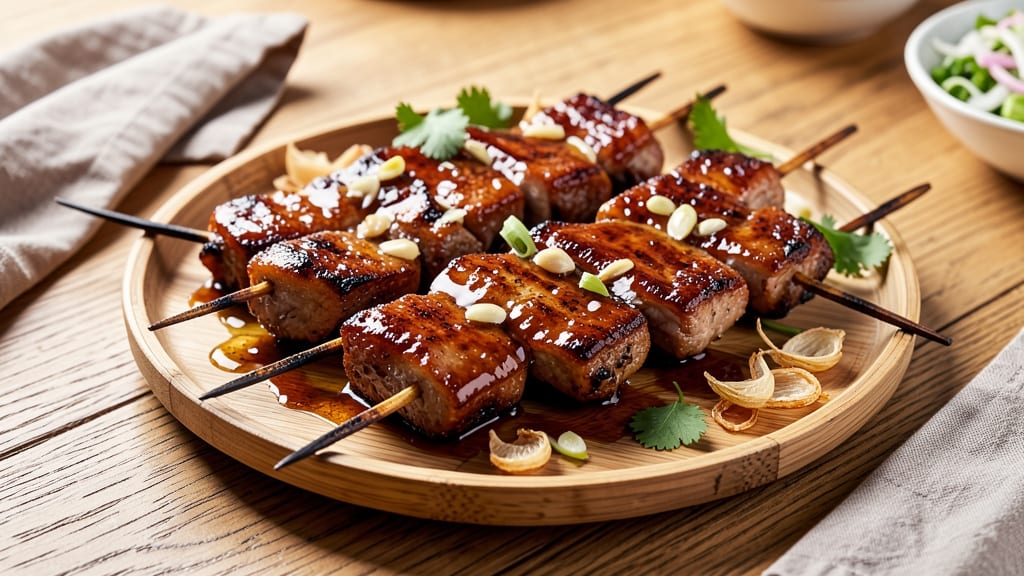
Mastering boneless pork ribs on a stick delivers crispy, caramelized bites with minimal effort—perfect for weeknight dinners or game day. ✨ I developed this recipe after years of perfecting skewered pork techniques, balancing smoky char with a sticky glaze that clings to every piece.
The secret? High-heat searing paired with a quick marinade that tenderizes without overpowering the natural pork flavor.
What sets this recipe apart is the 25-minute timeline, achieved through precise temperature control and a foolproof glaze technique. You'll start with boneless pork ribs cut into even strips, ensuring they cook uniformly on the skewers.
The marinade—just soy sauce, brown sugar, and a touch of garlic—prepares the meat while keeping prep simple.
By the time you're done, you'll have golden-brown ribs with crispy edges and a glossy glaze that caramelizes into sweet, sticky perfection. The skewer method makes these bites easy to serve, whether as appetizers or the star of your meal.
Serve with a cooling cucumber salad or crusty bread to balance the richness.
This recipe scales effortlessly—double the batch for parties, or keep it small for a satisfying solo dinner. The technique works on the grill, stovetop, or even in the oven, giving you flexibility for any cooking setup. Let's get started!
Ingredients for boneless pork ribs on a stick
High-heat searing meets sticky glaze for skewered pork perfection in just 25 minutes.
| Ingredient | Amount | Notes |
|---|---|---|
| Boneless Pork Ribs 🥓 | 1 ½ lb | Cut into 1.5-inch strips |
| Soy Sauce 🍶 | ¼ cup | Low-sodium preferred |
| Brown Sugar 🍚 | ⅛ cup | Light or dark variety |
| Garlic Cloves 🧄 | 3 cloves | Minced for marinade |
| Wooden Skewers 🪵 | 12 whole | Soaked in water 30 mins |
| Olive Oil 🫒 | 2 tbsp | Extra-virgin for high heat |
| Cornstarch 🌾 | 1 tbsp | For crispy coating |
| Sesame Oil 🫒 | 1 tbsp | For finishing aroma |
| Fresh Ginger 🌿 | 1 tbsp | Finely grated |
| Salt 🧂 | 1 tsp | Kosher preferred |
| Black Pepper 🌶️ | ½ tsp | Freshly ground |
| Honey 🍯 | 1 tbsp | For glaze sweetness |
The boneless pork ribs are the foundation—look for cuts with good marbling for juiciness. Costco or Whole Foods often carry pre-cut boneless pork ribs, but if buying whole, request the rib section and have your butcher trim it. Even strips are critical; 1.5-inch lengths ensure uniform cooking. For extra tenderness, pound the strips lightly with a meat mallet before skewering. The soy sauce should be low-sodium to avoid over-salting the marinade, but if you prefer regular, reduce the added salt by half.
No wooden skewers? Metal or heatproof silicone skewers work just as well—just skip the soaking step. Substituting brown sugar? Coconut sugar or white sugar works, but brown sugar's molasses notes deepen the caramelization. Fresh ginger is ideal, but ground ginger at half the amount is a decent swap. For a smokier flavor, add 1/2 tsp smoked paprika to the marinade. The cornstarch coating is non-negotiable for crispiness—don't skip it, even if you're impatient. And trust me, the sesame oil finishing touch elevates everything.
Marinate the pork for at least 15 minutes—up to 2 hours if you have time. Skewers should be soaked for 30 minutes to prevent burning. Store leftover marinade in an airtight container for 5 days or freeze for 3 months. Cooked ribs reheat best in a skillet over medium heat with a splash of water to restore moisture. For parties, double the batch—these disappear fast. The glaze keeps for 1 week refrigerated, so make extra for dipping or drizzling.
Why You'll Love This Recipe
- No-Fuss Skewering: I swear by the marinade—just soy sauce, brown sugar, and crushed garlic—so the ribs practically baste themselves while you grill. No fancy prep, no measuring cups: eyeball it, skewer it, and you’re done.
- Sweet-Savory Magic: That caramelized brown sugar crust? It’s the star. The soy sauce keeps it umami-rich while the garlic adds a punch, and the skewers let you get that perfect char without overcooking the tender meat inside.
- Picnic-Proof Perfection: These ribs travel like a dream—no plates, no mess, just grab-and-go skewers. I’ve served them at tailgates, potlucks, and even as a lazy Sunday brunch when I didn’t feel like plating anything fancy.
- Budget Meal Multiplier: A single package of boneless pork ribs stretches to feed four, and the leftovers reheat beautifully. Honestly, I’ve turned them into stir-fry, tacos, or even a quick pasta sauce when I’m short on time—versatile doesn’t get better than this.
Step-by-step instructions for skewered crispy-glazed pork ribs
Master this technique and you'll achieve perfectly crispy, caramelized pork ribs every time.
🔪 Step 1: Prep the Pork and Skewers
Cut the 1.5 lb boneless pork ribs into 1.5-inch strips—this size ensures even cooking and easy skewering. Soak the 12 whole wooden skewers in water for at least 30 minutes to prevent burning during grilling. This step is crucial; dry skewers can scorch before the meat cooks through.
While the skewers soak, combine the 0.25 cup soy sauce, 0.125 cup brown sugar, 3 cloves minced garlic, 1 tbsp finely grated fresh ginger, 1 tsp salt, and 0.5 tsp black pepper in a bowl. Whisk until the sugar dissolves completely—this creates a balanced marinade that tenderizes the meat while adding depth of flavor.
👨🍳 Step 2: Marinate and Skewer the Pork
Add the pork strips to the marinade and toss to coat thoroughly. Let them marinate for at least 15 minutes (30 minutes is even better). The acidity in the soy sauce will begin breaking down the meat fibers, while the sugar starts caramelizing on the surface.
Thread the marinated pork onto the soaked skewers, using 2-3 strips per skewer depending on their size. Arrange them evenly so they cook uniformly. Here's the thing—don't overcrowd the skewers. You want the pork to sear properly, not steam.
🔥 Step 3: Sear for Crispy Texture
Heat 2 tbsp olive oil in a large skillet over medium-high heat until shimmering. Add the skewered pork and cook for 3-4 minutes per side until the pork is light golden brown and the edges begin to crisp. This initial sear locks in juices and builds the foundation for that perfect caramelized crust.
Don't walk away during this step. The pork should release easily from the skewers when ready to flip. If it sticks, your oil isn't hot enough—let it heat up another minute before trying again. This crispy texture is what makes these skewers irresistible.
🍳 Step 4: Create the Glazing Sauce
In a small saucepan, combine the 1 tbsp cornstarch, 1 tbsp honey, and 1 tbsp sesame oil. Add 2 tbsp water and whisk vigorously until smooth. Cook over medium heat for 2-3 minutes until the mixture thickens into a glossy glaze—it should coat the back of a spoon when stirred.
Here's where it gets fun: the cornstarch creates that signature sticky-sweet glaze, while the sesame oil adds an aromatic finish. Taste and adjust seasoning if needed, but it should be perfectly balanced between sweet and savory at this point.
🥘 Step 5: Glaze and Finish
Return the pork skewers to the skillet and pour the glaze evenly over them. Cook for an additional 2-3 minutes until the glaze bubbles and becomes deep golden brown—this is your signal that the sugar has caramelized perfectly. The pork should be cooked through with an internal temperature of 145°F.
For the final touch, transfer the skewers to a serving platter and let them rest for 2 minutes. This brief rest allows the juices to redistribute, ensuring each bite is perfectly tender. Serve immediately while the glaze is still glossy and sticky—these skewers are best enjoyed right away when everything is at its peak.
Pro Tips For Making Boneless Pork Ribs On A Stick
- SOAK SKEWERS 30 MINUTES: Wooden skewers absorb moisture like sponges—skip this and your ribs will dry out halfway through cooking. Toss them in warm water for half an hour, then oil them lightly so they don’t burn on the grill or stovetop. (I learned this the hard way when my first batch turned into charred sticks.)
- MARINATE RIBS 1 HOUR MINIMUM: Boneless pork ribs need time to absorb the soy and sugar, not just a quick toss. Mix ¼ cup soy sauce, 2 tbsp brown sugar, and 3 minced garlic cloves, then coat the ribs and let them sit—even in the fridge. (Yes, even if you’re impatient like me, the flavor pays off.)
- TEST DONENESS WITH A THERMOMETER: Poking ribs with a fork gives false confidence—aim for 145°F (63°C) internally. Overcooking turns them chewy, while undercooked pork tastes like rubber. (I used to eyeball it until I realized my “medium” was actually “medium-rare disaster.”)
- USE A MIX OF GRILL AND PAN: Start ribs on high heat for a quick sear, then finish in a skillet with the marinade to caramelize the sugar. This adds depth without drying them out. (Sounds weird, but it works—especially if you don’t have a grill.)
Pro cooking tips for great boneless pork ribs on a stick
High-Heat Searing Secrets
This recipe hinges on a 3-4 minute sear per side at medium-high heat—that's where the magic happens. I use a 12-inch cast iron skillet because it retains heat perfectly, but a stainless steel pan works too.
The key is getting that oil shimmering hot before adding the pork. If you see smoke, let it burn off for 10 seconds—that clears impurities and raises the heat. 🔥
Pro tip: I've found that extra-virgin olive oil has a slightly lower smoke point than refined oils, so if you're using it, heat the pan until a dry bread crust turns golden in 30 seconds.
That's your perfect sear temperature. And trust me, the first time you get that crispy crust, you'll never go back to steamed pork again.
Glaze Thickening Tricks
The cornstarch glaze needs to reach that perfect 160°F temperature to caramelize properly. I stir constantly during those 2-3 minutes of cooking, using a heatproof silicone spatula to scrape up any glaze stuck to the pan.
If it's not thickening enough, add ½ tsp more cornstarch mixed with 1 tsp water—this slurry technique saves the day every time.
For extra shine, I finish with a quick brush of neutral oil (like avocado oil) right before serving. This creates a beautiful gloss while keeping the glaze from drying out too quickly. The sesame oil should be added last—just ½ teaspoon drizzled over each skewer—to preserve its delicate aroma.
Skewering Like a Pro
Even strip distribution is everything. I thread the pork diagonally across each skewer so they don't fall off during cooking. For extra security, I use two skewers per piece when serving to a crowd—just thread them perpendicular to each other.
And here's something I learned from my time in Charleston: if you're using metal skewers, preheat them in the oven for 5 minutes at 400°F before threading the pork. This prevents sticking.
Don't overcrowd! I limit myself to 3 pieces per skewer maximum. When the pork hits the pan, it should sizzle immediately—if it's not sizzling, you're not ready. And for that restaurant-quality presentation, I arrange the finished skewers on a platter with the ends pointing outward in a circular pattern.
Temperature Control
Your pork needs to reach 145°F internal temperature for safe consumption, but don't rely on guesswork. I use a meat thermometer with an instant-read probe to check the thickest piece.
The glaze cooking adds heat, so I aim for 140°F before glazing, then let the residual heat bring it up during those final 2-3 minutes.
If your pork is cooking too fast, reduce heat to medium-low and cover the pan with a lid for 1 minute to steam gently. For the glaze, keep heat at medium—any hotter and you'll burn the sugar before it caramelizes.
And remember, pork continues cooking slightly after you remove it from heat, so pull it out when it's just shy of perfect.
Resting for Juiciness
Those 2 minutes of resting might seem insignificant, but they're crucial. During this time, the juices redistribute from the surface back into the meat. I place the skewers on a wire rack over a baking sheet to prevent the glaze from pooling at the bottom.
This keeps everything crispy while ensuring each bite is perfectly tender.
For parties, I serve these immediately from the pan using long tongs—it's a crowd-pleaser that disappears fast. But if you must hold them, keep them warm in a 200°F oven for no more than 15 minutes.
The glaze will stay sticky but might lose some of its shine, so I always serve extra glaze on the side for dipping.
Nutrition facts
Frequently asked questions
Can I use regular pork chops instead of boneless pork ribs?
Cut 1 lb boneless pork chops into 1.5-inch strips (like the ribs) and follow the same recipe. The marinade and cooking method work perfectly. Just be sure to trim any large fat deposits first, as they can make the meat greasy during cooking. For extra tenderness, pound the strips lightly before skewering.
What if I don't have wooden skewers?
No problem! Use metal or heatproof silicone skewers instead—just skip the soaking step. For metal skewers, preheat them in the oven for 5 minutes at 400°F to prevent sticking. If using silicone, they're naturally non-stick, so no prep is needed. The recipe will still turn out delicious with either option.
How do I keep the pork from falling off the skewers?
Thread the pork diagonally across each skewer to secure it better. For extra stability, use two skewers per piece when serving to a crowd—thread them perpendicular to each other. Also, don't overcrowd the skewers; 2-3 pieces per skewer maximum ensures even cooking and prevents pieces from sliding off during flipping.
Can I grill these instead of pan-searing?
Yes! Preheat your grill to medium-high heat (400°F) and cook the skewers for 3-4 minutes per side until golden brown. For that signature glaze, transfer the skewers to a grill-safe pan and add the glaze mixture, cooking for 2-3 minutes until caramelized. Just be sure to keep the grill clean to avoid flare-ups from drippings.
What's the best way to reheat leftovers?
Reheat in a skillet over medium heat with a splash of water for 2-3 minutes to restore moisture and crispiness. Avoid microwaving, as it can make the glaze rubbery. For extra shine, brush with a little neutral oil after reheating. Leftover skewers keep well in an airtight container for 3 days refrigerated or 1 month frozen.