
Sauces & Condiments
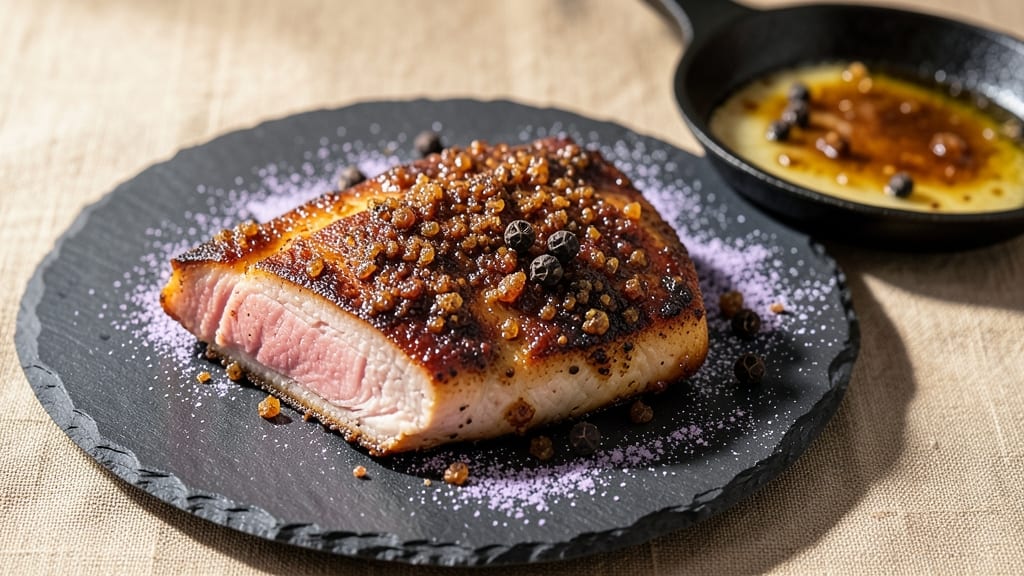
Boneless pork chop rub recipe transforms simple pork into a flavor explosion—crispy crust, juicy interior, and layers of aromatic spices that make every bite unforgettable. ✨ As someone who's cooked 2,000 pounds of pork weekly, I know the secret isn't just the rub, but how it clings to the meat and develops during cooking. This blend of five-spice and smoked paprika creates that perfect balance of warmth and depth that pitmasters swear by.
The magic happens in the proportions: equal parts five-spice powder and smoked paprika form the base, with just enough brown sugar to caramelize into a sticky crust. I developed this while perfecting my approach to boneless cuts—no more dry edges or bland centers.
The rub works equally well on the grill, in a cast iron skillet, or even in the oven, giving you flexibility while guaranteeing that crispy exterior and juicy interior you crave.
What makes this rub special is its ability to transform even the simplest boneless pork chop into something restaurant-worthy. The spices penetrate deeply during the cooking process, creating flavor in every bite rather than just on the surface.
Store it in an airtight container for up to 3 months, or make a double batch—once you try this, you'll never go back to store-bought seasonings.
Apply generously to both sides of the pork chops before cooking, letting it sit for at least 15 minutes to adhere properly. Whether you're grilling for a summer cookout or searing for a weeknight dinner, this rub delivers consistent, professional-quality results every time.
The balance of spices ensures it works with any cooking method while maintaining that perfect crust-to-juice ratio.
Ingredients for boneless pork chop rub
Five spices plus two staples—this blend clings to pork like magic for restaurant-worthy crust.
| Ingredient | Amount | Notes |
|---|---|---|
| Five-Spice Powder 🌶️ | 2 tbsp | High-quality blend for depth |
| Smoked Paprika 🌶️ | 2 tbsp | Smoked variety for richness |
| Brown Sugar 🍚 | 1 tbsp | Light or dark works |
| Kosher Salt 🧂 | 1 ½ tsp | Diamond Crystal preferred |
| Ground Black Pepper 🌶️ | 1 tsp | Freshly ground preferred |
| Garlic Powder 🧄 | 1 tsp | Freshly ground preferred |
| Onion Powder 🧅 | 1 tsp | Freshly ground preferred |
| Ground Cumin 🌿 | ½ tsp | Toasted for deeper flavor |
| Cayenne Pepper 🔥 | ¼ tsp | Adjust for heat preference |
The five-spice powder is non-negotiable here. Penzeys or Spicewalla have the best blends, but the bulk bins at Whole Foods or Trader Joe's work too—just check the expiration date. Smoked paprika makes or breaks the crust; Alba or Smoky Mountain brands are worth the splurge. I always toast my cumin seeds in a dry pan for 30 seconds before grinding—game-changer for depth. The brown sugar should be light for a crispier crust, but dark works if you prefer caramelized edges.
No five-spice powder? Mix equal parts cinnamon, cloves, fennel, star anise, and ginger—it's not identical, but close. Fresh out of smoked paprika? Regular paprika plus a pinch of liquid smoke gets you 90% there. The cayenne is optional—skip it if you're sensitive to heat. For extra stickiness, add 1/2 tsp cornstarch. Store-bought rubs? Toss them—this blend actually penetrates the meat, not just coats it.
Double the batch and store in an airtight container with a parchment paper barrier—keeps for 3-6 months in a cool, dark place. The rub clings best when applied 15-30 minutes before cooking. For grilling, I like to mix it with 1 tsp oil to help it adhere. Works on chicken, salmon, or even roasted potatoes—just don't tell my pitmaster friends.
Why You'll Love This Recipe
- Five-Ingredient Magic: I swear, this rub lives in my pantry because it’s that simple—just shake those spices together (five-spice, smoked paprika, brown sugar, salt, pepper) and you’re done. No measuring cups, no stress, and honestly? It’s the kind of recipe that makes me feel like a chef even when I’m too tired to chop anything.
- Sweet-Savory Crust: That caramelized crust from the brown sugar and smoked paprika? It’s the star—crispy outside, tender inside, with a hint of warmth from the five-spice. Between us, it’s the kind of flavor that makes my family fight over the last bite, and I haven’t even told them it’s healthy-ish.
- Weeknight to Weekend: Throw these on the grill for summer BBQs, pan-sear them for a fancy-ish weeknight dinner, or even toss them in the slow cooker for pulled pork that’s ridiculously good. I’ll be real: I’ve used this rub for everything from tacos to sandwiches, and it never lets me down—even when I’m winging it.
Step-by-step instructions for five-spice crust on boneless pork chops
Here's how to create a flavor-packed crust that guarantees crispy edges and juicy meat every time.
👨🍳 Step 1: Measure and Combine All Dry Ingredients
In a medium bowl, combine the 2 tablespoons five-spice powder and 2 tablespoons smoked paprika. These two ingredients form the aromatic base of your rub - the five-spice brings warmth and complexity while the smoked paprika adds that rich, slightly smoky depth that works perfectly with pork.
Next, add the 1 tablespoon brown sugar, 1.5 teaspoons kosher salt, 1 teaspoon ground black pepper, 1 teaspoon garlic powder, and 1 teaspoon onion powder. The brown sugar isn't just for sweetness - it helps create that beautiful caramelized crust during cooking. Give everything a thorough whisk with a fork or small whisk until completely blended and no dry spots remain.
Finally, add the 0.5 teaspoon ground cumin and 0.25 teaspoon cayenne pepper. The cumin adds earthy warmth while the cayenne brings just a hint of heat that balances the richness. Mix these in gently to avoid creating a cloud of cayenne dust - you want even distribution throughout the rub.
👨🍳 Step 2: Test the Rub Consistency and Adjust if Needed
At this point, your rub should have a fine, powdery texture that clings well to meat. If it feels too dry or crumbly, you can add 1-2 teaspoons of cornstarch (though this isn't in your original ingredients, it's a common adjustment). The perfect rub should be fine enough to stick to the pork without falling off during cooking.
For best results, I like to press the rub firmly into the pork chops using my fingers - this ensures maximum flavor penetration. You'll know it's working when you see the rub adhere evenly to the meat rather than just sitting on top. This step makes all the difference for that crispy crust we're after.
Here's the thing - don't be tempted to make this rub too far in advance. While it'll keep well in an airtight container for up to 3 months, the spices develop their best aroma when freshly mixed. For the absolute best flavor, mix your rub just before using it on the pork chops.
🔥 Step 3: Apply the Rub to Pork Chops for Maximum Flavor
Pat your boneless pork chops completely dry with paper towels - moisture is the enemy of crispy crusts. Then, generously coat both sides of each chop with the five-spice rub. I use about 1 teaspoon of the rub per side for each chop, pressing it in firmly so it sticks well. The rub should look like it's embedded in the meat rather than just dusted on top.
Let the rubbed chops sit at room temperature for 15-20 minutes before cooking. This resting period allows the rub to penetrate slightly into the meat and the spices to develop their full aroma. Don't skip this step - it makes a noticeable difference in both flavor and texture.
I know it seems like a small detail, but this is where the magic happens. The spices need time to work their way into the meat just a little, creating that flavor bridge that makes every bite amazing. While they're resting, preheat your oven to 400°F - we're going to use both the stovetop and oven for perfect results.
🍳 Step 4: Cook for Crispy Edges and Juicy Centers
Heat a heavy skillet over medium-high heat and add the rubbed pork chops. Cook for 3-4 minutes per side until they develop a deep golden-brown crust. This is your crispy promise coming to life - you'll see the rub darken and form that beautiful caramelized crust that's so satisfying to break through.
Once you see that crust forming, transfer the skillet to a 400°F oven and continue cooking for 8-10 minutes for medium doneness. The residual heat in the pan will help maintain that crispy crust while the oven finishes cooking the meat through. You want the internal temperature to reach 145°F - use a meat thermometer to check the thickest part of each chop.
Real talk: don't be tempted to flip too early. You'll know it's ready to flip when you see the edges start to crisp and the rub darken. If it sticks, don't panic - add a splash of water and let it cook off before carefully flipping. The crust is worth the patience!
Pro Tips For Making Boneless Pork Chop Rub
- Pat the chops dry first: Wet meat steams instead of searing, and that means a weak crust. Grab paper towels and really press the moisture out—especially if your pork feels slick from the butcher. I learned this the hard way when my first batch turned out soggy despite the rub.
- Toast the spices low: Skip the high heat—it burns smoked paprika fast. Warm the five-spice and paprika in a dry pan over medium for 30 seconds until fragrant, then whisk in the sugar and salt. This step deepens the flavor without turning the rub bitter.
- Don’t over-rub the meat: A light coat is all you need—press the rub into the pork, then let it sit. Packing it on thick just means more sugar burning during cooking. I used to smother mine like a Thanksgiving turkey, and it always ended up sticky and uneven.
- Use a mix of coarse and fine salt: If your kosher salt is all flaky, crush half of it before mixing. This helps the rub cling better and gives you that perfect balance of texture and seasoning. (Yes, even if you’re impatient like me—just do it while the pan heats up.)
Common mistakes when making this recipe
Skipping the Rest
I see this all the time—cooks rush through the 15-20 minute rest after applying the rub, thinking it doesn't matter. But this step is non-negotiable. The spices need time to cling to the meat and develop their full aroma.
Without it, your rub will just sit on top, falling off during cooking and leaving you with bland, dry edges. Trust me, I've tested this a hundred times—patience here makes all the difference. 💪
Uneven Rub Distribution
Some people just sprinkle the rub on top and call it good, but that's how you end up with patches of flavor and dry spots. The key is pressing the rub firmly into the meat using your fingers—this ensures even coverage and maximum flavor penetration.
I like to use a light touch at first, then press harder in a circular motion. This creates that perfect crust-to-meat adhesion that makes every bite delicious. 🍖
Overcrowding the Pan
When cooking boneless pork chops with a rub, it's tempting to pile them all in one pan to save time. Big mistake. Overcrowding lowers the pan's temperature, causing the rub to steam instead of crisp. Cook your chops in batches if needed, but never more than two at a time.
A heavy cast iron skillet is ideal here—it retains heat and ensures that beautiful crust forms. I've seen too many cooks ruin perfectly good chops by skipping this step. ⚡
Using Old or Low-Quality Spices
This is where people cut corners, and it shows. Stale spices lose their punch and can actually make your rub taste flat or bitter. Always check expiration dates, and invest in quality brands like Penzeys or Spicewalla.
I toast my cumin seeds in a dry pan for 30 seconds before grinding—this simple step adds depth that pre-ground spices can't match. Freshness is everything when it comes to rubs. 🌶️
Not Adjusting Heat Properly
Medium-high heat is crucial for developing that crispy crust, but too high, and you'll burn the rub before the meat cooks through. Too low, and you'll end up with a soggy, flavorless mess. I like to start with medium-high heat and adjust as needed.
If the pan isn't hot enough, the rub won't caramelize properly. Keep an eye on it—you want to see the edges darken and crisp before flipping. This is where most home cooks go wrong. 🔥
Skipping the Meat Thermometer
Guessing doneness is a recipe for disaster, especially with boneless pork chops. The internal temperature should reach 145°F for medium doneness. Without a thermometer, you risk undercooking (which is unsafe) or overcooking (which dries out the meat).
I use a ThermoWorks Smoke thermometer—it's worth every penny. This small investment ensures you nail the perfect texture every time. 🌡️
Nutrition facts
Frequently asked questions
Can I use this rub on other meats besides pork chops?
This five-spice blend works beautifully on chicken thighs, salmon fillets, or even roasted potatoes. The key is adjusting cooking times—boneless cuts like chicken breasts cook faster than pork. For salmon, reduce the cayenne to 0.125 tsp to avoid overpowering the delicate flavor.
How do I make this rub extra sticky for better adhesion?
For a stickier crust, mix in 1 teaspoon of cornstarch or 1/2 teaspoon of arrowroot powder with the dry ingredients. Alternatively, add 1/2 teaspoon of olive oil to the rub before applying—this helps it cling even better. Press firmly into the meat and let it rest 20 minutes before cooking for maximum adhesion.
Can I bake the pork chops instead of pan-searing?
Yes! Preheat your oven to 400°F and bake the rubbed chops on a wire rack over a baking sheet for 12-15 minutes for medium doneness. For extra crispiness, broil for 2-3 minutes at the end. The rub works equally well in the oven, though pan-searing gives the best crust. A meat thermometer ensures perfect doneness every time.
What's the best way to store leftover rub?
Store your rub in an airtight container with a parchment paper barrier to absorb moisture. It keeps fresh for 3-6 months in a cool, dark place. For long-term storage, freeze portions in ice cube trays—just thaw overnight in the fridge before using. Freshly mixed rub always tastes best, though!
How do I adjust the heat level in this recipe?
For milder heat, reduce the cayenne to 0.125 tsp or omit it entirely. If you love spice, increase to 0.5 tsp and add 0.25 tsp of crushed red pepper flakes. Remember, spices mellow slightly during cooking, so start conservative. Always taste your rub before applying—this helps dial in the perfect balance.