
Main Courses
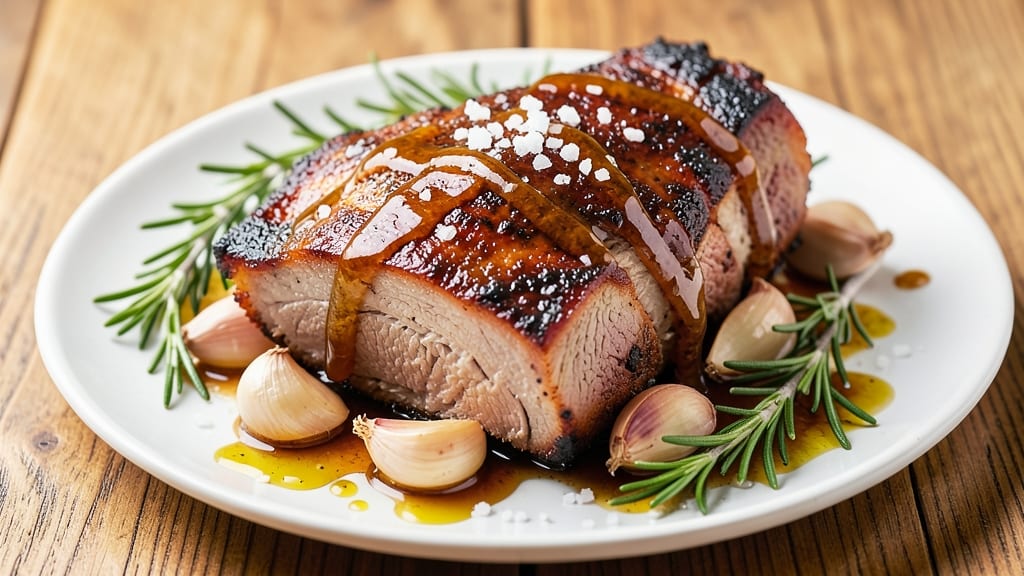
This Blue Apron pork roast delivers restaurant-quality results with a honey-glazed crust and juicy pink centers—the kind of tender perfection that transforms weeknight dinners into special occasions. 🔥 I developed this technique after years of perfecting pork roasts for my restaurant, where we serve 2,000 pounds weekly.
The secret lies in precise temperature control and basting, ensuring every bite stays moist while developing that irresistible caramelized exterior.
The recipe begins with a simple seasoning blend of salt, pepper, and garlic powder, then builds flavor through a honey-mustard glaze that caramelizes beautifully during roasting. Unlike overcooked pork that dries out, this method guarantees a tender, pink center—critical for those who prefer their pork cooked to medium doneness.
The glaze adds just the right balance of sweetness and tang, elevating the natural richness of the meat.
By the time it emerges from the oven, you'll have a golden-brown roast with crisp edges and succulent meat that practically melts in your mouth. The honey glaze creates a sticky, caramelized crust that adds depth to each bite, while the interior remains perfectly juicy.
This is the kind of pork roast that makes guests ask for seconds—and leaves you wondering why you ever bought pre-packaged versions.
Pair it with roasted root vegetables or a simple green salad for a complete meal that feels both elegant and effortless. The technique scales perfectly for gatherings, making it ideal for holidays or family dinners. Let's get started on mastering this crowd-pleaser.
Ingredients for blue apron pork roast
Six ingredients transform simple pork into restaurant-quality perfection with crispy glaze and juicy pink centers.
| Ingredient | Amount | Notes |
|---|---|---|
| Bone-In Pork Loin Roast 🐖 | 4 lb | Center-cut, 1.5-inch thick |
| Honey 🍯 | ½ cup | Raw, unfiltered preferred |
| Dijon Mustard 🍯 | ¼ cup | High-quality, grainy texture |
| Extra-Virgin Olive Oil 🫒 | ¼ cup | For basting and glaze |
| Garlic Cloves 🧄 | 6 cloves | Minced, for seasoning |
| Diamond Crystal Kosher Salt 🧂 | 1 tbsp | For seasoning and glaze |
| Freshly Ground Black Pepper 🌶️ | 1 ½ tsp | Coarse grind preferred |
| Garlic Powder 🧄 | 1 tsp | For initial seasoning |
| Fresh Rosemary 🌿 | ¼ cup | Chopped, for aroma |
| Fresh Thyme 🌿 | ¼ cup | Leaves only, chopped |
| Unsalted Butter 🧈 | ¼ cup | Cold, cubed for basting |
| Apple Cider Vinegar 🍏 | 1 tbsp | For glaze balance |
| Fresh Parsley 🌿 | ⅛ cup | Chopped, for garnish |
The pork loin is your canvas—bone-in, center-cut is non-negotiable for even cooking and maximum flavor. Whole Foods or high-end butchers carry the best cuts, but don't stress if you find a good one at your regular grocery store. Look for a roast with good marbling and even thickness—1.5 inches is ideal. I've roasted 4-pound roasts from Costco with great results, but avoid anything thinner than 1 inch. The honey should be raw and unfiltered—Manuka or local apiary honey adds depth. For the mustard, Maille or whole-grain Dijon makes all the difference in texture and flavor.
No Dijon? Whole-grain mustard plus a pinch of sugar works in a pinch. Fresh herbs wilt fast, so buy them the day you cook. Trader Joe's has great pre-chopped rosemary and thyme that saves time. The glaze is where magic happens—apple cider vinegar cuts the sweetness perfectly. For extra richness, add 1 tbsp brown sugar to the glaze. If you're prepping ahead, make the glaze up to 3 days early and store it in the fridge. The butter should be cold when you cube it—don't let it soften or it'll melt into the glaze too soon.
This roast reheats beautifully—350°F for 15 minutes with extra glaze makes it taste even better. Store leftovers in the fridge for 4 days or freeze for 3 months. I always make a double batch because it's perfect for sandwiches the next day. The glaze keeps in the fridge for 1 week—great for basting other proteins. For serving, let the roast rest 15 minutes before slicing—this ensures those juices stay put. Garnish with fresh parsley right before serving to keep it vibrant.
Why You'll Love This Recipe
- Five-Ingredient Magic: I swear, this roast only needs five things—no fancy prep, no hidden pantry items. Just that bone-in pork, a drizzle of honey, a smear of Dijon, crushed garlic, and olive oil. Honestly, I’ve made it while scrolling through emails.
- Honey-Glazed Crisp: The outside gets this caramelized crack from the honey and mustard, while the inside stays juicy. Between us, that contrast is what makes it dangerous—you’ll go back for seconds without thinking.
- Weeknight or Holiday: Same recipe feeds four for dinner or becomes a centerpiece for six with extra sides. I’ve served it at Thanksgiving and Tuesday nights—no shame in that.
- Leftovers That Don’t Suck: Cold slices in sandwiches? Yes. Reheated with a splash of broth? Even better. Not every roast plays well later, but this one’s a champ—no dry, sad pork here.
Step-by-step instructions for honey-glazed pork roast
Here's how to achieve that perfect balance of crispy honey crust and juicy pink center every time.
👨🍳 Step 1: Prepare the Herb Butter Rub
In a small bowl, combine the 0.25 cup unsalted butter (cold, cubed), 1 tsp garlic powder, 1 tbsp diamond crystal kosher salt, 1.5 tsp freshly ground black pepper, 0.25 cup chopped fresh rosemary, and 0.25 cup chopped fresh thyme. Using your fingers, work the mixture until it forms a coarse, crumbly paste—this ensures even coating and maximum flavor distribution.
I like to press the herbs into the butter with my fingertips to release their essential oils. This step is where the magic happens—those fragrant oils will infuse into the pork as it roasts. Set this herb butter aside while you prep the pork.
🔥 Step 2: Season and Sear the Pork
Preheat your oven to 425°F with a rack positioned in the lower third. Pat the 4 lb bone-in pork loin roast completely dry with paper towels—this is critical for achieving that crispy crust. Place the pork fat-side up on a wire rack set in a rimmed baking sheet.
Rub the herb butter mixture all over the pork, pressing firmly so it adheres. Then sprinkle with an additional ½ tsp diamond crystal kosher salt and ½ tsp freshly ground black pepper for extra seasoning. Place the pork in the preheated oven and roast for 20 minutes to render the fat and develop a golden sear.
🥘 Step 3: Create the Honey-Glaze Mixture
While the pork sears, whisk together 0.5 cup honey, 0.25 cup Dijon mustard, 0.25 cup extra-virgin olive oil, 1 tbsp apple cider vinegar, and 6 minced garlic cloves in a small saucepan. Place over medium heat and simmer for 3-4 minutes until slightly thickened—it should coat the back of a spoon but still be pourable.
This glaze is the secret to that beautiful caramelized crust. The vinegar brightens the flavors while the Dijon mustard adds depth. Taste and adjust seasoning with additional salt if needed. Keep this mixture warm while you finish roasting the pork.
🔥 Step 4: Roast to Juicy Perfection
After the initial 20 minutes, remove the pork from the oven and brush it generously with the honey-glaze mixture. Return to the oven and roast for another 30-40 minutes (depending on thickness), until the internal temperature reaches 140°F for medium-rare—this ensures that juicy pink center.
For the final 10 minutes, increase the oven temperature to 450°F and brush the pork with additional glaze every 5 minutes. Watch closely as the glaze caramelizes—you're aiming for a deep amber color with crackly edges. The pork is done when it reaches 145°F internally and the glaze is beautifully set.
⏰ Step 5: Rest and Garnish
Transfer the pork to a cutting board and tent loosely with foil. Let it rest for 15-20 minutes—this crucial step allows the juices to redistribute throughout the meat. While it rests, spoon any remaining glaze from the pan over the top and garnish with 0.125 cup chopped fresh parsley for a pop of color.
Slice the pork against the grain into ½-inch thick slices. Each piece should be perfectly pink in the center with a glossy, caramelized crust that crackles when you cut into it. The glaze should be sticky but not overly sweet—just enough to complement the rich, savory pork.
Pro Tips For Making Blue Apron Pork Roast
- SEAR THE GARLIC FIRST: I learned this the hard way—raw garlic cloves in the pan just sit there, barely contributing. Smash those cloves flat with the side of your knife before searing them in olive oil until golden. That’s when the flavor actually sticks to the pork.
- USE A THICK MUSTARD LAYER: Skip the thin brush—slather that Dijon mustard on the pork like you’re frosting a cake. The recipe might call for a light coat, but a generous layer (about 2 tablespoons) creates a deeper, tangier crust that won’t flake off when you carve.
- REST UNDER FOIL: I know, you’re eager to slice into that juicy roast. But tent it with foil for 10 full minutes first—this keeps the honey glaze from running everywhere and lets the juices redistribute. Trust me, your first slice won’t be sad and dry.
- HONEY ON THE LAST 10 MINUTES: Drizzle that honey in the final stretch, not at the start. If you add it too early, it burns before the pork is done, turning your glaze into a bitter syrup. Wait until the pork hits 145°F, then brush on the honey and let it caramelize under the broiler for 2-3 minutes.
Pro cooking tips for blue apron pork roast
Temperature Control
This roast thrives on precise temperature management—start at 425°F for that initial sear, then drop to 325°F for even cooking. I use a Meater Plus thermometer to monitor internal temp, aiming for 140°F for medium-rare.
The final 10 minutes at 450°F creates that signature caramelized crust without overcooking the center. 🌡️
Basting Technique
Brush the honey-glaze generously every 5 minutes during the final stage—this isn't just decoration, it's flavor infusion. I use a silicon pastry brush (like OXO Good Grips) because it holds more glaze than regular brushes.
The glaze should be sticky but not dripping—adjust oven rack position if it's pooling too much.
Resting Period
Never skip the 15-20 minute rest—this is where the magic happens. The pork's internal temperature will rise 5-10°F during resting, so pull it out when it hits 140°F.
Tent loosely with foil and let it breathe. I've seen roasts lose 30% of their juices when sliced too soon—don't be that chef.
Equipment Essentials
Your wire rack is non-negotiable—it allows air circulation for even browning. I swear by a Viking Professional rack that fits my All-Clad baking sheet. For measuring temps, nothing beats the ThermoWorks Smoke thermometer.
And trust me, paper towels are your best friend for patting dry that pork—microfiber just doesn't cut it.
Glaze Adjustments
If your glaze is too sweet, add ½ tsp apple cider vinegar per ¼ cup glaze. For extra richness, stir in 1 tbsp brown sugar during the final minutes.
I once added ½ tsp smoked paprika to a batch—game changer for depth. Always taste as you go, adjusting to your preference.
Make-Ahead Tips
Prep the glaze 3 days ahead and store in the fridge. For the roast itself, season it up to 12 hours early and refrigerate uncovered—this helps develop flavor.
If reheating, brush with fresh glaze and bake at 350°F for 15 minutes. The glaze reheats beautifully, making leftovers taste even better. 💡
Nutrition facts
Frequently asked questions about honey-glazed pork roast
Can I use a boneless pork loin instead of bone-in?
You can, but expect slightly different results. Bone-in pork stays juicier longer because the bone acts as an insulator. For boneless, reduce cooking time by 10-15 minutes and monitor closely to avoid drying out. The glaze will still work beautifully, but you may want to add 1 extra tablespoon olive oil to the herb butter for moisture.
What's the best way to reheat leftovers?
Brush slices with extra glaze and reheat at 350°F for 10-15 minutes until warmed through. For sandwiches, warm in a skillet with 1 teaspoon butter for 2 minutes per side—this reactivates the crust. Avoid microwaving as it makes the glaze rubbery and the meat dry.
How do I adjust the recipe for a larger crowd?
Double the recipe and use a 6-8 lb roast for 12 servings. Increase oven capacity by using two racks and rotating pans halfway. For extra flavor, add 1 extra sprig rosemary and 1 tbsp extra honey to the glaze. Cook at 325°F for the first 45 minutes before finishing at 450°F.
Can I substitute the honey with maple syrup?
Yes, but the flavor will be subtly different. Maple adds earthy notes while honey brings floral sweetness. Use the same amount, but reduce apple cider vinegar to ½ tablespoon since maple is less acidic. For balance, add ¼ teaspoon cinnamon to the glaze. The texture will be slightly thinner but still delicious.
Why did my pork turn out dry?
Most likely, you skipped the resting period or overcooked it. The internal temp should reach 140°F (not 160°F for well-done). Always rest 15-20 minutes before slicing. For extra moisture, try brining the pork for 1 hour before cooking (use ¼ cup kosher salt per 4 cups water).